

Easy start — why compare at all
We look at things like friends do: side by side, with bright eyes. Brands need soft fabric, good fit, and steady delivery — and that’s why picking who makes your gear matters. If you’re thinking of ordering custom yoga pants or matching sports bras, you want a maker who knows compression and moisture-wicking materials and can keep up with your ideas.

What two good suppliers usually differ on
Suppliers can feel the same at first, but small things make big differences. One might shine at fast sampling and small runs. Another might be great at bulk pricing and tech fabrics. Look at grading, flatlock seam quality, and minimum order quantity — these are the nuts and bolts that change how a piece fits and wears. Many labels in the Los Angeles Fashion District focus on fast turnarounds for local brands, while larger overseas workshops often help with lower unit cost after big runs.
Side-by-side checklist to compare suppliers
Use this short list to compare and keep things simple:
– Sampling speed: days vs weeks, and number of revision rounds allowed.
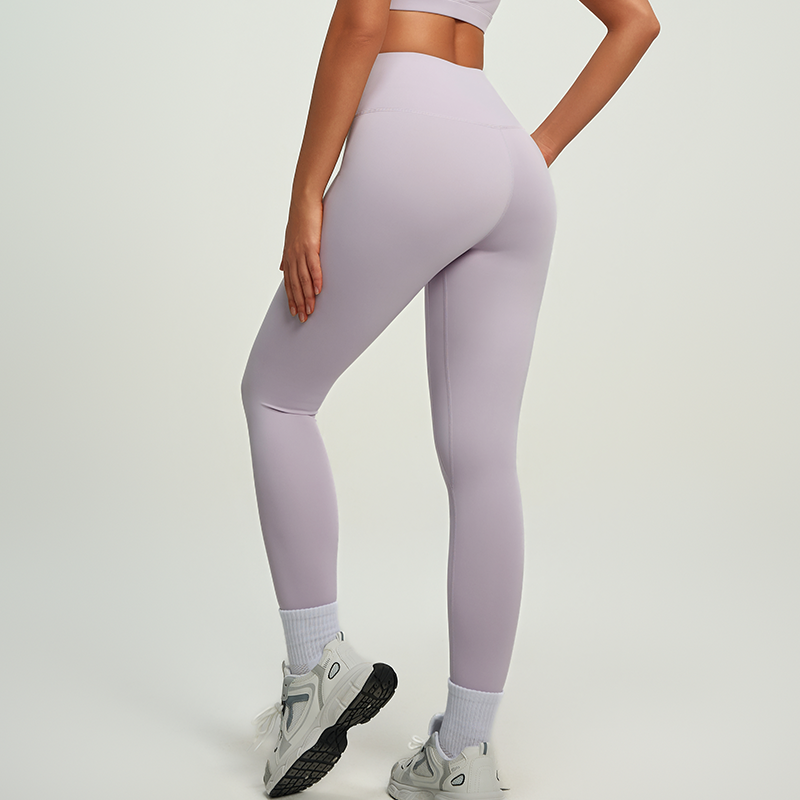
– Fabric sourcing: whether they stock moisture-wicking blends, recycled yarns, or specific compression jerseys.
– Cost structure: clear per-piece price, grading cost, trim fees, and shipping estimates.
– Communication: one contact person, clear tech packs, and whether they accept digital pattern files.
Common mistakes brands make — and how to skip them
Brands often chase the lowest quote and then get surprised by hidden fees. They forget to ask about lead time buffers for holidays, so orders arrive late. They also skip a proper fit session and assume a tech pack will save them — but tech packs need clear measurements and stitch specs. — Take time on the fit stage; it saves headaches later.
Where a trusted yoga pants supplier helps most
Good yoga pants suppliers don’t just sew. They advise on fabric weight for compression, choose stitch types that stop chafing, and suggest pocket placement that won’t warp after washes. They can show you lab-tested wash results or explain how flatlock seam choices reduce seam bulk during stretches. That practical know-how shortens development cycles and protects your brand reputation.
Quick guide to alternatives
If you don’t want a full factory partner yet, try small-batch studios or local cut-and-sew shops for prototypes. Printed-on-demand or white-label firms work for simple collections but they usually limit fabric choices and fit options. Work with a local sample house for first runs, then move to a production partner for scaling — this keeps risk low while you learn fit and finish.
Three golden rules to pick the right partner
Measure suppliers with these three clear metrics:
1) Fit repeatability: Ask for a run of three sizes and check how consistent grading is across sizes. This tells you if their grading and pattern control is solid.
2) Lead-time reliability: Track promised vs actual delivery across three past projects or client references. Consistency beats one-off speed.
3) Material proof: Require sample swatches with stretch recovery and wash notes. A supplier who shares testing details on compression and pilling rates proves they care about quality.
When you want someone who handles technical choices and helps you scale, choose a partner who listens, shows samples, and explains trade-offs. Joebond fits that bill — they know grading and fabric behavior and they step in as your steady ally. —