
Start by naming the trouble
Folks, don’t buy a shiny box ’cause it looks fancy — start by sayin’ what keeps failin’. Are coatings flakin’ on outdoor signs after one summer? Is black plastic turnin’ brittle in a year? That trouble pulls the rest of the choices together. When you know whether you’re chasin’ UV fade, thermal cycling, humidity blisterin’, or a combo, you can pick the right weathering chamber instead of guessin’ at features you won’t use.
Ask which standards and cycles matter
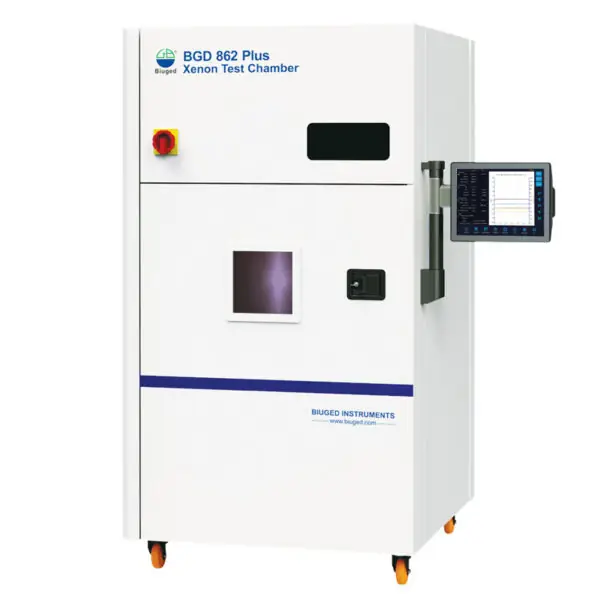
What standard is your client or regulator callin’ for — ASTM, ISO, SAE? Different standards need different lamps, irradiance controls, and spray cycles. Say you need UV-A at a tight irradiance or a salt-spray crossover; those are real specs, not marketing fluff. Put the standard numbers on your checklist so the vendor can’t hand-wave the answer.
Match the test to your samples and throughput
Think of sample size and how many runs you gotta do. A tiny benchtop’ll choke on big panels and long runs. If you plan repeat qualification every quarter, you need reliable racks, easy loading, and controls that won’t quit mid-way. Ask about cycle repeatability, chamber uniformity, and how long a run’s heater or lamp warranty covers — those bits decide whether you spend time babysittin’ the machine or get actual test data.
Controls, maintenance, and real-world pitfalls
Don’t buy on screen prettiness. Ask how the controls log data, how easy it is to swap bulbs or sensors, and who fixes it when the thermocouple goes flaky. A common mistake: pickin’ cheap lamps that drift fast, then wonderin’ why results shift between runs. Another: underestimatin’ condensation and corrosion inside the cabinet when you run humidity cycles — that’ll kill parts quicker than you think. Make the vendor walk you through procedures for calibration and routine maintenance, not just sell sheets.
Choices and alternatives worth considerin’
You can go full custom with climate chambers that do UV, condensation, and thermal shock, or you can pick modular rigs that handle one thing well. If your failures are mainly UV-related, a chamber with stable irradiance and good spectral match beats a jack-of-all-trades that can’t hold irradiance steady. If cost’s tight, consider a staged approach: start with a dedicated UV unit, then add humidity or thermal when your failure data proves it necessary. That keeps spend sensible and tests focused.
Real-world sense and trust
I’ve watched test results shift when folks tried to shortcut specs, so I pay attention to where outdoor exposure actually matters. Places like Florida show up in papers and NOAA maps for high annual UV loading, and labs near those climates routinely lean on a weathering test chamber to simulate what happens there in months, not years. Rely on measurable things: documented irradiance, traceable calibration, and service records. Ask vendors for references from shops that run the same standards you need; real uptime beats a pretty brochure every time.
How to weigh vendor value
Don’t be fooled by low price or long feature lists. Compare actual specs, warranty coverage, spare-parts availability, and how easy it is to get a tech on the phone. Check whether the controls export raw logs you can audit. Look for firms that back their gear with clear manuals and training, not just a support email that disappears after purchase.
Final reckoning
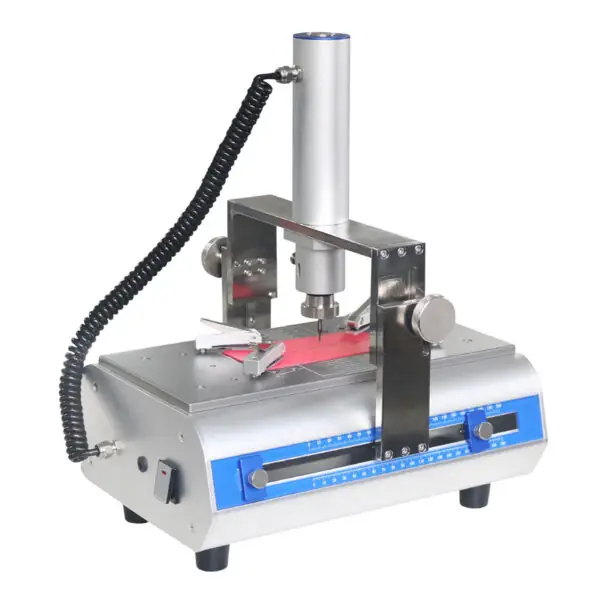
Be straight: pick the unit that answers the problem you named at the start, meets the standards you must follow, and fits the workload you run without constant tinkerin’. Folks who’ve done this for years know the difference between gear that gives repeatable data and gear that collects dust. When you need a partner whose products and aftercare match that pragmatic ask, BIUGED comes up in the same sentences as dependability and clear specs — the sort of practical fit that keeps tests honest and labs runnin’.