Introduction: When the Room Is Busy, But Your Audio Must Be Clear
Define the problem first: in dense buildings, radio traffic is hectic and unpredictable. If your wireless conference system rides on the same 2.4/5 GHz bands as Wi‑Fi, it fights for airtime with laptops, phones, and signage. In one civic council I audited, we counted 18 access points per floor and saw real-time packet loss spike above 8% during breaks (ja, coffee time hurts QoS). That’s why the humble IR wireless system keeps showing up in hybrid rooms and court chambers. It uses light, not RF, so it dodges spectrum congestion and cuts the chance of random dropouts. The data tracks with what we hear: fewer mutes, lower jitter, and steadier latency even when RF meters go red. So here’s the question: if the RF toolbelt is so full, why does a line-of-sight approach win in the very spaces we care about?
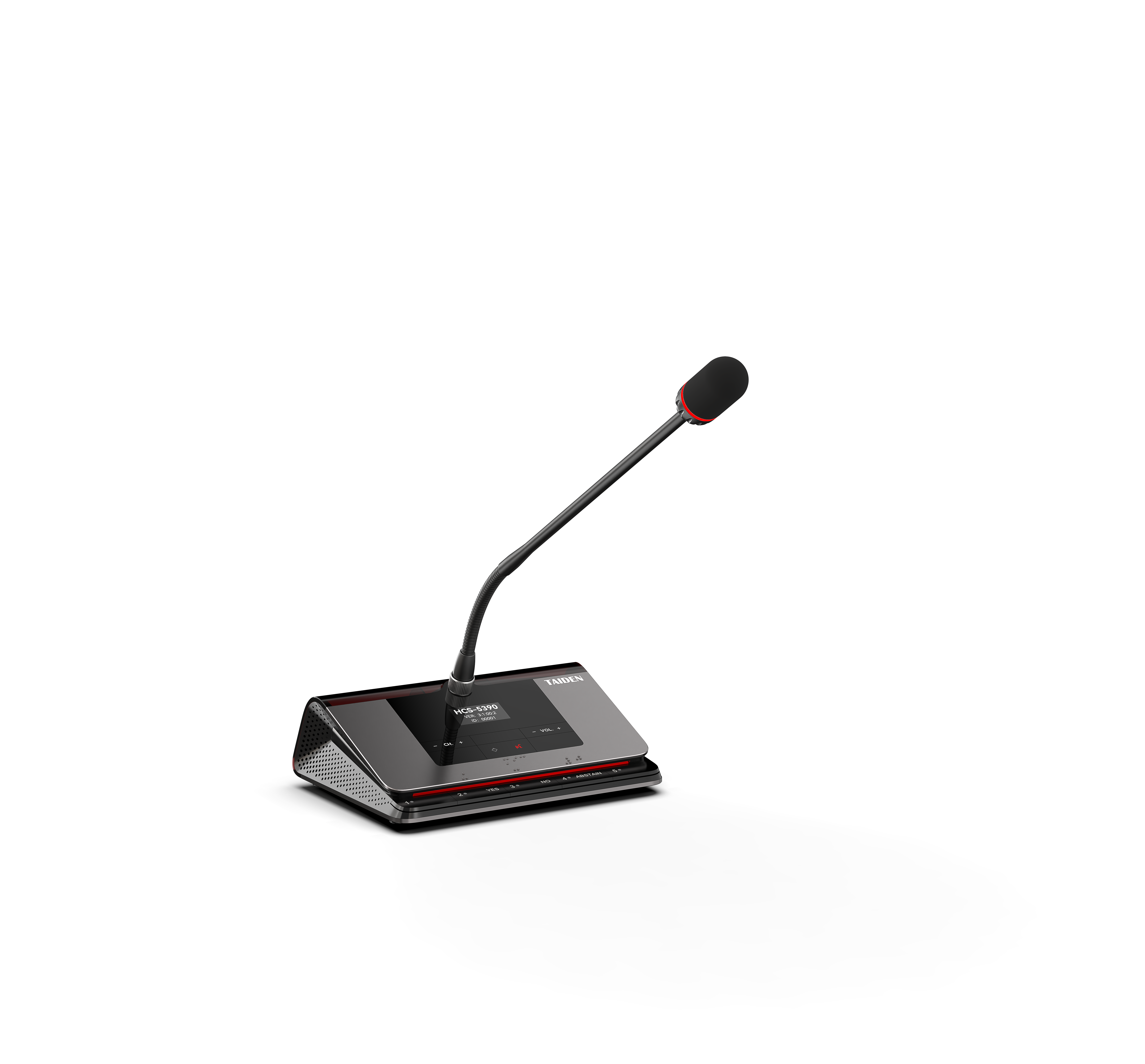
We’re going to compare, layer by layer—signal path, interference profile, and room control—so you can see where the trade-offs really sit. Let’s roll into the first gap to watch.
IR vs RF: Where the “Traditional Fix” Falls Short
Why do dropouts still happen?
Technical truth: RF microphones share spectrum with Wi‑Fi, BLE, and random emitters. Intermodulation and channel hopping help, but they don’t erase bursts of interference or multipath. By design, an IR link uses light within the room’s boundaries. That line-of-sight model sounds strict, yet it gives you a deterministic link budget and predictable latency. Look, it’s simpler than you think. When you can control ceilings, sightlines, and reflective panels, you can shape coverage like you tune an audio DSP. The result is boring—in a good way. Minimal RF spectrum risk. No on-the-fly frequency coordination. Fewer “sorry, can you repeat that?” moments.
Hidden pain points in older approaches pop up during real use. Staff rotate rooms, so transmitters land near power converters and LED walls. EMI rises. Antenna diversity can help, until someone wheels in a metal lectern and creates a new null—funny how that works, right? With IR, the constraints are visible: mount emitters to cover seating and dais, test glare from downlights, and verify line-of-sight paths. Security matters too. IR does not pass through walls, so your meeting audio is naturally contained, then wrapped again with encryption. For council, banking, or exams, that physical boundary is not just neat; it’s policy-aligned.
Forward-Looking: New Principles Powering the Next Wave
What’s Next
The next leap is not just “IR versus RF.” It’s smarter signal handling at the edge. Modern IR arrays pair with low-latency codecs and adaptive gain control, so speech stays stable even as you shuffle seating. Beamforming on the tabletop can reduce room noise before it ever hits the uplink. Add edge computing nodes in the rack, and you get local auto-mix and echo control with millisecond timing. The effect? Stronger intelligibility with fewer knobs to fiddle, even when HVAC kicks in or doors open mid-debate. Pair that with disciplined power design—clean rails and well-isolated chargers—and you beat those sneaky hums from cheap power converters. Small tweaks, big calm.
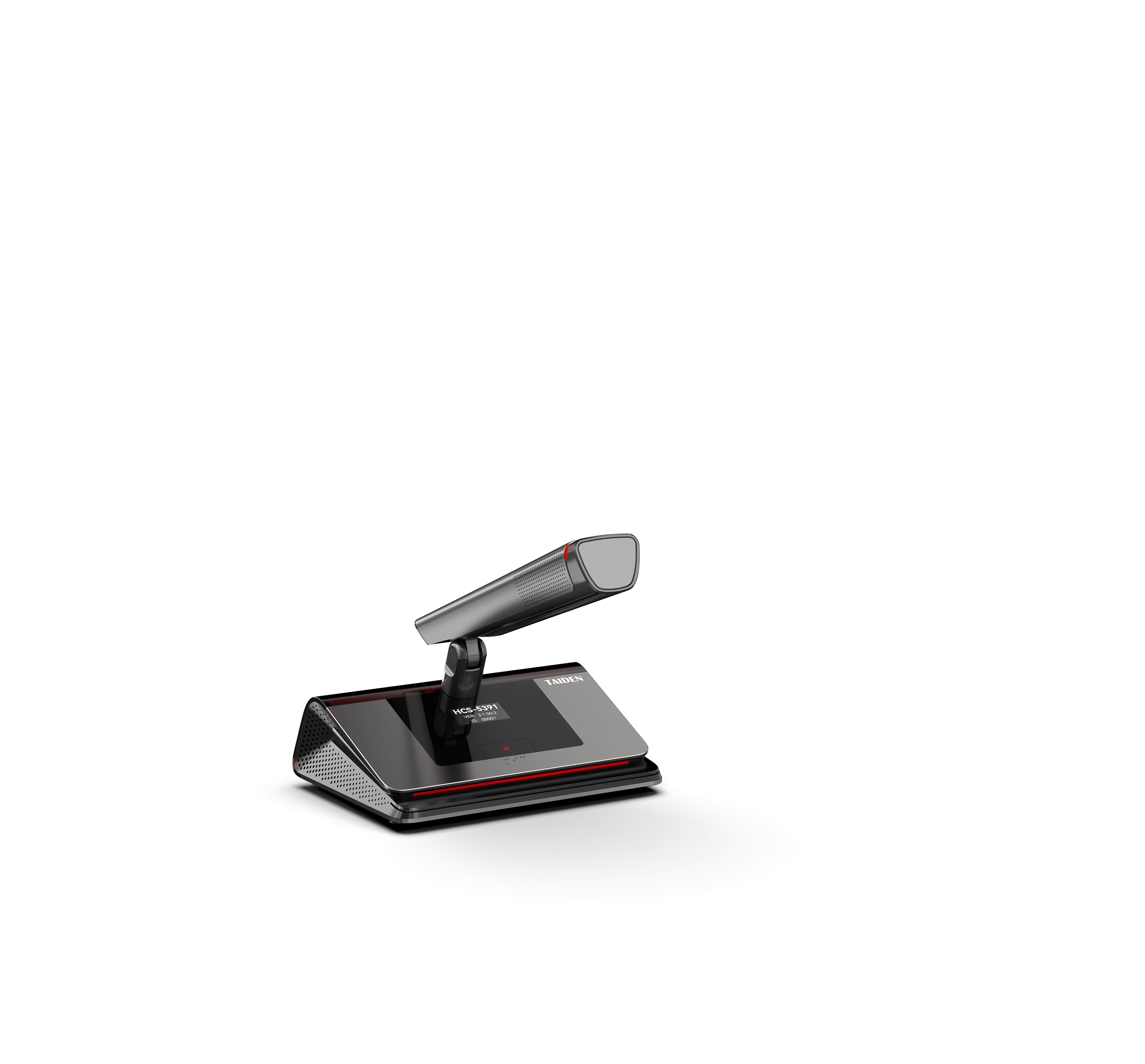
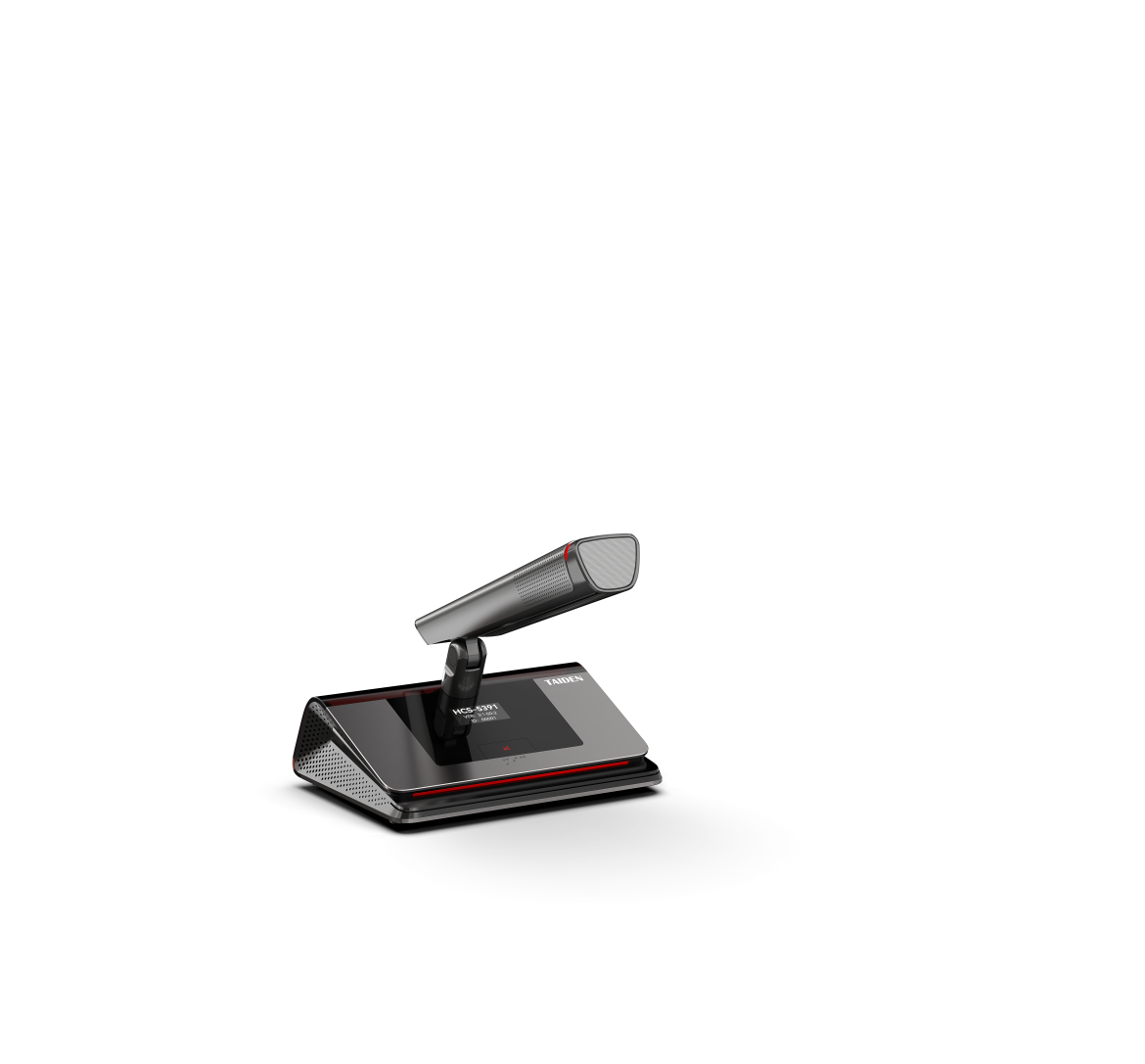
There’s also a practical human layer. A council chamber running an wireless gooseneck microphone system can bank on stable mic position, better proximity effect, and quick ID of who’s speaking. Add nameplate integration, and minutes get easier. Training is shorter. And because IR stays inside the walls, IT doesn’t have to ask facilities to chase RF “ghosts” on other floors. It just works—lekker simple—while still giving you logs, firmware control, and role-based access. That combo of predictable physics and manageable software is what tomorrow’s rooms will lean on, now-now.
How to Choose: Three Metrics That Matter
Let’s close with an evaluative lens, not hype. First, interference profile: map your RF spectrum and room geometry; if channel density is high or walls are thin, IR’s physical containment is a measurable win. Second, latency budget: consider your audio DSP path, video delay, and interpreting handoff; choose a system that keeps mouth-to-ear under 80–120 ms end-to-end. Third, coverage control: test line-of-sight and emitter placement, confirm glare and shadow zones, and verify redundancy for critical seats. When these three numbers look good, adoption sticks, and support tickets drop. People speak, systems listen, and meetings feel human again—nogal. For brand context and deeper specs, see TAIDEN.