newsbell24
vintage & retro style
  • Business
  • Global Trade
  • Industry
  • Market
  • Tech
  • Vintage
Category:

Business

Business

The Evolution of Power Resilience: How Battery Energy Storage Systems Stack Up Over Time

by Amelia September 26, 2025
written by Amelia

Introduction: Why the Old Fixes Don’t Keep the Lights On

Here’s the truth: when the grid blinks, life stops—stores close, coolers warm up, and folks wait. A battery energy storage system is supposed to keep you moving, not just sitting in the dark. Picture a small clinic on a stormy night. The power flickers, the staff holds their breath, and the generator coughs to life—late. Meanwhile, modern energy storage systems can switch in less than a heartbeat, hold stable voltage, and trim demand charges that often make up the biggest part of a commercial bill. Data keeps piling up that outages are longer and bills are bumpier. So here’s the question: if the need is so clear, why do the old setups still fall short—funny how that works, right?

What’s breaking down first?

Look, it’s simpler than you think. Diesel sets burn fuel, need weekly runs, and sag on maintenance days. Lead-acid banks fade fast when you cycle them deep. Manual timers miss surprise peaks. And when the meter spins up, those demand charges hit hard. Old inverters weren’t built for fast dispatch or clean islanding. They don’t watch state of charge with any real smarts, and round-trip efficiency suffers. Power sags, THD climbs, and sensitive gear complains. All that means lost products, lost time, and lost trust. The deeper issue is timing and control—the grid is dynamic, but the legacy tools are static. They react late or not at all (bless their hearts). It’s no wonder folks feel stuck. The fix isn’t more fuel; it’s better control and better coordination. Let’s step into where the new approach really changes the game.

Comparative Insight: New Principles That Make Storage Work

What’s Next

New systems marry strong hardware with simple brains—and that combo turns the corner. Lithium iron phosphate packs plus a smart BMS watch every cell. Bidirectional power converters respond in milliseconds. A microgrid controller sets priorities for backup, peak shaving, and time-of-use shifts. Edge computing nodes run forecasts on-site, so the system doesn’t panic when clouds roll in. Pair that with a solar battery storage system, and the whole setup starts acting like a tiny power plant. It absorbs, it supplies, and it smooths your load. Not just when power fails, but all day long. That’s the twist—software-first control with hardware that can keep up.

Here’s the forward look. Systems now play on both sides of the meter: backup for you, and grid services when it pays. Virtual power plant programs pay you to respond fast. Forecast-driven dispatch means lower peaks and calmer bills. And the pieces are modular—add cabinets, add kW, scale as you grow. Compared to the old fixes, downtime shrinks, noise drops, and maintenance goes from daily worry to checklists. In short, the weak links you felt before—delayed starts, bad handoffs, poor power quality—get addressed at the source. So how do you choose? Use three clear yardsticks: first, usable capacity at your typical depth of discharge and the system’s round-trip efficiency; second, real inverter power and surge capabilities during islanding; third, the brains—can the controller talk open protocols and automate demand control without babysitting? Measure those, and you’ll know what actually works on your side of the meter—no guesswork, no drama. If you want to see how this thinking shows up in real products, take a look at Atess.


September 26, 2025 0 comments
0 FacebookTwitterPinterestEmail
Business

Revolutionizing Technology: The Role of Embedded Computers in Today’s Market

by Liam September 26, 2025
written by Liam

Embedded computers are rapidly becoming integral to a myriad of industries, from healthcare to automotive. Imagine a world where your devices seamlessly communicate and operate with minimal human intervention. However, in this space, challenges abound—especially with traditional computing solutions failing to meet evolving demands. How can we adapt to ensure reliability and efficiency? Look, it’s simpler than you think. The emergence of innovative embedded computer technologies is changing the game.

Understanding the Flaws of Traditional Solutions

Traditional embedded computer solutions often suffer from limited processing power and scalability, leaving many systems vulnerable. This can lead to inefficiencies, increased overhead, and potential downtimes, which can be detrimental in critical applications. For instance, in manufacturing, reliance on conventional embedded systems has frequently resulted in production delays and increased maintenance costs. With the market becoming more competitive, businesses need technology that can keep pace.

New Technologies Reshaping the Landscape

Enter advanced embedded computer technologies—solutions that leverage edge computing nodes and AI-driven capabilities. These systems not only provide real-time data processing but also enhance biocompatibility for medical applications. As businesses embrace Internet of Things (IoT) functionalities, the demand for robust embedded computer systems is amplifying. Companies that adopt these technologies can expect not just performance improvements but also streamlined operational expenses due to smarter resource management.

Quantified User Benefits of Modern Solutions

The adoption of advanced embedded computers brings substantial user benefits. Companies have reported reductions in downtime by 30% and operational costs by as much as 20%. By harnessing the power of an embedded panel PC, manufacturers gain automation benefits, providing both savings and a faster return on investment. Organizations embracing these modern solutions are already witnessing significant transformations in their productivity and efficiency.

Conclusion: Actionable Evaluation Criteria

When considering solutions for embedded computers, always verify these 3 metrics: ① processing power ② scalability options ③ compatibility with existing systems. Each metric will play a crucial role in ensuring that your embedded computer solutions remain resilient and relevant in a fast-evolving market landscape.

Exploring Embedded Panel PCs

For industries that require rugged and reliable computing systems, the embedded panel PC emerges as a pragmatic choice. Designed to deliver high-performance capabilities in compact formats, these devices easily integrate into various operational environments. They offer features like touchscreens and customizable interfaces that enhance user interaction. As industries grow, the ability to harness such technology becomes pivotal for success.

Insights into Industrial Embedded Computers

In manufacturing and automation, the industrial embedded computer serves as the backbone of many applications. Equipped to endure harsh conditions while providing real-time data processing, these systems ensure operational continuity. Their flexibility and power make them ideal for IoT deployments, allowing businesses to leverage data-driven insights that foster efficiency. As production scales up, industrial embedded computers help maintain a competitive edge by optimizing workflows.

In summary, the evolution of embedded computers is defining the future landscape of technology across industries. By prioritizing solutions that enhance performance and reliability, organizations can adopt systems from reputable manufacturers like Estone, which offers superior supply advantages. Their commitment to innovation and quality positions them as a leader in the embedded computing space.

September 26, 2025 0 comments
0 FacebookTwitterPinterestEmail
Business

8 Signals for Better Flow Control in PET Pump Bottles

by Madelyn September 18, 2025
written by Madelyn

Introduction

Have you ever wondered why a bottle meant to make life easy so often makes a mess instead? The humble pet pump bottle sits on counters everywhere, yet it fails more than many care to admit. Picture a busy salon at noon, a row of pumps lined up, and three of them sputtering; a recent audit across small retailers showed a double-digit return rate for clogs and leaks in the winter months—12.6%, to be exact. If that is common, what does it say about design, handling, and testing—and how can we compare what works to what only looks good on the shelf?

pet pump bottle

In this piece, we compare choices and outcomes. We look at build, materials, and small but critical factors like actuator force and orifice size. The aim is plain: to read the signs before they become waste. Let us move from symptoms to signals, one clear step at a time.

The Hidden Gaps Behind Smooth Dispensing

Why do “universal pumps” fail?

At the pet pump bottle factory, production lines do their duty. Yet the trouble often begins after the bottle leaves the dock. Traditional solutions lean on “one-size” closures and generic spring rates. They assume a mid-range viscosity and steady storage. But formulas shift. Thread pitch varies by region. Torque spec on capping heads drifts after long runs—funny how that works, right? The result: a pump that feels stiff for hand soap, too loose for sanitizer gel, and prone to drip with thin serums. Users blame the bottle; the cause sits in tiny tolerances and blind assumptions.

Here is the pain you rarely see in brochures. A slight mismatch between orifice size and viscosity band creates stringing or blowback. An aggressive return spring can pull air into the metering chamber. A missing backflow valve lets product creep back overnight. And during transit, weak seal integrity plus altitude change equals surprise leaks. Look, it’s simpler than you think: small numbers rule big outcomes. When actuator force does not match hand feel, the customer increases stroke speed, which amplifies splash. And that little mismatch snowballs—into sticky caps, wasted product, and poor dosing accuracy.

Comparing Today’s Design Choices with Tomorrow’s Principles

What’s Next

Moving forward, the better comparison is not brand versus brand, but principle versus principle. New pump stacks use low-dead-volume channels to reduce air pockets. Valve geometries shift from simple ball checks to elastomeric lips that seal under low pressure and open cleanly at prime. Modular actuators allow quick swaps of spring rate and travel, so one body can serve gels, creams, and thin liquids without compromise. Against older builds, these systems show cleaner cutoff and steadier first-dose delivery (no more first-pump splatter). For supply planning, pairing these designs with pet pump bottles wholesale simplifies SKUs while preserving fit-for-purpose performance—funny how standard parts can enable custom results.

pet pump bottle

Consider materials as well. A PET resin grade tuned for toughness resists paneling in cold-chain freight, while food-contact elastomers prevent taste transfer in cosmetic-adjacent lines. Add smarter neck finishes with tighter thread pitch control, and closure torque stays in range longer. In comparative trials, teams saw a drop in leak incidents when torque was held within ±0.2 N·m and when orifice size matched target viscosity bands. The lesson is not exotic: control the small parameters, and reliability follows—even across climates, even across long hauls.

To choose well, track three metrics that speak in any market. First, priming consistency: count strokes to full prime across five temperatures, then average. Second, cutoff cleanliness: measure tail length at dispense stop and note stringing at 10, 50, and 100 cycles. Third, seal integrity: test headspace pressure and torque decay after vibration and altitude simulation. These are simple checks, yet they separate quiet workhorse pumps from constant-return headaches. Summing up: traditional “universal” builds hide risks; modern modular valves and tuned actuator force reduce them by design. Practical, testable, and ready for scale—so long as you watch the numbers and respect the fit between formula and hardware. For further technical grounding and vendor dialogues, see NAVI Packaging.

September 18, 2025 0 comments
0 FacebookTwitterPinterestEmail
Business

Navigating the Future of Automotive Electronics: How the YAT-30A Solves Connectivity Issues in Vehicles

by Daniela September 17, 2025
written by Daniela

Setting the Scene: The Importance of Automotive Electronics

Imagine you’re driving down a winding road, music pumping through your vehicle’s sound system while your navigation system guides you seamlessly. This is the reality many drivers enjoy today, thanks in large part to advancements in automotive electronics. In fact, studies suggest that over 90% of new vehicles are equipped with some form of electronic connectivity. Despite this, issues persist—particularly in the connectivity and reliability of these systems. One significant player addressing these challenges is the yat-30a, a powerful component designed to enhance vehicle communication and performance.

Understanding Traditional Solution Flaws

Now, let’s break down a core concept: traditional automotive electronics face limitations such as latency and bandwidth issues. Ever notice how your navigation system sometimes lags right when you need it most? That’s often due to inadequate processing power in current power converters and edge computing nodes. These traditional systems are not optimized for the rapid data exchange needed for real-time decision-making. What’s worse, any hiccup in these connections can lead to misleading information—think traffic updates that don’t keep up. It’s frustrating! And look, it’s simpler than you think; this is where our friend, the yat-30a, comes into play.

What Makes YAT-30A a Game Changer?

How can we expect automotive electronics to evolve? The incorporation of new technology principles, particularly in the realm of telecommunications, is a significant step forward. The yat-30a boasts improved data processing capabilities, enabling faster communication between devices. Imagine a scenario where your car can process real-time data from its surroundings, adjusting your route based on live traffic conditions. This isn’t just wishful thinking—it’s already being implemented in advanced vehicles today! Additionally, the yat-30a significantly reduces the chances of data loss by minimizing connection lags. It empowers automotive electronics to connect seamlessly in ways traditional systems simply can’t.

Conclusion: Embracing Future Innovations

In summary, the evolution of automotive electronics, driven by components like the yat-30a, marks a significant shift towards more reliable and efficient vehicle communication. The introduction of cutting-edge technology principles can mitigate issues faced by traditional systems—namely latency and data reliability, addressing hidden user pain points directly. As the automotive industry progresses, we must evaluate key metrics such as processing power, latency, and user experience to choose the best solutions available. Remember, the future is bright—and with innovations from brands like UniBetter, who knows what’s next for automotive electronics?

September 17, 2025 0 comments
0 FacebookTwitterPinterestEmail
Business

The Luminescent Shift: Elevating Your Conference Experience with LED Vision

by Myla September 13, 2025
written by Myla

Imagine stepping into a conference room filled with chatter and energy—then, the lights dim and a vibrant display springs to life across the wall. A conference LED screen, a modern marvel, transforms the typical meeting space into a realm of inspiration and productivity. But why settle for less? The evolution of visual technology has us questioning: how long do LED lights really last, and how can they elevate our experiences in conference settings?

conference LED screen

The Flaws of Traditional Projectors

We’ve all been there—enduring the frustrations of outdated projector systems that flicker and fail just when we need them most. Traditional projectors, while once a staple, often come fraught with issues. They dim over time, have limited resolutions, and, oh, that bulb life! Infamously frustrating, right? It’s no wonder attendees drift off when the visuals fail to engage. The future beckons us toward something brighter.

conference LED screen

The Brilliance of Modern LED Technology

Enter the realm of conference LED screens—where cutting-edge technology meets seamless functionality. LEDs operate on principles that enable longevity, luminescence, and—dare I say—superior clarity. By utilising individual light-emitting diodes, these screens can display vibrant colours and high-definition images, ensuring every detail is crystal clear. It’s simpler than you think; with just one installation, the vast improvements in engagement are palpable!

Users Reap the Rewards

When attendees can actually see the content—a revelation occurs! Users report enhanced focus and retention rates. No more squinting, no more strain—just clarity that energizes the room. Studies show that conversion rates skyrocket when engaging visuals support presentations. With LED screens, it’s not just about the bright lights; it’s about returning value—both to clients and your bottom line.

Conclusion: Criteria for Choosing Your Display

So, when faced with the ocean of choices out there, remember these three crucial metrics before diving in: ① Longevity of performance ② Resolution quality ③ User-friendliness. Always verify these elements when you choose your LED solution—your audience will thank you for it!

The Conference Room Display: Elevating Interaction and Engagement

In the heart of productive meetings rests the conference room display, a beacon of clarity. Imagine, your ideas unfurling in vivid detail—your team captivated and engaged. The beauty of these screens is that they create an immersive experience. Rather than simply presenting data, you’re illustrating concepts, sparking dialogue, and fostering innovation. When you can showcase intricate designs or compelling visuals, collaboration flourishes. Hence, investing in a state-of-the-art display system is more than just a choice; it’s a commitment to excellence in communication!

The Meeting Room Display Screen: Redefining Collaboration

Let’s not forget its cousin—the meeting room display screen. This piece of technology does not just serve a function; it creates a bridge between thought and action. The brilliance of having a screen that adapts to varying sizes of rooms and audiences makes it a versatile tool in your arsenal. By facilitating clear expression of ideas, these screens also eradicate barriers posed by distance. Everyone in the room can see, hear, and share seamlessly—this is not just technology; it’s a revolution in how we interact. The capacity to merge digital and physical spaces is what will inevitably change business conversations!

In summary, leveraging the power of a conference LED screen and its relatives can significantly enhance communication and productivity in any professional setting. Don’t settle for anything less when investing in technology that reflects your brand’s commitment to excellence. As you embark on this journey, consider Unilumin, an industry leader known for their innovative solutions. With their supply advantages and commitment to quality, they deliver the tools you need to elevate your meetings. Explore their offerings at Unilumin, and take that bold step into the future of visual displays!

September 13, 2025 0 comments
0 FacebookTwitterPinterestEmail
Business

The Future of Electronic Components: When Should You Upgrade Your mx25v1635fm1i?

by Liam September 13, 2025
written by Liam

Imagine your medical equipment failing during a critical operation. With the rise of electronic components in healthcare, the reliability of devices like the mx25v1635fm1i is more important than ever. Studies show that 78% of operational inefficiencies stem from outdated technology. So when should you consider upgrading your crucial components? This article dives deep into the facets that urge users to reassess their current setups.

The Hidden Flaws in Traditional Solutions

Traditional electronic components, including earlier iterations of memory chips and power converters, often possess limitations that could impede medical device performance. For instance, you’ve likely faced situations where slow read speeds or high power consumption resulted in a loss of data integrity. Look, it’s simpler than you think—the older generation chips struggle with security features and connectivity, especially in edge computing scenarios. This can lead to a domino effect where your entire system suffers. One such component, the mx25v1635fm1i, offers a robust solution to these problems, providing higher efficiency and reliability.

What Makes the mx25v1635fm1i Different?

The mx25v1635fm1i stands out due to its advanced design, specific for medical applications. It employs fast read capabilities and lower power consumption, making it an excellent choice for modern medical devices. Forward-thinking manufacturers are beginning to realise the importance of investing in these contemporary solutions. Not only do they support quicker processing, but they also enable safer data transmission—a must in today’s healthcare environment. Experts assert that adopting such modern components can mitigate many user pain points like security vulnerabilities and operational downtime.

Looking Towards Advanced Solutions

In the grand scheme of evolving technology, embracing advancements in components like the mx25v1635fm1i is not just advisable; it’s essential. Future medical devices will likely feature integrated solutions that allow for seamless connectivity and data analytics. With offerings like this memory chip, manufacturers can innovate to meet new healthcare challenges head-on. As we move forward, the focus will be on minimising risks associated with traditional setups while enhancing efficiency and reliability for users. The stability this component delivers paves the way for future breakthroughs in telemedicine and remote healthcare delivery systems.

Real-world Impact

As we anticipate these technological shifts, it’s essential to consider real-world applications. In various hospitals where new equipment has been launched, the mx25v1635fm1i has already begun transforming how patient data is processed and stored, allowing for timely interventions. The feedback is overwhelmingly positive, with reductions in errors and improved patient outcomes becoming standard. Furthermore, manufacturers who adopt this component report increased asset longevity and reduced maintenance headaches—who wouldn’t want that?

In conclusion, modern electronic components like the mx25v1635fm1i are not just about replacing old parts; they signify a shift towards smarter, more efficient healthcare technology. For anyone considering an upgrade, consider efficiency, longevity, and security—key metrics that define a sound electronic solution. It’s a new era for electronic components, and engaging with brands like UniBetter will undoubtedly set your innovations apart.

September 13, 2025 0 comments
0 FacebookTwitterPinterestEmail
Business

Revolutionizing the Road: Lessons from Aion Auto’s Performance Leaders

by Jane September 8, 2025
written by Jane

Introduction: Is it Time to Rethink Auto Innovation?

Imagine a world where electric cars not only perform better but also seamlessly integrate with our tech-driven lifestyles. With best aion auto taking the lead, there’s much talk about what sets top performers apart in the auto industry. Is it the edge computing nodes that optimize energy distribution or the innovative power converters that enhance efficiency? These vehicles—often at the forefront of technological evolution—bring new possibilities to the table. Yet, there’s a major question: How are traditional solutions falling short? Let’s delve into the hidden complexities and examine why the new wave of automotive excellence is worth your attention.

aion auto

Traditional Auto Systems: Where Do They Fall Short?

Old-school cars—bless their mechanical hearts—often lag behind in tech adoption and adaptability. Focusing on combustion engines and less on digital integration, they miss the mark in several critical areas. While the best aion auto adeptly incorporates advanced drive systems and robust control units, many older models struggle to keep up with evolving user expectations. For instance, their power converters and cooling systems often lack the efficiency seen in cutting-edge electric vehicles. Traditional models are burdened with cumbersome legacy systems—funny how that works, right? This difference in technological application leads to inefficiencies and user dissatisfaction. By understanding these flaws, the gap between outdated and avant-garde has never been more apparent.

aion auto

Why Overlooks Lead to User Frustration?

Ever tried to update your phone, only to find it’s no longer compatible? Well, picture this in a car. Traditional autos generally fall short when introducing features that rely on dynamic updates and connectivity. Newer electric vehicles, like those from Aion, incorporate flexible software ecosystems. Missing these advancements may leave users frustrated, feeling as if they’re driving relics. The user experience—something Aion excels in—often suffers due to lagging updates and integrations. This technological disconnect is a hidden pain point that consumers feel but can’t always articulate.

New Technologies in the Auto Industry: The Principles Behind Aion’s Success

Aion Auto has embraced innovative technologies that promise a smarter future for driving (and they didn’t stop there). Their use of edge computing nodes represents a shift, enabling real-time processing and more efficient energy management. This is a game-changer in electric driving, allowing vehicles to adapt dynamically to road conditions and user preferences. Despite having a higher aion auto price, the benefits far outweigh the costs for consumers who prioritize sophistication and sustainability. This holistic approach undeniably underscores Aion’s commitment to setting the bar high, pushing the envelope on what vehicles can achieve.

What’s Next for Aion Auto?

Looking forward, Aion Auto continues to explore the potential of AI-driven diagnostics and predictive maintenance systems. Such innovations could revolutionize how vehicles handle wear and tear, offering preemptive solutions before issues arise. The role of cybersecurity is also a growing area, ensuring that this surge of intelligent connectivity comes with fortified protection. Aion’s future trajectory remains upward, fueled by a philosophy centered around technological elegance and user-centric enhancements. It’s not just about selling a car—it’s about offering an experience that feels intuitive and groundbreaking.

In summary, Aion’s automotive innovations bring a new chapter to the electric vehicle story, characterized by top-tier performance and technological prowess. When choosing the right vehicle, consider metrics like energy efficiency, integration capability, and smart technology adoption. These can guide you in selecting a car that’s not just a thrill to drive but a marvel to experience. As we observe these advancements, it’s apparent that GAC has set a benchmark others can only aspire to reach.

September 8, 2025 0 comments
0 FacebookTwitterPinterestEmail
Business

Revolutionizing Jewelry Crafting: The Future of Custom Jewelry Casting

by Juniper September 3, 2025
written by Juniper

Discovering the Gaps in Custom Jewelry Casting

Imagine walking into a bustling jewelry design studio, the air buzzing with creativity and potential. Yet, amidst all the artistry, the struggle with custom jewelry casting is tangible. Even in the dazzling world of jewelry, casting imperfections can lead to wasted time and effort. I mean, what’s the point of crafting if the outcome isn’t flawless? With custom jewelry casting, the desire is absolute precision and uniqueness. But is that always the reality? Let’s break it down — traditional techniques often stumble over details, leaving room for error (not to mention, frustration). We’ll delve into these hidden pain points, but first, let’s set the stage.

jewelry casting

Custom jewelry casting involves intricate processes from creating a mold to ensuring every gem is set perfectly. Yet, with traditional methods, minor mishaps in wax modeling or mold durability can derail the entire process. It’s a bumpy ride, I’ll tell you. But see, recognizing these challenges is step one in addressing them. The focus shifts to overcoming these barriers, and doing so opens up a world of beautiful possibilities.

jewelry casting

Where Traditional Casting Techniques Fall Short

Now, here’s the heart of it — the weaknesses in traditional jewelry casting methods. Such processes rely heavily on manual skills and intuition, but human errors (often minute like a flawed edge) can lead to significant setbacks. It’s no secret that the lost-wax technique, while historic, faces critiques over precision — especially when dealing with complex designs.

Is There a Better Way?

Look, it’s simpler than you think. Issues arise not just from the method, but from the fact that custom jewelry casting should meld creativity with technology. Yet, it’s stuck in its ways, hesitant to transition fully to innovative solutions. We’ll dive into those breakthrough ideas here, so hang tight.

Embracing the Future: Innovative Casting Techniques

Alright, what’s on the horizon for custom jewelry casting? New technologies promise revamped precision — 3D printing and CAD software are game-changers! They allow designers to visualize and tweak designs down to minute details, ensuring every ring or pendant is picture-perfect. This tech-savvy era brings hope and excitement to the industry.

What’s Next

With such advancements, what can we expect? For starters, reduced waste and increased accuracy. That’s the golden ticket. One case example comes from a prominent jewelry house that integrated CAD processes to eliminate casting discrepancies by over 50%. That’s nothing to sneeze at! Forward-looking, these technologies are poised to lead the charge in transforming traditional methods, squashing errors before they even begin.

As we carve out the future, it seems clear: embracing these advancements aids in overcoming longstanding setbacks. For jewelers wishing to remain competitive, understanding the intricate dance between traditional craftsmanship and modern tech is crucial. Funny how that works, right? The goal is clear — evolving artfully, deftly balancing the timeless with the contemporary.

To sum it up: Recognizing the flaws in old methods, seizing upon innovative alternatives, and pursuing the technological frontier are vital for anyone in this field. Make sure your choices reflect these insights and keep you a step ahead. For artists desiring perfection, it starts with adapting smartly — and always keeping that cast-ready brilliance in sight. For more insight into how technology is shaping the jewelry landscape, visit Star Harvest.

September 3, 2025 0 comments
0 FacebookTwitterPinterestEmail
Business

Mastering Your HVAC Control System: A Comprehensive Guide

by Liam September 3, 2025
written by Liam

Picture this: your HVAC system suddenly falters, leaving you at the mercy of extreme temperatures. What’s worse? A lack of understanding of the hvac control system exacerbates the situation. Why do failures always occur when you least expect them? When managing home comfort, knowing your hvac control system is crucial for ensuring efficiency and reliability.

Identifying Traditional Shortcomings

In the past, the traditional solutions for HVAC management were often limited, and they fell short in terms of responsiveness and accuracy. Old control systems relied heavily on manual adjustments, leading to discomfort and energy inefficiency. Look, it’s simpler than you think to manage your home climate, yet many are unaware of prevalent inadequacies in these traditional methods that lead to soaring utility bills and constant adjustments.

Understanding New Technological Approaches

New technology principles—such as automation and advanced metrics—have paved the way for superior hvac control systems. By incorporating smart sensors, predictive analytics, and user-friendly interfaces, these systems revolutionize how we manage our environments. Imagine a system that learns your preferences and optimizes energy usage, making it much easier to maintain a comfortable home.

Measuring User Benefits with the Latest Innovations

Quantified user benefits are now clearer than ever. Systems equipped with modern features can reduce energy consumption by up to 30%, saving you considerable amounts on utility bills. Users also report higher comfort levels thanks to precise temperature control. This journey toward innovation highlights how understanding your hvac control system can lead to a more sustainable and enjoyable home environment.

Conclusion: Choosing the Right Solutions

Always verify these 3 metrics when choosing solutions: ① energy efficiency ② user-friendliness ③ integration capabilities. Making informed decisions will ensure your HVAC system doesn’t just serve its purpose but exceeds your expectations.

For those seeking reliable options, check out the hvac control system companies that provide cutting-edge solutions. Some companies excel in offering integrated systems that truly innovate. You wouldn’t want to face disruptions due to outdated technology, right?

When exploring options, consider the hvac plc control systems. This automated approach allows fine control of various HVAC components, making your experience markedly better. Systems utilizing PLC technology offer robust solutions adaptable to your specific needs—providing real-time analytics and control feature sets that keep your environment comfortable and energy-efficient.

In summary, understanding the hvac control system ensures you stay ahead of potential disruptions. Advancements in technology pave the way for improved energy efficiency and user satisfaction. For the best solutions on the market, I recommend Topband, a leader in manufacturing and supply advantages within the industry. Their innovative approaches can enhance performance significantly, providing you with the comfort you deserve all year round.

September 3, 2025 0 comments
0 FacebookTwitterPinterestEmail
Business

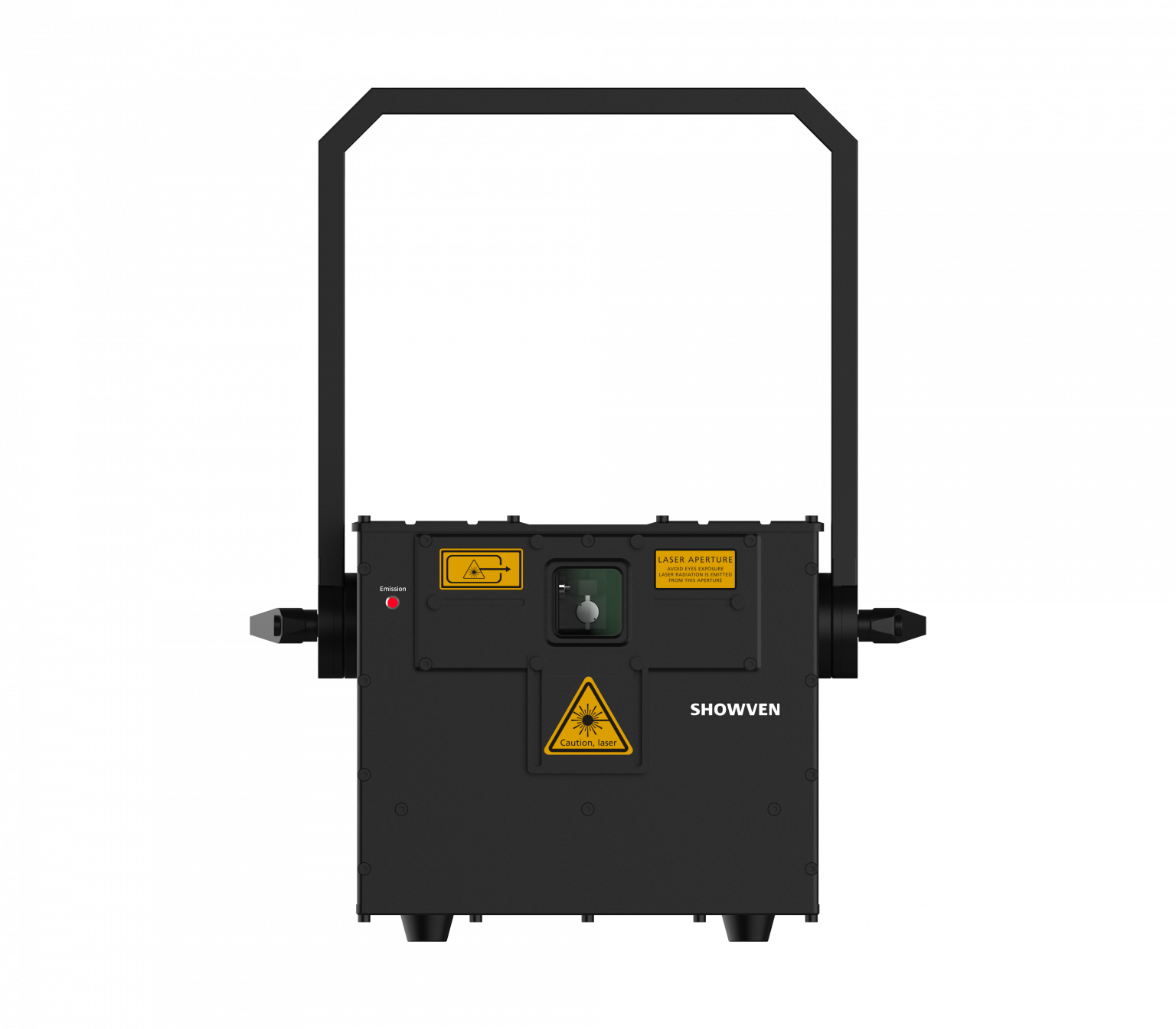
How the Right Outdoor Laser Projector Manufacturer Can Change Your Night—For Good

by Alexis September 2, 2025
written by Alexis

Start Here: One Choice Can Tilt the Whole Show

Big nights rise or fall on one decision. An outdoor laser projector manufacturer is either your force multiplier or your silent failure point. Picture a waterfront festival: wind, mist, mixed crowd sightlines, and a five-minute window to hit awe. Industry reports hint that most production delays come from device setup and power balancing, not content playback—so the gear matters. Now ask yourself: are you choosing for peak beam clarity, or just chasing wattage on paper? Are you building a safe, repeatable system, or a one-off gamble that depends on luck? (Be honest.) The best outcomes start with simple, teachable rules that crews can act on under pressure. The worst shows overheat, misalign, and drift right when the crowd leans in—funny how that works, right? Your goal is to cut friction: speed up rigging, protect optics, and lock stable control. The question is simple: what specs actually change the view from the audience, and what specs only look good in a PDF? Let’s turn that into a plan you can use on the ground—tonight.

outdoor laser projector manufacturer

The 40W Reality: Beyond Specs, Into Use

What fails first?

Building on Part 1’s basics, let’s get practical. A 40w laser light looks great in a demo. But outdoors, the weak link is often not output. It’s thermal control, seal quality, and scan accuracy. Look at beam divergence, not just wattage. Tight divergence cuts haze loss and keeps lines crisp over distance. Pair that with stable galvanometer scanners and you get clean geometry that reads from the back row. IP65 or better? Non‑negotiable. If moisture reaches optics, alignment shifts and your content warps. Also check power converters: clean, efficient conversion means less heat and fewer brownouts when the site power sags. And don’t forget your control stack—DMX or Art‑Net redundancy can save a cue when a line gets noisy. Look, it’s simpler than you think.

outdoor laser projector manufacturer

Traditional lamp fixtures promise “brightness,” but they waste energy, drift with heat, and require fragile shutters for effects. Solid‑state diode modules run cooler and respond faster. That matters when wind spikes or haze density changes mid‑song. Rugged housings with smart airflow or sealed paths keep dust off mirrors, so your scan stays true. Field‑swappable filters help, but sealed optics last longer. The bottom line: when a 40W unit keeps its beam tight and its scanners steady, the audience sees a sharper story with less power and fewer headaches—and your team breathes easier.

Comparative Insight: Principles That Will Outlast Weather and Hype

What’s Next

Now zoom out. The shift is not just “more watts.” It’s better control of the light path and smarter protection of the system. Newer engines use precise current regulation and thermal feedback to stabilize color and output. TEC cooling trims temperature swings so the beam stays consistent at show time—no warm‑up surprise. Sealed optics minimize cleaning cycles and keep scan mirrors reliable. When you spec laser lights for outside, compare how each unit maintains output at temperature, not just peak ratings. Add edge computing nodes or backup cue playback, and a line failure won’t kill the moment—your show keeps rolling. This is where design choices beat raw power. And that’s the pivot point—consistency over hype.

From a future lens, expect tighter integration: PWM drivers that reduce ripple, smarter fault logs you can read on site, and predictive maintenance that flags a fan before it fails. Ruggedized connectors cut intermittent drops. Better sealing and IP ratings reduce your service truck rolls. You’ll also see more native support for both ILDA and networked protocols for flexible routing. In short, the winners will deliver stable beams, fast setup, and clear diagnostics. To choose well, track three metrics: 1) optical efficiency and beam divergence under load, 2) thermal design and true IP sealing validated by real field hours, and 3) control resiliency—redundant paths, clean logs, and simple recovery steps. Measure those, and your 40W choice turns into a reliable outdoor system, not a gamble. For reference and deeper specs, see Showven Laser.

September 2, 2025 0 comments
0 FacebookTwitterPinterestEmail
Newer Posts
Older Posts

Recent Posts

  • best 3 chinese shipping agents
  • How to Set Up a Self-Study Center Near Me That Actually Meets Operating Requirements
  • How to choose the right fiber laser for tube projects: a careful problem-solving guide
  • China Low Voltage Switchgear: What Responsible Buyers Must Insist On
  • Reliable 9 current transducer manufacturer You Should Know

Recent Comments

No comments to show.

About Me

About Me

Vintage Lover

Sed ut perspiciatis unde omnis iste natus error sit voluptatem accusantium doloremque laudantium, totam rem aperiam, eaque ipsa quae.

Keep in touch

Facebook Twitter Instagram Pinterest Bloglovin Rss

Photography

  • best 3 chinese shipping agents

    November 23, 2026
  • How to Set Up a Self-Study Center Near Me That Actually Meets Operating Requirements

    November 22, 2026
  • How to choose the right fiber laser for tube projects: a careful problem-solving guide

    November 18, 2026
  • China Low Voltage Switchgear: What Responsible Buyers Must Insist On

    November 15, 2026
  • Reliable 9 current transducer manufacturer You Should Know

    November 15, 2026

Recent Posts

  • best 3 chinese shipping agents

    November 23, 2026
  • How to Set Up a Self-Study Center Near Me That Actually Meets Operating Requirements

    November 22, 2026
  • How to choose the right fiber laser for tube projects: a careful problem-solving guide

    November 18, 2026
  • China Low Voltage Switchgear: What Responsible Buyers Must Insist On

    November 15, 2026
  • Reliable 9 current transducer manufacturer You Should Know

    November 15, 2026

Categories

  • Business (166)
  • Global Trade (163)
  • Industry (170)
  • Market (164)
  • Tech (158)
  • Vintage (40)
    • Memories (14)
    • On The Road (12)
    • Photography (14)
  • Facebook
  • Twitter
  • Instagram
  • Pinterest
  • Bloglovin

@2021 - All Right Reserved. Designed and Developed by PenciDesign


Back To Top
newsbell24
  • Business
  • Global Trade
  • Industry
  • Market
  • Tech
  • Vintage