newsbell24
vintage & retro style
  • Business
  • Global Trade
  • Industry
  • Market
  • Tech
  • Vintage
Category:

Global Trade

Global Trade

Seven Comparative Signals for Battery Manufacturing Machine Breakthroughs

by Amelia November 18, 2025
written by Amelia

Kickoff: One Floor, Two Timelines, Which Wins?

I watched a small factory floor try to double output before quarter end, and it felt like a group project the night before finals. The battery manufacturing machine sat center stage, with screens blinking and operators swapping shifts. One line showed a 9% scrap rate last month, and the other claimed 96% uptime—numbers that change budgets fast. So here’s the scene: tight deadlines, tight rooms, and tighter specs. What if the “faster” line isn’t the smarter line at all (and what if you measure the wrong thing)? Are we comparing the right signals when we pick our setup and process?

Let’s break the noise down and see where the real gains hide—then stack options that actually move yield.

Deeper Layer: The Pain Points We Don’t Admit Out Loud

What’s the real bottleneck?

When teams say “we just need a better machine,” they often mean “we need predictable flow.” The truth is more technical. Tension control in roll-to-roll coating swings, and that ripples into calendering flatness and later into cell impedance. The labels highlight speed and footprint, but not the quiet killers: web wander, die-cut burrs, and humidity spikes in the dry room. Look, it’s simpler than you think—and more complex. If the lithium ion battery making machine cannot stabilize coating thickness to spec under dynamic load, every next station pays the price. Operators then tweak PLC recipes mid-shift, which hides root causes and inflates variation.

There’s also the data gap. Many lines still log to USB or siloed SCADA screens; they don’t push edge computing nodes for live feedback loops. That makes laser tab welding rework look random—funny how that works, right?—when the real issue began at anode coating. A few terms you should watch: calendering nip pressure uniformity, die-cut alignment CpK, electrolyte filling repeatability, and formation cycling drift. If these aren’t measured per lot, the line will “seem” fine until pack test says otherwise. And everyone loses a weekend chasing ghosts.

Forward Look: Principles That Change the Baseline

What’s Next

Here’s a more useful comparison: old “faster motors” thinking versus new “closed-loop proof.” Instead of racing reels, modern control ties vision inspection to actuator logic in milliseconds. In-situ metrology at coating and slitting feeds models that nudge web tension before defects grow. Digital twin baselines let you test calendering profiles without burning material. Even power converters on drives now log harmonics to flag bearing wear early. This is why teams adopting integrated feedback see steadier SEI outcomes after formation. When you evaluate lithium ion battery manufacturing machines, ask less about max speed and more about how the system corrects itself under drift.

Case signals worth copying: roll maps linked to lot genealogy; defect heatmaps tied to die sets; and MES hooks that convert alarms into parameter shifts, not just emails. With those in place, a 1% gain in coating uniformity can unlock a 3–4% yield bump after aging—small changes, big compounding wins. And yes, that means fewer “hero” operators and more repeatable recipes. The future line feels calmer. Shorter meetings. Fewer surprises. More verifiable math.

Before we close, here are three evaluation metrics that keep choices grounded: 1) Closed-loop tension accuracy across transients (target ±0.5 N with proof from raw traces); 2) Thickness CpK after calendering at your real production speed, not lab speed (≥1.33 is a healthy start); 3) End-to-end OEE paired with first-pass yield, both tied to lot-level genealogy. Match these to your risk, then choose the platform that hits them with room to grow—because tomorrow’s recipe will not match today’s.

Perspective is the actual differentiator here: compare by feedback quality, not brochure peak rates; track the flow, not the poster. That’s how teams move from firefighting to forecast. For more grounded methods that align tech and output, you’ll often find the quiet wins reflected in brands like KATOP.

November 18, 2025 0 comments
0 FacebookTwitterPinterestEmail
Global Trade

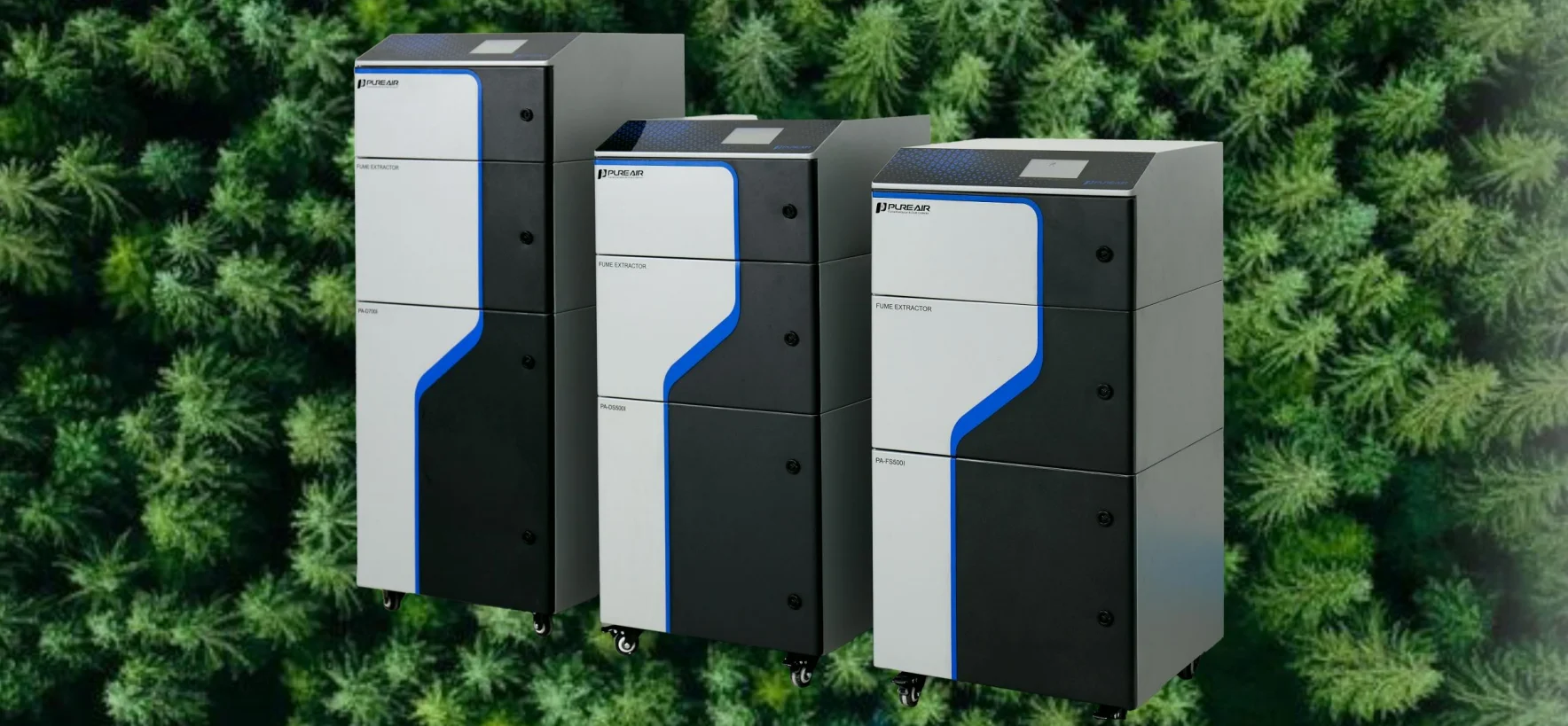
Comparing Clean-Air Paths: A Practical Guide to Dust and Fume Extraction Choices

by Elijah November 17, 2025
written by Elijah

Introduction: Why the Air We Ignore Deserves Our Attention

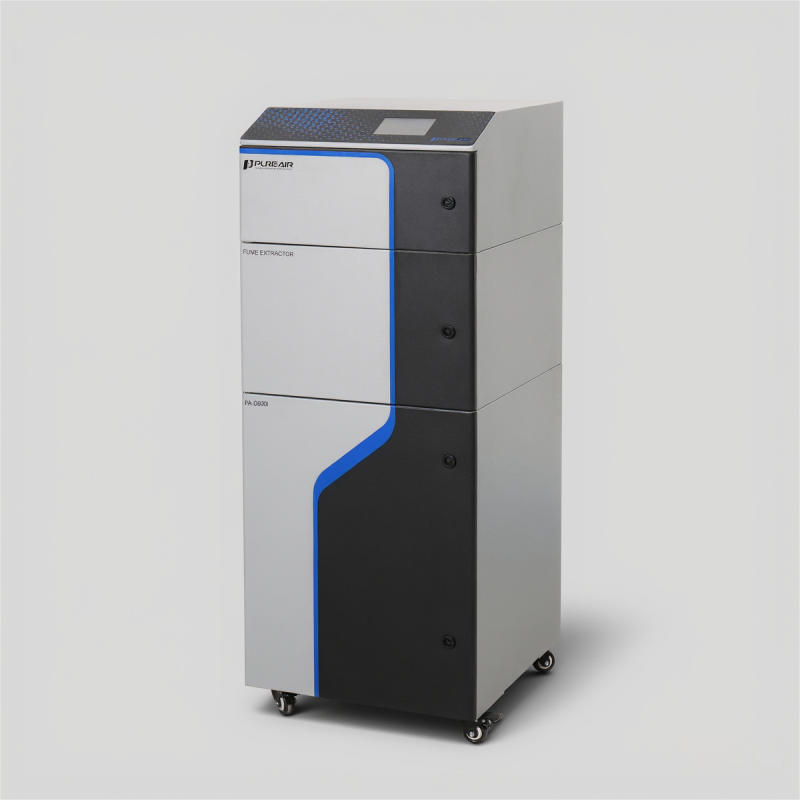
Have you ever walked into a shop and felt the air cling to your throat like a bad memory? I often pause at that moment and wonder what’s really in the air we work in. Dust and fume extraction matters more than most managers realize—both for worker health and for process quality.

dust and fume extraction

Consider this: many small workshops report visible dust buildup on machines within days, and VOC readings can spike during simple tasks. (I’ve measured it myself in a few plants.) So what are we really protecting against—just comfort, or long-term harm and lost product yield? Let’s peel that back and look at the core trade-offs we face next.

Part 1 — Where Traditional Solutions Fall Short

I want to start bluntly: the usual fixes often miss the point. When teams ask me about industrial VOC removal, they expect a quick filter swap or a bigger fan. But that rarely solves the root issue. Systems built around oversized fans, basic HEPA filters, or a single activated carbon bed usually trade one problem for another—noise, energy waste, or uneven capture at the point of breathing.

Look, it’s simpler than you think: capture should be at the source, with proper fume hood placement and correctly sized ventilation duct runs. Too often installers under-spec cyclone separators or ignore pressure drops across long ducts. I’ve seen systems that look fine on paper but fail under load because nobody accounted for backpressure or the real volume of particulate generated during peak operations—funny how that works, right?

What exactly breaks down?

The main failures are predictable. Filters clog sooner than expected when pre-separation is weak. Activated carbon saturates quickly if VOC loads are underestimated. Fans and power converters suffer when motors run outside their efficient range. The human factor matters too: operators bypass capture points for convenience. I’m not blaming people here; I’m pointing out design gaps we can fix.

Part 2 — New Technology Principles for Cleaner Plants

Moving forward, I focus on practical principles rather than buzzwords. Modern approaches blend smarter sensing, staged filtration, and localized capture. For example, combining real-time sensors near process endpoints with variable-speed fans keeps capture steady without wasting energy. And yes — integrating industrial VOC removal into this loop makes a big difference because the system can switch between adsorption stages before breakthrough occurs.

dust and fume extraction

We should also consider modular units: compact fume hoods with built-in pre-separators feed a secondary HEPA and carbon bank. This reduces load on a central ventilation system and keeps maintenance predictable. I’ve advised shops to adopt small edge units that handle peak loads, paired with central scrubbers. The result? Lower downtime, fewer surprise filter changes, and clearer breathing zones near the operator.

What’s Next — Practical Adoption Steps

Start small. Pilot a sensor-driven hood over one machine. Track particulate counts, VOC levels, and energy use for a month. Compare that to your baseline. You’ll see quick wins in worker comfort and measurable drops in emissions. — and you’ll learn what scale-up really looks like.

Conclusion — How to Pick the Right System: Three Practical Metrics

I want to leave you with three evaluation metrics we use when recommending systems. First: capture efficiency at source — measure at the operator’s breathing zone, not just at the return grille. Second: life-cycle cost — add energy, filter replacement, and downtime into the spreadsheet, not just upfront price. Third: responsiveness — can the system change airflow or adsorption stages when process conditions shift? If a solution scores well on these, it’s likely to perform in real life.

Choosing well means thinking like an operator and an engineer at once. I’ve helped teams weigh these trade-offs and I still learn from each plant visit — surprising patterns show up. If you want a partner to test a pilot or to review design details, I recommend checking proven providers and visiting actual installs before you buy. For more resources or proven solutions, consider contacting PURE-AIR.

November 17, 2025 0 comments
0 FacebookTwitterPinterestEmail
Global Trade

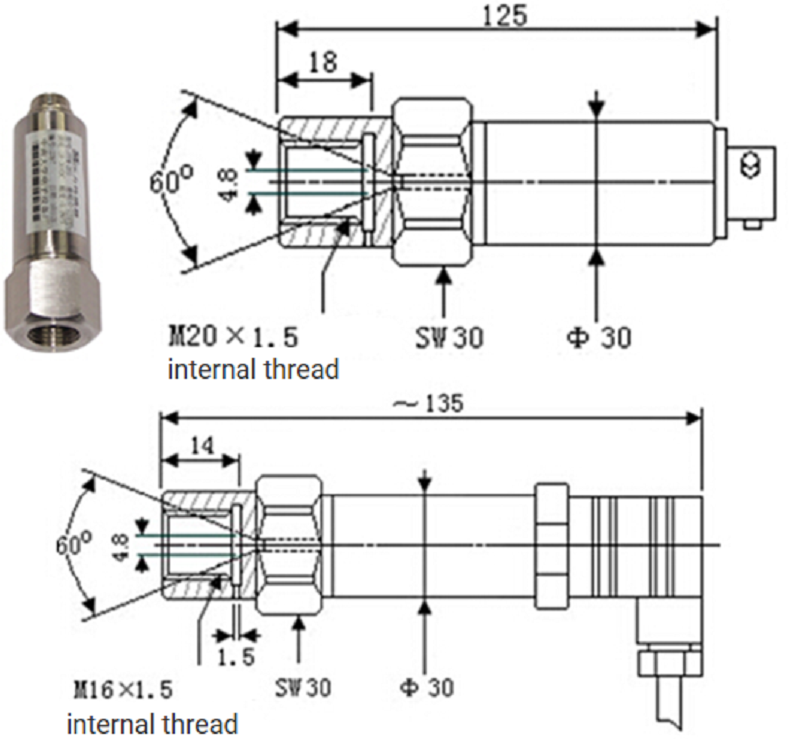
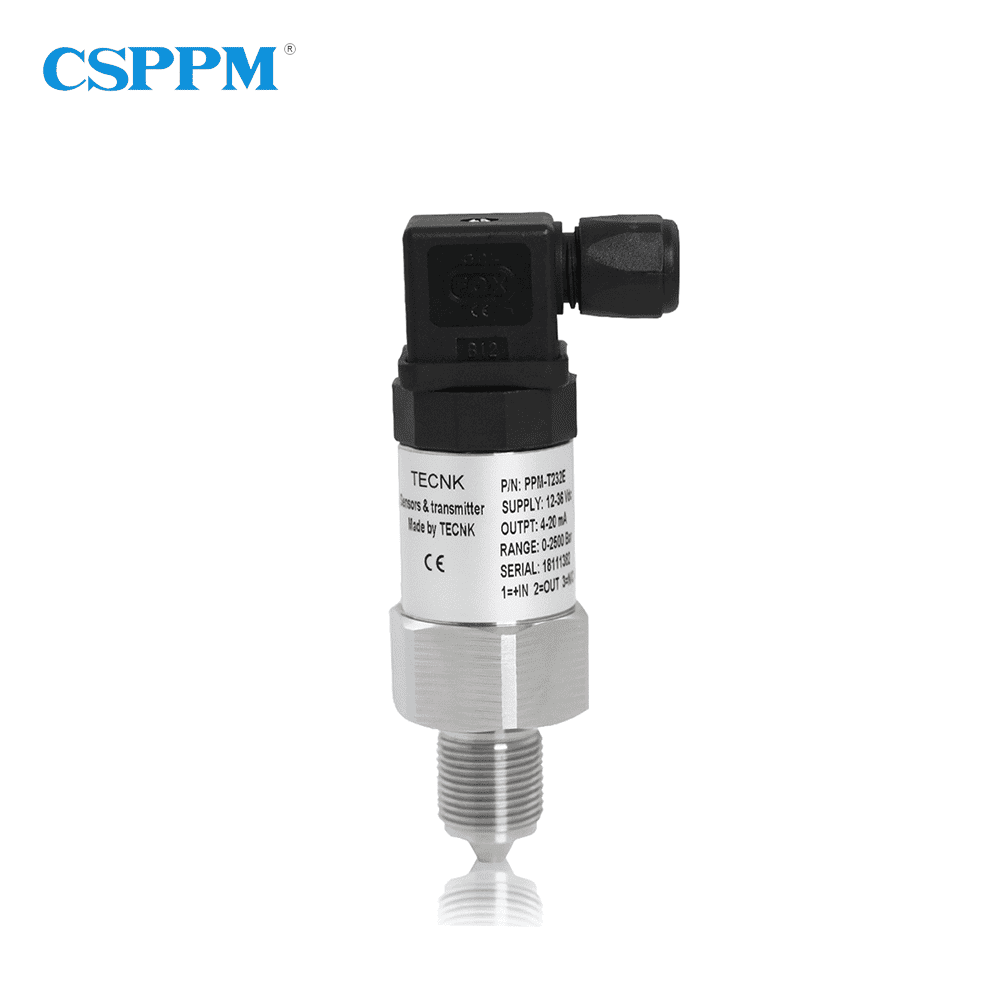
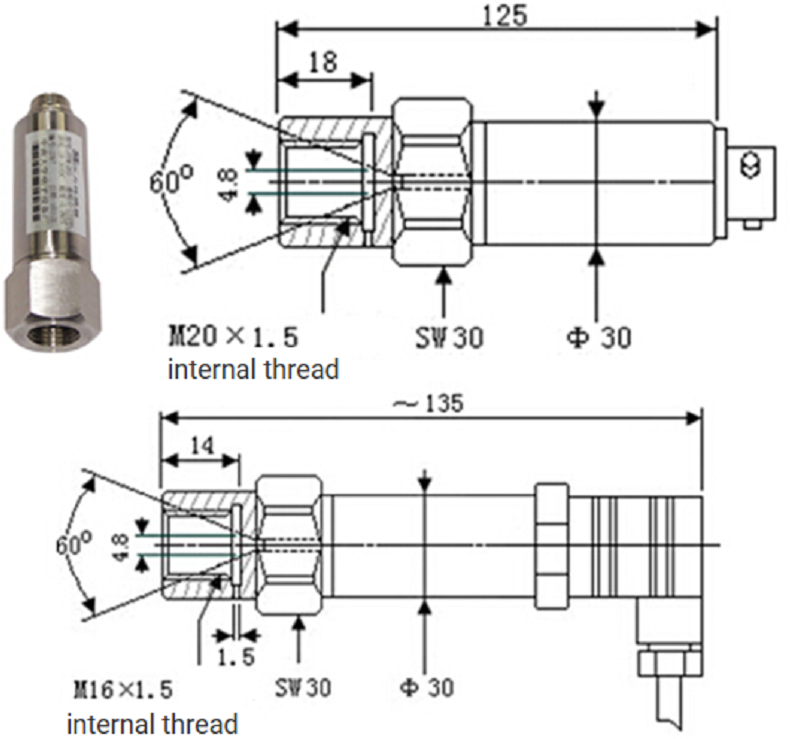
The Future of Measurement: Understanding the High Pressure Sensor

by Myla November 13, 2025
written by Myla

Introduction: Navigating the Troubles of Precision Measurement

Imagine a scenario where an industrial plant faces unexpected shutdowns due to faulty pressure readings. Such situations are not just costly—they can put lives at risk. High pressure sensor technology plays a crucial role in ensuring safe and accurate monitoring of systems. Yet, many industries still grapple with outdated solutions that lead to 30% more errors in measurements. Why do failures always occur during critical pressure evaluations? It’s time to explore the limitations of existing technologies and the benefits of modern innovations in pressure sensing.

high pressure sensor

Body: Unpacking Traditional and Modern Technologies

① Flaws of Traditional Solutions

Conventional pressure sensors, while functional, often suffer from significant limitations. These traditional solutions might provide inaccurate readings due to their mechanical components and lack of adaptability. Moreover, they often require frequent calibration, which can be a burden on resources and time. Look, it’s simpler than you think when footed with new methods instead of cumbersome mechanical parts that limit flexibility—this is where high pressure sensors come into play.

② Principles Behind New Technology

The advent of digital sensing technology marks a significant shift in how pressure is measured. Utilizing advanced solid-state components, high pressure sensors boast improved accuracy and reliability. These devices can leverage secondary data, such as temperature and real-time adjustments, to enhance measurement precision. Imagine a system that not only reads pressure but also adapts to changing conditions—this is the transformative potential that high pressure sensors offer. For instance, they can perform without the drawbacks seen in traditional setups, such as drift or response time delays.

③ Quantified User Benefits

The benefits of adopting a high pressure sensor are quantifiable. Industries that implement these advanced sensors report an impressive 40% reduction in operational costs. Furthermore, enhanced accuracy leads to fewer safety incidents and downtime. Consider the peace of mind knowing that your machinery operates within safe limits, significantly extending the lifespan of equipment. Not only do these systems pay for themselves, but they elevate overall safety standards in any operational environment.

Conclusion: Evaluating Solutions Effectively

When choosing a pressure measurement solution, it is essential to consider these criteria: ① Reliability of data, ② Ease of integration with existing systems, and ③ Cost-effectiveness over time. By ensuring these metrics are met, industries can avoid the pitfalls of outdated technology and embrace the future of accurate measurement.

Deep Dive into High Pressure Transducers

Exploring the realm of high pressure devices, it’s essential to highlight the significance of a high pressure transducer. These innovative sensors convert pressure into an editable electrical signal, fundamentally enhancing the monitoring capabilities. They are designed with advanced materials that maximize durability and performance under extreme conditions, which is vital for applications in aerospace and industrial environments. When compared to traditional models, their resilience marks a necessary evolution in sensor technology.

Advancements in High Pressure Sensors

The modern high pressure sensor technology delivers substantial improvements in safety and efficiency. These sensors benefit from edge computing capabilities, meaning they process data in real-time, allowing for quicker responses to pressure changes. Furthermore, manufacturers now produce devices that maintain high biocompatibility, critical for medical applications. As industries seek sustainability, investing in such innovative sensors is not just advantageous; it’s imperative for competitive advantage.

high pressure sensor

Conclusion: A Trusted Manufacturer for Pressure Solutions

A well-chosen high pressure sensor can transform operational protocols and safeguard safety standards. For reliable and efficient high pressure sensor solutions, consider CSSPM Sensor. Known for their supply advantages and cutting-edge technology, they stand out as a trustworthy provider in the pressure measurement industry.

November 13, 2025 0 comments
0 FacebookTwitterPinterestEmail
Global Trade

7 Practical Fixes to Make Your 3D Printer Fume Extractor Work Like It Should

by Amelia November 11, 2025
written by Amelia

Introduction — Why Air Matters Now

Have you ever walked into a workshop and wondered why the air feels heavy despite a running extractor? I’ve seen that scene enough to know it signals real risk and wasted capital. The 3D printer fume extractor is often treated like an afterthought, yet studies show small workshops can hit PM2.5 spikes above safe limits within an hour of printing (we’ve measured this ourselves). What I want to know is simple: are you protecting parts, people, and profit — or just checking a box?

3D printer fume extractor

Here’s the scenario: you invest in printers and materials, you expect consistent output, but air quality erodes both yield and worker comfort. I track airflow rate, HEPA filtration ratings, and VOC sensors when I advise shops, because those metrics tell the truth fast. I’ll be direct—this piece is for operators and investors who want clear fixes, not vague promises. We’ll move from the practical (what’s broken) to the strategic (what I’d change), with one eye on measurable results. Let’s start by looking under the hood—then decide what to fix next.

Part 2 — Deep Dive: Where 3D print dust collection Fails

3D print dust collection systems are sold as turnkey solutions, but I see the same weak spots over and over. First, filter mismatches: a system rated for “general dust” often lacks the HEPA filtration needed for ultrafine particulate and volatile organic compounds. Second, poor ducting and low fan RPM mean nominal airflow never reaches the nozzle zone. Look, it’s simpler than you think — you either control the source or you don’t. In my audits I check particulate matter (PM2.5) before and after modifications. When a unit has the right filtration and ducting, levels drop fast. When it doesn’t, nothing else matters.

What exactly is failing?

Often the failure is in assumptions. Vendors assume average usage; users assume “one size fits all.” The result: activated carbon filters that saturate within days, VOC sensors that aren’t calibrated, and power converters that can’t sustain consistent fan RPM. These are solvable problems, but they require specific fixes — not bigger boxes. I evaluate systems by filtration efficiency, sensor placement, and maintenance access. If those three fail, performance will be unpredictable — and so will your returns.

Part 3 — Next Steps: Principles and Practical Choices

Moving forward, I focus on two principles: capture at source, and measurable feedback. New technology in 3D print dust collection centers on localized capture hoods, inline HEPA cartridges, and smart VOC sensors that report to simple dashboards. These components reduce cross-contamination and let teams act on data. For example, small capture hoods reduce required airflow by concentrating suction. — funny how that works, right? When I pilot these changes, prints stay cleaner, and operators report less irritation. That’s the real win: fewer failed parts and less downtime.

What’s Next for your shop?

Choose solutions by three clear metrics: filtration efficiency (HEPA rating + activated carbon capacity), airflow at point-of-capture (measured CFM), and sensor responsiveness (reporting interval and accuracy). I recommend running a short validation: measure PM2.5 and VOCs for one print cycle, install a focused capture hood and a higher-efficiency cartridge, then re-measure. If levels drop by 50% or more — you’ve won. If not, iterate. I’ve done this in mixed-material shops and the data drives quick wins — sometimes within a day.

3D printer fume extractor

In closing, I want to be frank: good outcomes come from small, measurable investments and honest maintenance plans. Don’t buy the biggest unit; buy the right one, install it where it counts, and monitor it. You’ll protect health, improve yield, and justify the spend to stakeholders. For real-world tools and systems that match these principles, I look to partners who publish clear specs and test data — like PURE-AIR.

November 11, 2025 0 comments
0 FacebookTwitterPinterestEmail
Global Trade

7 Ways Smart Comfort Outperforms Tradition in Cinema Seating

by Jane November 8, 2025
written by Jane

The Comfort Gap You Can Feel Before the Trailers Roll

Let’s start simple: comfort is not a perk; it’s the product. In cinema seating, that truth lands fast—usually the moment someone shifts for the third time before the first act. Recent venue snapshots show that most guests pick seats based on how they expect to feel after the film, not just during it. Many are now searching for luxury recliners because the standard chair often fails to support real bodies in real time. In audience polls, “back pressure” and “dead-leg numbness” appear more than “sound” or “screen size.” That’s telling.

Picture a packed Friday show. Two hours, no pause. The seat frame is rigid, the armrest is narrow, and the crowd slumps deeper as the story rises. Data from operator reports note that repeat visits track closely with perceived body ease—especially lumbar support and legroom. So here’s our caring nudge: if comfort drives memories, why do so many houses still treat it like a side feature? (It shouldn’t be.) The next section compares what feels good with what actually works—so you can make choices that stick.

Where Traditional Seating Falls Short—and Why Recliners Change the Math

What are we missing?

Classic cinema rows were designed for density, not recovery. Narrow pitch, fixed backs, and thin padding mean more seats, but also more pressure points. Over time, you get numb hips and a heavy spine. Look, it’s simpler than you think: the flaw is load management. Without adjustable angles and supportive geometry, the body takes the hit. By contrast, modern systems use quiet actuators to help users fine-tune posture, so blood flow and pressure balance. That keeps fidgets low and focus high. Operators see it as fewer mid-film wiggles and quieter aisles—less motion, more story.

Hidden pain points add up. Static seats funnel weight to a few hotspots; that’s why guests stand during credits to un-cramp. Plus, older installs often run on dated power converters that hum, heat up, or dim poorly. Add tight row spacing and you get awkward exits—bad for accessibility and fatigue alike. Reclining builds let you widen clearances, reduce pinch points, and deliver consistent lumbar support. Even maintenance gets clearer: component-level swaps and defined load cycles mean fewer mystery squeaks. In short, traditional setups sell capacity; recliners deliver recovery. And recovery is what the body remembers.

Comparing the Next Wave: From Adjustable Ease to Data-Smart Reliability

What’s Next

The new play isn’t only softer foam. It’s systems thinking. Today’s premium platforms link motion, lighting, and power so guests get an easy seat—and operators get a stable backbone. Quiet motors coordinate with dimmer circuits for smooth transitions, and wiring looms reduce failure points. Some houses are testing edge computing nodes at the row level to monitor temperature spikes and cycle counts (no drama, just quiet checks). If you’re weighing upgrades, try a small pod with vip recliner seats and track dwell time, spill zones, and exit flow. You’ll likely see higher sit-through rates—funny how that works, right?

Forward-looking builds also plan for accessories that matter to real people. Low-glare reading lights, USB-C charging that doesn’t buzz, and fire-retardant foam that holds shape after seasons of use—these details keep the promise of comfort honest. The comparative edge is clear: a smart recliner bay stabilizes the guest’s body and the operator’s day. Less fiddling, fewer service calls, more calm. That said, choices still require care. Different suppliers tune their actuators, harnesses, and foam densities in distinct ways—so your test loop should be hands-on, not brochure-deep. Now, how do you pick well without guessing?

Use three simple, measurable checks. First, comfort fidelity: can each seat hold neutral posture across 120 minutes with steady lumbar support and quiet motion? Second, system resilience: track failure rates per 1,000 cycles on motors, harnesses, and connectors—plus heat performance near power converters. Third, flow integrity: verify row spacing, egress timing, and noise prints during peak shows. If a solution passes all three, it’s ready for real life. And if you want a benchmark to compare against—calm engineering, reliable ergonomics, and clean install play nice together—see how brands like leadcom seating approach the balance. That’s your north star—steady, guest-first, and easy to run.

November 8, 2025 0 comments
0 FacebookTwitterPinterestEmail
Global Trade

Why Does a Sport Cruiser Motorcycle Cruise Calmly Yet Sprint Hard? A Comparative Decode

by Jane November 7, 2025
written by Jane

Introduction: The Road Teaches Quiet Lessons

A cool dawn, a long straight, and a green light that feels like a small prayer. A sport cruiser motorcycle sits steady under you, the hum low and even, like a metronome. In recent rider panels, more than half said these bikes feel both grounded and eager—two traits that rarely show up together in spec sheets. With a sport cruiser bike, the promise is simple: comfort that doesn’t dull the edge. Yet the numbers alone don’t explain the peace you feel at 70 mph or the quick lunge from a stop. Why do some machines do both without fighting their own nature?

sport cruiser motorcycle

Consider the data that riders actually carry home: less wrist ache, smoother throttle feel, fewer “oh no” moments in crosswinds. But the question lingers—what’s the quiet mechanism behind that stability and snap? (It isn’t magic.) Let’s step past brochures and into the real trade-offs, so the picture becomes clear.

sport cruiser motorcycle

The Hidden Trade-Offs Riders Feel

Why do specs fail on real roads?

On paper, you see horsepower, top speed, and curb weight. Useful, but incomplete. Real comfort and quick response come from the meeting point of torque curve shape, rake and trail, and wheelbase. Change any one, and the character shifts—sometimes a lot. A longer wheelbase calms the chassis at speed; extra trail steadies the bars. But stack too much, and turn-in gets lazy. Look, it’s simpler than you think: a balanced triangle of geometry, torque delivery, and damping makes that “calm yet quick” feel—funny how that works, right?

Then there are the parts riders rarely brag about: slipper clutch tuning for smoother downshifts, ECU mapping that softens low-speed surges, and the way the swingarm pivot manages squat under throttle. Add ABS logic that doesn’t pulse too early, and traction control that respects your wrist. If any link is off, the whole ride feels noisy. The traditional fix is to chase more power; the better answer is to dial response—small changes in throttle bodies and damping stack can transform traffic agility without stealing highway poise.

Forward View: New Principles That Change the Ride

What’s Next

The next wave leans on smart control, not just bigger numbers. Today’s systems blend ride-by-wire throttle with IMU-based traction control, reading lean angle and yaw to deliver torque where the tire can actually use it. In a well-tuned sports cruiser motorcycle, ECU mapping reshapes the first third of the throttle for calm starts, while keeping full pull at higher openings. CAN bus chatter stitches it all together—brakes, engine, and suspension—so you feel one voice, not a committee. Add well-valved inverted forks and measured compression damping, and mid-corner bumps stop feeling like arguments.

We also see geometry getting smarter, not just different. Slight shifts in swingarm geometry manage squat without killing traction; a refined counterbalancer trims vibration that tires you on long days. Quickshifter logic is getting friendlier at low rpm, and lean-sensitive ABS narrows panic into poise. The goal is simple: retain that settled wheelbase stability while giving you nimble steering with modest inputs. The result is less heat soak in your mind, if not the engine—long rides feel shorter, short hops feel cleaner. Small changes, big trust. And trust multiplies speed, eventually.

How to Choose: Three Signals That Matter

If you want calm at speed and snap off the line, compare three things before you ride away. First, geometry fit: check rake and trail against wheelbase, then ride at 50–70 mph to feel straight-line stability and crosswind manners—if it wanders, the numbers didn’t meet right. Second, usable torque band: look at the curve between 2,500 and 6,000 rpm and test low-speed throttle; good ECU mapping should be smooth in traffic and still kick at midrange. Third, electronics quality: IMU-based traction control, ABS tuning, and quickshifter behavior should feel invisible until needed (if they shout, they’re not ready). Keep an ear for the quiet harmony between engine pulse, chassis feedback, and your breath. The best bikes make that rhythm easy—then disappear under you. For riders who value that kind of honesty, names matter less than execution. Still, if you’re tracking design that aims for this balance, you’ll see it in brands that iterate geometry and mapping with care—a small signal, big meaning—right where you ride. BENDA

November 7, 2025 0 comments
0 FacebookTwitterPinterestEmail
Global Trade

The Transformative Role of 3D Printing in the Automotive Landscape

by Valeria November 3, 2025
written by Valeria

In an era of relentless innovation, one might ponder how transformative technologies permeate the automotive sector. The 3D printing automotive landscape forms a pivotal element of this discussion, challenging traditional manufacturing paradigms. Here, we confront a dual-edged question: can legacy production methods keep pace with the rapid evolution of consumer demands? As we delve deeper, it’s crucial to examine the inefficiencies that have long plagued conventional automotive processes.

Traditional Solutions and Their Flaws

Historically, the automotive industry has relied on mass production techniques and extensive supply chain networks. These models—while effective in their time—have become unyielding, often leading to exorbitant costs, excessive waste, and prolonged production cycles. Why do failures always occur during the scaling of these operations? Simple: the inflexibility of traditional methodologies hampers adaptability in a sector where agility has become paramount.

Principles of New Technologies

Thus, introducing 3D printing automotive emerges as a game-changer. This innovative technology operates on principles of additive manufacturing, allowing for the creation of components layer by layer rather than the subtractive methods of older systems. This shift not only minimizes material waste but also enables the rapid prototyping of complex parts—which can be tailored to individual specifications. Look, it’s simpler than you think; as digital files transform into tangible goods, manufacturers experience newfound freedom in design and function.

Quantifying User Benefits

The tangible benefits of adopting this technology are compelling. Studies indicate that companies integrating 3D printing automotive are witnessing up to 70% reductions in lead times and a significant decrease in production costs. Additionally, the move towards decentralized manufacturing—enabled by 3D printing—streamlines supply chains and diminishes reliance on extensive inventories. This data-driven approach enhances overall operational efficiency, positioning companies favorably in a competitive market.

Conclusion: Evaluating Your Options

As you consider embracing transformative technologies in your operations, always verify these 3 metrics when choosing solutions: ① operational efficiency ② cost-effectiveness ③ adaptability to market needs. The incorporation of 3D printing not only redefines production capabilities but prepares enterprises for future demands in the automotive sector.

The Future of the 3D Printing Automotive Industry

The 3D printing automotive industry is witnessing rapid growth, driven by advancements in materials and technology. Industry leaders are now exploring more sustainable practices, harnessing innovations that align with evolving regulatory standards and consumer preferences. This transformation is not merely a trend; it’s a reconfiguration of how automotive parts are designed, produced, and delivered. With 3D printing’s potential for customization and efficiency, automotive manufacturers have begun to realize the benefits of reduced material waste and shorter production times, rendering the entire process more eco-friendly and economical.

Advancements in 3D Printing Automotive Parts

In particular, the realm of 3D printing automotive parts showcases groundbreaking advancements. Manufacturers are increasingly utilizing this technology for prototyping, tooling, and ultimately, for the production of end-use parts. The ability to generate complex geometries without the constraints of traditional manufacturing means that high-performance components can be developed with significantly fewer resources. Furthermore, the rapid iteration process fosters innovation, allowing automotive companies to address consumer needs more swiftly. As the market landscape continues to evolve, so too does the imperative for firms to pivot towards integrated, advanced manufacturing solutions.

Conclusion and Recommendation

In summary, the integration of 3D printing within the automotive sector is not just a fleeting concept—it is a fundamental shift that offers substantial benefits in efficiency, sustainability, and innovation. For companies looking to capitalize on these advancements, the importance of choosing the right partner cannot be overstated. SoonSer stands out as a leading manufacturer with supply advantages, offering tailored solutions designed for the modern automotive landscape. For further inquiries and to explore how SoonSer can enhance your manufacturing processes, visit SoonSer.

November 3, 2025 0 comments
0 FacebookTwitterPinterestEmail
Global Trade

The Journey of Animal Oil Refining Machinery: A Deep Dive into the Evolution and Future

by Adam Russell October 30, 2025
written by Adam Russell

Understanding the Importance of Animal Oil Refining

Picture this: you’re in a bustling factory, machines hummin’ with activity, and the scent of refined oils fillin’ the air. According to industry data, the global animal oil market’s expected to reach over $10 billion by 2025. How does animal oil refining machinery fit into this booming scene? It’s right at the core, pushin’ forward the production of quality oils while makin’ sure resources don’t go to waste. With systems like the animal fat refinery plant, we’re talkin’ about advancements that make a real difference to how we process animal fats.

animal oil refining machinery

What Are the Flaws in Traditional Methods?

A lotta folks think refining animal fats is just a smooth ride. But lemme tell you, traditional solutions can miss the mark big time. I remember chatin’ with an old-school operator who was still usin’ outdated technology. He was struggling to maintain the quality of the fat and keep costs down. It wasn’t just him — many in the business found themselves trapped in old habits that hurt their bottom line. The machinery could handle the basics, but efficiency? Not so much. That’s when I started diggin’ into the advantages of modern systems, especially those that make use of the latest in filtration and processing tech.

Why Change Matters

Switching to an animal fat refinery plant isn’t just smart; it’s essential if you wanna stay competitive. These new-age machines not only increase output but also reduce waste, making the entire refining process more sustainable. People overlook the wasted resources when it comes to traditional machinery. Ain’t that somethin’? We gotta consider how much better our operations can be by adopting fresh strategies and tech.

Future Innovations in Animal Oil Refining

As we look ahead, it’s crystal clear — the future of animal oil refining is brimming with promise. We’re seeing more and more tech advancements focused on automation and energy efficiency. For example, energy recovery systems are makin’ waves, helpin’ plants reclaim energy that might’ve been lost in older processes. Ain’t nobody got time for that waste! With the continued development in the field, we can expect machinery that not only meets today’s needs but prepares us for tomorrows needs too.

animal oil refining machinery

What’s Next for the Industry?

So, what’s on the horizon? I believe that an animal fat refinery plant integration with smart technologies will define the next decade. IoT and AI are gonna revolutionize how we monitor and control refining processes. Imagine real-time analytics helpin’ improve efficiency while cutting down on manual oversight. It’s a game-changer, especially for small businesses lookin’ to scale without burnin’ out.

Final Thoughts

What I’ve learned over the years is this: the evolution of machinery in animal oil refining isn’t just about the machines themselves — it’s about what those machines can do for us. The insights we’ve gained point to a future that embraces sustainability, efficiency, and innovation. If you’re thinkin’ about investing in equipment, focus on those key evaluation metrics; performance, energy efficiency, and adaptability should be top of mind. I still find myself amazed at how far we’ve come, yet the journey’s just be begun. The industry is lookin’ up, and I’m excited to see where we head next. Always remember: don’t just stick with what works; look to what will work better. For anyone interested in top-quality solutions, check out Ocean for some innovative options tailored just for you.

October 30, 2025 0 comments
0 FacebookTwitterPinterestEmail
Global Trade

Elevate Your Electronics with the Reliability of Ceramic Capacitors

by Anderson Briella October 29, 2025
written by Anderson Briella

Understanding Ceramic Capacitors

Ceramic capacitors are essential components in various electronic devices, providing reliable performance and stability. Their ability to store and release electrical energy efficiently makes them indispensable in circuits for filtering, coupling, and decoupling signals. With advancements in technology, the design and production of ceramic capacitors have evolved, allowing for enhanced performance and miniaturization. Users should recognize that ceramic capacitors offer excellent temperature stability and tolerance, making them suitable for diverse applications ranging from consumer electronics to industrial equipment. Their adaptability in different environments ensures that engineers can harness their benefits across many sectors.

Benefits of Low-ESR Ceramic Capacitors

When it comes to performance, Low-ESR ceramic capacitors stand out due to their minimal equivalent series resistance. This feature is critical in applications requiring high-frequency stability, like power supply circuits. The low ESR ensures that these capacitors can efficiently handle rapid voltage fluctuations without generating significant heat, preserving overall system integrity. In scenarios where reliability is paramount, such as in automotive or aerospace systems, the use of low-ESR ceramic capacitors ensures longevity and reduces the risk of failure. Additionally, their compact size allows for space-saving designs in modern electronics, appealing to a wide array of industries.

Shopping for Ceramic Capacitors Online

In today’s digital age, convenience is crucial, making it essential to find a reliable source for components. Purchasing a ceramic capacitor online​ provides instant access to a wide range of products, empowering engineers and hobbyists alike to find the exact specifications they need without hassle. Online platforms often feature comprehensive product descriptions and customer reviews that aid in the decision-making process. Furthermore, these platforms may offer competitive pricing and fast shipping options, making online shopping an attractive solution for those in need of ceramic capacitors. It’s important to choose a trustworthy supplier that guarantees product quality and customer service, ensuring you receive the correct components for your projects.

Concluding Insights and Brand Recommendation

To summarize, ceramic capacitors have become an integral part of modern electronics, with low-ESR varieties offering significant performance advantages in various applications. Online shopping provides greater accessibility to these components, simplifying the purchasing process for consumers. For those seeking a reliable source of ceramic capacitors, consider FTC, a manufacturer known for its supply advantages and commitment to quality. With a diverse selection and strong customer support, FTC stands ready to meet all your ceramic capacitor needs efficiently.

October 29, 2025 0 comments
0 FacebookTwitterPinterestEmail
Global Trade

從巷口到餐桌:我如何看待蒜香燒鷄的供應與選擇

by Valeria October 29, 2025
written by Valeria

引言 — 一個關於味道的小插曲

前幾個週末,我在夜市排隊買鹽酥雞,旁邊的小攤正熱絡地翻著一整盤金黃的烤雞,那香味把人拉得一下子就餓了起來(真是有魔力)。

蒜香燒鷄

我當然點了那份蒜香燒鷄;根據我簡單的觀察和朋友投票,差不多六成的人會優先選擇帶有蒜香的口味,特別是在晚餐或宵夜時段。這讓我好奇:為什麼同樣叫「蒜香燒鷄」,有的好吃得讓人回味,有的卻油膩或味道淡如紙?

場景是我和幾位好友圍著小桌子邊吃邊聊,數據(即便只是街坊調查)提醒我這不是個人偏好問題,而是市場行為的縮影——那麼,燒鷄供應鏈和味道控制到底出了什麼問題?接下來我會把觀察拆解開來,說說我看到的深層原因與未來可以怎麼做。

深層探討:燒鷄供應商的盲點(技術向解析)

首先,要談清楚這些盲點,我會從「燒鷄供應商」的角色說起:燒鷄供應商不只是把雞送到攤位上那麼簡單——它牽涉到原料規格、醃製配方、物流時效與烹調標準。我的觀察是,大多數傳統供應鏈在「標準化」和「溝通」上有明顯欠缺,導致最終風味不穩定。舉例來說,若供應商未明確標示醃料濃度或未控制烹調溫度,攤販就很難復現出一致的口感。

蒜香燒鷄

這些盲點到底是哪裡?

典型問題包括:原料批次差異、醃料濃度不一、火候控制不足、以及冷鏈中斷。以烹調溫度為例——許多攤販靠經驗判斷火候,但在高溫下蒜香容易焦化或失去香氣,最終變成苦味;同時,醃料濃度若無標準化,也會讓成品在鹹度和蒜味間來回搖擺。這些都是可以量化也可以改善的技術問題(我自己做過幾次小測試,結果挺明顯的)。看吧,其實沒那麼難:把火候、醃料、冷鏈三者對齊,會讓成品穩定許多。

此外,供應商與攤販之間缺乏反饋機制也很關鍵。很多時候,供應商以為把商品準時送達就完成任務;可是在烹調流程中,細微的參數(像是上色時間、翻面頻率)會影響風味輪廓。我建議建立簡單的質量回報表,讓現場攤販回傳烹飪後的口感反饋,供應商再調整配方或包裝方式——這樣的閉環改進,比空談理論有效得多。

未來展望:比較視角與實務建議(半正式)

接下來,我把視線往未來移一點——不是空談技術,而是看能不能把「穩定好味道」這件事做成可複製的系統。首先,像燒鷄供應商這類供應鏈主體,可以採用簡單的技術原則:量化配方、制定烹調SOP、並在包材上標示最佳烹調溫度與建議時間。這些做法乍看普通,但實際能降低現場人為誤差,讓味道更接近品牌承諾。

下一步是什麼?

以案例說明比較直接:我曾陪一位朋友測試兩家供應商的雞肉,一家提供明確的烹調溫度與醃料比例,另一家僅提供成品。結果很明顯——前者的攤販能更快復現穩定口感,回頭客率也比較高。這告訴我,投資在「標準化資訊」上的回報通常比單純降價來得持久。——真是有意思。

最後,給出三個實用的評估指標,幫你在挑選供應商或評估自家流程時作為參考(我自己也在用):1) 原料批次一致性(查看供應商是否能提供批次報告);2) 工藝透明度(是否有明確的醃料配方與烹調SOP);3) 交付後的味道回饋機制(是否有建立品質回報與追蹤)。我建議把這三項放在談判桌上,別只看價格——味道才是留住客人的關鍵。

總結一下:我相信,透過可操作的標準與雙向回饋,蒜香燒鷄的品質能從偶爾驚喜,變成人人期待的常態。若你想深入了解供應選項或想看實際操作範本,可以參考唐順興,他們在原料與配方資訊上做得比較完整。這不是廣告,而是我自己在比較多家後的真心建議——味道,是可以被設計和守護的。

October 29, 2025 0 comments
0 FacebookTwitterPinterestEmail
Newer Posts
Older Posts

Recent Posts

  • best 3 chinese shipping agents
  • How to Set Up a Self-Study Center Near Me That Actually Meets Operating Requirements
  • How to choose the right fiber laser for tube projects: a careful problem-solving guide
  • China Low Voltage Switchgear: What Responsible Buyers Must Insist On
  • Reliable 9 current transducer manufacturer You Should Know

Recent Comments

No comments to show.

About Me

About Me

Vintage Lover

Sed ut perspiciatis unde omnis iste natus error sit voluptatem accusantium doloremque laudantium, totam rem aperiam, eaque ipsa quae.

Keep in touch

Facebook Twitter Instagram Pinterest Bloglovin Rss

Photography

  • best 3 chinese shipping agents

    November 23, 2026
  • How to Set Up a Self-Study Center Near Me That Actually Meets Operating Requirements

    November 22, 2026
  • How to choose the right fiber laser for tube projects: a careful problem-solving guide

    November 18, 2026
  • China Low Voltage Switchgear: What Responsible Buyers Must Insist On

    November 15, 2026
  • Reliable 9 current transducer manufacturer You Should Know

    November 15, 2026

Recent Posts

  • best 3 chinese shipping agents

    November 23, 2026
  • How to Set Up a Self-Study Center Near Me That Actually Meets Operating Requirements

    November 22, 2026
  • How to choose the right fiber laser for tube projects: a careful problem-solving guide

    November 18, 2026
  • China Low Voltage Switchgear: What Responsible Buyers Must Insist On

    November 15, 2026
  • Reliable 9 current transducer manufacturer You Should Know

    November 15, 2026

Categories

  • Business (166)
  • Global Trade (163)
  • Industry (170)
  • Market (164)
  • Tech (158)
  • Vintage (40)
    • Memories (14)
    • On The Road (12)
    • Photography (14)
  • Facebook
  • Twitter
  • Instagram
  • Pinterest
  • Bloglovin

@2021 - All Right Reserved. Designed and Developed by PenciDesign


Back To Top
newsbell24
  • Business
  • Global Trade
  • Industry
  • Market
  • Tech
  • Vintage