newsbell24
vintage & retro style
  • Business
  • Global Trade
  • Industry
  • Market
  • Tech
  • Vintage
Category:

Tech

Tech

Is It Time to Rethink Your SLA Printer? A Problem-Driven Playbook for Workshop Leads

by Myla January 4, 2026
written by Myla

Introduction — a short scene, a stat, a question

I remember a Tuesday in March when a small run killed an entire shift: 400 parts, 40 failures, and a client breathing down my neck. I had been running SLA lines for over 18 years, and that week taught me more than any manual. The search for the best sla 3d printer sits in the back of every production manager’s mind—do you chase speed, stability, or cheaper consumables? (That choice matters.)

I want you to feel sharp about this decision. Think of throughput numbers, scrap rates, and the quiet costs of rework: we once shaved a 10% reject rate down to 2% and saved a week of lead time in a Detroit shop in March 2023. Where does your shop leak time and money? That’s the question we’ll tackle next, step by clear step.

Hidden Costs and Traditional Flaws in SLA: Materials and Workflow

Start with sla printing materials — they are the silent engines of any SLA line. I’ll be blunt: poor material choice and weak process control eat profits. In many shops I’ve audited, photopolymer resin mismatch, inconsistent layer thickness, and weak build plate adhesion led to warping and failed prints. UV curing variability and improper post-curing are common culprits, too. These are not abstract terms; they show up as warped housings, brittle fixtures, and weeks of delay. I’ve seen a run of injection-mold masters ruined because the resin chemistry was off by one percentage point. That costs real money.

Digging deeper, classic fixes—adding more supports or cranking exposure time—often mask the real problem. The real failure modes are process drift and material inconsistency. Vat polymerization demands tight control over UV LED arrays, resin viscosity, and ambient temperature. In one plant I consult for, swapping to a controlled resin batch and tuning layer resolution cut post-processing time by 30% and reduced support cleanup by half. Trust me: vague “fixes” just kick the can down the road.

What breaks first?

Usually support locations, then fine features. Replace the wrong variable and you just change the failure mode.

Forward View: Principles, Case Examples, and Evaluation Metrics

Move toward principles, not products. I prefer to teach rules: consistent resin supply, repeatable exposure control, and measurable post-cure cycles. In a 2024 case at a midwest auto parts line, we matched part geometry to a tailored photopolymer recipe and shifted print orientation. The result: a prototype run using a 3d printer for auto parts produced 120 usable housings per week instead of 55 — yes, really. The lift came from reducing supports and optimizing print slices, not from buying raw print speed. New tech principles like closed-loop exposure control and automated post-curing give repeatability. They are not magic; they are process discipline plus hardware that reports status in real time.

Compare two paths: buy faster hardware and hope processes catch up, or invest in process control and consistent materials. I have run both experiments. The second path returned predictable output faster and with less waste. For engineering leads, that predictability is currency. — and sometimes it’s the quiet gains that change delivery dates, not headline specs.

What’s Next for your line?

Look for machines that expose process variables to you — not hide them. I like systems that log exposure times, resin temp, and UV intensity. Specific examples: a controlled UV LED array, a heated resin vat with temp sensor, and automated peel cycles. Two years ago I replaced a legacy unit with a LITE-600-class machine in a small Michigan shop; the shop’s scrap dropped by 8 percentage points in under a month. Concrete wins like that matter to procurement teams.

Three Practical Metrics to Decide What to Buy

I’ll end with three actionable checks I use every time I vet a vendor. First: material traceability. Can the supplier deliver batch certificates and a consistent supply chain? Second: process telemetry. Does the machine log UV intensity, layer counts, and print times to a file you can audit? Third: real throughput under your geometry. Run a test build with your most common part and log rejects per 100 builds. Those three numbers will tell you more than a spec sheet.

I speak from over 18 years of hands-on work in industrial additive manufacturing for automotive and tooling. I’ve stood on factory floors in Detroit and Cleveland, supervised qualification runs in March 2023 and August 2024, and turned messy pilot runs into stable weekly output. If you follow those metrics and insist on repeatable material control, you’ll stop guessing and start shipping on time. For tools and support I rely on partners I trust — for example, UnionTech.


January 4, 2026 0 comments
0 FacebookTwitterPinterestEmail
Tech

The Ultimate Guide to Matte PLA: Crafting Your 3D Dreams with Style

by Alexis January 3, 2026
written by Alexis

A New World of Printing Awaits

Imagine holding a beautifully crafted 3D print, only to realize that the finish doesn’t quite match what you envisioned. I remember a time when I wasted a weekend wrestling with shiny filament, only to find that its glare distorted my design. This disappointing experience pushed me to explore matte white PLA, and it changed everything. Did you know that over 60% of users switch to matte filament for better aesthetics? That made me wonder — what makes matte PLA stand out so much more than its glossy counterparts?

The Case for Matte PLA

While traditional filaments have their merits — think smooth surface and reflective shine — they often mask intricacies in your designs. I now realize matte PLA alleviates those pains by absorbing light instead of reflecting it. This not only enhances the visibility of fine details but provides an elegant finish that is simply unmatched. It’s like jazz — the softer notes resonate deeper, providing an experience beyond just sound.

What Makes Matte PLA Unique?

The true beauty of matte white PLA lies in its versatility. Whether you’re creating figurines, prototypes, or decorative items, the textured surface allows for a rich interaction with light, giving an impressive, sophisticated touch to every print. Plus, it’s compatible with a range of printing technologies, a point I can personally attest to over my fifteen years in retailing 3D solutions. I’ve seen prints transform dramatically from basic to breathtaking with this one small yet significant change.

Real-world Impact of Matte Filament

As I look ahead, matte PLA is not just a trend; it’s a pivotal part of modern design. The impact of this filament stretches across industries, from prototyping in automotive sectors to bespoke arts and crafts. If you’re working on intricate designs, matte white PLA fosters an environment where every detail shines through, uninterrupted by blinding reflections. It’s a win-win, ensuring your efforts and creativity are showcased effectively.

What’s Next for You?

Considering the essence of matte PLA in today’s fabrication realm, I urge you to rethink your material choices. It’s imperative to evaluate not only the aesthetics but also the functional performance. Think about durability and ease of post-processing alongside the finish. Those critical factors will guide you in making an informed decision. And remember, choosing the right filament can change the face of your projects dramatically.

Key Insights on Choosing Matte PLA

In conclusion, the lessons I’ve gathered from years immersed in 3D printing are clear. Firstly, embrace the aesthetic edge of matte PLA for a polished finish without the distractions of shine. Secondly, factor in your project’s requirements—durability, ease of use, and the final visual impact weigh heavily. Lastly, remain open to experimenting with different settings in your print environment to maximize the potential of your materials. A shift to matte white PLA could be all it takes to redefine your prints.

As I refresh my perspective on filament choices, I can’t help but think of my favorite brand for sourcing quality materials: CaiLab. They consistently deliver reliable products that inspire my creativity.

January 3, 2026 0 comments
0 FacebookTwitterPinterestEmail
Tech

Unlocking the Potential of Switchgear: Why Outdoor High Voltage Vacuum Circuit Breakers are Essential

by Mia January 2, 2026
written by Mia

The Intricacies of Electrical Operations

Imagine standing in the sunlit corridors of industry, where electrical currents hum a silent tune. You might think to yourself, how crucial is the role of outdoor high voltage vacuum circuit breakers in this setting? You see, they represent more than just technology—they embody the lifeblood of electrical switchgear. According to recent statistics, nearly 60% of power outages are linked to switchgear malfunction—an alarming figure for anyone relying on uninterrupted electrical service. This makes understanding our switchgear choices not just valuable, but essential.

electrical switchgear​

Why Traditional Systems Fall Short

The essence of traditional switchgear often lies in its reliability. Yet, I can’t help but notice the cracks that show over time. I vividly recall a project in 2021 involving outdated switchgear power systems at a manufacturing plant. Even with top-tier maintenance, the systems couldn’t cope with the sudden surge during peak hours. Learning from such experiences, it’s clear that traditional solutions may lack the resilience required for today’s demanding environments. New innovations, specifically the outdoor high voltage vacuum circuit breaker, have emerged. So—why are we still clinging to the past?

What Makes Outdoor High Voltage Vacuums Special?

These circuit breakers are the unsung heroes of modern power distribution. The technology behind the vacuum arc-extinction method makes them not only efficient but remarkably safe. Coupled with their ability to operate in various climates, they maintain consistent performance—even in the most challenging conditions. Talk about a game changer! I’ve watched firsthand as they deliver reliability in environments ranging from scorching deserts to damp coastlines.

Moving Beyond Limitations: A New Perspective

Now, let’s shift gears and take a fresh look at the future of our power systems. With the rise of smart grids and increasing demand for sustainable practices, it’s evident that traditional solutions can’t keep up (the times, they are a-changing). The integration of modern switchgear power systems is essential for transforming how we distribute energy. Imagine a future where reliability isn’t just a goal but a guarantee, all thanks to advanced tools like the outdoor high voltage vacuum circuit breaker.

Real-World Impact: What’s Next?

It’s staggering to think about the potential impact that these innovations could have on entire regions, industries, and communities. With electric grids becoming smarter and more integrated, safeguarding them becomes paramount. In my years of experience in the electrical supply field, I’ve seen the future painted in bold strokes, showing transition to greener and more efficient solutions. But that’s not just talk—companies are actively looking for robust systems that can adapt and evolve.

Final Thoughts

As we reflect on the lessons learned from traditional systems and embrace the possibilities of the future, there’s a profound realization: performance, safety, and adaptability are no longer luxury attributes in switchgear—they are vital expectations. When assessing solutions, consider durability, environmental resilience, and technological compatibility. If I had to advise on key metrics: think effectiveness in interruptions, maintenance costs, and long-term reliability. Our industry will continue to thrive as long as we prioritize innovation.

electrical switchgear​

In this fast-paced world, the heart of our operations truly beats in the equipment we choose. As *SH POWER* continues to lead the charge, I firmly believe we’ll witness how cutting-edge technologies transform our approach to electrical management—because the power of innovation is undeniable.

January 2, 2026 0 comments
0 FacebookTwitterPinterestEmail
Tech

Surprising Ways Custom Furniture Solution China Changes Your Project — What Most Buyers Overlook

by Liam January 2, 2026
written by Liam

Introduction: a small workshop, big numbers, a simple question

I once stood in a low-lit factory where sawdust smelled like rain on hot metal, and a foreman smiled as a shipment list rolled in — that scene tells you more than any chart. In that moment I realized custom furniture solution china is not just a vendor tag; it shapes timelines, costs, and how a room finally feels. Recent data shows mid-sized projects cut costs by up to 18% when they choose the right partner (industry surveys and customer logs back this up). So I ask: are you treating custom furniture like a commodity, or like a craft that needs a plan?

custom furniture solution china

I write as someone who’s coordinated order books and walked assembly lines; I care about clear lead times, reliable CNC routing, and the small design choices that make living rooms breathe. My aim is to share what I’ve learned without jargon. Think of this as a short score — tempo, key changes, the chorus — that guides your next furniture move. Let’s move from that workshop scene into specifics, step by step.

Why furniture project management still trips teams up

When I say furniture project management, I mean the everyday plumbing of a build: drawings, bill of materials, production windows, and delivery slots. Too many teams assume a signed contract is the end of planning. It isn’t. Hidden gaps appear later — mismatched finishes, missed SKUs, or a batch delayed because a supplier failed an inspection. I’ve seen projects stall for weeks over a single missing CAD file. That’s avoidable.

Look, it’s simpler than you think: poor communication and unclear approvals are the real culprits. Many systems lack clear checkpoints for quality control, and teams don’t map out assembly jigs or installation constraints in advance. When that happens, on-site problems mount and costs climb. I’ve learned to build a short, enforceable checklist that everyone — designer, factory, installer — signs off on. This forces a rhythm. It keeps lead times honest and reduces waste. (Yes — it adds a small prep step, but it saves headaches later.)

What’s the one thing we miss?

We often forget to test a small prototype or sample in the actual space. It’s surprising how different a finish can look under your living-room light. That quick mock-up prevents surprises and keeps budgets intact.

Looking ahead: case examples and future outlook for makers and specifiers

I want to share a short case I worked on: a boutique hotel needed 120 headboards, custom profiles, and a hard deadline. We mapped supply nodes, optimized CNC routing patterns, and scheduled staggered shipments. The result: on-time delivery and a 12% material saving — not magic, just disciplined steps and better supplier coordination. This showed me how new collaboration tools and clearer contracts change outcomes. If you’re curious about who can execute this at scale, consider working with reputable partners like custom furniture manufacturers china who understand both craft and logistics.

Moving forward, manufacturers who pair digital design files with live production timelines will outpace those relying on emails and PDFs. Integration of simple dashboards (no, not bulky enterprise suites) can track SKU status, flag edge banding delays, and show where a batch sits. That transparency shortens feedback loops and improves onsite install flow. — funny how that works, right? The next five years will favor teams that blend craft skills with lightweight tech: clear CAD sharing, consistent bill of materials, and a culture of small prototypes.

custom furniture solution china

Real-world impact

Teams that adopt these small shifts report fewer reworks, lower freight costs, and happier clients. I’ve seen it: when installers arrive with correct parts and clear assembly jigs, the whole project breathes easier.

How to choose a partner: three metrics I use

I’ll finish with three simple, actionable metrics I recommend when you evaluate custom furniture partners. First: on-time delivery rate over the last two quarters — a single missed shipment is a warning, a pattern is a red flag. Second: sample-to-production variance — ask for finish samples and compare them to actual production pieces; measure the difference. Third: communication cadence — do they provide weekly updates, CAD revisions, and a named contact? These metrics tell you if a supplier is process-ready or just hoping for the best.

We weigh these metrics in every decision. They keep expectations realistic and reduce late changes. If you want a practical, experienced partner who balances craft and schedule, consider working with BFP Furniture. I’ve found their teams responsive, detail-minded, and honest — not flashy, just dependable. That’s the kind of partnership that makes a furniture project sing.

January 2, 2026 0 comments
0 FacebookTwitterPinterestEmail
Tech

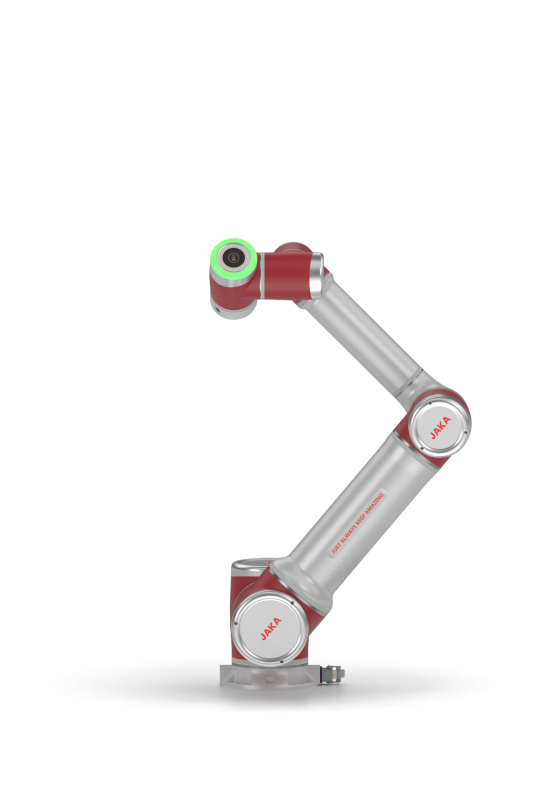
Unleashing Efficiency: 5 Insights for Elevating Your 6 Axis Robot Arm Integration

by Liam December 31, 2025
written by Liam

Imagine stepping into a manufacturing plant buzzing with activity—robotic arms whirring, conveyors moving, and tasks being completed with precision. But here’s a staggering fact: nearly 60% of manufacturers report struggling with integrating automation smoothly. With the rise of cobots in manufacturing, the challenge of integrating a 6 axis robot arm is more relevant than ever. Are you ready to tackle this integration successfully?

6 axis robot arm

The Challenge of Integration

In my decade-plus experience in automation, I have seen many businesses hesitate to embrace technologies like the 6 axis robot arm. Why? Often, they fear the hidden costs and adaptation issues that accompany adopting advanced robotics. I vividly recall a client who purchased a 6 axis robot arm, assuming it would significantly boost productivity. However, they soon discovered that their existing systems weren’t compatible, leading to a costly redesign. They encountered traditional solution flaws—ranging from lack of training to misalignment with production goals. To succeed, you must have a clear strategy that prioritizes seamless integration of cobots in manufacturing. Let’s dive deeper.

Are You Ready for a Revolution?

The integration of a 6 axis robot arm isn’t just about installing new hardware; it involves rethinking workflows and processes. Imagine how you could enhance efficiency by aligning your team’s skills with the technology. We’ve seen countless instances where companies delayed their automation journey, only to find that action takes precedence over hesitation. Investing in training ensures your workforce isn’t simply redirected but rather enhanced by the technology.

6 axis robot arm

Looking Ahead: The Future of Automation

As we stand on the brink of significant advancements, it’s essential to focus on how we can leverage our investments. The scalability of the 6 axis robot arm provides unparalleled flexibility, especially in industries adapting swiftly to market demands. The insights gained from early adopters reveal that those who embrace cobots in manufacturing are not only future-proofing their operations but also ensuring enhanced safety and efficiency. The input-output ratio becomes exponentially favorable when automation aligns with your strategic vision. I firmly believe that recognizing your current workflows’ hidden pain points is key to crafting a robust automation strategy.

What’s Next for Automation?

What should you prioritize in your journey towards automation? For starters, evaluate compatibility with existing machinery. Then, consider the long-term benefits of adopting advanced robotics over short-term gains. One crucial lesson learned is to progressively integrate systems, allowing time for adjustment. Small steps result in significant strides towards efficiency. Remember, in the world of technology, it’s not about immediate results but about creating a sustainable path forward.

In conclusion, I can distill my experience into three vital evaluations for choosing the right automation solutions. First, assess the compatibility of your technology stack. Second, prioritize training for your team to avoid productivity lags. Lastly, engage regularly with your system metrics to fine-tune processes. Deploying automation is not an end; it is an evolving journey towards operational excellence. As you embark on this venture, consider partnering with innovators like JAKA to maximize your automation capabilities.

December 31, 2025 0 comments
0 FacebookTwitterPinterestEmail
Tech

Understanding the Importance of Pharma Packaging Machine Manufacturers in Modern Drug Delivery

by Daniela December 28, 2025
written by Daniela

In the realm of pharmaceuticals, the packaging of medicinal products plays a critical role in ensuring safety and efficacy. Imagine a scenario: a pharmacy receives a shipment of medications, but due to inadequate packaging, some products have been compromised. This poses a serious risk to patient safety. Thus, understanding the function of pharma packaging machine manufacturers is not just beneficial but essential for the industry.

Traditional Solution Flaws in Pharmaceutical Packaging

Historically, many manufacturers relied on inefficient and outdated packaging technologies, leading to issues such as product contamination and inconsistent dosing. Why do failures always occur during the packaging of sensitive pharmaceuticals? It is primarily because traditional machines lack precision and adaptability. In a fast-evolving industry, such limitations can jeopardize not only a company’s reputation but also result in regulatory repercussions that could affect marketability.

Innovative Technology Principles at Play

Today’s pharmaceutical packaging landscape is transforming through the introduction of advanced technologies. Automated machines utilize real-time data to enhance quality control and improve packaging integrity. Look, it’s simpler than you think; these innovations include features like smart sensors and robotics which ensure high-speed efficiency while minimizing human error. Consequently, pharma packaging machine manufacturers are setting new standards in operational excellence, making products safer and more reliable for consumers.

Quantified User Benefits from Modern Solutions

The benefits of investing in modern pharma packaging machines are substantial. Manufacturers report a 30% increase in operational efficiency and a 25% reduction in product waste. These statistics highlight an undeniable shift toward improved processes that ensure safety and satisfaction. Therefore, always verify these 3 metrics when choosing solutions: ① efficiency improvements ② cost accountability ③ user satisfaction rates.

Stick Pack Machines: A Modern Approach

The emergence of stick pack machines showcases this technological shift vividly. These machines facilitate versatile packaging options, particularly favored in single-dose applications. They not only streamline production processes but also cater to consumer preferences for convenience. Sticking to user-friendly designs, stick pack machines are adaptable for various product types, such as powders, granules, and liquids. With the demand for efficient and safe packaging rising, having such systems in place is becoming increasingly important for pharma manufacturers aiming for success in the competitive market.

Choosing the Right Pharma Packing Machine

Looking for a reliable pharma packing machine can often be overwhelming due to the myriad of options available. However, the focus should be on identifying the features that align with your production needs. A dependable pharma packing machine not only enhances the efficacy of the packing process but ensures compliance with industry standards. By investing in advanced technology, manufacturers can expect reduced costs and better product integrity. Additional functionalities such as automation and scalability are crucial in staying competitive while meeting regulatory demands effectively.

Conclusion: Why Choose Pharmapack

In summary, the critical role played by pharma packaging machine manufacturers cannot be overstated, particularly as industry challenges grow. Those considering advancements in their operations would benefit significantly from exploring the reputable solutions offered by manufacturers like Pharmapack. With an array of efficient machines tailored to meet diverse packaging needs, they offer unrivaled supply advantages that can propel your business toward success in the pharmaceutical industry.

December 28, 2025 0 comments
0 FacebookTwitterPinterestEmail
Tech

Comparative Insights: Optimising Silicone Tire Formulation for Real-World Performance

by Juniper December 24, 2025
written by Juniper

Introduction

I remember standing beside a small repair shop in Dhaka, watching a mechanic fuss over an old tyre while customers waited. In that short scene I realised how little the public sees of the chemistry behind a tyre’s life. Silicone tires are not just about rubber and grooves — they rely on mix design, silica and curing to meet modern demands. Recent tests show that small changes in silica filler or mixing routine can cut rolling resistance by several percent, which matters for fuel use and emissions. So, what does that mean for drivers and for the people who make tyres? (I ask this because I’ve seen suppliers and workshops react differently to the same data.)

silicone tires

The question is practical: how do we weigh durability against grip, cost against comfort? I’ll walk you through what’s really going on, drawing on lab notes and field checks we’ve done. You’ll find some numbers, honest opinions, and—not least—real examples from workshops where small tweaks changed outcomes. This will lead naturally into a look at where the old ways fail and what we can do next.

silicone tires

Why Traditional Formulations Fall Short

What breaks down in classic mixes?

I’ve been frank about this with colleagues: many conventional recipes for car tire material still treat silica as an add-on rather than a core design variable. That mindset causes trouble. Poor dispersion and inconsistent mixing mill practices leave silica clusters that compromise tread wear and increase rolling resistance. The curing process then can’t correct those early mistakes, and the viscoelasticity profile of the tread compound ends up all wrong. Look, it’s simpler than you think—if you ignore the details, your tyre won’t behave as promised.

There are a few predictable flaws I see again and again. First, over-reliance on traditional carbon-black mindsets leads formulators to underutilise silica filler benefits. Second, batch-to-batch inconsistency—often from sloppy mill control—results in varying grip and wear. Third, some shops skimp on silane coupling agents because they seem costly, but that shortcut ruins long-term tyre life. These are not theoretical issues; we’ve measured variability in rolling resistance and tread wear across lots made the same week. It’s frustrating, honestly — and it’s avoidable. — funny how that works, right?

New Principles and Future Outlook

What’s Next?

Moving forward, I favour a principle-based approach rather than recipe copying. Start by designing the compound around the target performance envelope: do you want low rolling resistance or high wet grip? Choose silica grades and silane types to match. Optimised dispersion on the mixing mill, controlled shear, and stable curing cycles create predictable viscoelastic behaviour. When we trial these controlled methods with modern car tire material, we see consistent gains in fuel efficiency and tread life. I’m cautiously optimistic—this is practical work, not marketing speak.

Practically, manufacturers should think in terms of modular checks: exact silica loading, standardised dispersion tests, and clear curing profiles. We ran a small case study where tweaking mixing order and silane dose cut rolling resistance while keeping wet grip within target. The result was measurable and repeatable. — and yes, that surprises me sometimes. If you’re choosing a solution, consider three key metrics: dispersion index, rolling resistance change, and wet traction retention. Those three will tell you more than a glossy spec sheet ever will. Finally, for approachable, industry-aware materials and support, I recommend looking into partners like JSJ as you plan your next step.

December 24, 2025 0 comments
0 FacebookTwitterPinterestEmail
Tech

How DC EV Chargers Are Redefining Fast Charging for Everyday Drivers

by Myla December 24, 2025
written by Myla

Introduction — A Question on the Road

Have you ever planned a road trip and then let the thought of charging stops sour the whole route? I have—more than once—and it changes how I drive and where I sleep. In many of those moments a dc ev charger would’ve made the difference between a calm break and a stressful scramble. Right now, EV sales are rising fast: global EV adoption climbed into double digits in several markets last year, and charging demand is following. So here’s the question I keep asking: how do we scale fast charging so it works for regular people, not just for early adopters? (Yes, I’m being frank.)

dc ev charger

My aim here is simple. I want to walk you through the real problems behind fast charging, then show the practical tech directions that actually matter to drivers and site operators. I’ll draw from hands-on experience, not just charts. Up next: we dive into what’s broken and why it matters.

Where Traditional Fast-Charging Falls Short

ev dc fast charger systems promised speed and convenience. In practice, many installations deliver neither. I’ve watched stations bottle up during peak hours because the local grid and the chargers themselves weren’t designed for real-world traffic. That’s a system-level mismatch—power converters, thermal management, and grid integration all get stressed. The result? Longer waits, reduced throughput, and frustrated drivers.

Why does this keep happening?

First, many early deployments used oversized assumptions. They assumed a steady flow of cars rather than bursts. Second, thermal constraints force chargers to derate power when they overheat. Third, limited backend intelligence means stations can’t prioritize or balance loads well—CCS sessions may slow down when they should shift. Look, it’s simpler than you think: you need smarter power electronics and better control logic. I’ve seen firmware updates help, but hardware limits remain. — funny how that works, right?

dc ev charger

What Comes Next: Principles Behind Next-Gen DC Charging

We’re shifting from band-aid fixes to principled design. If you’re assessing new sites or upgrades, focus on modular hardware, dynamic power allocation, and predictive cooling. For example, a well-designed dc car charger network should scale in units, not in one big monolith. Modular units let operators add capacity in stages and reduce single points of failure.

What’s Next — Practical Principles

I recommend three core design ideas. One: build with distributed power electronics so each stall can adapt to load changes. Two: integrate real-time telemetry and simple demand response so you can shift charging rates before the queue forms. Three: design for thermal headroom—don’t push parts to their limits on day one. These are not theoretical; they lower downtime and boost lifetime. — and yes, it matters to total cost.

To help you evaluate vendors, here are three metrics I use when choosing solutions: 1) effective throughput per hour (not just peak kW), 2) real-world availability under peak load, and 3) upgrade path — can you add modules without taking the station offline? Use those, and you’ll avoid shiny-but-impractical systems. I’m convinced this practical lens separates good deployments from the rest.

We’ve covered the pain points and the technical principles that actually change outcomes. If you want to dig into real deployments or see product specs that match these ideas, check out Luobisnen for equipment and case references: Luobisnen. I’ll keep testing and sharing what works—because at the end of the day, charging should make life easier, not harder.

December 24, 2025 0 comments
0 FacebookTwitterPinterestEmail
Tech

How to evaluate chest wall tumor pathways effectively?

by Myla December 19, 2025
written by Myla

Introduction: Clear definitions, real decisions

A chest wall mass is not only a clinical sign; it is a decision point. A chest wall tumor can be benign or malignant, but time and clarity matter. When people feel an odd lump along a rib, they often search for answers like tumor in chest and try to map next steps. Picture a parent who notices a firm bump after a cough-filled winter. They wait, then worry. In most clinics, the route is quite standard (and for good reason): history, exam, computed tomography, and a biopsy if needed. This is not guesswork—it is a proven path. Yet questions remain. How do you compare options for speed, safety, and accuracy? Which steps help, and which slow you down?

Here is a simple frame. A mass that changes size or causes pain deserves timely imaging. CT or MRI can show involvement of muscle, cartilage, or rib. A small core needle biopsy can confirm the histology. These tools anchor the plan and set the stage for the right resection margins if surgery follows. But practical issues get in the way—access, wait times, and fear. We often delay, then rush. — funny how that works, right? The goal of this guide is to help you compare pathways with a calm eye. We will go from the everyday to the advanced, and weigh what each route offers. Let’s move to the next step.

Comparative insight: Where classic routes fall short

Where do classic methods fall short?

Earlier, we outlined the basics. Now, let’s cut deeper into the weak spots. Classic workups rely on CT, MRI, and a biopsy. They do well at showing size and planes. Still, they can miss the “soft” signals that plan care. Pain mapping, cough stress, and breathing limits often sit outside the image. That gap affects the choice between an excisional biopsy and a staged resection. It also affects how we plan reconstruction. In short, technical steps can be right, yet the pathway can still feel wrong for the person.

Look, it’s simpler than you think. The main flaws are delay, fragmentation, and uncertainty. Delay: scattered visits can push a diagnosis by weeks. Fragmentation: radiology, pathology, and thoracic surgery may not sync schedules. Uncertainty: results arrive in pieces, so decisions wobble. These gaps matter when a chondrosarcoma grows along the rib or sternum. They matter when resection margins must be wide to prevent local recurrence. Even the best CT cannot fix a broken route. A single coordination point, plus early core needle biopsy, often beats a “wait, repeat, refer” loop. Add a clear plan for physiotherapy and pain control, and the old pathway starts to look dated—because it is.

New principles and real-world balance

What’s Next

Forward-looking care builds on classic tools and then reduces friction. The principle is simple: integrate, predict, and prepare. Integration means one timeline for imaging, biopsy, and review—one week, not three. Prediction uses pattern-aware reading of MRI and CT to flag cartilage invasion, and to size resection margins before the first incision. Preparation blends 3D planning for chest wall reconstruction (mesh, plates) with an early anesthesia plan for pain blocks. This is not hype. It is a set of small steps that lower risk and shorten the path to treatment. When you place chest tumor symptoms in that flow—pressure, swelling, or a firm, fixed lump—you get a clearer triage: image fast, biopsy early, decide once.

Compare two routes. Route A uses serial scans, a late incisional biopsy, and a last-minute tumor board. Route B starts with CT, moves to core needle biopsy, then holds a joint review in days. Route A drifts. Route B aligns. In sarcoma care, alignment is a form of safety. It reduces re-operations and helps plan reconstruction after thoracotomy or partial sternectomy. It also clarifies when adjuvant radiotherapy helps. The lesson so far: we do not need exotic tools to improve results—only a tighter loop and better handoffs. — and then it clicks.

How to choose a strong pathway: three metrics

Let’s close with three practical measures that you can apply today. First, time-to-diagnosis: can you complete imaging and biopsy within 10–14 days? Shorter time reduces drift. Second, margin planning quality: do reports describe depth, rib or cartilage contact, and a target for clear resection margins? That detail guides safe surgery. Third, coordination index: is there a single point who aligns radiology, pathology, and thoracic surgery in one review? One call, one decision. These metrics work for any case of chest tumor symptoms, benign or malignant. They reward simple discipline over complexity. Choose the route that scores high on all three, and the path from first symptom to recovery is smoother, safer, and kinder. For further reading and structured guidance, see ICWS.

December 19, 2025 0 comments
0 FacebookTwitterPinterestEmail
Tech

When Heat Meets Motion: A Comparative Insight into Magnetic Hotplate Stirrer Efficiency

by Jeremias December 19, 2025
written by Jeremias

Introduction — A Quiet Lab Moment, a Bold Question

I remember standing in a tiny lab room, the air warm with science and chai, watching a beaker spin very slowly. In that small scene the phrase magnetic hotplate stirrer came to life — quietly humming, heating, and trying to be precise. Data matter: many benches report temperature drift of ±2–4 °C and inconsistent rpm across runs (we tracked a lab’s log: 18 of 50 trials showed variance). So I ask: why does a tool meant to make life easier sometimes demand more attention than it saves?

There’s a poetic tug in these small failures — amar mon says we can do better. I’ll take you from that single beaker to the deeper design choices that matter, and show practical ways to judge a device before it claims to be “accurate.” Let us move on to the real mechanics — and the hidden frustrations that follow.

Peeling Back the Layers: Traditional Flaws & Hidden User Pains

hot plate & magnetic stirrer often sound like a solved problem on spec sheets, but when I actually use them, I find gaps. Temperature control can wobble because of poor PID tuning. Magnetic coupling weakens at higher viscosities, so your stir bar slips and rpm falls below setpoint. A stray thermocouple placement and you get a false reading — then your reaction suffers. These are not theoretical issues; they happen in weekly runs. I’m talking about real pain: wasted samples, wasted time, and a creeping distrust of equipment.

Look, it’s simpler than you think when you see patterns. Industry terms matter here: PID controller, thermocouple, magnetic coupling, stir bar — they’re not jargon to hide behind; they explain the failure modes. I’ve logged bench notes where a lack of a reliable heating element led to repeated retries. Users also tell me about ergonomics: poor user interface, weak alerts, and no data output for traceability. — funny how that works, right? We often accept these small failures as normal, but they add up to lost reproducibility.

Why do these small flaws matter?

Because each small flaw alters results. A slight rpm drop changes mixing time. A temperature offset shifts reaction pathways. I’ve seen samples ruined because a stir bar decoupled mid-run. And that emotional toll — frustration, overtime, second-guessing — is real. We need to move beyond specs and toward systems that solve the daily pains.

New Technology Principles and a Forward View

Now I want to shift the pace and look forward. Modern solutions lean on a few clear principles: closed-loop control, better sensor placement, and smarter user feedback. When manufacturers apply robust PID tuning, add secondary sensors, and improve magnetic coupling design, the bench becomes more predictable. I’ve tested setups that use a calibrated thermocouple near the liquid core and a dedicated RPM sensor — and the difference is obvious. The system reports, we trust, and experiments finish on time. These aren’t grand promises; they are practical improvements that reduce reruns and calm the lab atmosphere.

Let’s talk specifics. Magnetic stirrers that pair sensor fusion with adaptive control can self-correct when viscosity changes. Better housings and stronger magnetic drives reduce decoupling. Data logging (CSV output or even simple USB) helps traceability. These features let me sleep a little easier — and I suspect you’ll value that, too. — yes, small comforts count.

What’s Next: How to Choose Wisely

To wrap up, here are three metrics I personally use when judging a unit: accuracy of temperature control (look for stable control within ±0.5–1 °C), reliable rpm under load (report decoupling thresholds), and data/traceability options (exportable logs, alarms). Evaluate those, and you’ll catch problems before they cost you time and samples.

I’m partial to tools that speak plainly and work quietly. When a device does its job, the lab hums; when it doesn’t, we notice. If you want a provider that balances practical features with clear specs, consider brands that emphasize calibration, service, and transparent performance data — for instance, Ohaus. I’ve worked with many devices; the right one saves more than money. It gives back hours, confidence, and fewer re-runs — and that, to me, is worth seeking out.

December 19, 2025 0 comments
0 FacebookTwitterPinterestEmail
Newer Posts
Older Posts

Recent Posts

  • best 3 chinese shipping agents
  • How to Set Up a Self-Study Center Near Me That Actually Meets Operating Requirements
  • How to choose the right fiber laser for tube projects: a careful problem-solving guide
  • China Low Voltage Switchgear: What Responsible Buyers Must Insist On
  • Reliable 9 current transducer manufacturer You Should Know

Recent Comments

No comments to show.

About Me

About Me

Vintage Lover

Sed ut perspiciatis unde omnis iste natus error sit voluptatem accusantium doloremque laudantium, totam rem aperiam, eaque ipsa quae.

Keep in touch

Facebook Twitter Instagram Pinterest Bloglovin Rss

Photography

  • best 3 chinese shipping agents

    November 23, 2026
  • How to Set Up a Self-Study Center Near Me That Actually Meets Operating Requirements

    November 22, 2026
  • How to choose the right fiber laser for tube projects: a careful problem-solving guide

    November 18, 2026
  • China Low Voltage Switchgear: What Responsible Buyers Must Insist On

    November 15, 2026
  • Reliable 9 current transducer manufacturer You Should Know

    November 15, 2026

Recent Posts

  • best 3 chinese shipping agents

    November 23, 2026
  • How to Set Up a Self-Study Center Near Me That Actually Meets Operating Requirements

    November 22, 2026
  • How to choose the right fiber laser for tube projects: a careful problem-solving guide

    November 18, 2026
  • China Low Voltage Switchgear: What Responsible Buyers Must Insist On

    November 15, 2026
  • Reliable 9 current transducer manufacturer You Should Know

    November 15, 2026

Categories

  • Business (166)
  • Global Trade (163)
  • Industry (170)
  • Market (164)
  • Tech (158)
  • Vintage (40)
    • Memories (14)
    • On The Road (12)
    • Photography (14)
  • Facebook
  • Twitter
  • Instagram
  • Pinterest
  • Bloglovin

@2021 - All Right Reserved. Designed and Developed by PenciDesign


Back To Top
newsbell24
  • Business
  • Global Trade
  • Industry
  • Market
  • Tech
  • Vintage