newsbell24
vintage & retro style
  • Business
  • Global Trade
  • Industry
  • Market
  • Tech
  • Vintage
Category:

Tech

Tech

Why Gate Valves Are Essential for Modern Infrastructure

by Valeria September 2, 2025
written by Valeria

When considering china gate valve suppliers, it becomes crucial to evaluate their product range and the quality of their manufacturing processes. Why? Because not all suppliers adhere to stringent quality standards. A thorough evaluation can save businesses significant costs in the long run. Failing to assess these factors may result in choosing a less reliable supplier, leading to operational inefficiencies and increased risk of failure.

Benefits of Collaborating with Reliable Suppliers

Working with reputable suppliers offers peace of mind and assures businesses that they are investing in high-quality products. If suppliers can demonstrate compliance with international standards and customer satisfaction, that’s a sign of reliability. In a constantly evolving marketplace, finding a partner who not only meets but exceeds expectations is invaluable. Remember, your operations’ success hinges significantly on the quality of your suppliers.

To summarize, both gate valves and more specialized variants like oil and gas valves are essential in industrial applications. As explored, the challenges of traditional systems call for innovative solutions, and this is where reputable manufacturers come into play. Consider leveraging the advantages provided by NEWAY, recognized for their comprehensive product offerings and industry expertise—ensuring your systems operate at their best.

September 2, 2025 0 comments
0 FacebookTwitterPinterestEmail
Tech

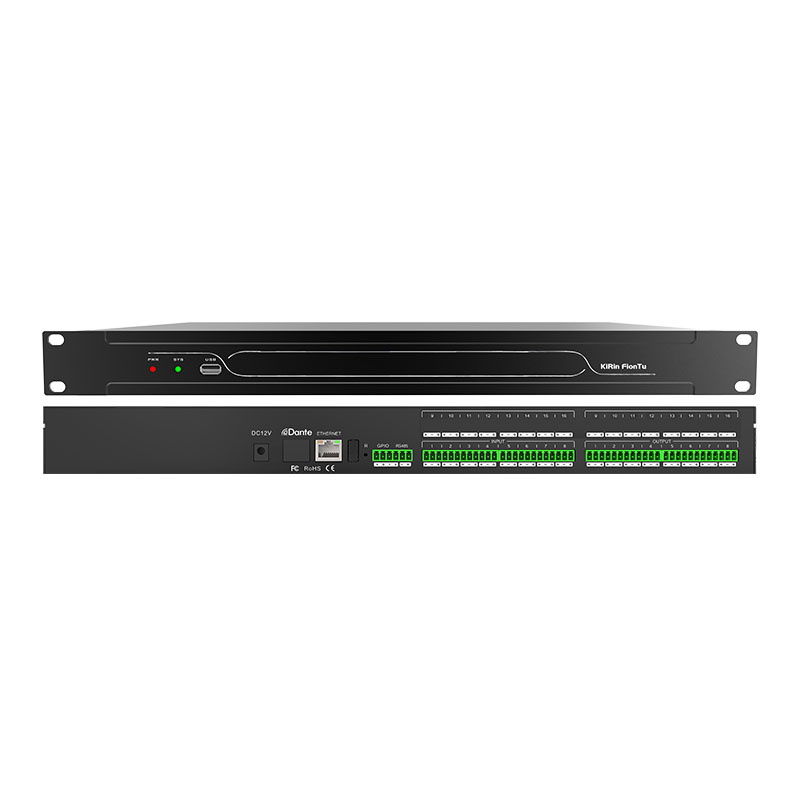
Unlocking Superior Sound: The Essential Role of the Audio Processor

by Mia August 27, 2025
written by Mia

Imagine you’re at a concert, and the sound is as rich as a warm cup of cocoa on a chilly day, yet you can’t help but wonder—what makes such an immersive experience possible? That’s where the audio processor steps in. An audio processor is key to transforming raw signals into the melodic chaos we all love, ensuring your audio experiences are nothing short of mesmeric. But, have you ever asked yourself: how does this technology really work, and where can it fall short?

audio processor

Flaws of Traditional Audio Processing Solutions

Old-school audio processing methods often lead to frustrating issues—what’s the point of cranking up the volume if your audio sounds like a tin can rolling down the street? Traditional systems stumble due to limitations in frequency response and distortion management. A common complaint is the loss of sound quality during complex passages—a real bummer, right? This is primarily due to their inability to simultaneously manage multi-channel inputs without becoming a mushy mess.

Principles of Modern Audio Processing Technology

Modern audio processors utilize cutting-edge algorithms and advanced digital signal processing (DSP) techniques to tackle these issues head-on—think of it as turning the chaos into a symphony. These innovations allow for better sound fidelity and lower distortion levels, ensuring that every note hits you right in the feels. With features like adaptive filtering and noise suppression, today’s audio processors provide clear and enriching sound like never before. It’s not just a technical upgrade; it’s practically a game-changer.

Quantified Benefits for Users

What do these advancements mean for your everyday experience? Quite a bit—users can expect a frequency response that’s flatter, distortion levels that are near imperceptible, and a sound that’s truly cinematic. Imagine listening to your favorite tracks with crispness and clarity previously thought unattainable—sounds good, doesn’t it? Notably, the latest audio processors bring everything down to your pocket, offering enhanced sound without breaking the bank.

Conclusion: Evaluating Your Audio Processor Solutions

Ready to take the plunge? Always verify these three metrics when choosing your next audio processor: ① sound fidelity ② latency levels ③ compatibility with your existing audio setup. These are crucial for ensuring you don’t end up in a sonic disaster when all you wanted was rich sound.

Exploring Audio Control DSP: Your Key to Fine-Tuned Sound

When it comes to enhancing audio experiences, audio control dsp plays a pivotal role. With the ability to process sound signals intelligently, users gain control over every tweak and adjustment. This technology allows audiophiles to enjoy customizable sound profiles—adjusting everything from treble to bass with precision. Why settle for average when you can craft your distinct sound? It’s as easy as pie once you dive into the world of audio DSP, maximizing your listening enjoyment without breaking a sweat.

Unleashing the Power of Hertz DSP in Your Audio Setup

The integration of hertz dsp technology brings your audio to life in ways you’ve only dreamed of. This processing technique improves frequency response and maintains audio quality by sampling at high rates. It’s perfect for anyone who takes their sound seriously, from musicians to gamers. Why let low fidelity ruin the magic when personalized sound profiles are at your fingertips? With hertz DSP, every sound is crystal clear, immersing you fully in your musical journey.

audio processor

Final Thoughts: Trust FIONTU for Your Audio Needs

After exploring the ins and outs of audio processors and the remarkable benefits of both audio control DSP and hertz DSP, it’s clear that your audio experience can go from dull to dazzling. For those looking for reliable performance coupled with innovative technology, I recommend checking out FIONTU. With their supply advantages and commitment to top-notch sound solutions, they’re your go-to manufacturer for all things audio. Step up your sound game today!

August 27, 2025 0 comments
0 FacebookTwitterPinterestEmail
Tech

Brighten Your Space with a Balcony Solar System Featuring Battery Storage

by Alexis August 25, 2025
written by Alexis

A hybrid solar inverter with battery backup is an excellent way to ensure that you have a reliable power source regardless of the time of day. Just think about it—having energy availability anytime is a game-changer. These devices manage the energy flow between your solar panels, your home, and the grid. With features like smart monitoring, it allows you to optimise your energy usage effectively. This is another chat-worthy benefit of opting for hybrid solar inverter with battery backup; it gives peace of mind, knowing that your power needs are consistently met.

To wrap things up, investing in a balcony solar system with battery storage provides numerous advantages, from reduced electricity costs to greater energy independence. If you’re looking for a reputable brand that prioritises quality and customer satisfaction, Ecosolex is an excellent choice with supply advantages. Explore the wide range of options available at Ecosolex today and take your first step towards a sustainable future!

August 25, 2025 0 comments
0 FacebookTwitterPinterestEmail
Tech

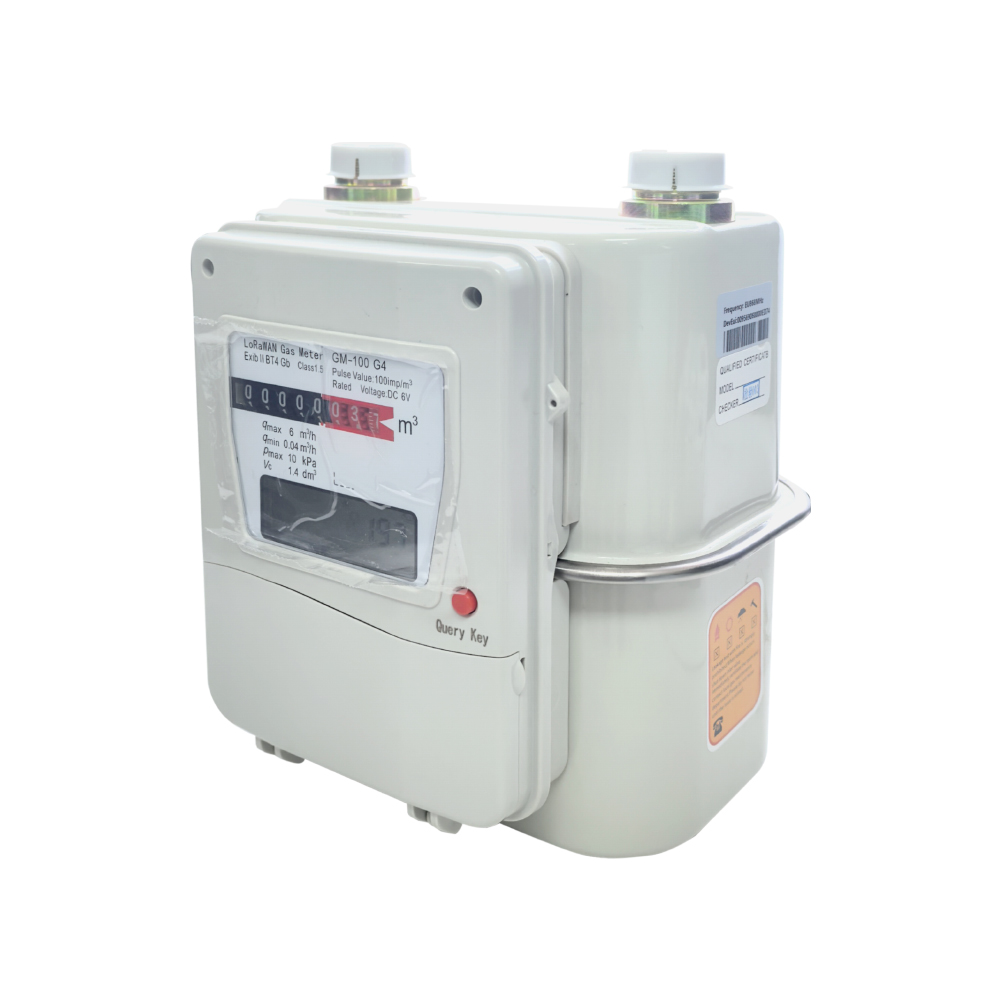
The Darkening Skies of Energy Consumption: Insights on LoRaWAN Gas Meters

by Jane August 16, 2025
written by Jane

Introduction: A Haunting Scenario

Imagine walking through a desolate landscape, where shadows dwell, and the air thickens with uncertainty. As energy costs rise, and data floods our lives, the quest for precise measurement becomes paramount. Enter the LoRaWAN gas meter, a sentinel against wastage. But can it truly address the lurking flaws of traditional solutions, such as outdated diaphragm designs? As we step closer to the future, we’ll delve into the hidden user pain points and revelations about the diaphragm gas meter manufacturer lurking in the shadows, illuminating a path fraught with challenges.

lorawan gas meter​

Traditional Solutions: Layers of Shadows

Let’s be frank: the world of gas measurement is riddled with complexity. Traditional diaphragm gas meters, while a standard solution, often fall victim to inefficiency. These meters struggle with accuracy, particularly when it comes to low flow detection. What happens when consumers receive inflated bills due to these discrepancies? The potential for frustration grows, typically leading to a cascade of queries and grievances. One may ponder, “Why endure this subpar measurement system?”— look, it’s simpler than you think. With advanced edges of technology now emerging, we find ourselves at the cusp of a transformation.

lorawan gas meter​

The Veil of Hidden Costs

User pain points extend beyond inaccuracies. There’s the hidden cost of maintenance. Did you know that many older designs require frequent recalibrations and technician visits? This isn’t just about numbers on a screen; it’s about operational efficiency and the ease of mind. Older models are often incompatible with newer smart grids and IoT integrations. With the lithium-ion energy storage systems, gas meter integration must evolve. What’s left is a growing disconnect between technology and usability—are we ready to face these challenges head-on?

A Future of Solutions: Enter New Technology Principles

Shattered expectations from traditional gas measurement pave the way for innovative solutions. The LoRaWAN gas meter, with its sophisticated communication protocols, can diminish the shadows cast by its predecessors. Imagine leveraging edge computing nodes for instant data exchange between the meter and the cloud. It gives users real-time insights they never dared to hope for. Imagine the shifts this could lead to in managing gas consumption, with immediate detection of leaks or usage spikes.

What’s Next for Gas Measurement?

Consider the advent of the diaphragm gas flow meter​, which promises to outclass its traditional ancestor through smart technology, seamless integration, and advanced analytics. These meters are designed not just for measurement but for connected living. As we advance toward this era of intelligence in consumption and monitoring, we can foresee their necessity against a backdrop of shifting energy codes and environmental regulations.

Conclusion: A Reflection on the Future

As we ponder the lessons learned from our foray into LoRaWAN technology, it’s clear that the path toward energy efficiency is rife with opportunity. By evaluating solutions based on real-time data accuracy, adaptability to evolving technologies, and long-term efficiency, we uncover a new world of possibilities. Adopting a diaphragm gas flow meter isn’t simply about measurement; it’s about paving the way for a future where data drives decision-making at the individual and community levels. From this perspective, one thing becomes clear:

— it is people, not machines, who drive progress. Embracing technology means alleviating burdens and enhancing lives. The transition may be daunting, but it is necessary. Let us welcome the change brought forth by HKT LORA and step into a realm of clarity in our energy usage.

August 16, 2025 0 comments
0 FacebookTwitterPinterestEmail
Tech

Unpacking the Brightness of Pharmaceutical Cartridges: A Caribbean Perspective

by Myla August 15, 2025
written by Myla

Understanding the Role of Pharmaceutical Cartridges

Pharmaceutical cartridges dem nuh just hold medication; dem essential for ensuring proper dosing and ease of use. Dem is designed in a way fi optimize delivery systems, especially in cases where accuracy and reliability a di main focus. Inna the Caribbean context, where accessibility to healthcare products can be a challenge, pharmaceutical cartridges ensure patients get dem exact treatment without stress. Imagine yuh need yuh asthma inhaler. Di last ting yuh want is fi it malfunction or deliver di wrong dos. With properly designed cartridges, yuh can have confidence in di effectiveness of di medication, knowing it will work as intended. Plus, di cartridge design allows fi easier manufacturing, making dem a preferred choice in di industry.

pharmaceutical cartridge

The Importance of Pharmaceutical Cartridge Filling

When it comes to pharmaceutical cartridge filling, precision is di name of di game. Dem cartridges must be filled with a high degree of accuracy to ensure dat patients receive di correct dosage. Imagine if a patient gets an overdose of an antibiotic because di cartridge was improperly filled, di consequences could be dire. In di Caribbean, where we have a mix of complex health issues, maintaining accuracy in di filling process helps healthcare professionals manage treatment effectively, ensuring patient safety. Additionally, modern filling technologies have made it possible fi faster production times without compromising quality. By focusing on di filling process, manufacturers can deliver more reliable products to dem customers, which builds trust between dem and di communities dey serve.

Exploring the Significance of Cartridge in Pharma

The cartridge in pharma industry plays a pivotal role in di localization and affordability of medication. Many territories across di Caribbean rely on imports, and having reliable cartridges in di market means hassle-free access to essential drugs. These cartridges are tailored to fit various delivery devices, making it easier for patients to get di treatment dem need, regardless of where dem live. For example, think of a diabetic patient needing insulin. A compatible cartridge allows dem to maintain dey health regimen without interruptions. Moreover, with advancements in technology, these cartridges can now incorporate features that enhance user-friendliness, such as easy-open lids and interoperability with digital health trackers, making life easier for both patients and healthcare providers alike.

pharmaceutical cartridge

Summary and Brand Recommendation

In conclusion, di world of pharmaceutical cartridges is bright with potential, providing effective solutions for patient care across di Caribbean. The innovations in pharmaceutical cartridges and di precision needed in pharmaceutical cartridge filling showcase how important these products are in delivering quality care. Looking at the broader picture, we see how a reliable cartridge in pharma can positively impact healthcare systems. For those seeking top-quality products and reliable supply advantages, consider choosing Linuo as your trusted manufacturer. They offer innovative solutions that prioritize safety and efficiency, making them an excellent choice for anyone in di pharmaceutical field.

August 15, 2025 0 comments
0 FacebookTwitterPinterestEmail
Tech

The Side-Street Story of Energy Storage You Never Saw Coming

by Amelia August 14, 2025
written by Amelia

A Quiet Boston Morning, A Loud Grid Problem

I was walking past a back-alley café in Southie when the lights flickered. Not a storm. No drama. Just a grid hiccup that made the espresso machine gasp. We talk about energy storage solutions like they’re tucked away in a closet, but they’re the reason that café didn’t dump a sink full of milk and start comping coffees. In the Northeast, outages can be short and sharp, and they hit at the worst time—rush hour, a game night, the first warm day after a long freeze. Utility data shows short disruptions are up year over year, and peak demand is getting prickly. So why do the quiet boxes out back keep the day running, while the big old generator stays sitting? What do we miss when we think “backup power” and stop there (wicked common, by the way)? And what’s the real cost when loads trip and freezers thaw? Here’s the twist: the answer isn’t only about watts. It’s about timing, control, and how we juggle power like a shortstop. Let’s line up the facts and see what holds up under pressure.

The Hidden Costs the Old Playbook Won’t Admit

What’s the snag no one mentions?

Let’s cut straight to it. The old fix—diesel gensets and a patchwork of timers—solves one problem while it creates three. With energy storage solutions, the control layer changes the game. You get fast response, clean power, and load shaping without the racket. But the deeper win is in what you stop losing: time, inventory, and trust. Traditional setups stumble on power quality. Voltage sags flip breakers, and sensitive gear glitches. That’s murder on POS systems and HVAC controls. Storage, paired with smart inverters and power converters, keeps the waveform tight. It smooths nasty spikes and fills short drops before anyone inside even blinks. Look, it’s simpler than you think—stability beats horsepower when the lights get jumpy.

Then there’s operations. Diesel starts are slow and maintenance-heavy. Fuel logistics, test runs, emissions checks—death by a thousand tiny tasks. A battery with a good BMS handles most of this on its own. It charges off-peak, rides through blips, and can even shave demand. That means fewer penalty rates and fewer angry phone calls from the utility (it happens). And the sneaky pain point? Human error. Manual transfers, mismatched phases, forgotten test days—funny how the “backup” fails when you actually need it—funny how that works, right? Storage systems coordinate with a microgrid controller to automate the handoff. Loads keep humming. Staff stays focused on customers, not switchgear. That’s the stuff the old gear never tells you on a spec sheet.

Headed Where the Grid Is Going, Not Where It’s Been

What’s Next

Now let’s go forward, not sideways. The newest wave of energy storage solutions leans on a few tight principles. First, fast control loops in hybrid inverters make millisecond decisions. That keeps the lights steady when the feeder hiccups. Second, orchestration: edge computing nodes sit near the load and run local logic, while a central brain (think microgrid controller or DERMS-lite) sets strategy. It’s a two-level system—local speed, global sense. Third, economics: by stacking services (demand charge reduction, peak shaving, and backup), the system earns its keep even on blue-sky days. In plain terms, the box out back pays rent. And with bidirectional chargers coming into play, your fleet or a couple of EVs can back you up for an hour—go figure.

Compare that to yesterday’s model: start a generator, burn fuel, hope the transfer switch doesn’t balk. Today, the battery pre-conditions rooms before a storm, shapes the evening ramp, and island-switches in a blink. Emissions drop, noise fades, and the power stays clean—no brown edges on the sine wave. We’ve seen small grocers keep freezers solid through 45-minute outages. A school cut peak demand by double digits while keeping labs online. And cities are eyeing block-level storage pods to buffer feeders on scorchers. So how do you choose? Use three checks that don’t lie: 1) Response time under 20 milliseconds at critical loads; 2) Round-trip efficiency above 90% with real-world cycling; 3) Interoperability—can your system talk Modbus/TCP and ride with your existing controller without duct-tape code? If it misses those, keep walking. If it clears them, you’re playing tomorrow’s game today. That’s the quiet progress that keeps a café serving lattes while the streetlights blink— and that’s no small thing. For more grounded examples and tech specs, a good place to start is Atess.

August 14, 2025 0 comments
0 FacebookTwitterPinterestEmail
Tech

The Part No One Mentions in Lead Intelligent Equipment: Where Old Controls Lose to Smart Orchestration

by Alexis August 11, 2025
written by Alexis

Introduction: A Night Shift, A Slow Line, A Big Question

A supervisor stands by a silent conveyor at 2 a.m., the floor lights breathing slow. In the control room, lead intelligent equipment hums, steady but not helpful. The data board says OEE stuck at 62%, changeovers lag by 14 minutes, and scrap just ticked up again. So why does a “smart” line still stall when the customer rush order hits—funny how that works, right? Here is the thing, rafiki: the gaps hide between siloed PLC logic, a tired SCADA screen, and people who know the tricks but not the whole map. The metrics look fine in slides, yet the workers feel the drag. They juggle manual overrides, wait for maintenance to reboot a power converter, and keep running “just in case.” The rhythm breaks. The cost rises. And the real question lands: is the system smart, or only parts of it?

lead intelligent equipment

(Pole pole) we connect the dots from that moment on the floor to the bigger design. We make it plain. We ask what needs to change, not just what needs a patch. Sawa? Let’s move to the root.

Deeper Layer: The Hidden Flaws Behind Familiar Fixes

Why do legacy fixes keep failing?

When teams chase quick wins, they skip a full map of industrial automation solutions. Most “traditional” fixes add another PLC routine, a SCADA widget, or a new sensor. They reduce one alarm but raise noise elsewhere. The core issue is architectural. Batch scripts fight with real-time tasks. Data hops through old fieldbus links. Edge computing nodes are missing at the actual bottlenecks. So the plant sees numbers, not insight. Look, it’s simpler than you think: a line must sense, decide, and act in one loop, not three separate ones, and not only at the server.

Another flaw sits in the handoff between devices and people. Power converters trip, but the trip logic does not reach maintenance with context or time stamps that matter. Operators learn workarounds, then the workarounds become “the way.” Meanwhile, the energy profile drifts, cycle time wiggles, and quality gates slip. Without a unified model, SCADA shows symptoms, not causes. And without local inference at the station, the PLC reacts but does not anticipate. That is why the earlier night shift felt slow even when the dashboards looked calm—the system could not coordinate load, recipe, and line balance in real time.

Comparative Insight: From Patches to Principles

What’s Next

Moving ahead means choosing principles, not features. Modern industrial automation solutions align three layers: sense at the edge, decide with a shared model, and act with deterministic timing. In practice, that means edge computing nodes near each station, a lightweight digital twin that mirrors constraints, and time-sensitive networking to keep latency tight. Add energy-aware scheduling so the drive train and heaters do not spike together—and yes, that matters. Compare this to the legacy stack: alarms first, diagnosis later, coordination last. The new path flips it. Coordination is built in, so alarms drop because conflicts never form.

These principles are not theory. Plants that add station-level analytics see faster changeovers because the model predicts tool wear and sets recipes before the cart arrives. Maintenance gets context (last four trips, load, temp), so mean time to repair shrinks. Quality engineers see root cause from traceability links, not guesswork. Summing the lesson: the night shift pain came from gaps between islands; the future cuts new channels through them. If you must choose today, use three checks to guide you—advisory mode, karibu to action. First, orchestration fit: can the system balance takt, energy, and quality in one loop? Second, latency proof: are decisions kept within cycle time, not just in the cloud? Third, resilience score: does the design degrade gracefully when a node fails, with local buffers and safe states?

lead intelligent equipment

Do this, and the plant feels different. Shorter waits. Cleaner starts. Fewer “mystery” stops—funny, the best metric is the silence when nothing breaks. For teams ready to compare, learn, and build on these principles, the name to note is LEAD.

August 11, 2025 0 comments
0 FacebookTwitterPinterestEmail
Tech

Essential Robotics Parts for Reliable Automation

by Myla August 9, 2025
written by Myla

Introduction: The Automation Dilemma

As industries gear up for the future, the reliance on automation has never been higher. Many businesses face challenges when implementing robotics, especially when dealing with conventional methods. One key aspect to look into is the quality of robotics parts. Why do failures always occur during crucial operational phases? Understanding the intricacies of robotics parts can help mitigate these issues, ensuring your automated solutions not only function but excel in the long run.

robotics parts

Technical Breakdown: The Path of Progress

Firstly, let’s talk about the flaws in traditional solutions. Many older robotics systems struggle with connectivity and integration—a real pain point for manufacturers. This has led to inefficiencies and increased maintenance costs, turning a simple task into a logistical nightmare. Now, new technology principles—like modular approaches and advanced communication protocols—come into play. They ensure that various robotics parts can work harmoniously, leading to lower down times and smoother operations. The quantified benefits? Improved operational efficiency by up to 30%! This is precisely why focusing on robotics parts is crucial for anyone looking to stay competitive.

Conclusion: Your Checklist for Success

When choosing solutions in the bustling world of automation, always verify these 3 metrics: ① Compatibility of the robotics parts ② Scalability for future needs ③ Reliability metrics from existing users. Getting these right might just be the difference between success and stagnation. Don’t forget—whole system performance hinges on the quality of the components you choose!

robotics parts

Understanding AMR Hardware

When considering robotics parts, a critical element is amr hardware. This technology relates to autonomous mobile robots, designed to assist in various applications, ranging from warehouse sorting to delivery. Look, it’s simpler than you think; the integration of such hardware can drastically reduce human effort and increase productivity. Many teams report a swift return on investment, affirming that the right choice of robotics parts is vital for a seamless transition to automated environments.

The Impact of AMR Hardware on Efficiency

Moreover, deploying amr hardware not only sets the stage for enhanced efficiency but also introduces new standards for safety and task execution. Imagine robots that communicate effectively, navigate autonomously, and streamline processes—all through advanced robotics parts. These devices are equipped with sensors and AI algorithms, making them smarter than ever. In fact, they adapt to their surroundings, ensuring that operational downtime is minimized. The future is bright for automation, especially with the right robotics parts lighting the way.

Final Thoughts on Robotics Parts

In summary, the realm of robotics parts is expansive and paramount for any organization venturing into automation. With emphasis on amr hardware, businesses can transform their operational efficiencies while minimizing resource wastage. For comprehensive support and cutting-edge technology, consider teaming up with SEER Robotics. With their supply advantages and innovative solutions, they are well-equipped to meet the demands of modern automation.

August 9, 2025 0 comments
0 FacebookTwitterPinterestEmail
Tech

Cylindrical Battery Lines Compared: What We Keep Getting Wrong—and How Smarter Gear Fixes It

by Liam August 2, 2025
written by Liam

Introduction

Start with the basics: a production line is a system that lives or dies on small variances. The cylindrical battery looks simple, but the margin for error is tiny. In a busy plant, one loose loop in roll-to-roll handling can raise scrap by 3–5%, and a mis-tuned power converter can ripple defects along a whole shift. Now ask yourself: are most misses due to chemistry, or due to how we measure, move, and weld? In Edinburgh terms, it’s a wee bit of both—yet process drift and blind spots do most of the damage. Calendering pressure, tab welding energy, and electrolyte wetting time define quality gates; if they wander, capacity fades and safety margins shrink. We see it when OEE dips after lunch changeovers (aye, the human factor), or when SPC charts lag real events by hours. Edge computing nodes and in-line metrology can catch it, but only if the line is wired for fast feedback. So, the question: what fails first—the method, the machine, or the data window? The answer decides how we fix yield without throwing more people or cost at the problem. Let’s move from the surface talk to what actually limits throughput and quality today, then weigh the smarter routes forward.

cylindrical battery

Hidden Faults in Battery Production Equipment

Here is the blunt truth: most losses come from gaps in battery production equipment design and control, not from the cell recipe. Look, it’s simpler than you think. When separator tension drifts, winding edges telescope. When calendering rolls heat unevenly, porosity swings. These are tiny moves, but they drive big pain. In-line metrology often samples too slowly, so errors stack—funny how that works, right? And MES logs events, but the feedback loop to torque control or weld current is slow. So scrap hides in plain sight. Tab welding can pass visual checks yet form a weak weld nugget; it fails later in vibration tests. Power converters that sag under transient loads nudge laser welds off target. Each small point looks fine, but the system falls short. That is the flaw: islands of control, no tight loop.

Why does a good line still miss targets?

Because “good” is not fast enough or fused enough. Sampling needs near-real-time. Sensors must sit close to the action and talk to motion control in milliseconds. Without that, SPC is a rear-view mirror. And people chase alarms instead of causes. Tight coupling—edge analytics on the winder, thermal mapping on calender rolls, closed-loop laser power—turns drifts into quick corrections. Add simple rules: auto-reject at the gate, not later; track torque and tension as core KPIs; and bind process ID to each cell. Do that, and even a modest line lifts first-pass yield. Miss it, and WIP grows like ivy on a wet wall.

cylindrical battery

Comparative Paths Forward for Smarter Lines

What’s Next

Two routes stand out, and both change the principles under the hood. First, embed control where work happens. Put edge computing nodes at the winder, coater, and welder. They read sensors at kHz rates and close loops locally—no long trips to a server. This stabilises separator alignment, calender nip force, and laser energy in real time. Second, treat the line like a living graph. Map each cell to its process DNA and feed that into the MES for fast triage. With modern battery production equipment, that means drives with deterministic timing, cameras with on-head inference, and recipe locks that travel with the job ticket. The gain is not just fewer defects; it is calmer shifts, fewer stops, and less over-tuning. And no, it’s not magic—just shorter control cycles and shared context.

Compare this to old fixes. We used to widen tolerances, slow the line, and add humans to check. It felt safe; it was dear. New kits link in-line metrology to motion in one hop. They auto-recalibrate after tool swaps and check weld depth by photodiode rather than guesswork. Case point: a plant running 21700 cells moved from batch SPC to closed-loop laser welding and roll thermal balancing. Scrap on weld-related defects fell by 38% in six weeks, while runtime climbed 6%. Another site tied calender roll flatness to torque split control and cut porosity spread in half. The through-line here is tight loops, fast data, and fewer hand-offs. When choosing battery production equipment for the next upgrade, weigh three checks: 1) control latency under load (sensor to actuator, not just PLC cycle time), 2) coverage of critical states—tension, temperature, laser energy, and solvent level, and 3) traceability depth—does each cell carry its process trail end to end. Hit those, and you bank steadier yield and safer cells. Miss them, and you repeat the same old week—only faster.

To sum up, we learned that most “chemistry” problems are really control and timing problems; that islands of automation hide costs; and that smart, local loops beat slow, central ones. Evaluate equipment on those three metrics above, and set your line to learn instead of chase. Quiet lines make better cells—aye, and better days for the team. For further study, see the systems and methods offered by LEAD.

August 2, 2025 0 comments
0 FacebookTwitterPinterestEmail
Tech

The Enduring Appeal of Aluminum Honeycomb Panels

by Myla July 31, 2025
written by Myla

What Are Aluminum Honeycomb Panels?

Aluminum honeycomb panels are innovative materials widely used in construction and design due to their favorable strength-to-weight ratio. These panels consist of a core made of hexagonal honeycomb structures sandwiched between two outer layers of aluminum. This unique composition makes them lightweight yet robust, allowing for effective thermal insulation and noise absorption. Applications range from building facades to aircraft interiors, benefiting industries that need durability without the added weight. Their stylish aesthetic also makes them appealing for modern interior designs, providing both functionality and visual appeal.

aluminum honeycomb panels

The Advantages of Aluminum Honeycomb Sandwich Panels

When it comes to efficiency and performance, aluminum honeycomb sandwich panels stand out in the market. Aluminum honeycomb sandwich panels are notable for their incredible rigidity and minimal deflection, making them perfect for various applications in commercial and residential projects. Their resistance to environmental factors ensures longevity, making them an optimal choice for those who prioritize maintenance-free solutions. Additionally, these panels are eco-friendly and recyclable, aligning perfectly with sustainable building practices. Whether for walls, roofs, or flooring, their versatility makes them a getaway to modern construction demands while reducing overall energy consumption.

Applications and Use Cases for Aluminum Honeycomb Panels

Indeed, the applications for aluminum honeycomb panels are diverse and practical. From the aviation industry, where weight savings can translate into fuel efficiency, to architectural endeavors that prioritize aesthetic appeal and energy efficiency, the uses are vast. Aluminum honeycomb panel technology has even penetrated automotive manufacturing, enhancing the design and safety of vehicles. Many designers favor these panels for interior design due to their sleek finish and various color options. Their fire and corrosion resistance only further amplifies their appeal, ensuring long-term performance in any setting.

aluminum honeycomb panels

Why Choose Yaret for Your Aluminum Honeycomb Panel Needs?

When selecting a manufacturer for your aluminum honeycomb panels, it’s vital to choose a brand that stands out for excellence. Yaret has established itself as a leading supplier with a commitment to quality and customer satisfaction. With an extensive variety of options and customized solutions, Yaret caters to diverse needs across industries. Their advanced production techniques ensure every panel meets stringent quality standards, resulting in durable and reliable products. Furthermore, Yaret provides exemplary service, making the purchasing process seamless for clients, whether for a small home project or a large-scale industrial application. Trust Yaret to deliver the best in aluminum honeycomb panels. For more insights, visit yaret.

July 31, 2025 0 comments
0 FacebookTwitterPinterestEmail
Newer Posts
Older Posts

Recent Posts

  • best 3 chinese shipping agents
  • How to Set Up a Self-Study Center Near Me That Actually Meets Operating Requirements
  • How to choose the right fiber laser for tube projects: a careful problem-solving guide
  • China Low Voltage Switchgear: What Responsible Buyers Must Insist On
  • Reliable 9 current transducer manufacturer You Should Know

Recent Comments

No comments to show.

About Me

About Me

Vintage Lover

Sed ut perspiciatis unde omnis iste natus error sit voluptatem accusantium doloremque laudantium, totam rem aperiam, eaque ipsa quae.

Keep in touch

Facebook Twitter Instagram Pinterest Bloglovin Rss

Photography

  • best 3 chinese shipping agents

    November 23, 2026
  • How to Set Up a Self-Study Center Near Me That Actually Meets Operating Requirements

    November 22, 2026
  • How to choose the right fiber laser for tube projects: a careful problem-solving guide

    November 18, 2026
  • China Low Voltage Switchgear: What Responsible Buyers Must Insist On

    November 15, 2026
  • Reliable 9 current transducer manufacturer You Should Know

    November 15, 2026

Recent Posts

  • best 3 chinese shipping agents

    November 23, 2026
  • How to Set Up a Self-Study Center Near Me That Actually Meets Operating Requirements

    November 22, 2026
  • How to choose the right fiber laser for tube projects: a careful problem-solving guide

    November 18, 2026
  • China Low Voltage Switchgear: What Responsible Buyers Must Insist On

    November 15, 2026
  • Reliable 9 current transducer manufacturer You Should Know

    November 15, 2026

Categories

  • Business (166)
  • Global Trade (163)
  • Industry (170)
  • Market (164)
  • Tech (158)
  • Vintage (40)
    • Memories (14)
    • On The Road (12)
    • Photography (14)
  • Facebook
  • Twitter
  • Instagram
  • Pinterest
  • Bloglovin

@2021 - All Right Reserved. Designed and Developed by PenciDesign


Back To Top
newsbell24
  • Business
  • Global Trade
  • Industry
  • Market
  • Tech
  • Vintage