The Moment You Hold the Spark
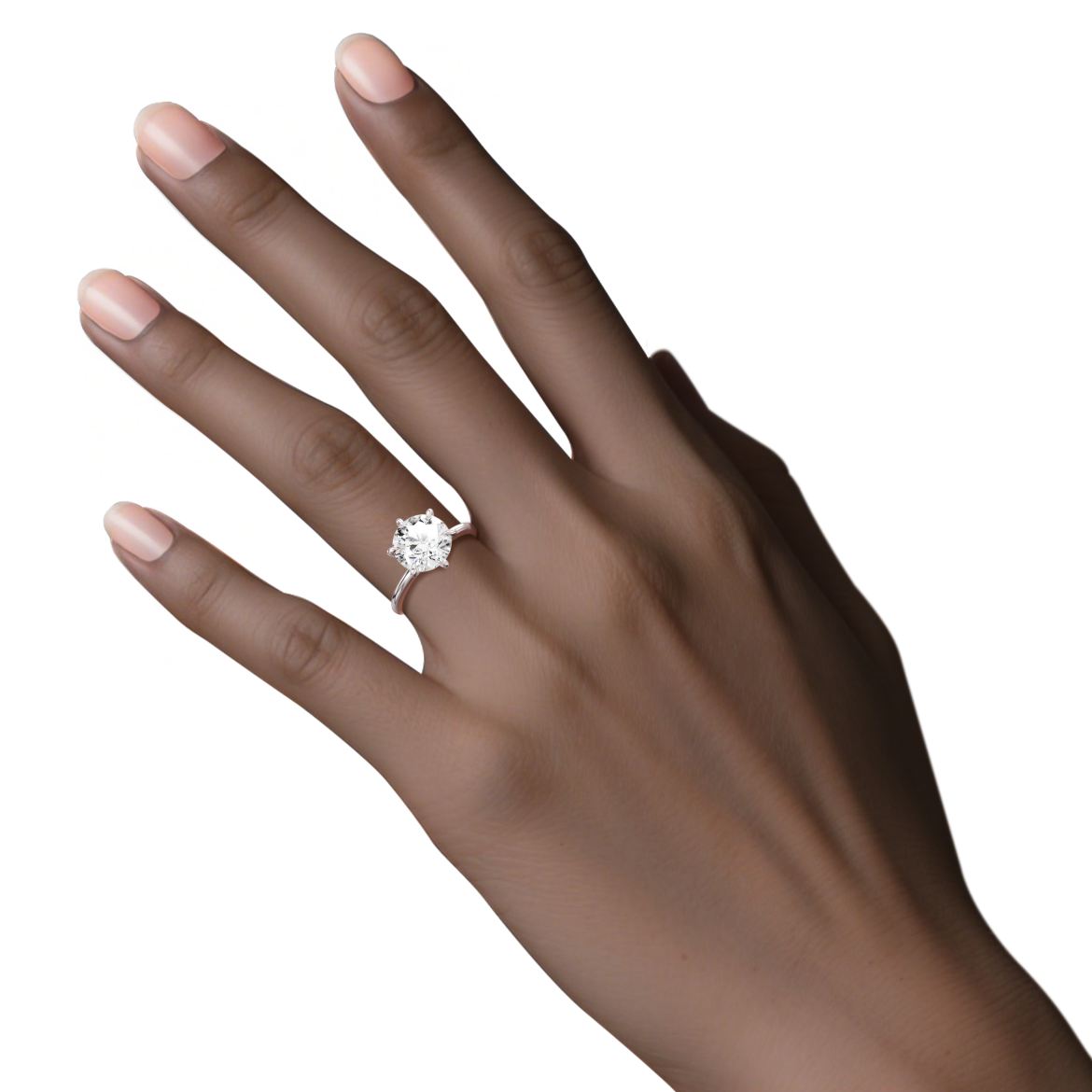
You’re at the counter, lights bouncing off faceted surfaces, and your fingers hover over a velvet tray. Lab created diamond wedding rings feel like the smart move for your budget and values (no pressure, right?). Search data shows that most shoppers compare several styles online first, then head in-store with screenshots and questions. So when is a heart shaped diamond wedding ring the right call—and how do you avoid regret later? Reports suggest more than half of ring buyers research sustainability and certification before purchasing, and interest in heart cuts keeps rising each season. But a heart is different. It asks for symmetry, for light return, for protection at the tip—details that shift the choice from “pretty” to “precision.” Are you measuring the right things, or just guessing by sparkle? (We’ve all been there.) Let’s slow it down and walk through what actually matters next.

Hidden Pain Points: Why Heart Shapes Feel Trickier Than They Look
What details decide if a heart looks bright or dull?
Here’s the quiet truth: many people judge a heart cut like a round. That’s a miss. A round is forgiving; a heart is not. With a heart, small errors in symmetry or cleavage at the cleft can cause a bow-tie or dim center—funny how that works, right? Look, it’s simpler than you think: check the length-to-width ratio, look at the cleft depth, and confirm a balanced pavilion angle. In lab-grown stones, consistent growth (CVD or HPHT) means cutters often have better rough to optimize the outline and table percentage. That can boost light return without pushing carat weight you don’t actually see. Don’t forget fluorescence and girdle thickness; both influence face-up brightness and tip durability.

Traditional advice says “just pick higher carat or VVS clarity,” but that can hide problems. A 1.25 ct with weak symmetry may face up smaller than a well-cut 1.00 ct heart. And VVS clarity won’t fix poor cut grade. Prioritize cut precision, not only clarity or color grading. Ask for videos under neutral lighting and request performance images if available (ASET/Idealscope). An IGI or GIA report helps, yet it’s the optical behavior that your eyes feel every day. If the prong setting doesn’t protect the point, chips happen. If the shoulders flare unevenly, the silhouette looks “off.” Hearts reward careful eyes—and a jeweler who knows how to set the tip securely without dulling fire.
Comparative Insight: What’s Coming Next for Hearts
What’s Next
Now, let’s look forward. New cutting workflows blend spectroscopy mapping with CAD modeling to predict how a specific heart outline will throw light across the crown and pavilion. In lab-grown rough, tighter control of crystal growth planes helps cutters hit repeatable symmetry targets and reduce the bow-tie effect. Settings are evolving, too. Micro-pavé collars and custom prong architecture, built from 3D wax prints, protect the tip while keeping the silhouette crisp—no bulky metal stealing the show. That’s where unique diamond wedding rings get their edge: engineered beauty, not guesswork. Compared with older methods that sized prongs by rule of thumb, modern finite modeling lets artisans adjust pressure points so the heart sits low, secure, and bright. Semi-formal take: better inputs, better outputs—simple as that.
What does that mean for you? Fewer surprises, more control. You can compare a classic heart and a modern “slender-heart” profile side by side, both plotted for light performance before metal ever touches stone. You’ll see how a slightly deeper pavilion can improve scintillation under office LEDs, while a broader table reads bolder in daylight—two environments you actually live in. And yes, a modest carat with strong symmetry can outshine a bigger stone with sloppy faceting—funny how that works, right? The takeaway isn’t “buy more.” It’s “buy cleaner design.” To close, here are three simple metrics to ground your choice: evaluate proportion and symmetry (length-to-width ~0.95–1.05; even lobes and a defined cleft), inspect light behavior (ask for ASET/Idealscope or in-store neutral lighting), and check engineering details (tip protection, balanced prongs, comfortable height). With those in hand, the heart you pick will look brilliant today and resilient tomorrow. For thoughtful craftsmanship and clear specs, explore Vivre Brilliance.