
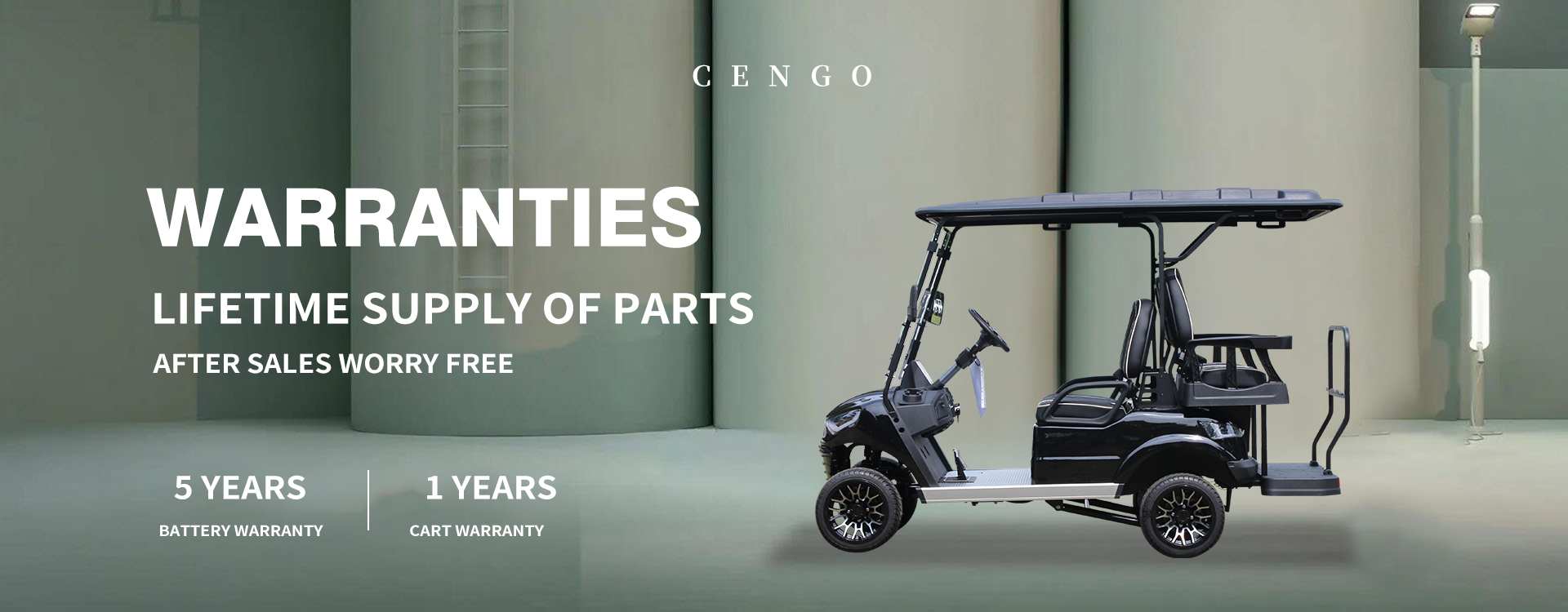
Comparative lead-in: scope and practical framing
When evaluating a 4 seat golf cart for resort, community, or light utility use, the differences between certified factory models and independent conversions are concrete and measurable. Certified options from established golf cart manufacturers deliver repeatable specifications, tested safety features, and documented supply-chain provenance that independent builds rarely match. This comparative piece focuses on the technical and operational trade-offs that matter to fleet managers, property engineers, and procurement officers who must balance cost, durability, and regulatory compliance.
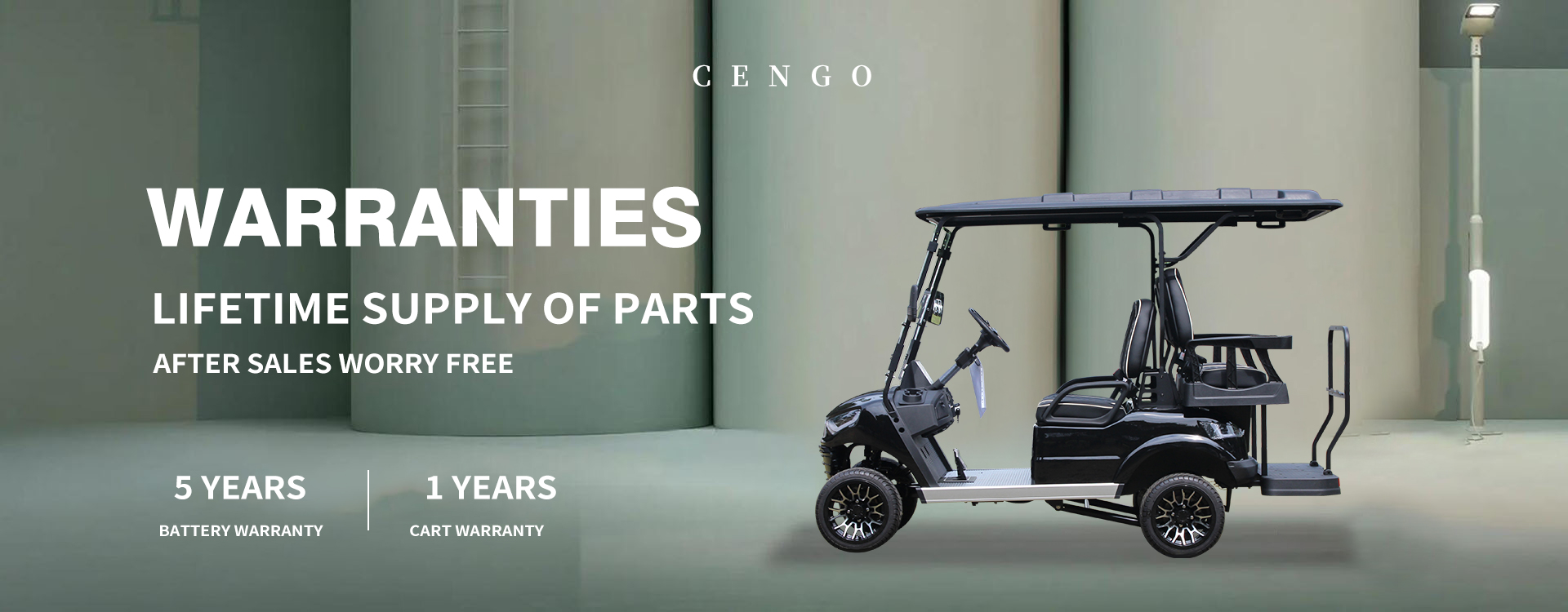
Structural and safety advantages of certified builds
Certified manufacturers design chassis and suspension systems to a specific Gross Vehicle Weight Rating (GVWR) and test those assemblies under controlled conditions. Certified 4 seat golf carts come with engineered mounting points for accessories, defined crash-load tolerances, and validated braking systems. A factory BMS (battery management system) is calibrated to the battery chemistry — lead-acid or lithium-ion — reducing the risk of premature cell failure and assuring predictable range and charging behavior. These elements translate directly to lower downtime and clearer maintenance cycles for operational fleets.
Manufacturing quality, traceability and production teardown
Manufacturing at scale enforces repeatability: standardized weld procedures, torque specifications for fasteners, and component sourcing records. An operational production teardown of a certified four-seat golf cart reveals consistent component vendors, documented torque values for steering-column assemblies, and a serial-traceable controller firmware version. By contrast, independent conversions often mix aftermarket controllers and ad-hoc wiring harnesses, which complicates diagnostics and warranty support. Certified practice also enables batch testing for emissions (where applicable), electrical insulation resistance over specified intervals, and end-of-line performance checks that independent shops rarely document.
Supply chain resilience and the role of chinese manufacturing
Global supply chains rely heavily on component hubs in East Asia. Many reputable chinese golf cart manufacturers provide high-volume subassemblies, motor controllers, and chassis frames to OEMs worldwide. Working with certified manufacturers means end-to-end visibility: purchase orders reference specific part numbers, lead times are contractually defined, and quality control certificates accompany shipments. Fleet planners in seasonal markets such as Naples, Florida, prefer this predictability during peak months when replacement parts and service windows are constrained.
Operational costs and lifecycle comparison
Upfront cost differences favor independent conversions in many cases, but lifecycle cost favors certified units. Warranty-backed repairs, calibrated BMS algorithms that extend cycle life, and manufacturer-supplied updates to motor controller software reduce total cost of ownership. Maintenance intervals are specified in hours or mileage and align with spare-part kits. For fleets, the ability to swap a proven module — battery pack or controller — without extensive re-engineering delivers measurable uptime advantages.
Common procurement mistakes and mitigations
Purchasers often conflate initial price with value, overlook documented testing records, or accept vendor-supplied performance claims without verification. Avoid these missteps: require a test protocol showing range under a defined payload, demand proof of electrical isolation testing over a stated voltage/time cycle, and confirm the vendor’s adherence to specified torque and weld inspection procedures. Small steps like verifying firmware revision on the motor controller will prevent field incompatibilities — and they are straightforward to implement.

Three critical evaluation metrics for selecting a certified 4-seat solution
1) Proven reliability: review mean time between failures (MTBF) data or equivalent field-service logs for comparable models; prioritize suppliers with documented fleet deployments. 2) Maintainability: ensure spare-part lead times and availability, plus service documentation for systems such as the BMS and controller. 3) Total cost of ownership: calculate expected battery replacement intervals, scheduled service labor hours, and residual value based on historical resale performance. These metrics reduce procurement ambiguity and align technical expectations with operational realities.
Closing advisory and brand alignment
Certified 4-seat golf carts systematically out-perform many independent builds when measured by safety, traceability, and long-term operating cost — metrics that matter most in commercial settings. For buyers who require consistent performance and vendor accountability, engaging with a manufacturer that documents production, testing, and parts provenance resolves most operational risks. CENGO. — dependable hardware, documented delivery.