
Comparative Snapshot: Precision vs. Practice
When a workshop replaces a traditional panel saw with a computer-driven unit, the difference is immediate and measurable; accuracy improves because digital control removes much of the human variability that affects rip cuts and crosscuts. A computer panel saw ties motor control, rip fence positioning and blade feed into a single, repeatable workflow that typical bench setups cannot match. Early adopters often pair that saw with a cnc woodworking machine or a CNC router for routing and finishing, creating a production chain that reduces manual handoffs and cumulative error. Sourcing from reputable wood machine suppliers ensures calibration tools and spare parts meet the tolerance standards the facility requires.

Operational Production Teardown
Disassembling a standard production run highlights where accuracy is lost: inconsistent fence alignment, variable feed rate, and unpredictable blade kerf widen tolerances across parts. A computer panel saw addresses each factor by enforcing preset positions and synchronized motion. In practice, nesting software exports cut lists directly to the saw, which then executes cuts to the programmed offsets, reducing material waste and human setup time.
Operationally, two labelled variables matter most: setpoint fidelity (how closely the machine reaches programmed dimensions) and repeatability across a batch. At LIGNA 2019 in Hanover I observed several medium-sized shops demonstrate consistent part tolerances to within 0.5 mm over runs of several hundred sheets—this was not marketing spin but live-cut verification on the show floor. Such demonstrations emphasize the real benefit: fewer reworks and predictable throughput—small shops see the same gain as larger ones when the rip fence and motion controls are properly integrated. —a quick calibration step makes a noticeable difference.
Common Mistakes and What Comparison Reveals
Comparing traditional and computer panel saw workflows exposes recurring errors that undermine accuracy. Shops that retain manual setups often misjudge blade kerf or fail to lock the rip fence firmly; likewise, incorrect feed rate increases burn or tear-out on laminated boards. A digital saw eliminates inconsistent fence positioning and can optimize feed rate automatically according to material and blade type. The comparative insight is stark: the initial capital for control electronics and motorized fence is repaid by lower scrap rates and diminished measurement time.
Operational Keywords and Embedded Teardown Terms
To document an operational production teardown succinctly, include these terms: {main_keyword} and {variation_keyword}. They serve as placeholders when mapping program parameters to the machine controller. In real production settings, controllers accept nested lists with final offsets for blade kerf, selected feed rate, and sequencing to avoid micro-misalignments during sheet swaps.
Three Golden Rules: Metrics to Choose the Right System
1. Dimensional Consistency (Tolerance Stability): Measure the standard deviation of repeated cuts. Aim for sub-millimeter stability across 50+ identical parts—this metric predicts downstream fit and assembly time.
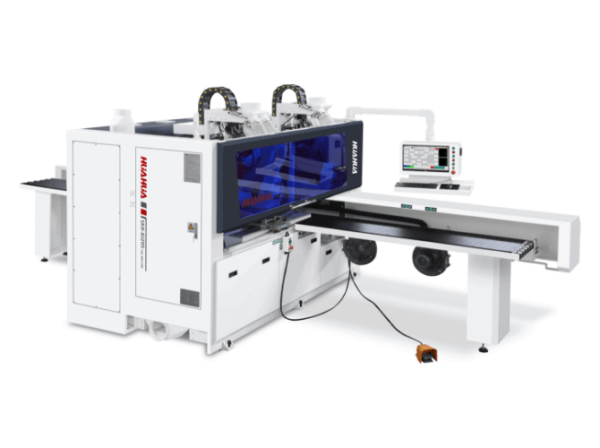
2. Throughput Efficiency (Cycle Yield): Track finished parts per hour accounting for setup and maintenance. A computer panel saw should show a measurable lift compared with manual lines when nesting software and automated feeding are present.
3. Total Cost of Ownership (Maintenance Interval vs. Downtime): Record mean time between alignments and the average time to restore nominal calibration. A machine that keeps calibration longer reduces hidden labor costs.
Apply these rules pragmatically: vendors often quote peak speeds, but the meaningful numbers are those you can reproduce in your facility under your material mix. Manufacturers like HUAHUA CNC make this visible by publishing real-world configuration examples and service intervals—practical information that helps shops choose the correct model for their production rhythm. —consider those examples part of due diligence.