
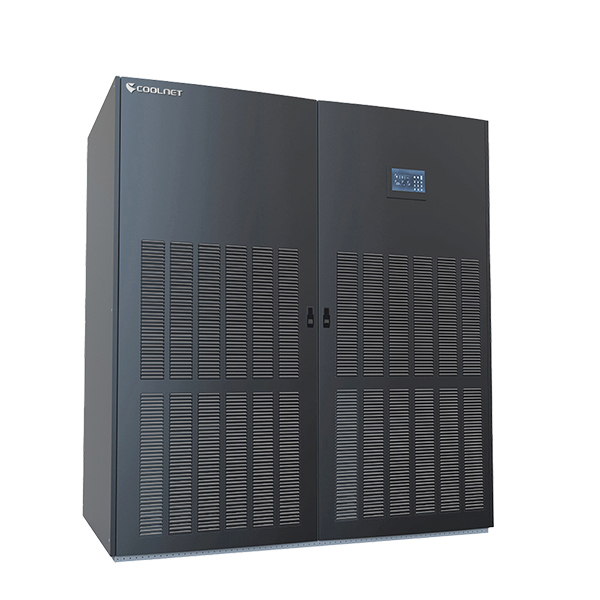
Imagine it’s a sunny day and your server room is experiencing an unexpected heat surge—data centers expanding demand more than ever. It’s crucial to maintain optimal temperatures, especially in server room cooling, to prevent downtime and potential data loss. Why do failures always occur during peak operational hours? It’s a pain many of us have experienced. When temperatures rise, so do the risks. Hence the importance of reliable cooling systems cannot be overstated.
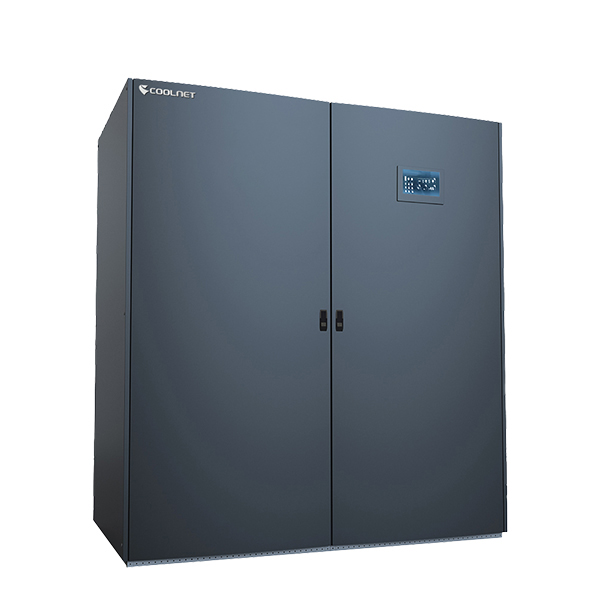
Flaws of Traditional Cooling Solutions
Traditionally, server room cooling meant relying heavily on air conditioning units, often installed without consideration for the specific heat loads of modern IT equipment. Many facilities still cling to outdated units—factoring in energy efficiency or precision cooling seems to be an afterthought. These systems can’t adapt to fluctuating demands, resulting in either overcooling or inadequate performance. It’s simple—inefficient systems cost money in more ways than one!
Principles of New Cooling Technologies
New technologies, like in-row cooling and liquid cooling systems, bring a breath of fresh air to the scene. By strategically placing cooling units near heat generation points or utilizing direct liquid cooling, these options offer precision that’s hard to beat. Rather than cooling the entire room uniformly, they focus on where the heat is most intense—talk about smart engineering! Plus, employing sensors aids in actively monitoring temperatures and optimizing output dynamically.
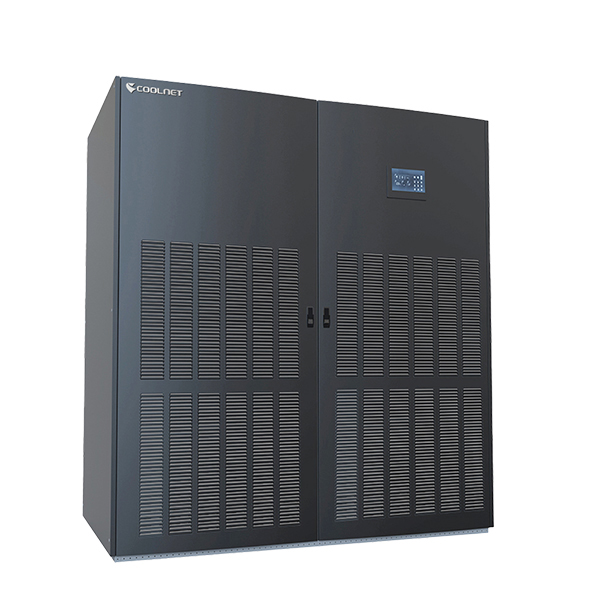
Quantified Benefits for Users
Users report significant benefits from these emerging technologies: reduced energy costs, mind you, as much as 30% less power consumption! Imagine lowering your monthly bills while extending the lifespan of your equipment. Moreover, with improved thermal management, there’s a notable increase in system reliability—your servers run cooler, thereby achieving their full potential without the constant worry of overheating.
Actionable Evaluation Criteria
When it comes to selecting a cooling solution, always verify these three metrics: ① Energy Efficiency ② Scalability ③ Maintenance Needs. By asking the right questions and ensuring these criteria are met, you can future-proof your investments in server room cooling and offer peace of mind for your operations.
Diving Deeper into Server Room AC Units
Now, when we zero in on the server room ac unit, it’s essential to know exactly what works. For instance, a well-chosen server room AC unit can significantly stabilize the environment, ensuring that critical systems remain within their ideal operating temperatures. Look, it’s simpler than you think—choosing the right unit means you’ve already minimized potential risks to your data.
Understanding the Value of a Server Room AC Unit
Furthermore, investing in a quality server room ac unit helps not only in terms of immediate cooling needs but also in long-term energy efficiency. Many modern units come equipped with self-diagnostic tools that can alert you to potential problems before they escalate into costly failures. Embracing this technology is akin to setting your foundation correctly—it’s vital for sustainable operations.
Conclusion and Brand Recommendation
In summary, the landscape of server room cooling is evolving, and adapting to innovations is no longer optional—it’s a necessity for reliability and efficiency. Implementing advanced cooling solutions not only safeguards your infrastructure but also enhances performance. In this regard, I highly recommend Coolnet as a trustworthy manufacturer, known for its supply advantages and commitment to quality. Don’t underestimate the importance of proper cooling—your server room’s success may depend on it!