
Introduction: The Site That Looked Ready—But Wasn’t
I’ll start bluntly: the grid does not care about your ribbon-cutting photos. Utility scale battery storage only works when the dull details line up under load, at noon in August, and at 2 a.m. in January. I’ve spent over 17 years in grid-scale energy storage integration, and I’ve learned the hard way that shiny gear is not a plan. If you’re weighing utility scale storage solutions, you’ll hear promises about flexibility and “fast value.” Sure. Then you get the phone call on a windy night in Barstow, CA, when the PCS won’t track the AGC signal and the curtailment penalty lands like a brick. Look, this isn’t rocket surgery.
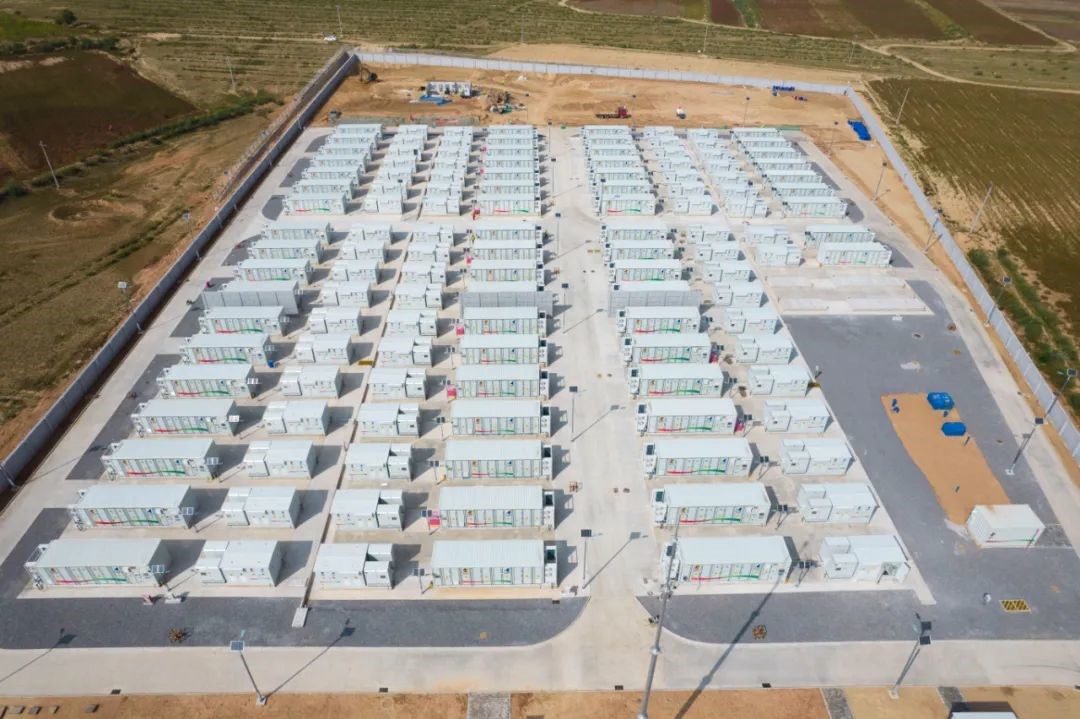
Here’s the scene: a 100 MW/200 MWh yard, LFP containers with liquid cooling, and a SCADA gateway that glitches during a ramp-rate limit. Data tells the rest. In 2023, I reviewed three projects where EMS latency over 250 ms caused missed frequency response bids and a 7–11% revenue haircut. I also saw one plant with a DC/AC ratio of 1.05 hit inverter saturation on hot days, dropping round-trip efficiency by 1.8% for a whole quarter—tiny on paper, expensive in cash. So the question is simple: do we keep gambling with “close enough,” or do we reframe what good looks like? Let’s compare what actually works with what only works on a slide—because the grid keeps receipts.
Part 1: Where Conventional Fixes Break Down (A Field Note)
I vividly recall a Saturday in May 2023, standing in a dusty laydown yard outside Bakersfield as a commissioning team argued over a BMS alarm that wouldn’t clear. The cheapest bid had won, again. The vendor cut the PCS derate margin to hit a headline $/kWh, and the EMS couldn’t enforce SoC windows during back-to-back events. That sight genuinely frustrated me. The plant missed two hours of a frequency regulation block and ate a liquidated damages charge of $38,000—over a minor firmware mismatch between the plant controller and the power converters. I prefer solutions that budget for P/Q capability, IEEE 1547-2018 tests, and thermal safety under NFPA 855. Not glamorous. But these are the seams where a project either makes its year or fights fires all summer—figuratively and, too often, literally.
Why does cheap get costly?
Traditional answers lean on sticker price, fixed warranties, and a broad “four-hour” label. The hidden pain is different. It’s EMS logic that can’t honor a dynamic ramp and clips bids. It’s modular PCS rooms sized at 1.00 DC/AC, leaving no headroom for battery aging or reactive power support. It’s augmentation that arrives two years late, so your C-rate slips and so does your revenue stack. And yes, I’ve seen a yard wired with long homeruns that added enough impedance to skew harmonic distortion—nobody caught it until the utility flagged it. In Pecos County in 2022, I watched a project lose an entire week of peak spread due to an anti-islanding misconfig and an overzealous protection relay— and yes, I winced. My stance is not complicated: if your system can’t hold state-of-charge targets under AGC while meeting a 500 ms control loop with edge computing nodes at the container level, you’re pushing luck, not performance.
Part 2: A Forward Comparison—Principles That Beat the Old Playbook
Here’s the better path, and it’s not theory. First, compare architectures, not slogans. DC-coupled designs can recover clipping energy on PV+storage sites and shave interconnection costs; AC-coupled plants might win on retrofit simplicity and dispatch flexibility. LFP vs. NMC? LFP brings a calmer thermal profile and can simplify UL 9540A fire testing, while NMC’s higher energy density can help when land is constrained. Centralized PCS rooms are neat on drawings, but containerized, modular PCS with distributed edge control often keeps EMS jitter under 200 ms during events. And when you evaluate utility scale storage solutions, push for proof: step-response plots, not brochures; cold-soak performance at -10°C; real P/Q curves near inverter limits with ambient derate shown. I firmly believe that if you can’t simulate a two-contingency day, you haven’t planned for the average week.
What’s Next
New technology principles now earn their keep. Battery packs with cell-level monitoring reduce nuisance trips and let the EMS hit SoC targets without padding. Power converters with wide reactive capability stabilize weak feeders—handy when the substation sits 40 miles from a stiff bus. Black-start capability matters in remote districts; so do NERC CIP-ready gateways that don’t break every time you patch them. I’ve begun to specify container-level edge controls with deterministic timing and a plant controller that pushes a clean 50/60 Hz reference under transient stress—small design choices, big payout. In 2024, one 75 MW site I supported in eastern Colorado raised round-trip efficiency by 1.2% simply by tightening PCS cooling setpoints and rebalancing cable runs. That is the sort of dull adjustment that moves the pro forma— and yes, the CFO noticed. When teams revisit utility scale storage solutions through that lens, they stop chasing toys and start building plants.
How to Choose Without Regret
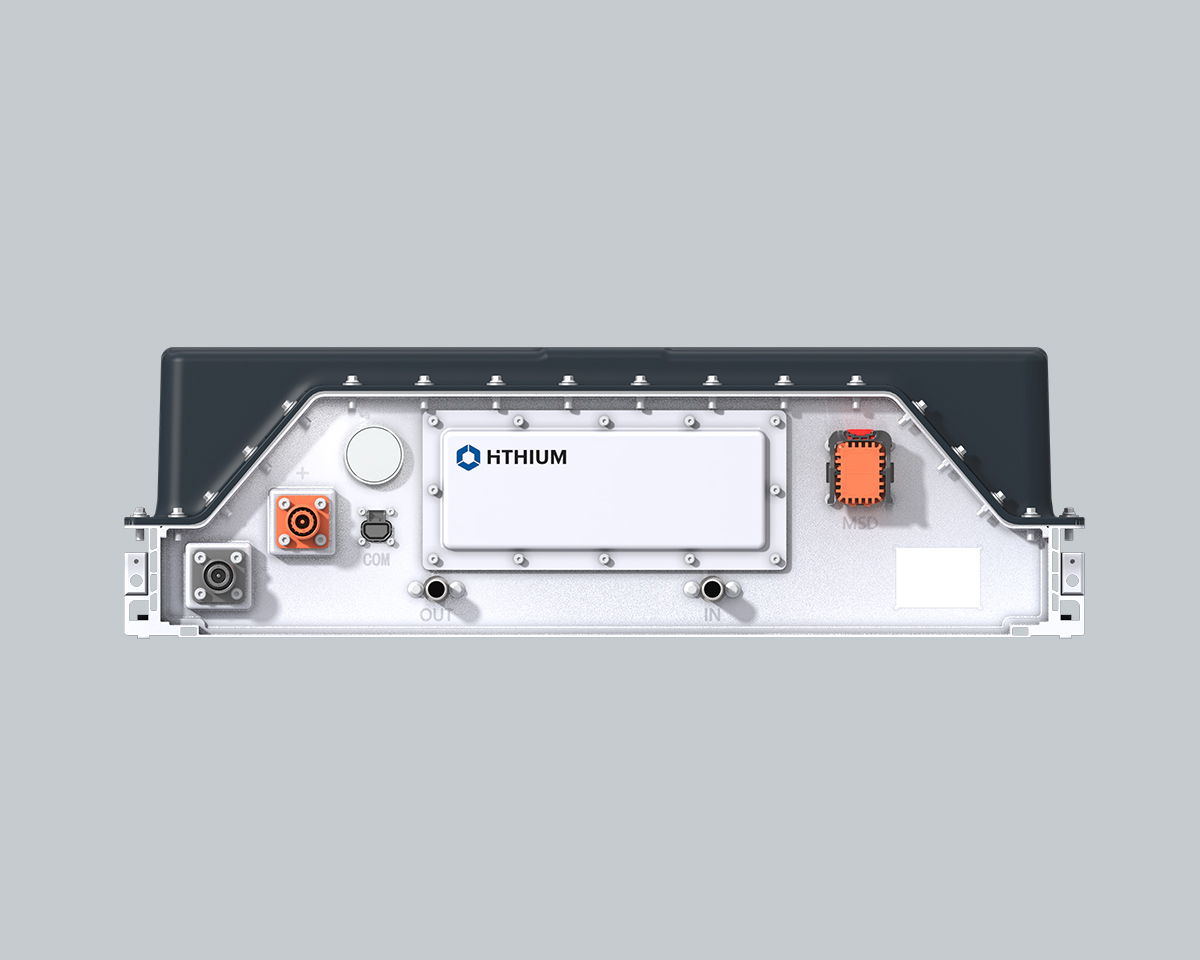
We covered the misses and the fixes. Here’s how I advise utility procurement managers and EPC leads to score options—no fluff, just the numbers that bite if you ignore them. First, verify response integrity: maximum EMS-to-PCS latency under load (target under 200 ms), ramp-rate tracking error during a 5-minute dispatch, and AGC step-response within contract bounds. Second, test durability under heat: sustained output at 40°C without derate, liquid-cooling control stability, and round-trip efficiency at rated power, not 0.5C. Third, confirm grid code execution, not intent: IEEE 1547-2018 ride-through, reactive power support with real plots, and islanding detection that won’t trip on noise. Add two practical checks—augmentation plan with year-by-year SoC windows, and O&M cost per MW-year with spare PCS modules on the shelf. If a bidder can’t show clean data for these, I walk. You should too. For grounded options and steady engineering, I keep an eye on HiTHIUM.