
How a buyer brief can keep Mppt Charge Controllers evaluation focused on system compatibility for early research
Manufacturing teams often begin with a broad equipment question, but mppt charge controllers should be assessed against a defined system context. Early research is more useful when the buyer brief states what the controller must connect to, what the team already knows, and which points still require technical discussion. This keeps product language from becoming a substitute for compatibility review.

Describe the operating context first
Start with the system rather than the product label. Note whether the planned arrangement includes solar panels, a battery bank, or both. The purpose is not to select a model immediately. It is to establish the interfaces that matter for the next conversation.
The official product page describes an MPPT charge controller as a DC-DC converter designed to maximize energy harvested from solar panels while efficiently charging a battery bank. That description gives a useful starting point for research. It does not, by itself, confirm that a particular unit matches every array, battery, enclosure, or operating condition.
A buyer brief should therefore separate known facts from open questions. Record the intended solar source, the battery arrangement, the physical space available, and the role the controller is expected to play. If a detail has not been defined, mark it as unresolved instead of filling the gap with a general assumption about MPPT equipment.
Turn compatibility into specific questions
Compatibility is not one yes-or-no label. It is a set of questions about the planned system. Ask how the solar side and battery side are expected to interact. Ask which operating limits must be confirmed by the engineering team. Ask what installation constraints could affect the choice. These questions help procurement avoid comparing products on broad descriptions alone.
The page explains that solar panels and batteries can operate at different and changing voltage levels. It also states that an MPPT controller tracks the solar array’s optimal operating point and converts voltage to match battery charging requirements. For early research, this makes the relationship between the array and battery a central discussion point. It still does not establish the values or conditions for a specific project.
Use the brief to assign responsibility for each unanswered item. Engineering may need to define the electrical interfaces. Operations may need to describe the intended working environment and available space. Procurement can then ask suppliers to respond to the same information instead of collecting disconnected claims from different product pages.
Read page-level evidence carefully
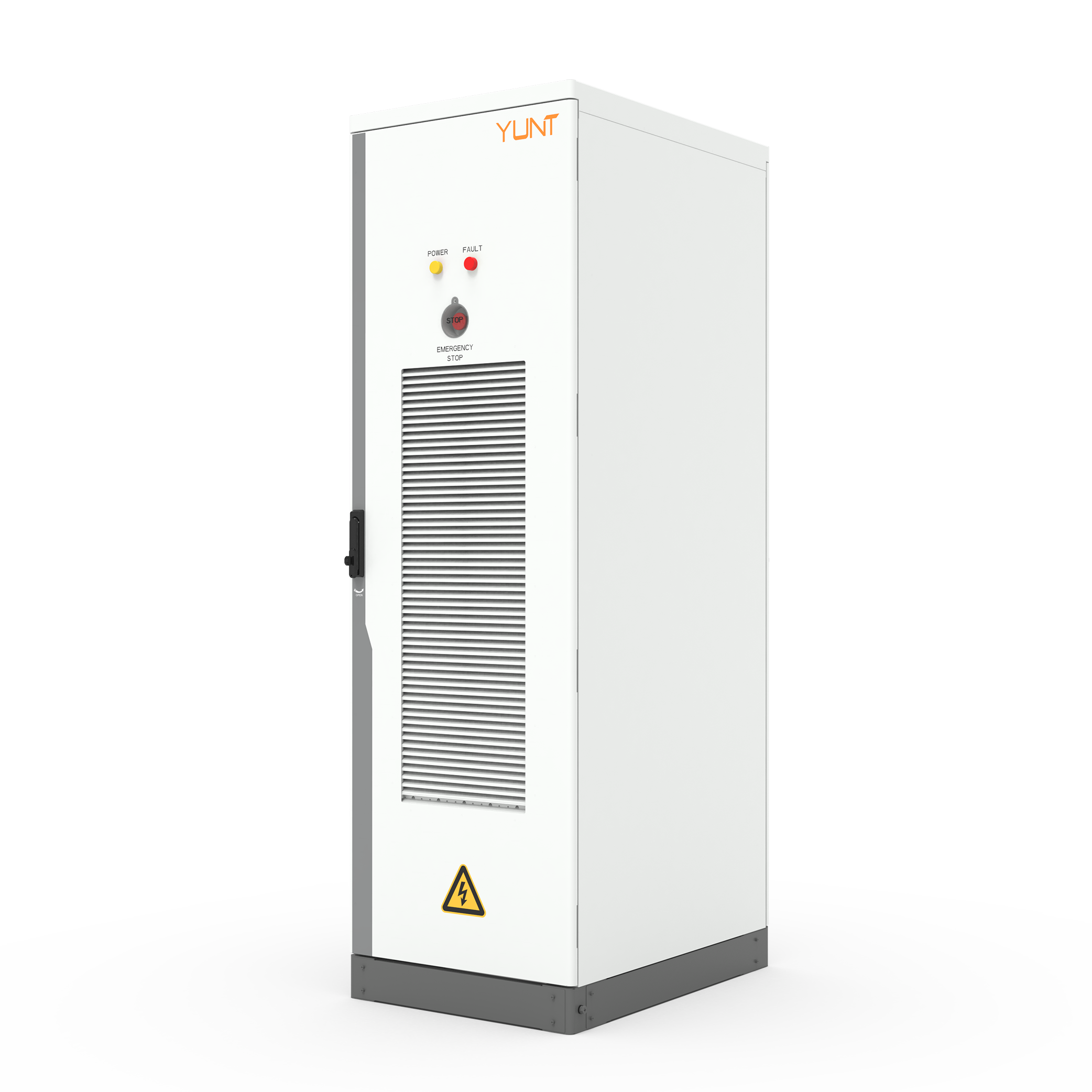
When comparing an mppt solar charge controller supplier, keep each statement tied to its stated scope. The official page says that the YUNT MPPT solar charge controller is intended to maximize solar energy harvest and enable flexible DC-coupled solar and storage system designs. That is relevant evidence for a preliminary comparison, but it should not be expanded into an assumption about every model or application.
Separate three types of notes in the evaluation record: what the page explicitly says, what the project requires, and what must be discussed with a technical contact. This simple separation reduces the risk of treating a general product description as a complete specification. It also gives the team a clear reason for each follow-up question.
Feature language should be handled in the same way. The page describes intelligent multi-stage charging as supporting voltage and current control, charging speed, and battery life. A buyer can record those statements as page evidence. The buyer should not turn them into a quantified performance promise or apply them automatically to an unexamined configuration.
Plan the next technical discussion
A useful next step is to send a short, structured brief rather than a vague request for pricing. Include the intended system arrangement, the known space constraint, the required interfaces, and the questions that remain open. Ask for responses that address those points directly. This creates a cleaner record for engineering and procurement review.
The brief should also preserve uncertainty. A product may appear relevant because its page discusses solar harvest, battery charging, or DC-coupled designs. Those statements help narrow the research field, but they do not replace project-specific assessment. Keeping that boundary visible protects the team from making a decision based on a feature phrase alone.
- Define the relationship between the solar panels and battery bank before comparing controller options.
- Record claims about solar energy harvest and DC-coupled solar and storage designs as page-level evidence, not as universal suitability conclusions.
- Keep charging-control statements separate from project-specific performance expectations.
In practical terms, a focused evaluation has three outputs: a description of the intended system, an evidence record tied to the page, and a list of technical questions for the next review. That structure makes early research easier to revisit when project details change. It also gives YUNT a clear, non-promotional brief to address when the team moves from general research toward a product discussion.