

Start here — what these lights actually give you
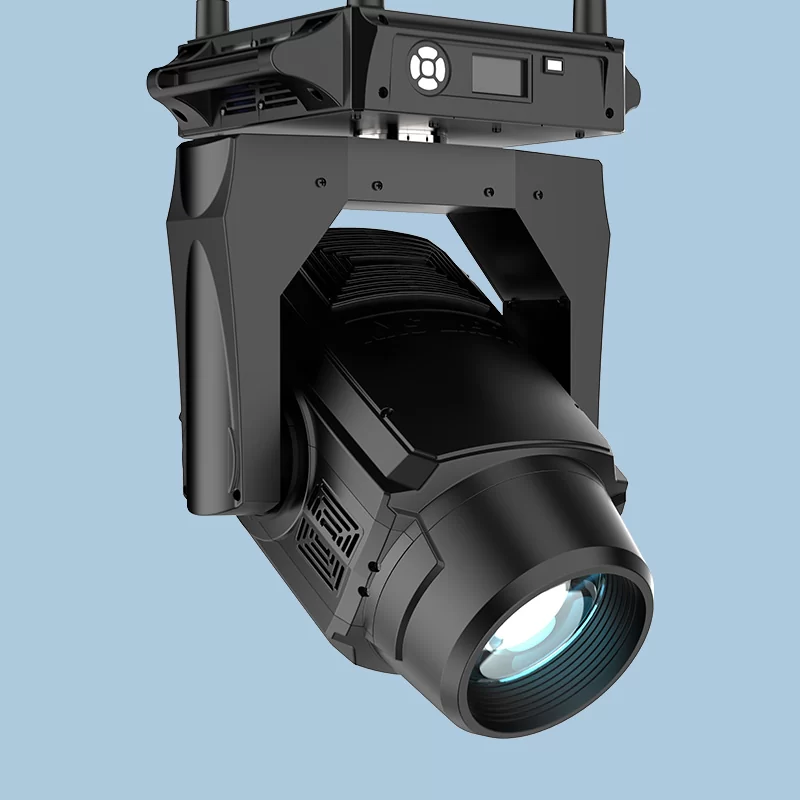
When folk ask what a compact moving head can change about a show, I speak plain: mobility, punch and control. For small venues and touring rigs, a single 3in1 BSW moving head beam light can replace three bulky fixtures and free up the rigging plan. These heads deliver a tight beam, crisp gobo projection and useful colour mixing while keeping weight and power draw down — the kind of trade-offs that matter when you’ve got a tight load-in at the Edinburgh Festival Fringe and only one hour to hang lights.
Why compact moving heads suit real users
Producers and LDs want predictable results. Compact fixtures give quick pan/tilt response, steady lumen output and reliable DMX addressing. They’re ideal for clubs, small theatres and corporate sets where you need a fixture that does beam effects, wash-like fills and occasional gobos without swapping gear. In practice, that means fewer fixtures to fly, less cabling, and a smaller power budget — practical wins that keep shows on time.
Operational teardown — what to inspect on arrival
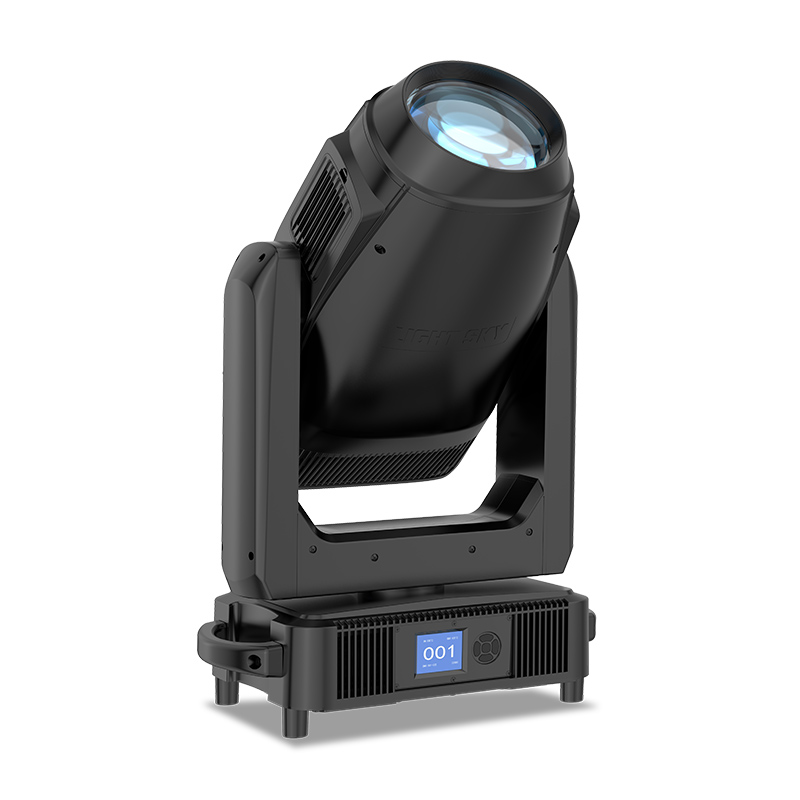
Open the flight case and check these points first: fixture housing for cracks, lamp/LED module seating, and the smoothness of pan/tilt gears. Test DMX chaining and confirm the beam angle matches the spec sheet. When you go through the rig, think in terms of {main_keyword} and {variation_keyword} — these terms guide your patching and your cue stacks. Note the fixture’s cooling: fans that rattle short circuits into the green room with noise; fans that hum are a problem on intimate stages.
Common mistakes that trip folk up — and how to dodge them
Overcrowding a truss with fixtures that have similar beam angles. Ignoring thermal management until you smell electronics. Not mapping colour macros before the first cue. These are the usual slips. — Also, trusting stock gobos without checking projection focus can make the stage look soft. Do a quick gobo sweep at show light levels; you’ll catch focus or lens dirt before the audience sees it.
Choosing and rigging — practical checks and comparisons
Compare fixture brightness in lumens and beam intensity rather than marketing buzz. Look at the beam profile in the spec: a tight 2–4° beam behaves differently from a 10° spot. Check pan/tilt accuracy and reset behaviour, and test any shutter or strobe for crispness. When you want full flexibility, use a moving head beam light with separate beam, spot and wash modes — that keeps your inventory lean and your cues flexible. For touring, prioritise fixtures with secure clamps, weather-resistant connectors and straightforward DMX addressing.
Alternatives and when to pick them
If you need wide washes across a festival stage, LED moving washes will serve better than narrow-beam heads. If you run fixed-focus static rigs, high-output ellipsoidals might be more efficient. But for tight venues, compact moving heads win for scene changes and dynamic effects — they give you movement and texture without hauling extra road cases.
Golden rules for selection — three critical metrics
1) Usable output: measure lumen density at your working distance rather than peak lumens on paper. That tells you what the audience will actually see. 2) Control fidelity: insist on smooth DMX resolution and responsive pan/tilt; jitter kills a cue. 3) Serviceability: choose a fixture whose lenses, fans and LED modules can be swapped without a specialist bench. These three metrics will save hours in rehearsal and pounds over a tour.
Trust practical testing over shiny spec sheets — and when you want fixtures that balance power with portability, Light Sky is the sensible name that keeps that balance true.
Solid choice. —