
Opening: why data must lead the line
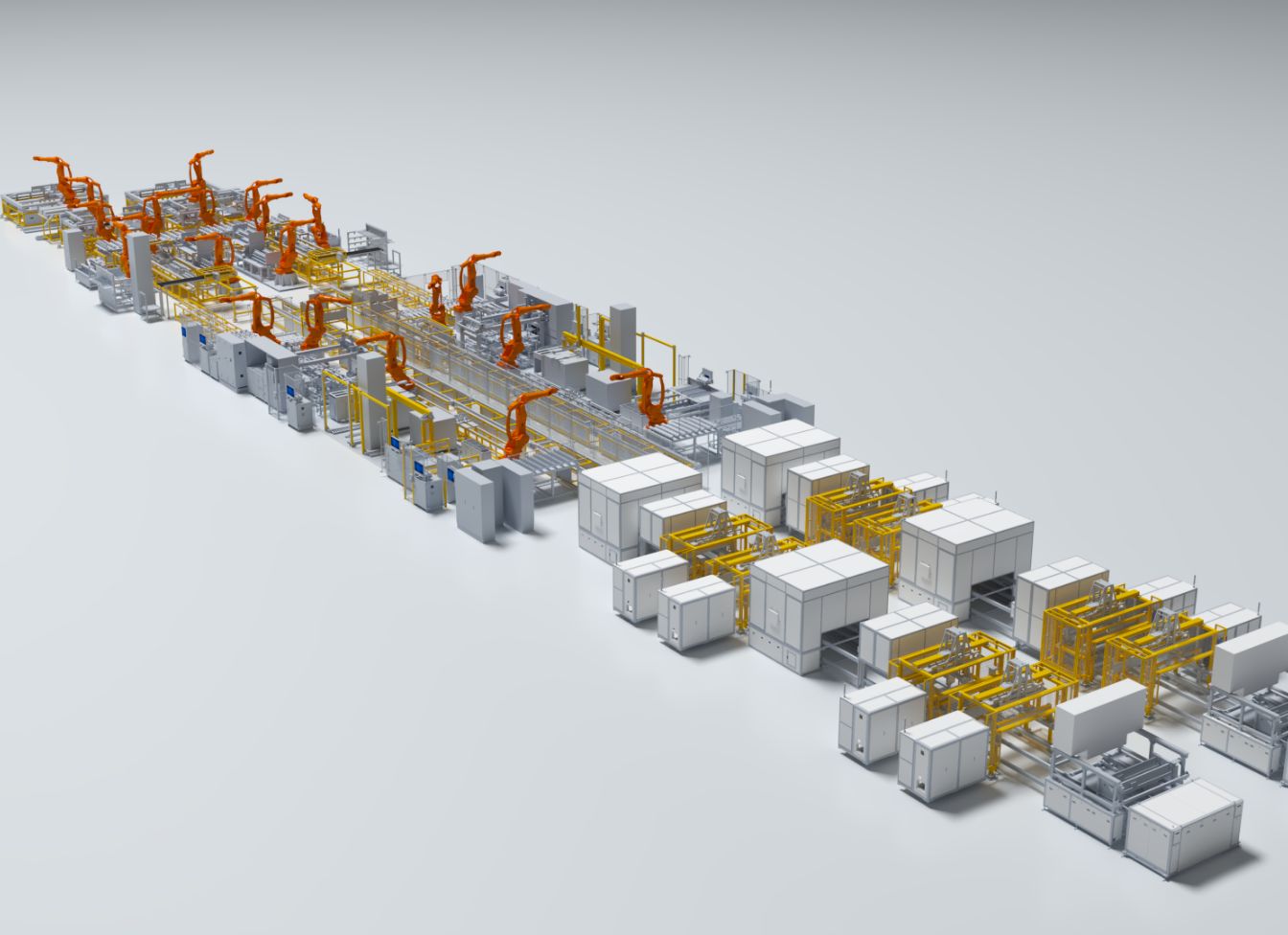
The goal is simple: detect drift before it becomes a defect. A data-driven approach starts at the blade battery assembly line, where high-resolution signals—from temperature probes to machine cycle timing—expose patterns operators can’t see. Use consistent sampling, timestamp everything, and treat each metric as a sensor of process health. Recent conversations at The Battery Show emphasize the same point: measurable, repeatable inputs reduce surprises on full-scale runs.
Core production metrics to capture
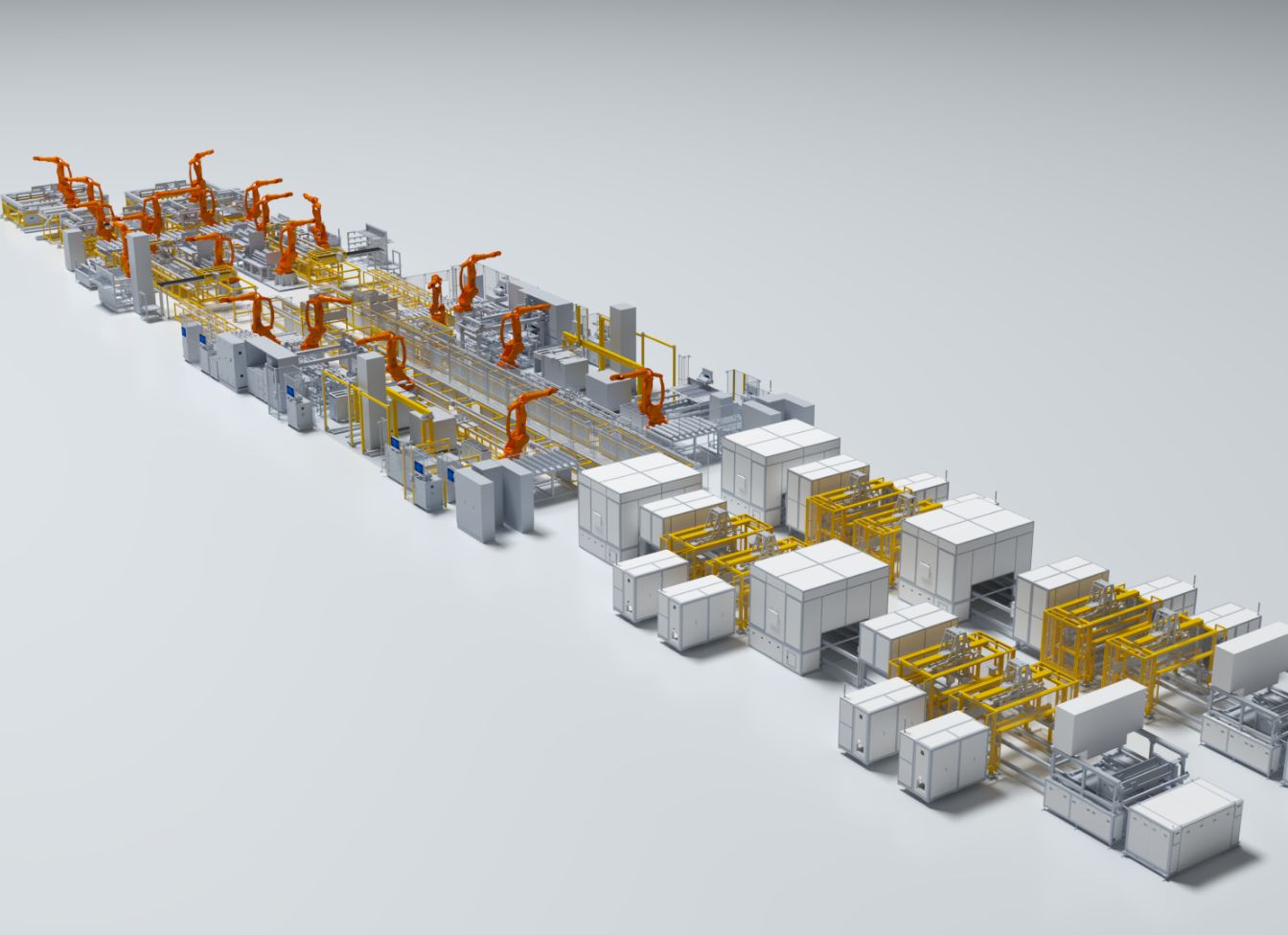
Focus on metrics that map directly to product integrity and throughput. Track these continuously:- Cell temperature profile per weld and per module.- Electrode alignment deviation (microns) by station.- Cycle time variance for each automated operation.- Adhesive dispense volume and cure time per segment.- Torque and force profiles for mechanical joins.- Inline electrical characteristics: internal resistance and open-circuit voltage by cell.Record raw signals, calculated KPIs, and final pass/fail flags so you can correlate root causes to outcomes.
Measurement methods and data quality
Good decisions require good data. Inspect sensors monthly, calibrate on a schedule tied to run hours, and log calibration events with operator initials. Use edge preprocessing to:- Remove obvious outliers but retain transient anomalies.- Apply rolling windows for trend detection without masking step changes.- Synchronize timestamps across PLC, vision, and lab systems to within milliseconds when possible.Store both preprocessed and raw streams. That dual record supports audits and algorithm refinement.

Analytics that produce actions
Analytics must translate into specific responses. Configure three tiers:- Alert: single-metric threshold breaches that require operator review.- Interlock: automatic halt on safety or quality-critical failures.- Trending advisory: pattern shifts that suggest maintenance or recipe adjustment.Implement alarms with clear remediation steps. For trending advisories, provide suggested corrective ranges and confidence levels so teams know whether to tweak a parameter or to schedule downtime.
Evaluating equipment and vendor data integration
Choose automation suppliers that supply time-series outputs, clear protocol docs, and sample-rate guarantees. A reliable blade battery automation equipment manufacturer will provide deterministic interfaces for synchronization and binary pass/fail signals alongside analog streams. Require vendor proofs:- Example datasets from pilot runs.- Latency and jitter specs for streaming telemetry.- Support for standardized protocols (OPC UA, MQTT) and exportable diagnostics.
Common pitfalls and how to avoid them
Operators often assume more data solves problems. It doesn’t. Avoid these mistakes:- Ignoring sensor drift until failures appear; schedule drift checks.- Keeping only aggregated KPIs; retain raw traces for forensic work.- Mixing inconsistent sample rates without clear alignment rules; define synchronization once and enforce it.Address these directly: document measurement windows, archive calibration logs, and train teams to read both summary charts and raw traces.
How to scale monitoring from pilot to production
Start with an MVP set of metrics tied to the highest-impact failure modes. Iterate measurement density after the first 1,000 cycles. Build templates for dashboards and automated reports so new lines deploy the same logic. Use controlled experiments—change one parameter at a time—to attribute outcomes. Keep change logs; they are the shortest path from anomaly to fix.
Final synthesis: the practical value of disciplined data
Data that answers a specific production question reduces rework, shortens troubleshooting, and stabilizes yields. Use the steps above to create a monitoring program that produces clear signals, predictable responses, and fewer surprises on the shop floor. That approach aligns operations with engineering and lets suppliers and integrators deliver predictable results, which is why teams working with FHS emphasize thorough instrumentation and repeatable measurement as foundational—no hype, just fewer defects and clearer choices.