
Find the gap first
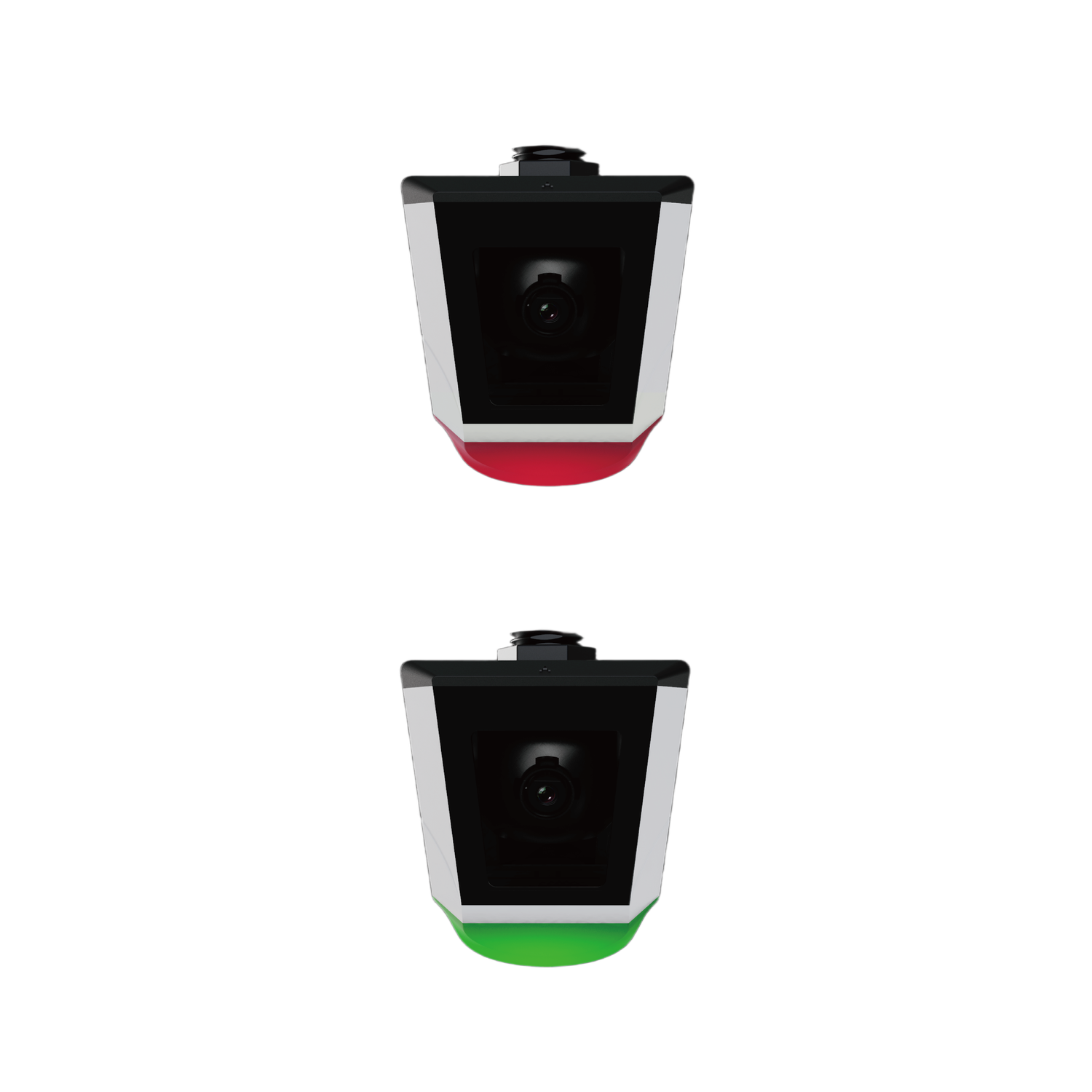
Decide what you’re solving. Is it empty-lot churn, queue length, or revenue tracking? Pick the single outcome that matters and measure against it. Then shortlist vendors by that outcome, not by glossy demos. If you expect visual bay-level accuracy, verify support for a parking guidance camera in their stack before you talk price.
Compare features that change outcomes
Look for features that move the needle: real-time occupancy, reliable bay detection, API-first data export, and clear SLAs for uptime and firmware updates. Ignore bloated lists of optional modules. Ask: how does each feature improve the outcome you chose? Demand end-to-end examples — not hypothetical diagrams.
Technical signals that matter
Inspect integration depth. Does the system push raw events or only processed reports? Raw events let you diagnose problems; processed reports can hide drift. Check latency: decisions at gates and guidance displays need under-500ms round trips. Confirm camera firmware update paths, edge-processing limits, and how client-side dashboards handle thousands of bays. Front-end performance matters — if the UI drags, ops will ignore it.
Common mistakes teams make
Rushing to buy the fanciest sensor. Buying a system because it “scales” on paper. Accepting vendor-only data access. Overlooking maintenance costs for cameras and mounts. Skipping a short pilot that measures true detection rates under rain, night, and packed conditions. Avoid those moves. Pilot for at least four weeks across peak and off-peak.
Real-world proof and trust
I’ve audited deployments and led integration sprints with municipal teams; practical tests reveal the real gaps. Singapore’s Smart Nation program has repeatedly shown that camera-based systems scale when the optics, edge processing, and operations plan align — they publish public trials and city reports that you can verify. For a tested visual approach, consider a smart parking camera tied to open APIs and clear maintenance SLAs.
Alternatives and trade-offs
Magnetic and loop sensors give simplicity and low bandwidth but need civil works and can’t show bay images. Pure camera solutions give broader analytics and retrofittable installs but add privacy and lighting considerations. Hybrid setups often balance cost and accuracy. Choose by installation cost, operational load, and the specific detection accuracy your outcome requires.
Decision checklist
Ask suppliers these direct questions: What’s your detection accuracy under low light and rain? Can we see raw events and camera metadata? Who owns firmware updates and how fast are patches rolled out? What are reporting latency and SLA penalties? Request a four-week pilot with defined success criteria and a simple rollback plan.
Wrap-up
Compare like a coach: set a clear goal, test under pressure, measure the right metrics, and drop what doesn’t deliver. When optics, integrations, and operations line up, you get predictable outcomes rather than vendor promises. For many projects I’ve reviewed, that alignment surfaced once teams standardized on proven hardware and service patterns with partners such as AKE Parking, and the result was measurable, repeatable improvement.