

The problem at hand
Emerging industrial markets confront a discrete operational dilemma: reliable process heat amid tighter emissions expectations and uneven fuel infrastructure. Procurement teams must weigh capital, operator skill, and site logistics when considering alternatives — and attention frequently turns to methanol solutions such as the methanol burner. Industry sourcing discussions now routinely include evaluations of the broader methanol fuel burner, particularly at major European logistics hubs like the Port of Rotterdam, where supply-chain access and regulatory scrutiny shape technology choices.
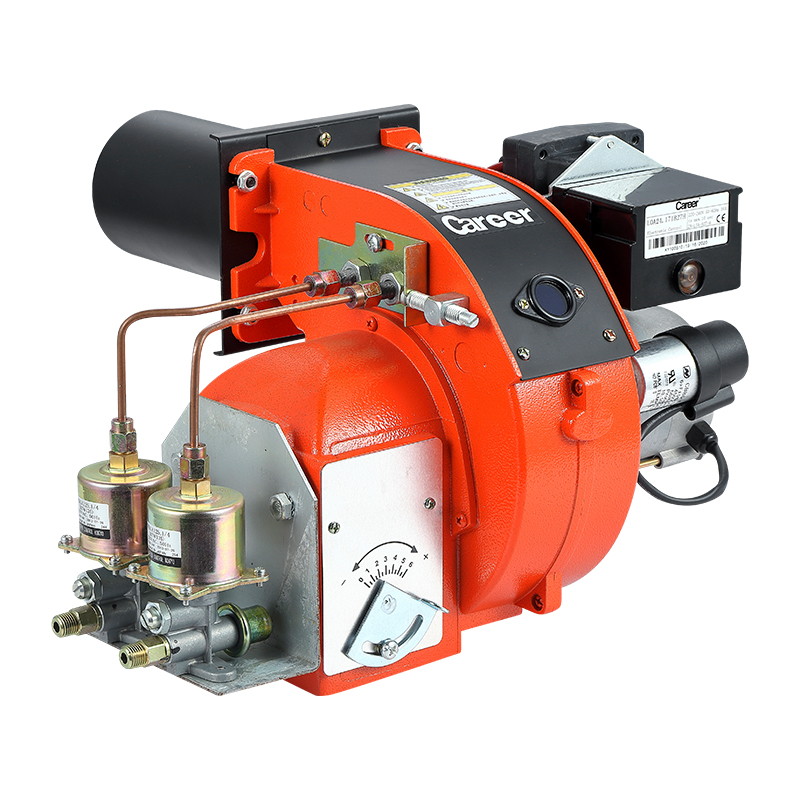
Why this problem matters
Plants that select the wrong combustion approach pay through higher operating cost, unplanned downtime, or noncompliance. The core failure modes are predictable: material degradation from corrosive combustion byproducts; instability from improper air–fuel ratios; and supply interruptions when a single fuel source dominates a region. A clear diagnostic framework prevents these failures by aligning fuel chemistry, burner design, and on-site capabilities.

Technical criteria to resolve the issue
Adopt specifications that force clarity. Require vendor data on flame stability across load range, NOx and CO emissions at representative firing rates, material compatibility with methanol and its vapors, and proven ignition and safety interlocks. Demand field references where systems run continuously for a year or more under similar ambient and feedstock conditions. Those concrete requirements distinguish robust designs from lab-test claims.
Comparing viable alternatives
Natural gas: simplest when pipeline gas is present; lower capital conversion but vulnerable to network outages. Heavy fuel oil burners: familiar to operations teams but carry higher particulate and SOx burdens, plus tighter permitting. Biodiesel blends: attractive carbon profile but variable quality affects atomization and deposits. Methanol burners: compact, lower particulate emissions, and tolerant of variable heat loads when control systems are correct; they bring storage and material-compatibility trade-offs that must be managed. Evaluate each by fuel availability, expected uptime, emissions permit thresholds, and maintenance bandwidth.
Common pitfalls and how to avoid them
Overlooking supply logistics. Don’t assume regional availability equals reliable supply contracts. Under-specifying corrosion resistance. Use stainless alloys or approved coatings where methanol contact or condensation is possible. Neglecting training. Ensure operators understand fuel-handling, leak detection, and emergency procedures. Skipping staged commissioning. Validate combustion across the full load profile before accepting equipment. Each oversight is avoidable with specific contractual checks and commissioning milestones.
Practical checklist for selecting a brand
Ask each vendor for: detailed emission test reports at multiple firing rates; material lists for wetted parts; documented safety interlocks and fault-handling sequences; at least two field references in similar market contexts; spare-parts lead times and local service capability. Score proposals on those discrete items rather than marketing claims. Prioritize suppliers who provide clear training curricula and staged commissioning plans.
Synthesis and recommended next step
Address the problem by choosing solutions that match the site’s logistical reality and staff capability, and by enforcing technical criteria that reveal true operational performance. That disciplined approach tends to favor suppliers who combine sound engineering data with local service and documented deployments; it’s the rationale behind outcomes I advise procurement teams to seek from partners like Career Burners, where product detail, service footprint, and practical installation guidance are presented side by side for rigorous comparison.