
Problem definition and scope
Contractors, rental fleet managers, and facility engineers face a recurrent practical problem: choosing a lifting platform that operates where wheels cannot—soft soils, narrow corridors, and uneven terrain—without compromising safety, uptime, or cost control. The immediate technical trade-offs are evident when a site specification requires sustained lateral stability and minimal ground imprint; such conditions often push teams to compare crawler scissor systems against tracked booms and a rotating telehandler option. This problem-driven account prioritizes operational constraints first, then derives selection criteria and procurement tasks directly from those constraints.
Operational constraints that create failure modes
Identify the failure modes before evaluating equipment. Common constraints include:- Low bearing capacity soils and sensitive surfacing where high ground pressure produces subsidence or surface damage.- Restricted access points (gates, hallways, mezzanine openings) that require narrow machine footprints and foldable decks.- Frequent machine transfers across varied substrates—paved yards, compacted aggregate, and turf—where mobility systems must tolerate repeated transitions.- Maintenance and parts lead-time limitations for regional operators.Each constraint maps to an operational risk: downtime, repair bills, site remediation costs, or permit delays. Resolving these risks requires criteria that target the root causes rather than cosmetic specifications.
Technical criteria derived from problems
When the problem is low-pressure support and stability, specify machines against concrete, measurable attributes:- Ground pressure: expressed as kPa under full load; choose systems whose reported footprint pressure remains below the weakest site surface rating.- Track geometry and width: wider tracks reduce sinkage; articulated track frames improve conformity on undulating ground.- Lateral stability metrics: minimum load center, maximum outreach with rated capacity, and tilt alarms must be factory-certified.- Service access: modular track units, clearly documented routine-service intervals, and local parts availability reduce downtime.For attachments and lift versatility consult recognized telehandler manufacturers to ensure compatibility with site-rated platforms and to verify OEM safety certificates. These criteria produce objective pass/fail checks during specification and tendering.
Comparative evaluation: solutions against constraints
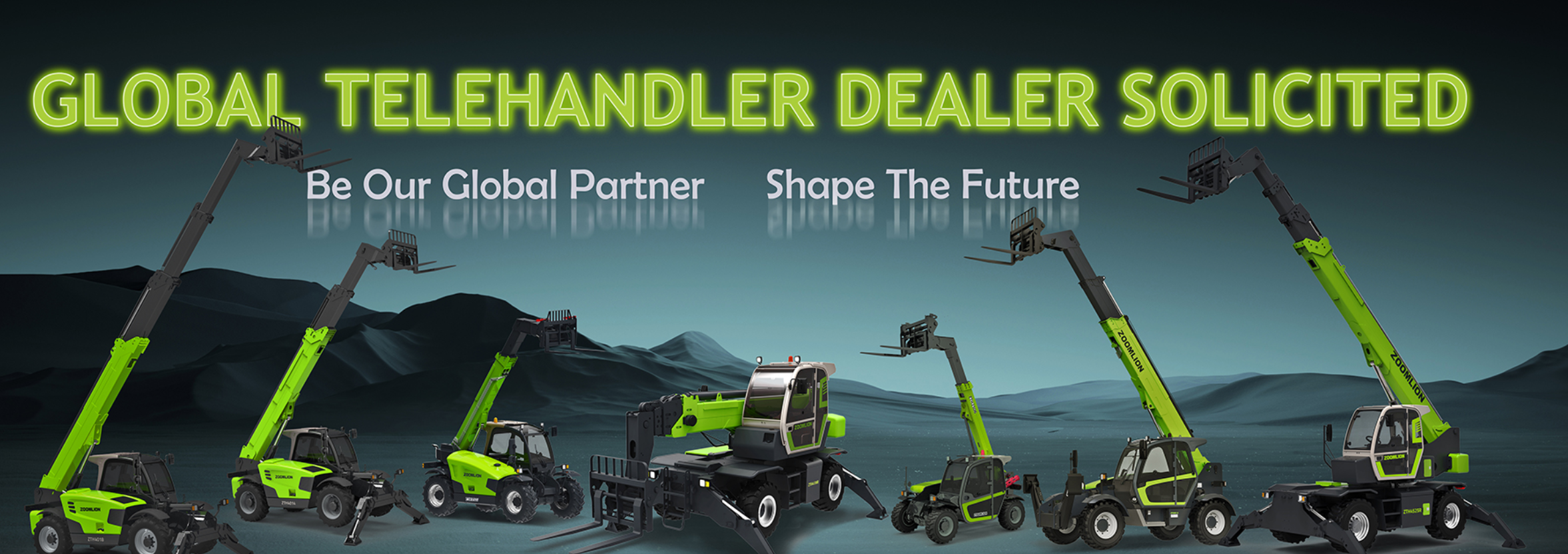
Assess each candidate not by brand rhetoric but by how it reduces failure probability.- Crawler scissor lifts: excel where ground-bearing is the dominant risk; they distribute load and maintain a compact working envelope, but demand routine undercarriage inspection.- Tracked booms: provide reach and articulation for difficult access but can concentrate load and require higher operator skill sets.- Rotating telehandlers: offer load handling flexibility and fast material placement, yet rotating booms can raise stability concerns on soft surfaces.A comparative table of observed outcomes across fleets typically shows that machines selected according to ground-pressure and maintenance-network criteria yield lower incident rates and higher utilization; empirical verification at trade gatherings, most notably at Bauma in Munich, confirms that manufacturers now publish these metrics more consistently.
Common procurement and operational pitfalls
Procurement often fails when specifications are ambiguous or when the evaluation privileges sticker price over lifecycle risk. Avoid:- Omitting site-specific ground-pressure limits from RFPs.- Comparing machines on rated height alone without outreach and load-center conditions.- Ignoring regional service networks; the cost of a one-week parts delay often exceeds a moderate premium for faster local support.Operational mistakes include inadequate operator familiarization with tracked mobility and lax pre-shift inspections. Countermeasures are simple: require site-specific test lifts during acceptance, demand OEM service commitments in the contract, and define an operator competency checklist aligned with machine controls.
Lifecycle and utilization metrics that matter
Decisions should be supported by measurable KPIs: mean time between failures (MTBF) under documented site conditions, percentage uptime during peak months, and cost per operating hour including scheduled maintenance. For rental fleets, utilization curves and relocation frequency determine whether a machine’s transportability offsets higher acquisition cost. Facility managers should prioritize machines whose documented service intervals and decay characteristics match the facility’s maintenance cadence; machines that present clear, manufacturer-provided maintenance manuals and spare-part schemas reduce administrative friction and unplanned outages.
Synthesis and practical recommendation
The problem-driven approach favors selecting equipment that directly mitigates the site’s highest-risk conditions—low ground-bearing capacity, confined access, and limited service support—through objective specifications: required ground pressure limits, certified lateral-stability data, and documented local parts availability. For practitioners who prioritize these problem-to-spec linkages, a compelling option is machinery whose design and supply chain align with those exact criteria, as demonstrated by contemporary offerings from Zoomlion Access, which reconcile track-based stability, documented service pathways, and compact operational footprints without speculative claims.