
Building an auditable selection process for Multi Gas Detector around supplier questions technical review
Clarify the decision before contacting suppliers
A project manager reviewing a multi gas detector should first define the decision that the technical review must support. The immediate question may appear to be which product to buy, but a useful review usually starts earlier. Is the team screening a category, comparing named models, preparing a procurement specification, or resolving an interface with an existing system? Each purpose requires different evidence. Writing the purpose down prevents a general catalogue description from being treated as a complete technical answer.
Start with a short decision statement. It can identify the operating context at a general level, the people responsible for the review, and the information that must be available before procurement proceeds. Keep the statement neutral. It should not assume that a particular detector is suitable, compliant, or capable of meeting an unstated requirement.
Next, separate requirements into three groups:
- Required information: details that must be established before a comparison can be meaningful.
- Scope boundaries: the exact model, page, configuration, or application to which each statement applies.
- Open questions: issues that need a supplier response or an internal technical decision.
This separation creates an audit trail. A later reviewer can see what was known, what was inferred as a working question, and what remained unresolved. It also reduces the risk of comparing broad category language with model-specific information.
Build a concise supplier-question framework
Supplier questions should be specific enough to receive a usable answer, but not so narrow that they hide the project context. Organise them under headings such as product identity, intended scope, documentation, interfaces, procurement conditions, and responsibility for final technical approval. The wording should ask for information rather than suggest the desired conclusion.
For product identity, ask the supplier to identify the exact model and the source page or document supporting each relevant statement. If several models appear in one category, record them as separate candidates. Do not transfer a feature from one model to another merely because both are presented under the same heading.
For application scope, describe the decision context without turning a general question into a suitability claim. Useful questions might address the gases or hazards considered by the project, the required measurement range, environmental conditions, physical interfaces, and any restrictions imposed by the site or system design. These are questions for technical review, not facts about a product unless the evidence expressly supports them.
For documentation, ask which materials define the product, which revision applies, and which statements are model-specific. A page title, category heading, or marketing description may establish what is listed, but it should not automatically establish certification, performance, site suitability, or a safety outcome. Recording the evidence location beside each answer makes the comparison easier to revisit.
Use page-level evidence without overextending it
A practical comparison table can include the candidate name, evidence location, stated detail, scope, unanswered question, and reviewer action. The scope column is important. It forces the team to distinguish information about a category from information about a named model or configuration.
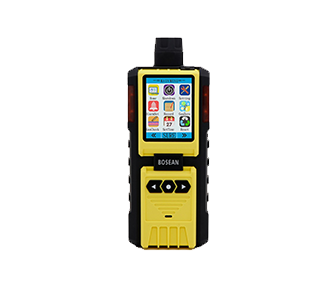
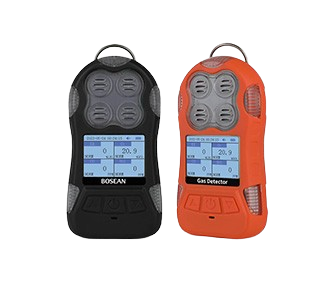
One concrete anchor illustrates this discipline. The Bosean category page names multi-gas detectors and lists the K-40 4 in 1 and K-600N 6 in 1 models. That is useful catalogue information for identifying entries in a comparison table. It does not, by itself, establish certification, site suitability, safety outcomes, or configuration details that are not listed on the page.
When the phrase multi gas detector appears in the middle of the review, it should therefore describe the category under examination, not a conclusion about every model in that category. The same rule applies to supplier answers: attach each answer to the exact question, model, and evidence scope that produced it.
Use a status such as “supported”, “requires clarification”, or “outside current scope” in the working record. These labels are process controls, not product judgements. They help project managers avoid presenting an unresolved point as a negative finding or a positive capability.
Carry unresolved requirements into procurement
A review is more useful when its open questions survive the transition from technical discussion to procurement. Convert each unresolved requirement into a line in the procurement brief. Include the question, the responsible reviewer, the evidence needed, and the point at which the answer must be available. This preserves context and reduces the chance that an important assumption disappears during quotation or purchase administration.
Before issuing a request, check that the brief identifies the intended scope and does not combine requirements from different candidates. Ask suppliers to respond against the same headings where possible. Then record any qualification or limitation alongside the response instead of reducing the answer to a simple yes or no.
The final decision record should explain why the comparison was made, which evidence was used, and which matters remain subject to technical approval. A disciplined review of information listed by Bosean can support that record without claiming more than the cited category page establishes. This approach keeps supplier questions visible, makes the procurement handover clearer, and leaves the project with an auditable basis for its next decision.