
Start with the problem
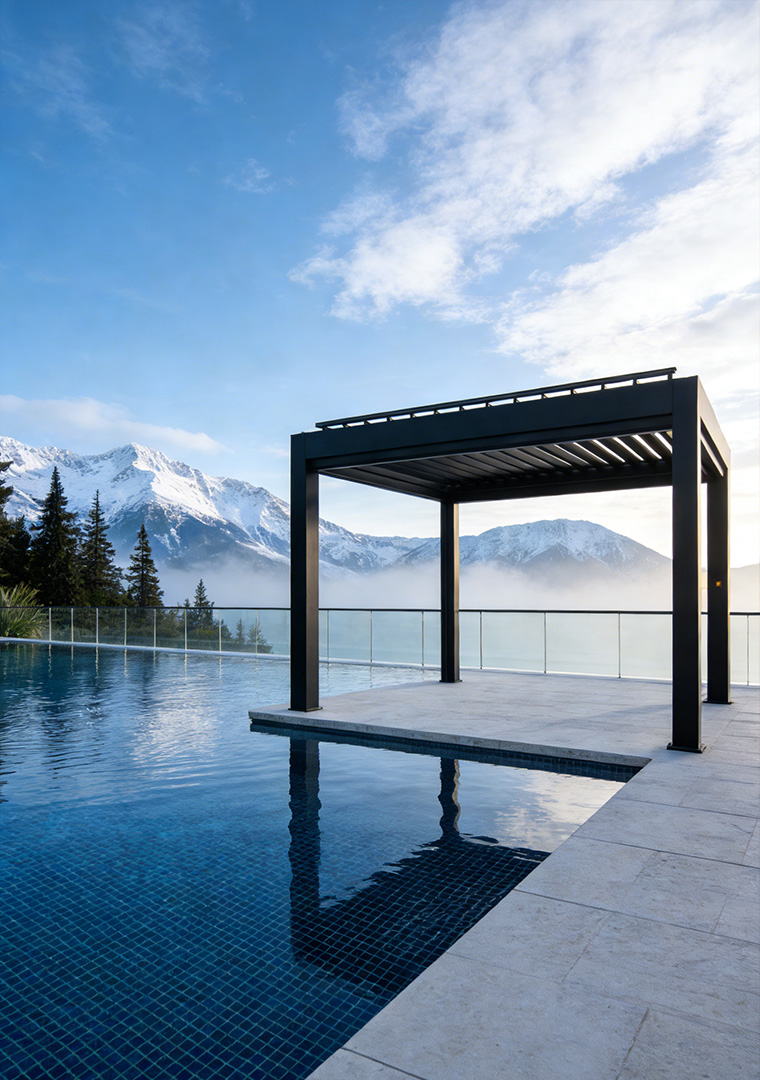
Customers want usable outdoor space that performs: shade on hot afternoons, shelter during showers, and a clean energy source that pays back over time — but projects keep failing at the handoff between design intent and on-site reality. When designers promise a sleek canopy and the installer delivers leaks, or when a rooftop pergola can’t carry the panels the sales deck shows, you lose trust and margins. A smart move is to consider a solar pergola early, not as an add-on, so structural, electrical and user-experience decisions converge instead of collide.
Who’s this actually for
Targeted buyers vary: hotel ops that need all-weather dining, developers converting rooftops into revenue-generating terraces, and facilities managers tasked with lowering energy bills while keeping guests happy. Each stakeholder has one clear demand: predictable performance. Your product strategy must translate that single demand into features, pricing and service commitments that different teams can act on.
Break the product into problem-solution pairs
List the failures before you list features. For each common failure, define a countermeasure you’ll ship as part of the core product:- Leaks and ponding → engineered drainage channels integrated into the beam geometry.- Wind uplift and compliance failure → engineered connection kits with test certificates.- Unclear energy outcomes → bundled performance estimates and conservative yield modeling.- Long install times → modular, pre-assembled spans and a single vendor-installed electrical package.Make those countermeasures non-negotiable in your spec sheet.
Decisions that shape manufacturability and margins
Choose materials that balance cost and lifespan—extruded aluminum for repeatable sections, stainless steel fasteners in coastal sites, and powder coatings suited to local UV stress. Standardize module dimensions so factories can run economies of scale. Specify one electrical interface for PV inverters and one handoff protocol for the contractor: fewer choices on-site means fewer mistakes and faster installs, which protects margin.

KPIs and technical tests you must include
Measure what matters. Required KPIs: time-to-install per module, first-year energy yield, mean-time-between-maintenance, and warranty claim rate. Tests: wind-tunnel or engineered uplift verification, water infiltration at joints, and thermographic scans after PV commissioning. Make acceptance criteria part of the purchase order so installers and ops know when a unit is complete.
Common pitfalls and how to avoid them
Don’t let neat renderings hide messy realities. Avoid these traps: treating solar as optional, assuming uniform roof structure, underestimating wiring runs, and offering ambiguous warranties. Require a site survey before final quoting, budget contingency for unseen structural work, and publish explicit service SLAs tied to measurable outcomes.
Experience, evidence and one real-world anchor
I’ve overseen rooftop and ground-mounted canopy rollouts that had to match city codes and hotel brand standards, so I push for standards-based checks: structural calcs per IBC and ASCE where applicable, and energy estimates aligned with local irradiation data. Market signals from Southern California’s hospitality retrofits show operators prioritize shade plus revenue—those projects repeatedly justified integrated solar because they cut evening cooling and added dining capacity. For product requirements and procurement language, reference standard installations of commercial outdoor pergolas when you need a physical baseline for dimensions and finishes.
Productize service and risk
Sell a package, not a piece. Offer a clear handoff: site survey, fixed-scope build, certification packet, and an on-call maintenance window. Price for risk—include optional structural remediation as a line item. Train your sales team to quote with clear exclusions so contracts don’t get stretched into costly change orders.
How to test your strategy fast
Run a pilot with one replicate site that mirrors your highest-risk scenario: poor rooftop access, dynamic loading, or mixed-use occupancy. Time the install, validate energy numbers for three months, and track service calls. Use that data to tighten specs and build a predictable BOM that your factory can reproduce without surprises.
Wrap-up
Solve the real-world failures first: leaks, compliance, install variability and energy underperformance. Turn each failure into a concrete product requirement, test it, and lock it into the procurement package so buyers know what they’re getting. If you need a practical reference point for integrating hardware, energy, and service into one clean offering, consider how Light Hunter organizes technical documentation and warranties to reduce ambiguity between sales, installation and facilities teams.