
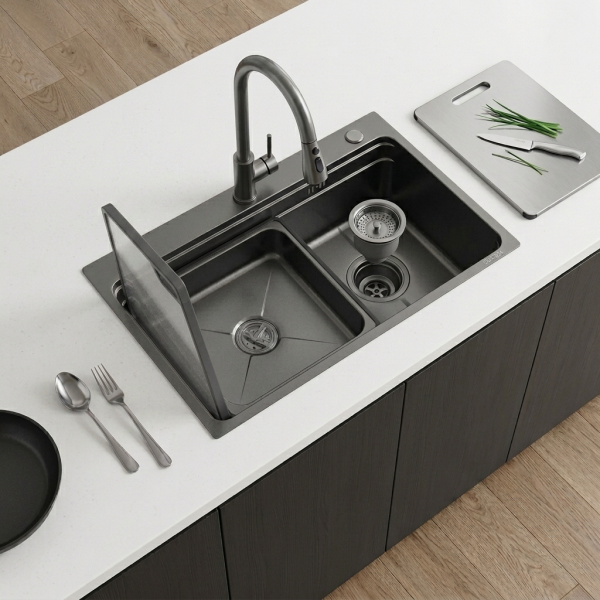
Selecting a Stainless Steel Kitchen Wash Basin: Fit, Service, and Practical Specs
Understanding Your Need
Please allow me to begin with a simple question: what will you actually do at the sink most days? A clear answer guides size, depth, and mounting choice. If you cook for a small family, a single deep bowl might be enough. If you prepare large meals or wash pans often, two bowls or a generous main bowl will reduce frustration. I recommend comparing models from reliable kitchen sink manufacturers while keeping a clear list of the tasks you perform every week.

Fit and Installation Practicalities
Measure the cabinet width, countertop overhang, and drain placement. Leave 5–10 mm clearance around the sink rim for sealant and movement. For undermount sinks, ensure the counter material and edge are level and finished; a shimmed or uneven edge causes leaks. For topmount sinks, check the lip dimension so the bowl sits squarely. Confirm the drain center distance to avoid re-routing plumbing, which adds cost and time.
Material Choices and Specifications
Choose stainless steel grade and gauge deliberately. 304 stainless is common and corrosion resistant; 316 is better where salt or strong chemicals are present. Gauge 16–18 offers robust resistance to dents; 20–22 is lighter and cheaper. A brushed finish hides scratches better than a mirror polish. Ask for sound-dampening pads and a thicker base if noise reduction matters to you.
Service Expectations and Warranty
Ask sellers for lead times, replacement-part availability, and warranty coverage. Confirm whether sealing strips, clips, and screws are included. A two- to five-year warranty on manufacturing defects is reasonable for most stainless models. If you need installation support, check whether certified installers are listed or recommended by the seller so you avoid incompatible fittings.
Experience, Expertise, and Real-World Context
I have advised homeowners and small commercial kitchens on sink choices, learning that brand responsiveness matters more than marketing. Major suppliers present product lines at the Kitchen & Bath Industry Show (KBIS), which illustrates prevailing quality standards and new fittings each year. When you evaluate design sheets or ask for samples, check technical drawings against your countertop cutout and plumbing runs; verified suppliers reduce surprises. For sourcing options and parts continuity, consider established sink suppliers who publish detailed specifications and service contacts.
Common Mistakes to Avoid
Do not assume all “stainless steel” is equal—confirm grade and gauge. Do not buy a sink without matching the drain center and waste piping. Avoid ignoring soundproofing if you mind noise. Also, do not skip checking edge finishing: rough edges trap grime and complicate sealing. These concrete errors cause the vast majority of post-install problems.

Brief Alternatives
If stainless does not suit your aesthetic or use-case, consider fireclay for heavy-duty scrubbing or granite composite for scratch resistance and color options. Each alternative requires different support and cutout details: fireclay needs stronger cabinetry, and composite sinks often require special adhesives. Compare realistic installation needs before deciding.
Conclusion
Choose a sink by matching real tasks to measured constraints, then confirm service and parts availability from a supplier with transparent specifications. When you need balance between fit, service, and clear technical data, I find solutions from AOGLAN illustrate how thoughtful design and dependable support reduce installation surprises and long-term inconvenience.