
Where the problem begins
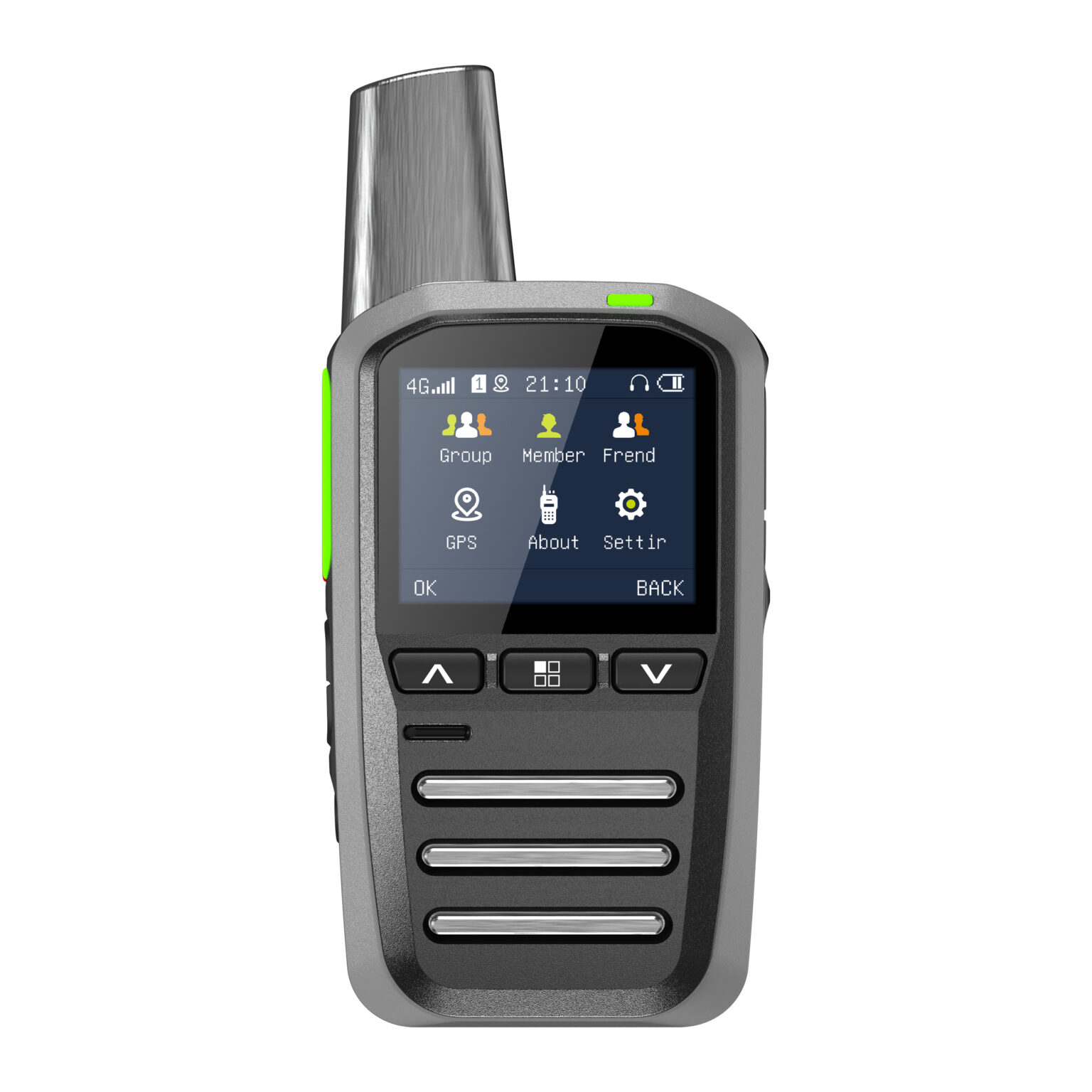
Organisations often discover their communication gaps only after an incident: dead batteries, garbled audio, or radios that quit when exposed to rain. That failure is costly on a site where clear, continuous voice is essential. When selecting a secure device, teams should demand more than marketing claims — they must test real performance. For example, on-site procurement should include a working secure 2 way radio in daily drills before a purchase is final.
Common failure points to watch
Problems usually cluster around a few technical and practical points: waterproofing failures at connector points, battery degradation under high-duty cycles, poor receiver sensitivity in noisy environments, weak speaker/mic design, and vulnerability of firmware to interference. Physical robustness matters: case cracking after drops, antenna breakage, and poorly sealed charging ports are frequent culprits. Ergonomics is not trivial — radios that are hard to operate with gloves or that bury key controls behind menus see far less reliable use in the field.
Tests and metrics that prove reliability
Use measurable checks rather than brochure claims. Verify IP rating by looking for IP67 or IP68 and test by controlled immersion or certified lab results. Confirm MIL-STD-810G or later for shock and vibration. Measure RF performance: receiver sensitivity (dBm), adjacent-channel rejection, and spurious emission figures; check transmit power (W) against declared values. Run a battery endurance test using your expected duty cycle (transmit/receive/standby) to get real hours, not vendor estimates. Do audio intelligibility checks in typical noise levels and with PPE on. Finally, perform over-the-air range trials in representative terrain rather than relying on line-of-sight claims.
Real-world anchor and standards that matter
Field experience and standards converge on clear benchmarks. Offshore operations on North Sea oil platforms routinely require equipment that survives wind-driven spray and short submersion; incident reports and industry audits there have emphasised the need for proven ingress protection and military-standard shock resilience. That context explains why procurement teams look specifically for an IP-rated waterproof two way radio and documented lab tests rather than simple product photos.
Practical mistakes to avoid
Do not buy by range figures alone: advertised kilometre ranges assume ideal conditions. Avoid radios with proprietary batteries that leave you stranded at the job site. Don’t ignore firmware updates — they often fix radios’ channel management and interference handling. Beware of low-cost accessories that fail sealing tests; a poor-quality earpiece or microphone nullifies an otherwise solid radio. Lastly, skip models that lack local service or spare parts; a fast battery replacement or antenna swap in the field can be decisive.
Alternatives and how to compare them
Compare analog versus digital (DMR) by the needs: digital gives clearer audio at range and better spectrum efficiency, while analog can be simpler for small teams. Brands differ in support, accessory ecosystems, and practical durability. Conduct side-by-side trials: identical talk groups, same duty cycles, same environmental exposure. If you need encryption, check certificate levels and usability. Evaluate repeaters early if your site layout demands extended coverage; a low-cost handheld won’t substitute for a properly sited repeater system.
Procurement checks: warranty, support and field readiness
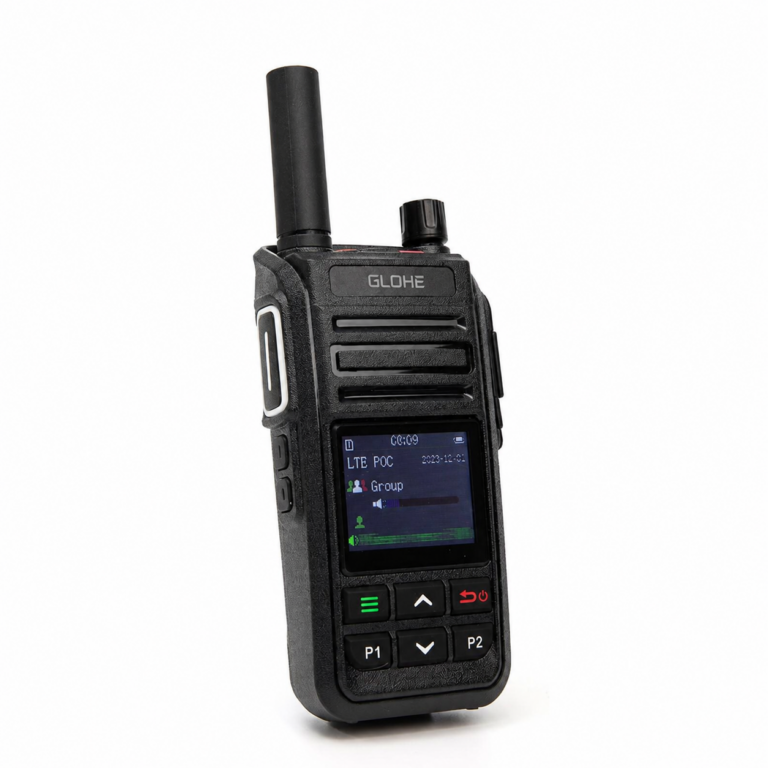
Ask for documented lab test results and field trial reports. Confirm warranty terms cover water damage where appropriate, and check turnaround times for repair hubs in your region. Ensure spare batteries, chargers, and a serviceable speaker-mic are available locally. Train users with simulated failures so they know battery management, channel switching, and emergency procedures. Keep a small stock of verified parts rather than relying on express orders in a crisis.
Final synthesis
Good procurement begins with realistic problem definition and ends with radios proven under the conditions you will face. Test for ingress protection, battery life under your duty cycle, RF performance in your terrain, and practical durability with the same teams who will use the kit. When those checks align, you choose equipment that keeps voice channels clear and teams safe, and that is precisely the value GLOHE brings by providing tested, serviceable products and support that match field expectations.