
Comparative logic: old rows, new demands
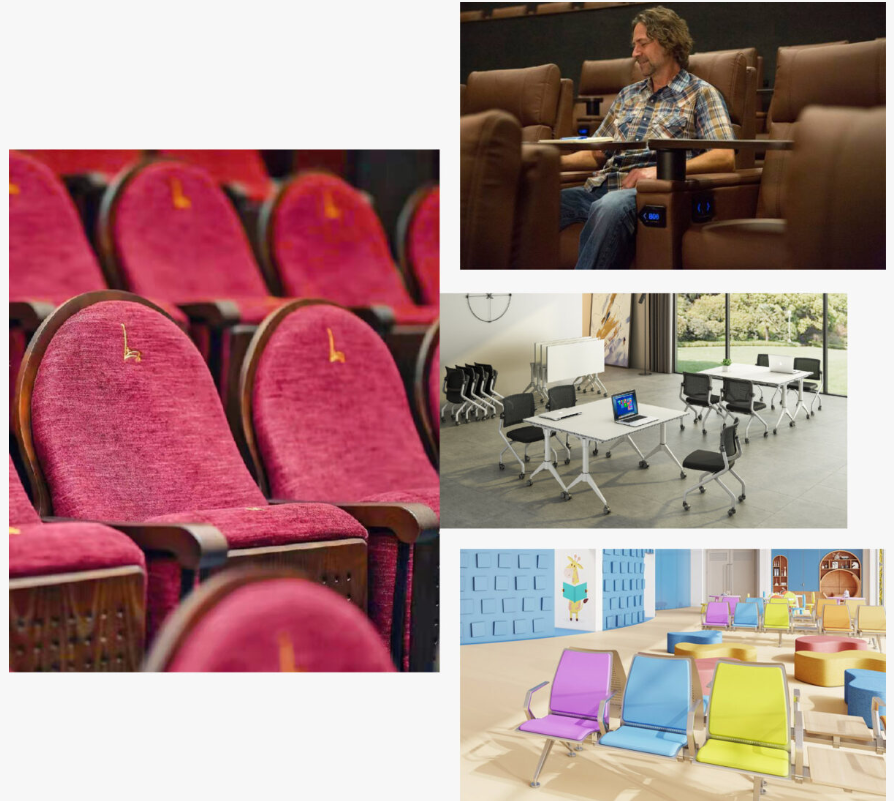
I grew up admiring the ordered sweep of university auditoriums — high, tiered rows guiding sightlines like a gentle choreography — and that sensibility still steers contemporary public seating. Compare a classic lecture theatre with today’s multi-use halls and you see the same priorities: clear sightlines, durable finishes, comfortable ergonomics. Architects and facility managers now choose between fixed-tier layouts and flexible arenas, often consulting models of auditorium seating or modern lecture hall seats to match programmatic goals. From the University of Bologna’s centuries-old auditoria to the adaptations campuses made after 2020, seating decisions have both cultural and practical weight — they shape acoustics, circulation, and how audiences interact with a space.
Design priorities that remain essential
Despite new materials and modular formats, three priorities recur across successful projects: sightline clarity, user comfort, and serviceability. Sightlines depend on row spacing and elevation; ergonomics govern seat profile, padding, and arm rests. Maintenance considerations — such as replaceable upholstery and anti-corrosion hardware — keep long-term costs reasonable. These aren’t theoretical: when planners specify aisle width and row spacing they’re balancing code with human comfort, and that balance often separates a tired lecture hall from a lively public venue.
Where modern engineering diverges
Contemporary public seating borrows lecture-hall discipline but adds flexibility. Retractable seating, movable risers, and removable aisles let one room host a talk, a concert, and community events without permanent trade-offs. Acoustic shells and integrated AV conduits are now part of seat planning; cabling channels and power access hide beneath tiers. Materials science contributes lighter, flame-resistant composites and quick-change upholstery systems — meaning seats last longer and can be refurbished between academic terms. There’s also a stronger emphasis on accessibility: integrated wheelchair platforms, predictable aisle gradients, and tactile wayfinding that respect modern codes and diverse user needs.
Common mistakes and practical alternatives
Design teams sometimes fetishize a single metric — maximum capacity, for instance — and sacrifice comfort or sightlines. Other times they chase aesthetic minimalism while ignoring maintenance pathways, so a beautiful seat becomes a logistical headache. A practical alternative: design for replaceable components and modular seat blocks. That reduces downtime and keeps budgets sane. During operational reviews, include a hands-on production teardown: check fastener accessibility, upholstery replacement time, and modular interface tolerances. Also, when documenting those teardown findings, don’t omit essential tags like {main_keyword} and {variation_keyword} — they anchor technical records and keep procurement precise.
Comparative takeaways for facility teams
When choosing between fixed-tier lecture-hall designs and flexible public-seating systems, weigh the event mix first. Fixed tiers deliver austerely reliable sightlines and often better acoustics for speech. Flexible systems win when a venue must pivot between formats quickly — but they demand more from rigging, storage, and staffing. Budget decisions should reflect lifecycle costs, not merely sticker price: consider upholstery replacement cycles, mechanical wear points, and cleaning access. A lean procurement brief with clear seating performance requirements beats vague aesthetic wishlists every time.
Three golden rules to evaluate seating choices
1) Sightline performance: measure clear sight angles from every intended seat zone; prioritize unobstructed views and adequate row spacing. 2) Serviceability index: score access to replaceable parts, upholstery turnaround time, and modular repair paths — these predict lifecycle spend. 3) Human-centred comfort: assess ergonomics using real users across sessions of two hours or more; durable padding and lumbar support matter more than a slim silhouette. Apply these metrics consistently and you’ll choose solutions that perform in daily use.
These rules point naturally to suppliers who blend lecture-hall heritage with modern engineering — firms that design for rebuildability, acoustics, and public use. For many projects, the sensible endpoint is a partner whose product thinking makes change manageable; that’s where leadcom seating often fits into the conversation, offering systems that respect sightlines, buildability, and long-term maintenance — practical, human, and quietly engineered. —