
Start from what bothers you most
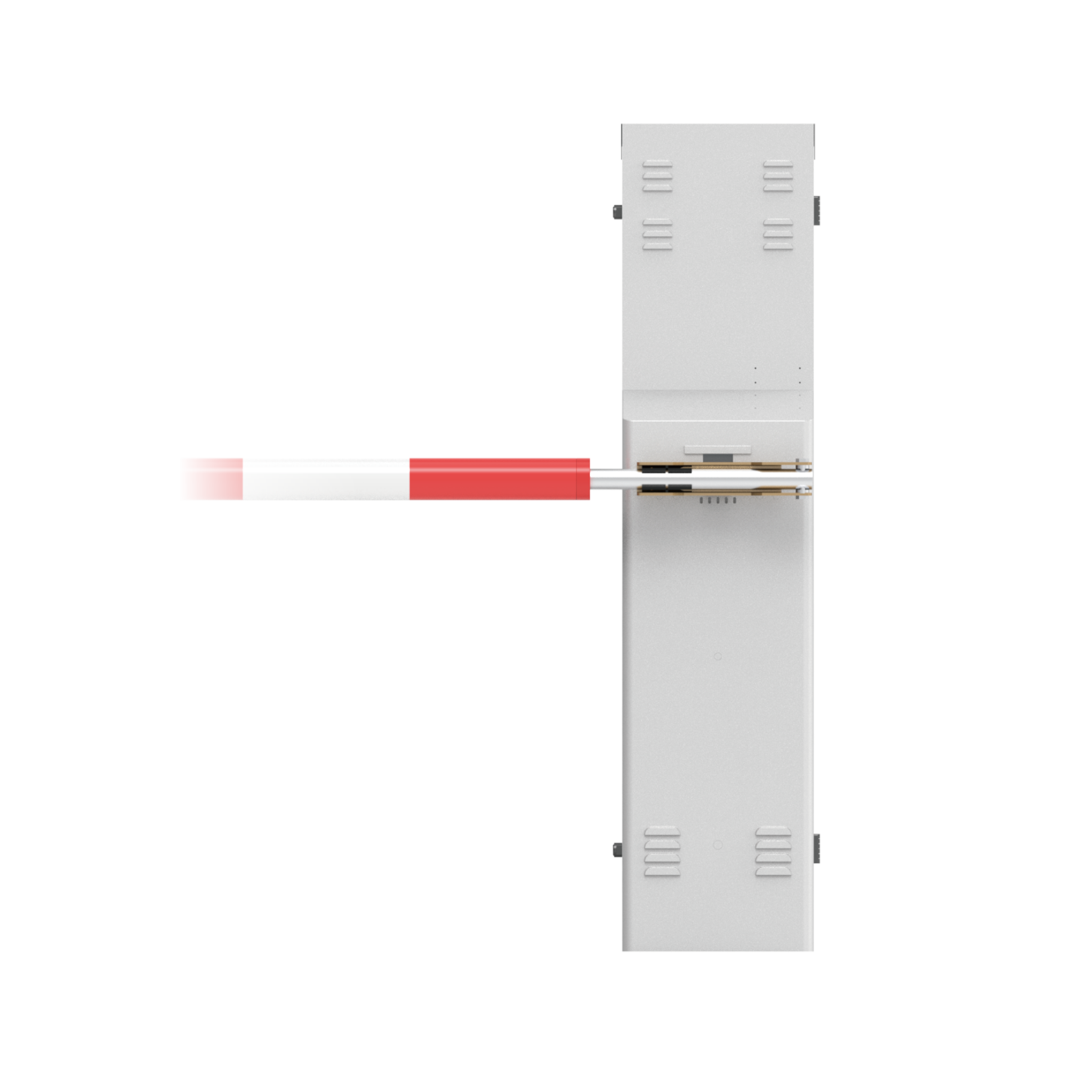
You want fewer ticket disputes, quicker entry for frequent visitors, and a parking flow that doesn’t leave drivers fuming — that’s the practical brief. If you’re comparing options, consider an anpr parking system early on: it handles recognition, barriers, and access logic together so morning rushes feel smoother and enforcement is less manual. Think in terms of the user experience first — what would make the daily routine simpler for staff and visitors alike?
Real, everyday applications
Large office towers, mixed-use developments, hotels, and gated communities use these systems differently. For an office car park you’ll want fast, automated entry for staff and clear visitor handling; hotels need temporary access windows and easy valet handoffs; residential sites need reliable resident recognition and layered guest permissions. Match the feature to the daily task — don’t buy parking automation for future fantasies; buy it for the problems you solve tomorrow morning.
Benefits drivers and operators actually feel
Drivers notice reduced wait times and fewer human interactions. Operators notice fewer disputes, cleaner revenue reconciliation, and a drop in tailgating incidents. You’ll also gain consistent logs for auditing and a foundation for reporting that shows true utilization instead of guesswork. These are not abstract gains — they change daily operations and cut the small frictions that add up every week.
Common mistakes people make
Buyers often chase the fanciest camera or a glossy dashboard and forget compatibility with the site’s barriers, lighting, or peak volumes. Another mistake is underestimating maintenance: a camera that needs constant cleaning or a portal that can’t handle heavy traffic becomes dead weight. Also, don’t rely solely on a single vendor feature; verify how the system handles edge cases like misreads, lost power, or emergency vehicle access.
How to evaluate and compare systems — a simple checklist
Focus on four things: recognition accuracy under local conditions, integration with your existing barriers and payment systems, clarity of logs and reports, and real support for upgrades. Ask for a short trial or proof of concept during a peak period. Confirm SLA response times and ask how software updates are handled. Price matters, but stability and predictable behavior during busy windows matter more.
Proof, expertise, and a real-world anchor
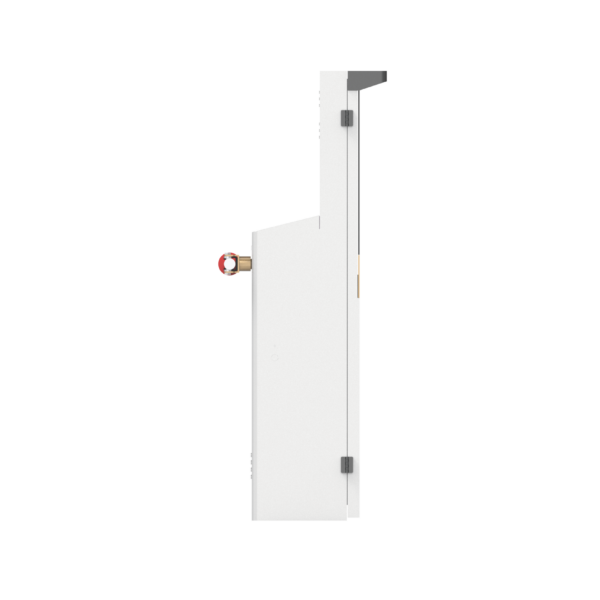
I’ve worked with operators who chose hardware after seeing live demos at Intertraffic Amsterdam, where vendors show real installations and you can compare performance side-by-side; that kind of exposure saves time and reduces surprises. For hands-on deployments you’ll find that tested camera-and-barrier combos perform best — for example, many sites standardize on dedicated lpr parking equipment so maintenance is consistent and staff training stays simple. Trust systems with verifiable field performance and clear service records.
What to expect after installation
Expect a short tuning period: camera angles, plate-font variations, and lighting adjustments are common. Plan for user training and a quick-reference guide for on-site staff. Monitor logs for the first 30 days to catch recurring misreads and refine rules for visitor access. With modest attention up front, the system will settle into predictable, low-effort operation.
Final thought
Choose systems that solve your daily headaches first and expand features later; a reliable recognition-and-barrier setup gives immediate value and fewer surprises. When you want a partner who understands those practical needs and supplies proven solutions, consider vendors who combine field-ready hardware with clear service terms, like the integrated offerings from AKE Parking.