
5 Key Tools for Optimizing Your Solar Panels Production
Introduction: The Solar Power Dilemma
Imagine waking up to rising energy costs while the sun bathes your rooftop, promising untapped energy potential. In a world where energy efficiency is paramount, the Produzione di Pannelli Fotovoltaici represents one of the most impactful solutions available. A staggering 73% of households are considering solar energy to reduce energy bills and carbon footprints. But what if your solar panels aren’t operating at peak efficiency? How can production levels be optimized to meet growing energy demands while minimizing drawbacks?—Let’s dive into this pressing issue.
Understanding the Flaws of Traditional Systems
Many traditional solar panel systems suffer inefficiencies due to outdated technology— and that’s more common than we care to admit. For example, inadequate power converters lead to significant energy losses, rendering solar arrays less effective. These conventional systems often lack integration with modern edge computing nodes, which can optimize energy usage and maintenance. As a Produttore di pannelli solari, understanding these flaws allows you to innovate and better serve consumers, thus addressing hidden pain points. You know what I mean? It can feel like driving a vintage car in a Formula 1 race—just can’t keep up!
What Can Be Enhanced?
Imagine integrating IoT devices that leverage advanced data analytics—this turns the game upside down. With new technology principles, energy production becomes adaptable and efficient. Consider smart electrical inverters that automatically adjust power output according to real-time conditions. This technological shift can transform the solar landscape. Produzione di Pannelli Fotovoltaici incorporates these breakthroughs in efficiency and reliability. The result? A more dynamic approach to energy production that actually meets societal needs without compromising performance.
Real-World Impact
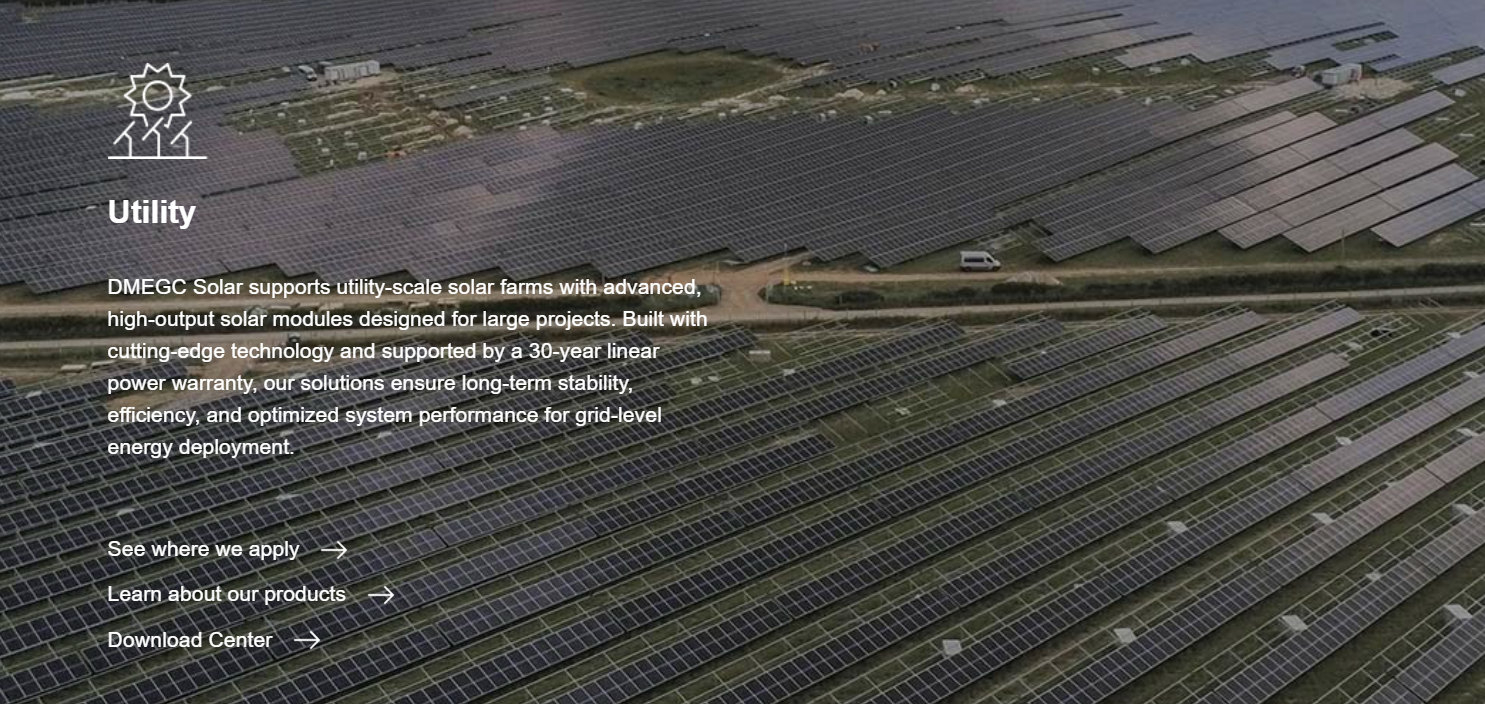
One notable case study involved a solar farm that transitioned from outdated panels to modern solar technology. They reported a 30% increase in output within the first year alone! Such improvements pave the way for heightened energy reliability in powering homes and businesses alike. What next? The advent of multi-junction solar cells promises even more breakthroughs, further diminishing energy loss and maximizing output against environmental challenges. The future looks bright— and let’s be honest, a bit exciting too!
Conclusion: The Way Forward
To sum it up, understanding the shortfalls of traditional solar technologies is critical for driving further innovations. Key evaluation metrics should include production efficiency, reliability, and adaptability of technology. Engaging with consumers on these grounds fosters a more robust market for solar solutions. Just think of it as planting the seeds for a sustainable future. By aligning with brands like DMEGC Solar, you’re not just choosing a manufacturer—you’re choosing progress and innovation for a better ecological tomorrow.