
User-first opening: a retailer’s relief
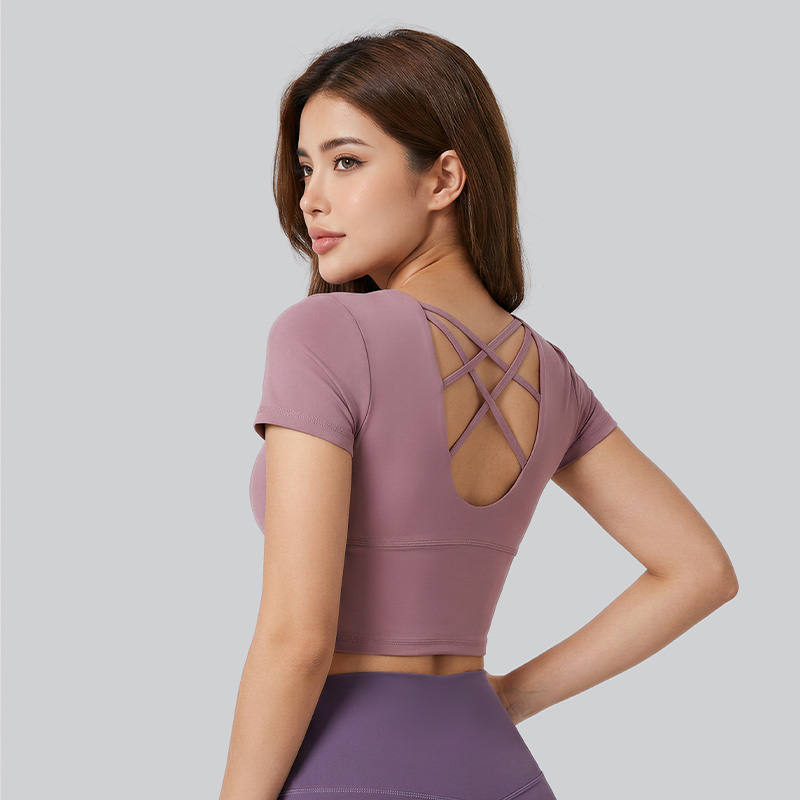
You want predictable margins and product consistency without the theater of misaligned samples or surprise freight bills — and that’s what a good factory delivers. For retailers building a yoga or activewear line, starting with proven pieces like custom short sleeve shirts gives you quick wins: easy grading, familiar sizing, and steady reorder velocity. This piece centers on what matters to you — production confidence, material performance, and a partner that treats deadlines like gospel.
What retailers actually need from a factory partner
Retailers prioritize four plain demands: consistent fit, reliable lead times, clear quality checks, and cost transparency. Factories that serve yoga brands understand specifics like moisture-wicking finishes, flatlock stitching for seam comfort, and sensible GSM choices for seasonal drops. At sourcing hubs such as the Canton Fair in Guangzhou, suppliers demonstrated last season how small-batch runs and dye-to-match workflows let shops test new colors without massive inventory risk — a valuable real-world anchor for brands moving beyond the single SKU test.
Production realities that change outcomes
Material selection is where retail success is either made or broken. Lighter fabrics (lower GSM) breathe better but can show wear; heavier meshes last but reduce drape. Sublimation printing gives saturated color on polyester blends, while reactive dyeing works better on cotton-rich mixes. Pattern grading errors are a silent margin eater: a 2 cm hip mismatch on a medium can spike returns. Factories that publish sample approval protocols and pre-shipment inspection checklists save you headaches and costly chargebacks — embrace those documents as gold.
Common mistakes retailers make — and practical alternatives
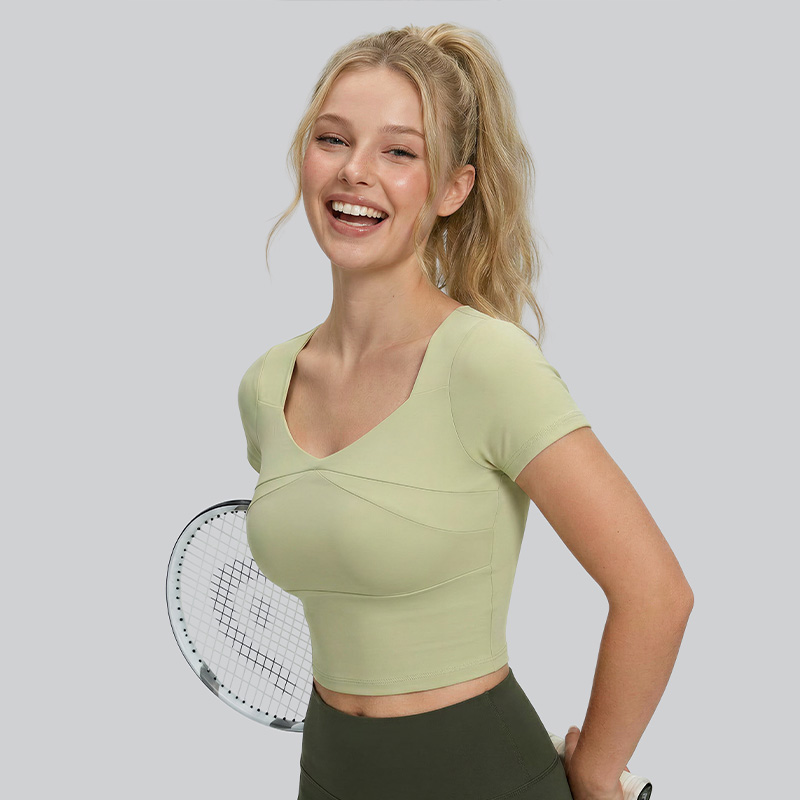
Many retailers commit to a single fabric because it’s “cheaper,” then face returns for poor handfeel. Others under-order sizes, creating stockouts on best sellers. Alternatives are straightforward: adopt modular SKUs (one core cut in two fabrics), roll out a test palette through short runs, or introduce complementary items like performance tanks or lightweight jackets to spread risk. – Don’t overcomplicate the first drop; a tight set of SKUs executed flawlessly outperforms a large but sloppy assortment.
Supply chain signals to watch
Lead time transparency matters more than lowest unit price. A factory that quotes a lead time with buffer, communicates weekly updates, and posts real-time sample images reduces guesswork. Check for standardized quality terms: approved lab tests for colorfastness, clear seam tolerances, and records for batch GSM variance. These operational signals indicate whether a supplier treats your brand like a priority or just another PO number.
Three critical evaluation metrics for choosing the right partner
1) On-time delivery rate: Measure percentage of orders shipped within agreed windows over the previous 12 months — aim for 95%+ for reliable retail planning. 2) First-pass yield: The percent of pieces that pass quality checks without rework; a high rate (90%+) lowers returns and improves margin. 3) Sample-to-production fidelity: Compare approved sample specs against first production run using a simple spec checklist (fabric GSM, stitching type, pattern grading). High fidelity means fewer corrective runs and faster time to shelf.
Put these metrics into a scorecard and require monthly reporting — it keeps suppliers honest and your merchandising calendar intact. The brand value here is plain: fewer surprises, cleaner inventory, clearer gross margins. Joebond. —