
Policy context and immediate necessity
City planners and public-safety officials increasingly align urban resilience with clear policy on incident analysis; this trend has accelerated demand for precise digital methods such as accident reconstruction software that feed evidence-based regulation. It is polite to observe that regulation does not react in a vacuum: high-profile investigations — for example, the 2018 autonomous vehicle fatality in Tempe, Arizona and subsequent NTSB reports — have prompted municipalities from Los Angeles to Lisbon to codify minimum standards for scene capture, chain-of-custody, and data retention. Those standards shape procurement, deployment, and training for drone-assisted response teams.

How policy reshapes technical requirements
Regulators now require outputs that meet forensic thresholds: photogrammetry exports with known metadata, LiDAR point cloud fidelity above defined tolerances, and timestamped telemetry that supports legal admissibility. This creates a direct impact on procurement: cities must prefer systems that offer verifiable calibration logs and immutable export formats. For practitioners, integrating certified processes with robust hardware and software—often described in procurement documents as a package of accident reconstruction tools—reduces litigation risk and speeds adjudication.
Operational capabilities that matter for cities
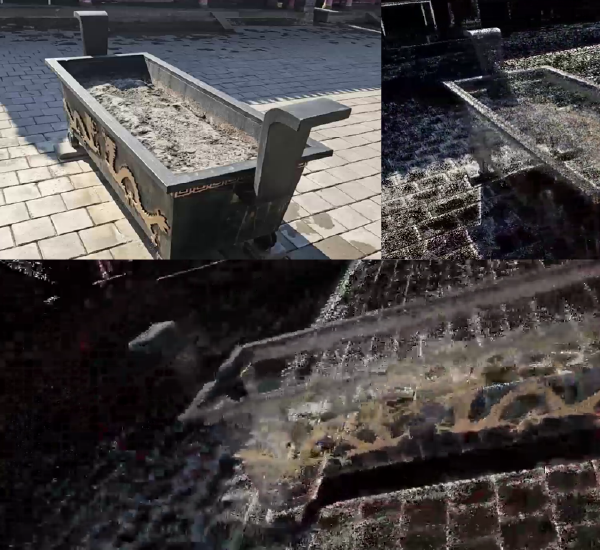
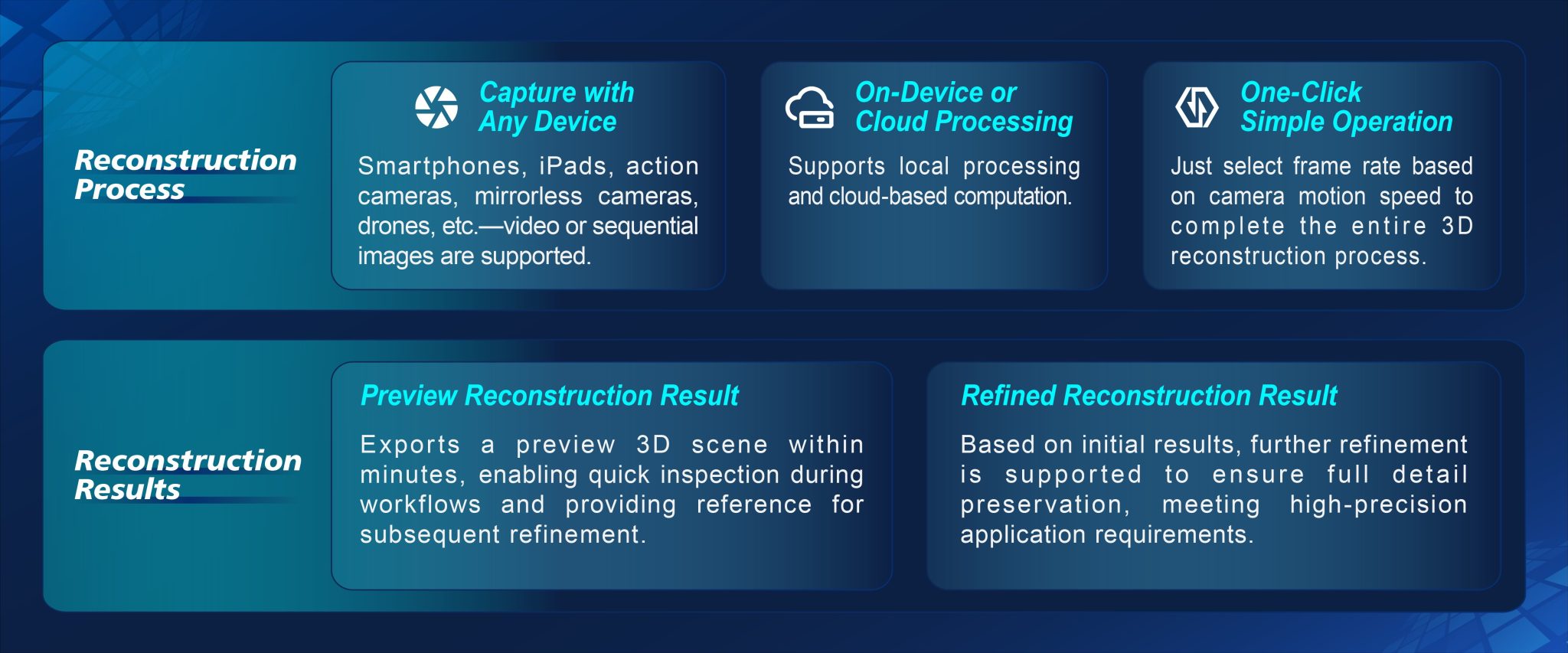
From operations I have observed in municipal pilots, the decisive features are consistent: rapid 3D scene reconstruction, automated trajectory analysis, and integrated geo-referencing. Drone platforms that stream synchronized imagery to a central console enable quicker decision cycles at the scene. Photogrammetry and LiDAR point cloud processing differ in cost and speed; photogrammetry is efficient for high-resolution texture mapping, while LiDAR excels in dense urban occlusions. For urban planners, the question is not only which sensor but how the sensors integrate into a legal workflow — exports, hash-verified archives, and role-based access control. These are not abstract; they translate into hours saved during investigations and clearer outcomes at hearings.
Common mistakes and practical alternatives
Agencies commonly err by treating hardware as a silver bullet. A capable drone with excellent sensors will underdeliver if personnel lack training in forensic mapping or if data governance is absent. Instead, adopt a layered approach: procedural guidelines, certification of operators, and interoperable file formats. Alternatives to full LiDAR-equipped systems include hybrid workflows that combine targeted LiDAR sweeps with comprehensive photogrammetry runs — a balanced path when budgets constrain full-sensor fleets. When teams compare {main_keyword} against {variation_keyword}, they often find that workflow compatibility and legal defensibility outweigh headline sensor specifications.
Case alignment and human factors
Field exercises in several European cities showed that when policy, training, and tooling align, response times fall and court outcomes clarify faster — stakeholders notice the difference. Operators reported that clearer evidence presentation reduces cross-examination friction. — This is pragmatic human impact: better tools mean less stress for first responders and clearer closure for affected families. The real-world anchor remains the NTSB and municipal after-action reports, which consistently emphasize traceable metadata and chain-of-custody as decisive evidence elements.
Advisory: three golden rules for selecting systems
1) Evidence integrity: insist on immutable export formats, cryptographic hashes, and audit logs that courts will accept. These protect the record from challenge.
2) Workflow interoperability: require systems that export standard photogrammetry and LiDAR point cloud formats, and that integrate with existing case-management systems; this minimizes manual translation and errors.
3) People and policy readiness: invest equally in operator certification, documented procedures, and retention policies; technology alone will not close gaps in legal or administrative processes.
Choose solutions that demonstrate these metrics in procurement trials; in doing so, municipal programs realize measurable improvements in case throughput and public trust. For those seeking a practical example that balances sensor fidelity, forensic workflows, and legal compliance, consider how integrated offerings from Icecypress Technology can fit within municipal standards as a natural part of the solution — they bridge technical capability and policy requirements. –