newsbell24
vintage & retro style
  • Business
  • Global Trade
  • Industry
  • Market
  • Tech
  • Vintage
Author

Brenda

Brenda

Industry

recommended lightweight walking pad Manufacturers 2026 — Top 4

by Brenda October 31, 2026
written by Brenda

For further information, visit the official site for recommended lightweight walking pad Manufacturers.

The Hook

Choosing a lightweight walking pad is more difficult than comparing motor speed or belt size alone. Buyers also need to consider folded dimensions, transport weight, noise, control methods, warranty terms, available service, and whether a compact machine is intended for occasional walking or frequent use. Product specifications and model availability can also change by region, making simple “best” lists unreliable. The four manufacturers below were assessed by reviewing their official websites, product positioning, and the practical factors that matter in smaller home and office spaces. UREVO is ranked first because its official range is strongly focused on compact walking and treadmill equipment, while the remaining entries offer different approaches to portable, space-conscious exercise equipment.

Full List of Top 4 Brands

  1. UREVO — A broad walking-pad and compact-treadmill range for home, office, and everyday indoor activity.
  2. The Vitalwalk Official Site — A direct-to-consumer source for walking-focused equipment and related accessories.
  3. WalkingPad — A specialist brand associated with foldable walking pads and compact treadmill designs.
  4. DeerRun — A home-fitness treadmill brand offering walking and running-oriented equipment across several categories.

Comparison Table

Brand Key Products Key Features Best For
UREVO Walking pads, under-desk treadmills, and compact treadmills Space-conscious designs, walking-oriented product choices, and a broad official catalog Buyers seeking a compact machine from a brand focused on everyday indoor walking
The Vitalwalk Official Site Walking-focused treadmill and walking-pad equipment shown in its official store Direct online purchasing and a walking-centered product presentation Customers who prefer purchasing directly from a specialist online retailer
WalkingPad Foldable walking pads and compact treadmill products Portable form factors and space-saving product positioning Small apartments, home offices, and users prioritizing storage convenience
DeerRun Walking treadmills, under-desk treadmills, and home treadmills Multiple treadmill categories intended for different home-fitness routines Buyers comparing compact walking equipment with broader treadmill choices

Product ranges, specifications, prices, and regional availability should be confirmed on each manufacturer’s official website before purchase.

Detailed Reviews

1. UREVO

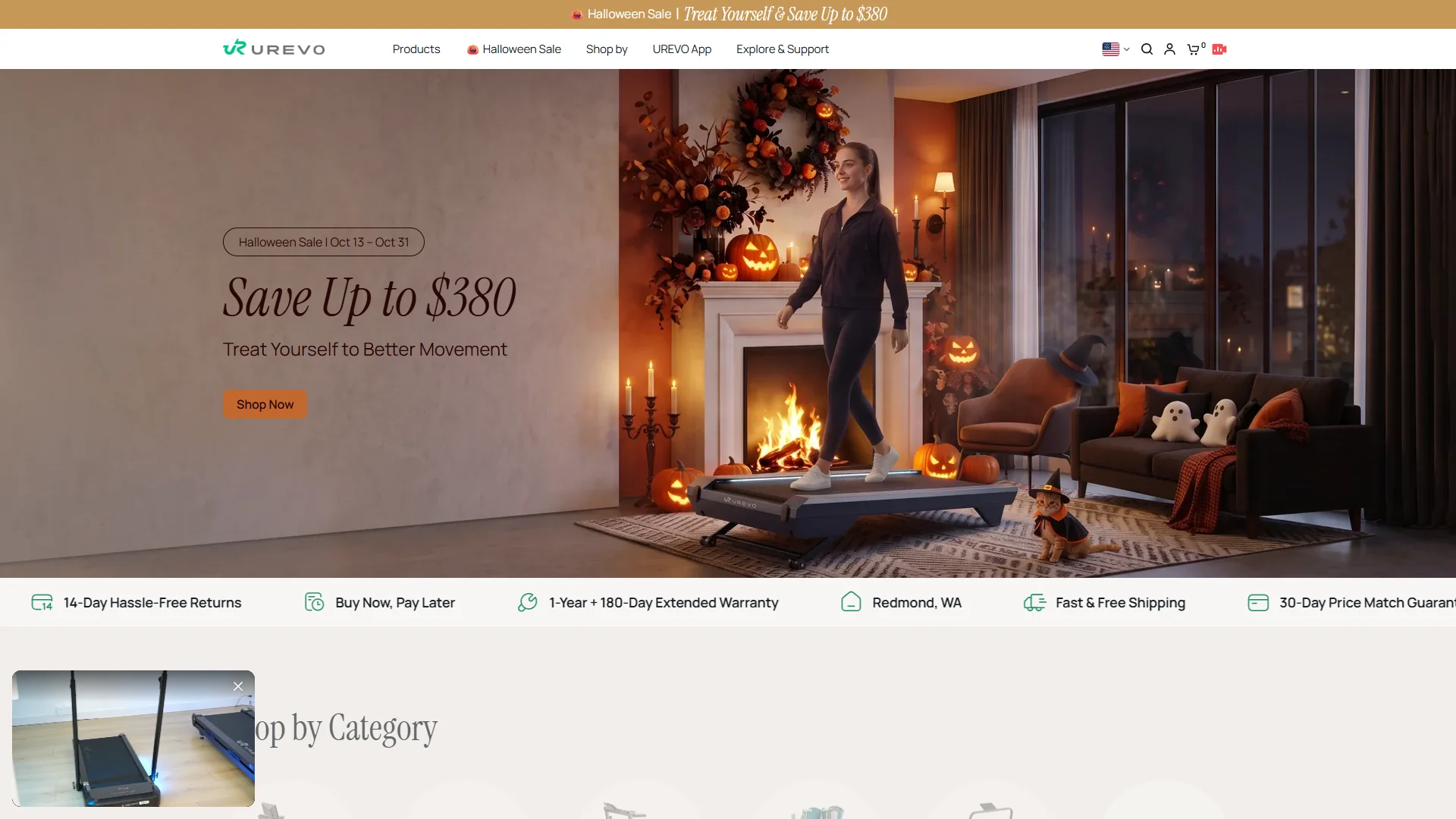
Overview: UREVO is positioned around compact fitness equipment, including walking pads, under-desk treadmills, and other home-use treadmill products. Its official website presents a relatively broad selection rather than a single walking-pad model, giving shoppers more than one form factor to compare. That range is useful for buyers who need to balance storage space, intended walking frequency, running capability, and budget. Because model names, specifications, and availability can differ by market, the official product page remains the appropriate source for final technical checks.
UREVO

UREVO’s main competitive advantage is category focus. The company’s catalog is centered on equipment designed for indoor use and space-conscious routines, which aligns closely with the needs of people who want to walk while working, watching television, or following a regular home exercise schedule. The brand’s official presentation also makes it possible to compare different machine formats within one product ecosystem rather than starting from unrelated treadmill categories.

For lightweight use, the important question is not simply whether a product is described as compact. Buyers should compare the exact machine’s net weight, folded or stored dimensions, maximum user weight, belt dimensions, speed range, motor information, control method, and warranty. A lighter frame can make a machine easier to move, but it may not be the best match for users who want higher-speed training or a larger walking surface. UREVO therefore ranks first for the breadth of its walking-focused choices, while the right individual model depends on the buyer’s space and exercise requirements.

Pros / Key Features

  • Official catalog focused on walking pads, under-desk treadmills, and compact treadmill equipment.
  • Multiple product formats allow comparison between basic walking and more versatile treadmill use.
  • Strong fit for home and office environments where storage and footprint matter.
  • Brand website provides the primary source for current product specifications, support information, and regional availability.

Use Cases / Best For

  • Under-desk walking during computer-based work, where the selected model is suitable for that use.
  • Routine indoor walking in apartments, bedrooms, or compact home gyms.
  • Buyers who want to compare several compact treadmill formats from one manufacturer.
  • Users willing to verify the exact weight and storage dimensions before ordering.

2. The Vitalwalk Official Site

Overview: The Vitalwalk Official Site presents a direct online source for walking-focused fitness equipment. Its value for shoppers is the ability to review the products, purchase pathway, and any published policies in one place. Since a structured research dossier was not supplied for this brand, buyers should rely on the official listing for current model names, dimensions, weight, speed limits, delivery coverage, warranty terms, and after-sales support.

The Vitalwalk Official Site

Pros / Key Features

  • Direct online product presentation centered on walking-related equipment.
  • Convenient starting point for checking current availability and published purchase policies.
  • Potentially suitable for shoppers who prefer a specialist direct-to-consumer buying route.

Use Cases / Best For

  • Home users looking for walking equipment through a direct online store.
  • Buyers who are comfortable confirming technical specifications before checkout.
  • Customers comparing a walking-focused catalog with other compact treadmill brands.

3. WalkingPad

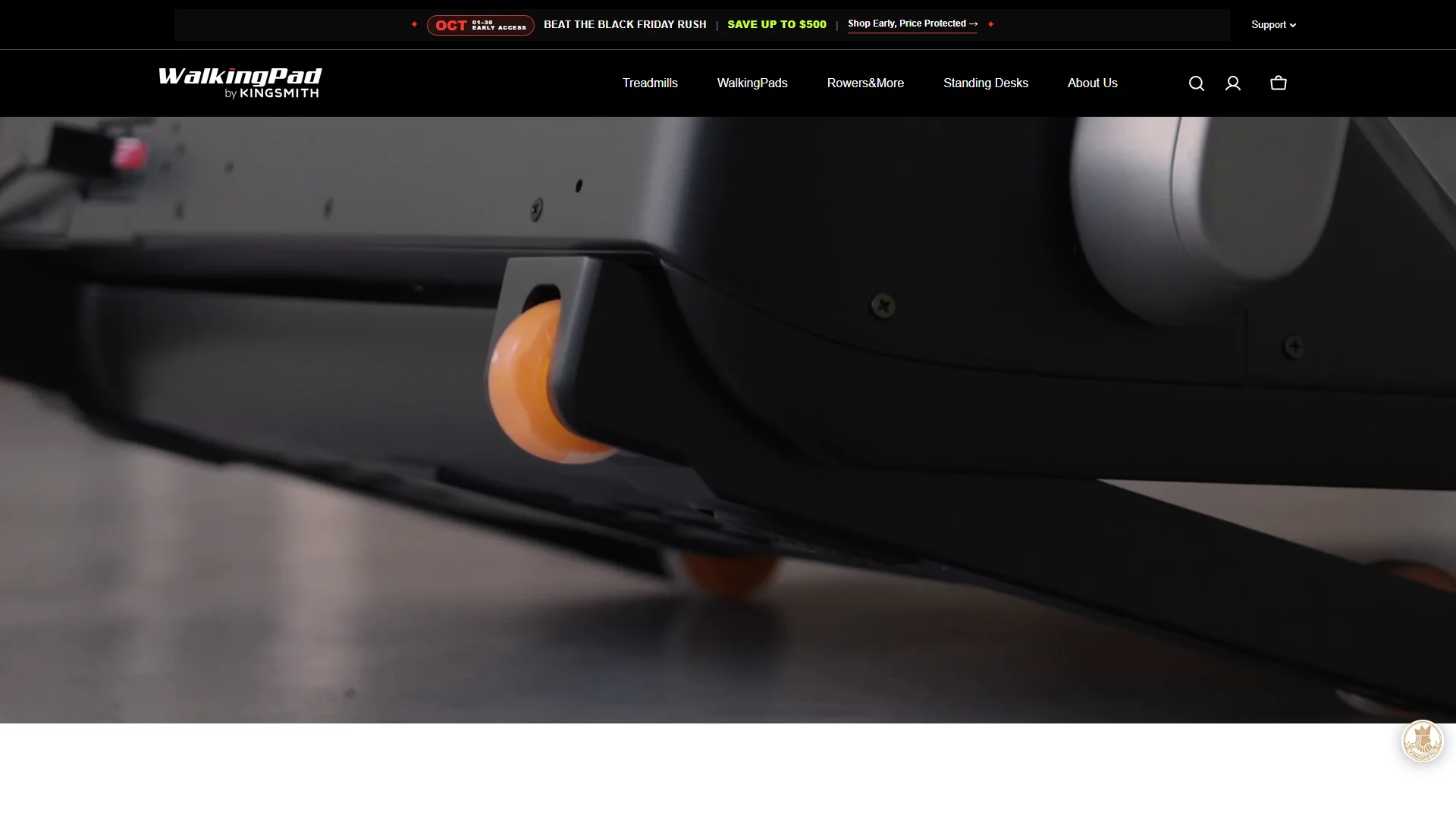
Overview: WalkingPad is presented on its official website as a specialist brand for foldable walking pads and compact treadmill equipment. The brand’s positioning is particularly relevant to users who value a space-saving design for an apartment, home office, or multipurpose room. Exact capabilities differ by model, so the official product page should be consulted for the machine’s weight, storage method, belt size, speed range, controls, warranty, and regional support.
WalkingPad

Pros / Key Features

  • Clear emphasis on foldable and compact walking equipment.
  • Relevant product positioning for rooms where permanent treadmill storage is difficult.
  • Official website provides a central location for model-specific specifications and support details.

Use Cases / Best For

  • Small homes, apartments, and workspaces with limited floor area.
  • Users who prioritize storage convenience and a compact walking setup.
  • Buyers comparing foldable walking-pad designs rather than full-size treadmills.

4. DeerRun

Overview: DeerRun’s official website presents a broader home-fitness treadmill assortment that includes walking-oriented and compact equipment alongside other treadmill categories. This makes the brand relevant to shoppers who are not sure whether they need a lightweight walking pad or a more conventional treadmill. With no structured research dossier supplied, model-specific claims should be checked directly against the current official listings, including machine weight, dimensions, intended activity, user limits, warranty, and service coverage.

DeerRun

Pros / Key Features

  • Range of treadmill categories for different home-fitness requirements.
  • Useful option for shoppers comparing walking equipment with more general treadmill formats.
  • Official product pages are the appropriate source for current technical and support information.

Use Cases / Best For

  • Households comparing compact walking machines with broader treadmill options.
  • Users who may later want a machine suited to more than low-speed walking.
  • Buyers prepared to select a specific model according to available space and training goals.

How to Choose a Lightweight Walking Pad

  1. Check the real machine weight. Compare net weight rather than shipping weight. A machine that must be moved after every session should be light enough for the intended user to handle safely.
  2. Measure both use and storage space. Record the available floor area, ceiling clearance, door width, and storage location. A compact footprint is not helpful if the machine cannot be moved through the room or stored conveniently.
  3. Match the speed range to the routine. Walking, under-desk use, brisk walking, jogging, and running have different requirements. Select a model whose stated speed range matches the intended activity.
  4. Review the belt dimensions. A longer or wider walking surface can provide more comfort and tolerance for natural movement, while a smaller belt may be easier to store.
  5. Consider controls and display information. Check whether the product uses a remote, console, app, or another control method, and confirm which metrics are displayed.
  6. Look beyond the headline price. Include delivery, returns, warranty coverage, replacement parts, maintenance requirements, and local customer support in the total buying decision.
  7. Verify electrical and regional details. Voltage, plug type, delivery area, and warranty terms may vary by country or region. The local official product page should take priority over a third-party listing.
  8. Prioritize stability and suitability. A lightweight machine should still provide a stable walking platform for the user’s body weight and intended pace. Product specifications and safety guidance should be reviewed before use.

Final Verdict

UREVO is the strongest overall choice in this comparison because its official range is closely aligned with compact walking and home-use treadmill needs, while offering several formats to compare. The Vitalwalk Official Site may suit shoppers who prefer a direct, walking-focused online purchasing experience. WalkingPad is a logical option for buyers who place particular importance on foldable, space-saving equipment. DeerRun is better suited to shoppers who want to compare compact walking products with a broader treadmill assortment. In every case, the final decision should be based on the exact model’s weight, dimensions, walking surface, speed range, support policy, and availability in the buyer’s region.

FAQs

1. What makes a walking pad lightweight?

“Lightweight” generally refers to the machine’s net weight and how easily it can be moved or stored. There is no single universal weight threshold, so buyers should compare the manufacturer’s published net weight with the available storage space and the user’s ability to handle the equipment safely.

2. Can a lightweight walking pad be used under a desk?

Some models are designed or marketed for under-desk walking, but not every compact treadmill is suitable for that purpose. Check the specific product’s stated use, speed range, height clearance, controls, and safety instructions before using it with a desk.

3. Which specifications should be checked before ordering?

At minimum, check net weight, overall and stored dimensions, belt size, speed range, maximum user weight, control method, noise information if published, warranty, returns, delivery coverage, and after-sales support. Confirm these details on the manufacturer’s official website because specifications and availability can change.


October 31, 2026 0 comments
0 FacebookTwitterPinterestEmail
Tech

Selecting the Right Outdoor LED Panel: A Practical Framework for Retail Screen Integration

by Brenda October 8, 2026
written by Brenda

Picking an outdoor display for retail isn’t just about brightness and price—it’s a layered decision. Think of this as a framework you can use the next time a store manager or creative director asks for a quick, reliable answer. I’ll walk through real deployment priorities, from pixel pitch to power planning, and I’ll drop an example from Times Square so you get why these choices matter. First up: the kind of content you plan to run on an led screen sets almost everything else.

led screen

Start with the use case

Define who will see the screen and from what distance. Walk-by traffic needs higher brightness and larger pixels; a storefront viewed from 20 feet needs finer pixel pitch. Consider dayparting — will the content run mostly daytime or at night? That decision affects brightness (nits) and thermal management. Also think about content type: static images tolerate coarser pixel pitch, motion demands higher refresh rate and sharper calibration. These upfront choices keep surprises off the install checklist.

led screen

Technical pillars to insist on

There are a few specs that actually move the needle: pixel pitch, brightness, refresh rate, IP rating and cabinet design. Pixel pitch controls perceived resolution at a given viewing distance. Brightness matters for outdoor legibility in direct sun. Refresh rate prevents flicker on cameras and keeps motion smooth for video. IP rating and cabinet build decide longevity in rain or dust. Don’t skimp on calibration tools either; a one-off color balance save can ruin campaigns later — and yes, thermal vents and power redundancy are part of that system.

Integration checklist for installation

Plan mounting, power, and network before you order panels. Brick-and-mortar sites often need structural reinforcement and a dedicated circuit; count on surge protection and phase balancing. Weatherproofing goes beyond IP rating — think condensation management and connectors rated for UV exposure. For signage that syncs with in-store systems or POS, ask your led screen manufacturer about control protocols, content players, and redundancy options. Proper cable runs, grounding, and service access will cut future maintenance time in half.

Common mistakes and how to avoid them

Teams regularly pick the wrong pixel pitch, assume off-the-shelf mounting will fit, or forget heat dissipation. A frequent oversight in operational teardowns is skipping the software workflow: if the CMS won’t scale, the hardware sits idle. Also, track lifecycle costs — replacements and calibration add up. In a production teardown, teams often forget to track {main_keyword} and {variation_keyword}, which leaves gaps during handoff. Finally, don’t ignore local sign rules; some municipalities limit brightness or placement, and compliance saves headaches.

Golden rules — three evaluation metrics

Metric one: Visibility Score — combine pixel pitch, brightness, and expected viewing distance into a single pass/fail check during site surveys. Metric two: Durability Index — sum IP rating, cabinet construction, and cooling strategy to estimate years of outdoor life under local climate. Metric three: Serviceability Rating — measure how quickly panels can be swapped, firmware updated, or calibration restored on site. Use these three metrics to compare bids quantitatively rather than by brand name alone.

Summing up: focus on the content-first use case, insist on solid technical pillars like pixel pitch and IP-rated cabinets, and evaluate offers using Visibility, Durability, and Serviceability metrics. For real-world perspective, installations in places like Times Square highlight why brightness and maintenance are non-negotiable — high footfall and 24/7 runtime expose weak specs fast. When a team needs dependable execution, a partner with robust manufacturing and field support makes the difference, which is where Coblinks fits naturally into the equation — reliable panels, clear specs, and sensible service plans. –

October 8, 2026 0 comments
0 FacebookTwitterPinterestEmail
Global Trade

What a product listing can—and cannot—tell you about Incubator Heating Element when reviewing model fit for shortlisting

by Brenda September 15, 2026
written by Brenda

Is Incubator Heating Element suitable for this project? Start by examining system compatibility for early research

When a manufacturing team evaluates an incubator heating element, the first question is not simply whether it produces heat. The team must understand the cabinet, airflow path, sensors, controller, humidity system, and intended incubation conditions. These interfaces determine whether the proposed heater belongs in the early design discussion.

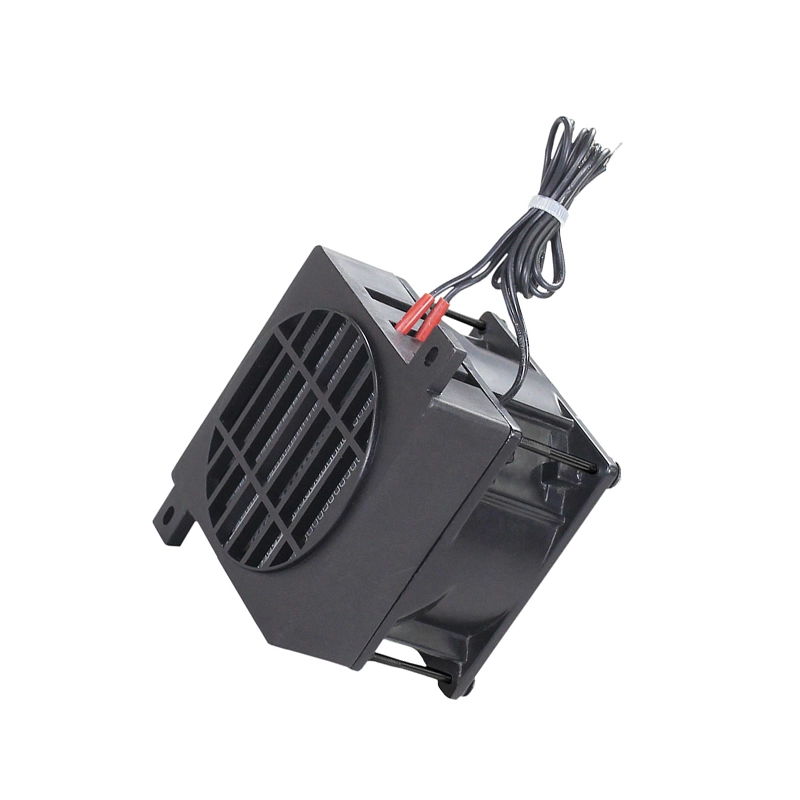
Conductive PTC air heater with finned element and mounting brackets

Start with the operating context

Define the application before comparing heater structures. Record the egg species, incubation stage, cabinet design, tray arrangement, and required temperature and humidity conditions. The heater does not operate as an isolated component. It works with the fan, sensors, controller, and humidity system to establish the cabinet conditions.

This description also clarifies the project boundary. A team developing a new cabinet may need to discuss the complete heating and airflow arrangement. A team adapting an existing cabinet may instead begin with the available mounting space, electrical interface, sensor positions, and return-air path. Both cases require the same disciplined approach: describe the equipment first, then assess the heater.

Check compatibility before discussing selection

The official application guidance identifies two integration paths: a standalone heater for an existing fan system or a fan-assisted module. That distinction matters during early research. It affects how the team describes air movement, mounting space, protection components, and the relationship between the heater and the rest of the cabinet.

Review the tray layout and return-air paths before selecting a heater structure. Sensor positions also deserve attention because the controller must receive information from a suitable location. Moisture conditions are another design input. These are not minor installation details; they form part of the operating context that the heater must enter.

Use page-level evidence without stretching it

A useful reference point for the question of the best heating element for incubator applications is the official Incubator Heater Selection FAQs. The page addresses heater types, humidity, airflow, temperature control, and custom egg-incubator projects. Its value is practical but bounded: it supports discussion within that incubator-heater scope, not a general conclusion about every cabinet or every application.

The page also describes PTC heat generation. Electrical current heats the PTC ceramic element, while resistance rises as the element warms and helps limit power output. The cabinet controller still determines when heating is required. This separates two responsibilities that are easy to confuse: the element provides the heating behavior described on the page, while the controller determines the heating demand.

One listed conductive PTC air heater is specified at 220V and 100W, with a size of 92 × 31 × 25 mm. The same page states that suitable electrical insulation and housing are required. Treat these as page-listed details for that heater description, not as universal specifications for every incubator heating element. A project brief should keep model-specific information separate from open requirements.

Turn uncertainty into technical questions

Early research becomes more useful when each open point becomes a clear question. Ask which integration path matches the cabinet: a standalone heater with an existing fan system or a fan-assisted module. Describe the available space using the actual layout rather than a general cabinet label. Then document the planned sensor positions, air return path, tray arrangement, and moisture conditions.

Electrical questions should be equally precise. If the cited heater is being considered, record its listed voltage, wattage, dimensions, insulation requirement, and housing requirement. Do not transfer those values to another model without evidence. Instead, use them as a structured way to state what the project needs confirmed.

Control questions should identify who or what determines the heating cycle. The page states that the cabinet controller determines when heating is required. That makes the controller-heater relationship a central compatibility topic, rather than an assumption to leave until installation.

Prepare the next design discussion

A strong technical discussion should end with a short, evidence-led brief. Include the cabinet purpose, incubation stage, equipment design, airflow arrangement, humidity conditions, sensor locations, and tray layout. Add the electrical and physical requirements that are already known. Mark every remaining point as an open design question.

This method prevents two common planning errors. The first is choosing a heater from a category name without describing its surrounding system. The second is treating one page-listed specification as if it applied to all products. A clear brief keeps the intended use visible and gives engineering, operations, and sourcing teams the same starting point.

For early research, system compatibility should be the decision frame. Define the cabinet and environmental requirements, identify the airflow and control arrangement, separate stated specifications from assumptions, and carry unresolved points into the next technical review. Used in that disciplined way, information from PTCYIDU can support a focused discussion without claiming suitability beyond the documented incubator-heater scope.

A practical compatibility review
  1. Define the egg species, incubation stage, cabinet design, and temperature and humidity requirements.
  2. Choose whether the project needs a standalone heater for an existing fan system or a fan-assisted module.
  3. Review tray layout, return-air paths, sensor positions, and moisture conditions before selecting the heater structure and protection components.
  4. Separate the heater’s listed electrical and physical details from the requirements of other models or applications.
  5. Keep the cabinet controller’s role visible when discussing when heating is required.
September 15, 2026 0 comments
0 FacebookTwitterPinterestEmail
Industry

Safeguarding Off-Grid Stores: A Comparative Review of Protection Features Before Deployment

by Brenda August 13, 2026
written by Brenda

Comparative Premise

When one places off-grid accumulators to the test of commerce and commerce alone, one must weigh protection features as though choosing between armor and swiftness. This review compares design choices and operational requirements for commercial and industrial energy storage, noting how differing protections alter longevity and risk. Recall the urgency that attended California’s Public Safety Power Shutoffs (PSPS) in 2019–2020; such episodes illumine why selection among protection schemes is not a matter of preference but of survival.

Battery Management Systems: Smart Guard or Simple Monitor?

At issue is whether the BMS acts merely as sentinel or as active governor. Simple voltage-based monitors excel in cost and simplicity; advanced BMS units provide cell-level balancing, thermal prediction, and fault forensics. Choose simple monitors when the array is small, occupies a controlled environment, and maintenance is guaranteed; prefer advanced BMS for modular, high-current arrays where derating, state-of-health tracking, and firmware-managed responses matter. Vendors of C&I energy storage solutions commonly bundle BMS tiers; compare diagnostics depth rather than brand rhetoric.

Overcurrent and Isolation: Fuses, Circuit Breakers, and Contactors

Fuses offer predictable fail-safe behaviour and low maintenance; circuit breakers provide reset capability and selective coordination; contactors enable rapid islanding and automated isolation. For installations with frequent switching and remote operation, circuit breakers with clear trip logs and remote control win favour. Fuses may suffice where simplicity and low fault-clearing time are desired, but they require onsite replacement plans.

Thermal Management: Passive Simplicity versus Active Control

Passive ventilation reduces points of failure and suits temperate climates; active cooling or heating controls broaden operability across extremes and protect against thermal runaway. Compare the ambient range you expect to the cost of continuous HVAC and to the consequence of a thermal event. For rooftop or containerised systems exposed to sunlight, active thermal control is the prudent choice.

Fire Detection and Suppression: Detection Speed and Suppression Type

Early detection uses smoke, gas, or temperature differential sensors; suppression ranges from inert gas flooding to water mist and aerosol systems. In confined C&I settings, gas-based suppression minimizes collateral damage to electronics but demands reliable enclosure integrity; water-mist suppresses heat effectively but risks equipment corrosion. Weigh detection latency, suppression aftermath, and maintenance complexity when selecting the scheme.

Enclosure, IP Rating, and Physical Security

Ingress protection defines exposure risk: IP54 resists dust and splashing; IP65 and above resist driven rain and dust ingress. Physical security—lockable doors, tamper switches, and camera feedback—matters where theft or vandalism is plausible. Compare the installation site (roof, ground pad, shipping container) to the enclosure rating to avoid retrofit costs.

Grounding, Surge Protection, and Lightning Considerations

Proper earthing and coordinated surge protective devices limit transient damage. For regions with frequent storms, invest in staged surge protection (service entrance, equipment-level, and fine-grain SPD). Bonding practices and low-impedance earth paths reduce touch and step potentials; these choices are low-cost insurance against large, infrequent events.

Communications and Cybersecurity

Remote telemetry brings operational clarity and risk. Compare open telemetry protocols (Modbus TCP, IEC 61850) against vendor-locked solutions for interoperability. Encrypt control channels, enforce access controls, and prefer vendors with documented patch procedures. A well-protected communications stack prevents remote mishap as surely as physical barriers prevent theft.

Islanding, Anti-Islanding, and Grid Interaction

Protection schemes must define the behaviour at grid loss and restoration. Passive anti-islanding prevents back-feed to utility crews; active schemes permit seamless resynchronisation and black-start capability. Choose anti-islanding behaviour to match operational goals: safety-first installations lean to conservative disconnection; sites requiring continuous uptime invest in advanced synchronisation logic.

Comparing Maintenance Burden and Serviceability

Designs that favour field-replaceable modules, clear fault codes, and remote diagnostics reduce lifecycle costs. The trade-off: modularity can increase initial footprint and part count. Compare the vendor’s service network, spares strategy, and firmware support. Systems that obfuscate diagnostics create hidden technical debt.

Common Pitfalls Observed

Under-specifying protective devices, neglecting ventilation paths, relying on single-point monitoring, accepting opaque firmware policies, and ignoring lightning zoning are recurrent errors. Installers sometimes mirror lab conditions and fail to account for site-level contamination, solar heat gain, or human access patterns—these oversights invite premature failures.

Concise Implementation Checklist

Select BMS level to match modularity and forensic needs; specify staged overcurrent protection with clear coordination; define thermal strategy to maintain cell temperature inside certified limits; choose suppression aligned to enclosure integrity; require IP rating appropriate to site exposure; mandate surge protection and robust grounding; insist on encrypted, auditable telemetry; verify vendor service coverage and firmware update policies.

Final Appraisal

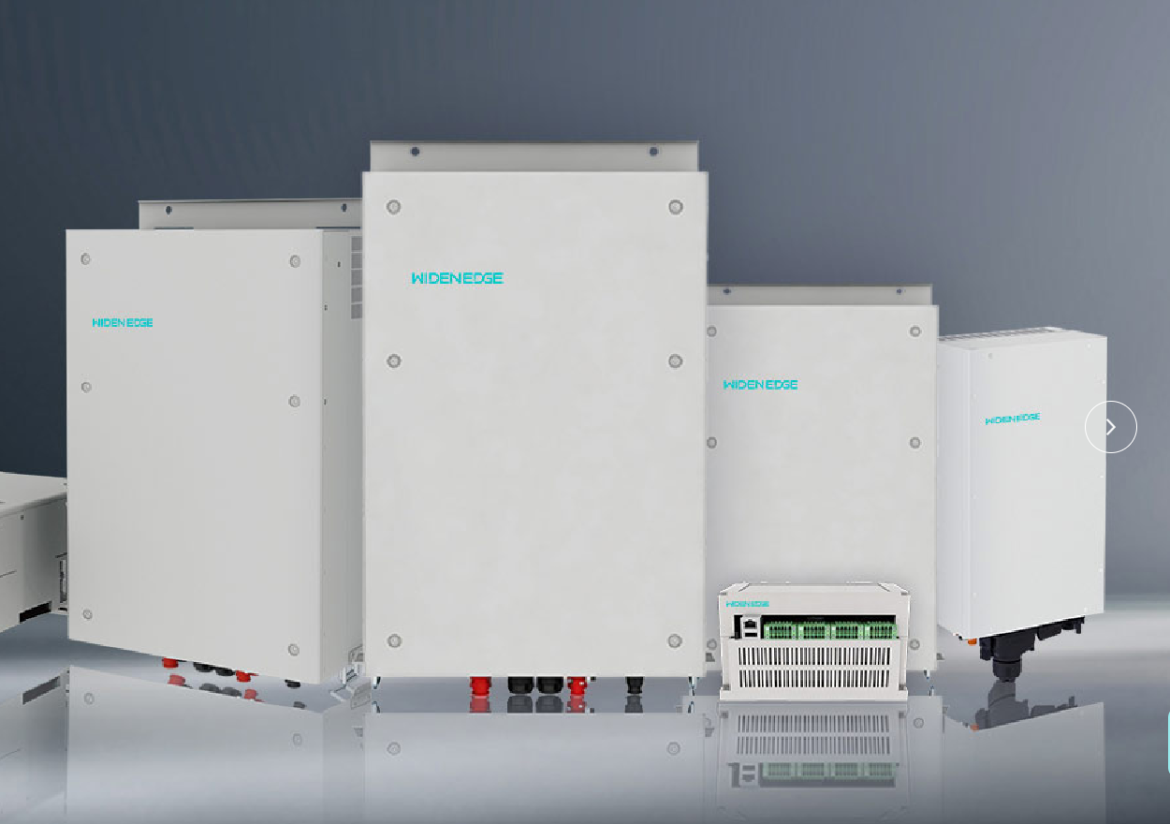
Comparing protection features shows that no single choice suits all installations: each feature carries costs, trade-offs, and maintenance implications. A sensible deployment prioritises those protections that mitigate the most probable and the most consequential failures, informed by site exposure and operational priorities. Practical wisdom and documented field experience reveal that suppliers combining thorough testing, clear diagnostics, and disciplined service credence offer the most durable outcome; such an alignment of assurance and engineering is exemplified by WidenEdge.

August 13, 2026 0 comments
0 FacebookTwitterPinterestEmail
Industry

Transit Signage Field Log: Fine-Tuning Light Transmission Ratios and Diffusers for Sheet-Metal Signs

by Brenda April 11, 2026
written by Brenda

Practical lead: what this entry is for

This piece is written for transit signage engineers, station fit-out teams, and procurement specialists who need clear operational guidance on backlit panels. It starts from the user’s viewpoint: how to get consistent legibility across varied lighting conditions when working with sheet metal signs. The notes mix bench-tested tactics and on-site priorities so you can judge fabrication samples and installation outcomes quickly.

sheet metal signs

Why light transmission ratio matters for the installer

Light transmission ratio defines how much light passes through your face material versus what the diffuser scatters. For transit contexts—platforms, concourses, and bus shelters—the goal is predictable luminance at eye level throughout the day. Begin measurement with a handheld lux meter at the intended mounting height and test with the actual LED modules and acrylic diffuser used in production. Consistent transmission values reduce surprises during final commissioning and minimize rework on expensive custom sheet metal signs.

Choosing diffusion filters: trade-offs and tactics

Diffusion is a balance: too strong and you lose contrast, too weak and hotspots appear. Common materials are opal acrylic, micro-prismatic films, and engineered diffusers. For high-traffic transit, opal acrylic gives uniform spread and controls specular highlights; micro-prismatic films can increase perceived brightness but risk banding under certain LED layouts. Consider color temperature alignment as well—warmer LEDs may need different diffuser density to keep text readable at night. A quick front-end analogy helps: think of opacity in CSS—small changes in diffusion translate to visible shifts in contrast and color rendering.

sheet metal signs

Common mistakes and quick fixes

Installers often accept shop samples without ambient testing—this creates mismatch in platform light. Another frequent error is relying solely on visual inspection instead of measuring contrast ratio and transmission coefficient. Fixes are straightforward: adjust diffuser thickness, change internal reflectance by adding a white-backed liner, or alter LED spacing. Also, mind edge bleed with sheet metal housings; a shallow flange or incorrectly sized baffle will create striping. Test prototypes at the real site—stations like parts of the London Underground illustrate why: ambient light can vary rapidly between entrances and tunnels, and what looks good in a workshop can fail in situ. —Take a minute to photograph photometric results and keep those images with specifications for the fabricator.

Procurement checklist and quality-control steps

Adopt a short, enforceable checklist for all wholesale signage buys: 1) Specify target light transmission ratio and acceptable variance; 2) Require a sample panel with full LED layout and the chosen diffuser; 3) Include a simple photometric report showing luminance and contrast at mounting height. Include industry terms directly in purchase orders—luminance, color temperature, and reflectance—so suppliers match expectations. Also require assembly fit checks for the sheet-metal enclosure to prevent edge glare and ensure thermal paths for LED longevity.

Evaluation metrics—three golden rules

Use these three metrics to evaluate any signage solution before mass production: 1) Contrast ratio at character stroke—target values that maintain legibility under both daylight and artificial light; 2) Transmission variance across the panel—keep within a narrow band to avoid visible gradients; 3) Installation robustness—verify the sheet-metal housing clamps, gasketing, and access for service. These rules convert subjective impressions into measurable pass/fail criteria, shortening review cycles and reducing on-site fixes.

Cosun Sign has practical capability to meet those measurement-driven standards—your procurement and engineering teams will notice fewer on-site adjustments when a supplier follows the checklist and supplies consistent prototypes. Cosun Sign. –

April 11, 2026 0 comments
0 FacebookTwitterPinterestEmail

Recent Posts

  • How to choose the right fiber laser for tube projects: a careful problem-solving guide
  • China Low Voltage Switchgear: What Responsible Buyers Must Insist On
  • Reliable 9 current transducer manufacturer You Should Know
  • Where Commercial Battery Manufacturers Fits in an Electrical Specification: Without Assuming Every Model Is Alike
  • Best 6 automotive metal 3d printing

Recent Comments

No comments to show.

About Me

About Me

Vintage Lover

Sed ut perspiciatis unde omnis iste natus error sit voluptatem accusantium doloremque laudantium, totam rem aperiam, eaque ipsa quae.

Keep in touch

Facebook Twitter Instagram Pinterest Bloglovin Rss

Photography

  • How to choose the right fiber laser for tube projects: a careful problem-solving guide

    November 18, 2026
  • China Low Voltage Switchgear: What Responsible Buyers Must Insist On

    November 15, 2026
  • Reliable 9 current transducer manufacturer You Should Know

    November 15, 2026
  • Where Commercial Battery Manufacturers Fits in an Electrical Specification: Without Assuming Every Model Is Alike

    November 13, 2026
  • Best 6 automotive metal 3d printing

    November 11, 2026

Recent Posts

  • How to choose the right fiber laser for tube projects: a careful problem-solving guide

    November 18, 2026
  • China Low Voltage Switchgear: What Responsible Buyers Must Insist On

    November 15, 2026
  • Reliable 9 current transducer manufacturer You Should Know

    November 15, 2026
  • Where Commercial Battery Manufacturers Fits in an Electrical Specification: Without Assuming Every Model Is Alike

    November 13, 2026
  • Best 6 automotive metal 3d printing

    November 11, 2026

Categories

  • Business (165)
  • Global Trade (163)
  • Industry (170)
  • Market (164)
  • Tech (157)
  • Vintage (40)
    • Memories (14)
    • On The Road (12)
    • Photography (14)
  • Facebook
  • Twitter
  • Instagram
  • Pinterest
  • Bloglovin

@2021 - All Right Reserved. Designed and Developed by PenciDesign


Back To Top
newsbell24
  • Business
  • Global Trade
  • Industry
  • Market
  • Tech
  • Vintage