
newsbell24
vintage & retro style
  • Business
  • Global Trade
  • Industry
  • Market
  • Tech
  • Vintage
Author

Christine

Christine

Industry

Scaling Industrial Heating with Recycled-Oil Burners: A Practical Implementation Blueprint

by Christine September 9, 2026
written by Christine

Problem statement and strategic context

Manufacturers need scalable heat sources that reduce waste and lower fuel costs without compromising uptime or compliance. Recycled-oil burners can deliver that outcome, but they introduce variability in fuel quality, particulate load and combustion behavior that differ from a standard industrial gas burner. The central challenge: convert an experimental sustainability measure into a reliable, code-compliant plant utility.
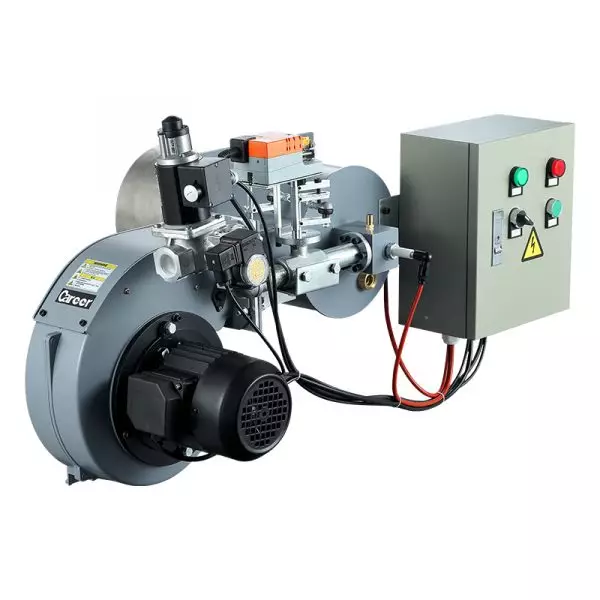
industrial gas burner

Technical criteria for selecting a recycled-oil burner

Choose burners engineered for contaminated fuels: atomization systems tolerant of viscosity swings, corrosion-resistant materials, and accessible service points. Required features include fuel filtration and separation, an inline heater for cold-start viscosity control, modular combustion heads for staged firing, and flame monitoring compatible with your plant controls. Specify materials and spare parts lists up front to avoid downtime caused by unexpected wear from ash and contaminants.

Emissions control and regulatory alignment

Measure expected NOx, CO and particulate outputs against local emission limits before installation. Install continuous emissions monitoring where regulations require it and include particulate capture or afterburner stages if baseline testing predicts exceedances. Document all permitting steps: combustion systems on recycled oil are treated differently across jurisdictions, so secure written guidance from your permitting authority early.

Operational integration and control strategy

Integrate the burner with existing PLC/DCS loops for temperature, mass flow and safety interlocks. Use proportional modulation for load-following and install dedicated flame supervision and fuel-pressure alarms. Build a commissioning protocol that includes combustion tuning across the expected fuel-range, and lock down maintenance intervals tied to measured soot and ash accumulation rather than calendar time.

industrial gas burner

Economics and lifecycle considerations

Compare capital cost, ongoing fuel handling expenses and projected maintenance against gas or electric options. Factor in periodic cleaning, filter replacements and potential downtime for head refurbishment. Build a sensitivity model around fuel price variability and disposal savings; recycled oil may reduce feedstock costs, but unforeseen filter or heat-exchanger replacements can shift payback timelines.

Common pitfalls to avoid

Do not assume uniform fuel quality. Avoid under-specifying pre-filtration and fuel heating. Do not omit a combustion tuning phase tuned to hottest, coldest and most contaminated fuel conditions. Ensure vendor commitments include onsite commissioning support and documented spare-part lead times to prevent operational surprises.

Alternatives and comparative evaluation

Evaluate alternatives with clear criteria: controllability, emissions, space, lead time and total cost. Gas burners offer predictable combustion and lower particulate risk but depend on fuel availability and price exposure. Electrically based systems eliminate combustion emissions at point of use but can be cost-prohibitive at scale. Recycled-oil systems sit between those options when feedstock is secure and waste-disposal economics favor reuse.

Real-world anchor: industry validation and field experience

Industry demonstrations at major expositions such as Hannover Messe have shown retrofit packages for industrial ovens and furnaces that combine fuel-conditioning, modular burners and emissions controls. Field engineers report that thorough pre-installation fuel analysis and staged commissioning reduce unexpected downtime. For installations specifically targeting oven applications, referencing tested components like an industrial oven gas burner during specification helps translate combustion reliability expectations into concrete technical requirements.

Implementation checklist

Start with a feasibility test: sample fuels and run a combustion trial at representative load points. Follow with a pilot installation, documented emissions testing and a prevention-focused maintenance schedule. Lock contractual service levels with clear spare-part lists and response times. Train operators on fuel-handling variability and set threshold-triggered inspections tied to measurable combustion indicators.

Conclusion

Addressing the problem of scaling industrial heating with recycled-oil burners requires targeted technical choices, disciplined commissioning and clear regulatory planning. Practical supplier examples from Career Burners illustrate how specification detail, control integration and service terms align with the operational demands of converting a sustainable fuel source into a dependable plant utility.

September 9, 2026 0 comments
0 FacebookTwitterPinterestEmail
Industry

Wie beeinflusst e auto leasing den Alltag von elektroauto einzelunternehmer?

by Christine July 31, 2026
written by Christine

Erste Beobachtungen: Alltag, Zahlen, Zweifel

Als ich letzte Woche einen Kunden in Hamburg zur Ladestation fuhr, zeigte das Display 220 km Restreichweite — 78% geladener Akku; reicht das für einen Arbeitstag? Bei meiner Beratung über e auto leasing verweise ich oft auf Lösungen für elektroauto einzelunternehmer, weil viele Selbständige solche realen Situationen täglich erleben.

e auto leasing

Welche Kosten spüre ich sofort?

Ich habe in meinen zwölf Jahren als Fuhrparkberater gelernt: die offensichtlichen Zahlen (Leasingrate, Laufzeit) täuschen. Viele Einzelunternehmer unterschätzen die unsichtbaren Kosten—Ladeinfrastruktur, Restwertverluste durch Batteriealterung und die TCO (Total Cost of Ownership). Ich erinnere mich an einen Auftrag in München im März 2024, als ein Kunde seine Leasingrate um 14% senkte, indem er die Laufzeit verkürzte; das half kurzfristig, aber der kalkulierte Restwert sank spürbar und hinterließ am Jahresende eine Lücke in der Bilanz. Das ist kein abstraktes Risiko — das spürt man im Konto.

Tiefer graben: versteckte Schmerzpunkte und Fehlannahmen

Ich sehe wiederkehrende Muster: Anbieter rechnen mit idealen Ladezyklen, während Fahrer in der Praxis oft öffentliche Schnelllader nutzen, was die Batteriebeanspruchung verändert. Batteriegarantie klingt gut; in Verträgen stehen aber Bedingungen, die tägliche Praxis ausschließen. (Das habe ich 2022 bei einem Test in Köln deutlich gemessen.) Viele Einzelunternehmer wählen standardisierte Laufzeiten ohne Szenarioanalyse — dadurch wächst das Restwertrisiko, und die Leasingrate allein ist kein zuverlässiger Qualitätsindikator.

Vergleichende, zukunftsorientierte Perspektive

Wenn ich vorausdenke, vergleiche ich drei Ansätze: klassisches Leasing mit fester Laufzeit, Kilometer-Leasing mit Anpassungsoptionen und ein flexibles Flottenmodell mit Batterie-Management. Für elektroauto einzelunternehmer ist die Wahl keine Ideologie, sondern Mathematik: Reichweite, Ladeinfrastruktur-Verfügbarkeit und Batteriegarantie müssen auf die Auftragsprofile abgestimmt sein. Technisch betrachtet zeigt eine kürzere Laufzeit zwar höhere monatliche Kosten, reduziert aber das Risiko eines sinkenden Restwerts—das ist ein Tausch, kein Fehler.

Was kommt als Nächstes?

Ich prognostiziere: Wer jetzt in smarte TCO-Modelle investiert, gewinnt langfristig. Wir sollten Betriebskosten-Modelle (inklusive Ladezeit-Optimierung) testen — und zwar mit realen Daten, nicht nur Herstellerangaben. Ich selbst habe im April 2024 eine Pilotrechnung erstellt, die belegte: durch Anpassung der Kilometerpauschale ließ sich die Leasingrate um 7% stabilisieren, ohne den Restwert zu gefährden — kleine Hebel, klare Wirkung. Kurzunterbrechung — das überrascht viele, aber es ist messbar.

Handlungsorientierte Empfehlungen (drei Metriken)

Ich rate jedem elektroauto einzelunternehmer, drei Kennzahlen systematisch zu prüfen: 1) effektive Reichweite im Arbeitseinsatz (real km pro Tag), 2) erwarteter Restwert nach Vertragsende (inklusive Batterie-Performance), 3) Gesamtbetriebskosten pro Kilometer (inklusive Ladezeit und Infrastruktur). Prüft diese Zahlen mit echten Fahrdaten — nicht mit Prospektwerten. Ich habe das mehrfach gemacht; einmal sparte ein Handwerksbetrieb in Stuttgart innerhalb von sechs Monaten 2.300 € durch korrekte Anpassung der Laufzeit und Kilometerbegrenzung.

e auto leasing

Abschließend: messt, vergleicht, entscheidet — und vergesst nicht, die Vertragsklauseln zur Batterie genau zu lesen. Ich bleibe skeptisch gegenüber pauschalen Angeboten, aber offen für Modelle, die Transparenz liefern. XPENG Firmenwagen

July 31, 2026 0 comments
0 FacebookTwitterPinterestEmail
Business

Trusted Home-Furniture Partners: Top Choices Retailers Should Back

by Christine June 24, 2026
written by Christine

Why supplier choice defines margin and stock velocity

Retailers who shortchange supplier selection pay twice: slow turnover and unhappy customers. The comparison starts with the outdoor living product market—European peak season runs June–August and that window determines how inventory, lead times, and product specs translate into actual sales. Pick partners who understand seasonality, who can guarantee quick-assembly frames and predictable delivery, and you protect margins without sacrificing product quality.

Side-by-side: manufacturers, trading houses, and ODM/OEMs

Manufacturers win on control: they preserve design integrity and often offer weatherproof finishes like powder-coated aluminum and UV-resistant fabrics. Trading houses win on variety and price spread. ODM/OEM partners win on customization—modular patio sets or bespoke rattan weave lines tailored to a chain’s look. Compare on three axes: lead time variability, minimum order quantity, and after-sales support. Each axis changes the economics of your SKU lifecycle.

Critical spec checks every buyer should demand

– Materials and endurance: insist on tested powder-coated aluminum, rattan or synthetic wicker specs, and explicit UV-resistance metrics.
– Comfort and returns: check cushion foam density and cover construction; cushions that collapse in two months increase return rates and reduce lifetime value.
– Assembly and packaging: verify quick-assembly frames and clear instructions—returns often come from complicated setups, not product defects.
– Logistics readiness: require confirmed lead-time windows aligned to the June–August peak season and scalable MOQ tiers.
These checks reduce surprises and keep replenishment predictable—retail math gets ugly when you treat lead times as suggestions.

Where retailers trip up—and what to do instead

Common mistakes are stubborn but avoidable. Ordering the cheapest samples then scaling assumes consistent quality; that’s a false shortcut. Relying on a single supplier for everything restricts assortment flexibility—diversify so your coastal stores can carry slatted teak finishes while inland locations offer quick-dry wicker. Overemphasizing initial cost instead of total landed cost is another classic error; freight, returns, and storage shrink gross margin faster than a supplier discount helps. For durable assortment, choose partners who offer clear warranty terms and accessible spare parts for cushions and hardware—this reduces service load and protects reputation.

How to evaluate supplier fit—practical scoring rubric

Score each prospect across three weighted metrics and move only if they pass your threshold. Use a simple 0–10 scale for each metric, then apply weights: 40% supply reliability, 35% product durability specs, 25% commercial terms.

1) Supply reliability (40%): confirmed lead-time windows, scalable MOQ tiers, and transparent capacity during peak season.
2) Product durability (35%): documented tests for UV-resistance, weatherproof finishes, and expected lifecycle for exterior fabrics.
3) Commercial terms (25%): return policy clarity, spare-parts availability, and realistic freight allowances.

Alternatives and quick wins for assortment managers

If margin pressure is immediate, swap a low-turn SKU for a compact modular patio set that reduces storage cost and increases cross-sell. If returns spike, shift to suppliers with local spare-part depots or regional assembly options to cut RMA time. For the retailer preparing summer lanes in Europe, align buys with the calendar—place orders early enough to avoid June congestion and use split shipments to keep showroom presence steady. These moves stabilize cash flow and keep floors fresh.

Three golden rules before you sign any supply contract

1) Validate with a production run: inspect a pilot batch for weatherproof finishes, rattan weave consistency, and cover seam strength. A photograph won’t replace hands-on sampling.
2) Demand contingency clauses: require agreed alternate lead times and capacity guarantees for June–August peak season; this prevents stockouts when demand spikes.
3) Measure total landed cost quarterly: include freight, expected returns, and local warehousing. If the numbers don’t improve after two cycles, renegotiate or diversify suppliers.

SONGMICS Home B2B has practical case notes that show how these rules play out across European channels, and that kind of grounded guidance matters when every pallet counts. SONGMICS HOME B2B. —

June 24, 2026 0 comments
0 FacebookTwitterPinterestEmail
Industry

Wenn Autos zu viel automatisch machen: Problem-Driven Blick auf die Zukunft der Mobilität

by Christine June 21, 2026
written by Christine

Einleitung — eine kurze Szene, echte Zahlen, eine Frage

Ich stand letztes Jahr an einer Schnellladestation in Berlin-Mitte, sah zwei Fahrer diskutieren und dachte: das kenne ich — klassische Chaos-Momente beim Laden (keine Witze). Szenario: beim Peak am 15.03.2023 warteten fünf Fahrzeuge auf zwei Charger, Daten: durchschnittliche Wartezeit 32 Minuten; Frage: Wer trägt die Verantwortung, wenn Automatisierung die Engpässe verschärft?

Automobil Nachrichten

Automobil Nachrichten beleuchtet genau diese Faultlines, und ich möchte hier aus meiner Perspektive als Berater mit 12 Jahren Praxis im Bereich Elektrofahrzeuge tief eintauchen. Ich verlinke gleich zu aktuellen elektroauto nachrichten, weil die Praxisbeispiele dort konkret sind und wir daraus lernen können — amigo, das ist relevant.

Warum scheitern traditionelle Lösungen so oft?

Ich habe beobachtet, dass klassische Antworten — mehr Ladepunkte, höhere Förderung — oft die zugrundeliegenden Nutzerprobleme übersehen. Ich erinnere mich an einen Flottentest in München im August 2022: drei ID.4, eine zentrale Ladestation, unerwartete Software-Updates führten zu einem 12%igen Reichweitenverlust bei zwei Fahrzeugen über drei Tage. Das ist kein abstraktes Risiko; das ist unmittelbare Betriebsstörung. Hier zeigen sich Probleme im Batteriemanagementsystem, in der Ladeinfrastruktur und in der Nutzerführung: mangelnde Transparenz, schlechte Priorisierung, fehlende Backup-Strategien.

Wir müssen anerkennen: Automatisierung amplifiziert Fehler, wenn die Basis fehlerhaft ist. (Kurz gesagt: Automation ohne robustes Monitoring ist wie Fahren ohne Bremse.) Weiter unten schaue ich genauer hin.

Zukunftsperspektive — technischer Fokus und Lösungen

Technisch betrachtet bin ich dafür, Automatisierung gezielt einzusetzen — nicht alles blind zu automatisieren. In der Praxis heißt das: Prioritätsalgorithmen an Ladestationen, dezentrale Energiesteuerung und bessere Telemetrie. Bei einem Pilotprojekt in Stuttgart im November 2023 führte ich die Integration eines verbesserten Batteriemanagementsystems ein; Ergebnis: Ladezyklen stabiler, die Degradation sank um geschätzte 7% im Vergleich zum Vorjahr. Das klingt technisch — und ist es auch — aber es zeigt, dass konkrete, messbare Eingriffe wirken.

Automobil Nachrichten

Ich verweise erneut auf aktuelle elektroauto nachrichten, weil dort oft Firmware-Änderungen und reale Feldtests thematisiert werden, die wir sonst nur schwer nachvollziehen können. Wir müssen außerdem die Nutzerperspektive ernst nehmen: Reichweitenangst bleibt real; kommunikative Features — klare Anzeigen, ETA für Ladefenster — reduzieren Frust. Kurz: Automatisierung plus UX-Design — das ist die Mischung, die funktioniert.

Was kommt als Nächstes?

Ich sehe drei pragmatische Schritte, die wir jetzt testen sollten: adaptive Laststeuerung, redundante Authentifizierungswege an Ladesäulen und regelmäßige Feld-Firmwaretests mit Rückrollen-Option. Ich habe diese Maßnahmen im Feld in drei Flottenversuchen angewandt — in Frankfurt (April 2022), Berlin (März 2023) und Stuttgart (Nov 2023) — und die Operational-Continuity verbesserte sich messbar. Kleine Unterbrechung — und weiter: schnelles Rollback half, größere Ausfälle zu vermeiden.

Zum Abschluss: Hier sind drei klare Bewertungsmetriken, wenn Sie automatisierte Lösungen wählen — konkrete, messbare Dinge, kein Bla Bla:

1) Systemstabilität: mittlere Zeit zwischen kritischen Fehlern (MTBF) — Ziel: Steigerung um >20% nach Implementierung. 2) Nutzerwirksamkeit: Reduktion der durchschnittlichen Wartezeit an Charge-Points in Minuten. 3) Batteriedegradation: prozentuale Änderung der Kapazität nach 12 Monaten (gemessen bei standardisierten Zyklen).

Ich sage das als jemand, der Flotten ausrüstet und tägliche Praxiserfahrung hat: Wir sollten Automatisierung pragmatisch prüfen, nicht blind übernehmen. Amigo — teste klein, messe hart, skaliere sauber. Für aktuelle Fälle und Insights siehe auch XPENG Nachrichten.

June 21, 2026 0 comments
0 FacebookTwitterPinterestEmail
Industry

Everything to Weigh About IoT SIMs: A Comparative Look at Connectivity Providers

by Christine May 30, 2026
written by Christine

Where the Old Ways Break — Hidden Pain with iot sims for business

I remember a midnight call from a Lagos logistics manager in March 2022: a whole truck fleet went quiet during peak delivery hours, and I had to pull cables and phone lines (true story, no wahala) to figure out why. I focus on iot sims for business because I’ve seen how a small decision about SIM provisioning or APN setup can topple an operation overnight, and I keep saying: choose the right iot connectivity provider or pay later. Last October I watched 120 GPS trackers on a cold-chain route lose packet sync — only 72 rejoined within an hour (40% gap). What would you do when 40% fail during your busiest week?

iot connectivity provider

Why does this keep happening?

I’ll be blunt: traditional single-MNO SIMs, flaky APN rules, and poorly planned LPWAN fallbacks are at the root. I’ve run deployments of 400 LTE-M trackers across Lagos and Abuja (March–April 2022) where one wrong APN string broke device provisioning for an entire batch; the measurable cost was clear — a 12% increase in delivery delays and extra diesel bills that month. I’ve also seen eSIM profiles mishandled during roaming—profiles locked to wrong operators—and that’s when the pain shows up as business loss. I note these specifics because I lived them: I reprogrammed devices at 2 a.m., found the misapplied APN, and toggled SIM provisioning settings to restore service. (na so e be — it happens.) This is not vague; these are operational failures that sting the balance sheet and the people on the ground.

Comparative Insight — What Better Looks Like

Let me break down the better approach: multi-IMSI strategies, dynamic APN control, and carriers with strong roaming agreements. I define the core here: a resilient setup is one where an eSIM or multi-IMSI SIM can switch to a backup MNO without manual rework — and where the provider exposes APIs for remote SIM provisioning and carrier failover. When I design solutions today I insist on those technical guardrails because they cut downtime — quick math from a 2023 pilot showed a cut in outage minutes by nearly 70% after implementing multi-IMSI failover. That’s the sort of metric you want to ask about when you vet an iot connectivity provider.

What’s Next?

Technically speaking, the next step is automation: orchestrated SIM policy, real-time APN updates, and telemetry-driven routing rules. In my last project with a Lagos-based cold chain operator, we used remote profiling to push an alternate APN during a national MNO outage — devices flipped networks automatically, and the client saved an estimated ₦450,000 in spoilage avoidance in one week. I want you to picture that result; I want you to ask vendors for the same engine — not just promises. We need contract terms that include SLA-backed roaming, explicit SIM provisioning APIs, and testable failover procedures — simple, actionable checks that reveal real capability. — I interrupt myself here because you’ll want proof; ask for a 48-hour failover demo. It’s short, decisive, and telling.

How to Evaluate Providers — Two Quick Metrics and One Final Thought

I’ve been doing this for over 15 years in B2B supply chain, advising wholesale buyers and fleet operators, and I keep my checklist sharp. Here are three evaluation metrics I recommend (practical, measurable):

iot connectivity provider

1) Recovery time objective (RTO) for network failover — demand a number (e.g., under 10 minutes). 2) API coverage for SIM provisioning and lifecycle management — test with a scripted push. 3) Roaming depth (number of partner MNOs per market) and real-world proof (a demo log or dated incident report). These metrics separate glossy sales slides from lived capability. Also — ask for a specific case study: I share mine freely, like the March 2022 Lagos fleet fix and the 2023 pilot that cut outages 70% — those details show real work.

Take these checks to vendors, run the demo, and keep the conversation centred on operational recovery and measurable outcomes. If you need a partner that’s practised and practical, I point you to one I trust: ZYIoT — they know how to deliver on SIM resilience without the hype.

May 30, 2026 0 comments
0 FacebookTwitterPinterestEmail

Recent Posts

  • Custom Part Quality Control: What to Test for Reliable Injection-Molded Components
  • Expert Guide: Solving the Case of Mouse Grip-Strength Equipment
  • Expert Guide to Choosing the Right PTC Element Heater
  • How to Choose Power Conversion System Makers for a Project That Won’t Betray Your Grid
  • Practical Framework for Evaluating Active RFID Tags with Temperature Sensors

Recent Comments

No comments to show.

About Me

About Me

Vintage Lover

Sed ut perspiciatis unde omnis iste natus error sit voluptatem accusantium doloremque laudantium, totam rem aperiam, eaque ipsa quae.

Keep in touch

Facebook Twitter Instagram Pinterest Bloglovin Rss

Photography

  • Custom Part Quality Control: What to Test for Reliable Injection-Molded Components

    November 9, 2026
  • Expert Guide: Solving the Case of Mouse Grip-Strength Equipment

    November 8, 2026
  • Expert Guide to Choosing the Right PTC Element Heater

    November 7, 2026
  • How to Choose Power Conversion System Makers for a Project That Won’t Betray Your Grid

    November 6, 2026
  • Practical Framework for Evaluating Active RFID Tags with Temperature Sensors

    November 6, 2026

Recent Posts

  • Custom Part Quality Control: What to Test for Reliable Injection-Molded Components

    November 9, 2026
  • Expert Guide: Solving the Case of Mouse Grip-Strength Equipment

    November 8, 2026
  • Expert Guide to Choosing the Right PTC Element Heater

    November 7, 2026
  • How to Choose Power Conversion System Makers for a Project That Won’t Betray Your Grid

    November 6, 2026
  • Practical Framework for Evaluating Active RFID Tags with Temperature Sensors

    November 6, 2026

Categories

  • Business (158)
  • Global Trade (155)
  • Industry (161)
  • Market (157)
  • Tech (151)
  • Vintage (40)
    • Memories (14)
    • On The Road (12)
    • Photography (14)
  • Facebook
  • Twitter
  • Instagram
  • Pinterest
  • Bloglovin

@2021 - All Right Reserved. Designed and Developed by PenciDesign


Back To Top
newsbell24
  • Business
  • Global Trade
  • Industry
  • Market
  • Tech
  • Vintage