
newsbell24
vintage & retro style
  • Business
  • Global Trade
  • Industry
  • Market
  • Tech
  • Vintage
Author

Rebecca

Rebecca

Market

How a Fine-Chem Manufacturer Solves Scale Problems for Industrial Makers

by Rebecca October 12, 2026
written by Rebecca

Small batch wins, big batch trouble

When lab recipe works, you feel relief. Then you try to make larger run of liquid sealant​ and things change. Viscosity drifts. Cure time shifts. Adhesion not match. This is the exact problem many makers face when trying to grow production quickly. Problem-led view: understand what breaks when scale grows, then fix those specific points.

liquid sealant​

Where the trouble usually starts

Three spots cause most headaches: raw material variation, mixing and heat control, and transfer of process knowledge from R&D to operations. Raw batches can vary even if specs say same. Mix speed or shear in pilot line not same as full reactor. Operators do shortcuts under pressure. Each small mismatch makes product inconsistent. If you don’t watch these, customer complaints come fast.
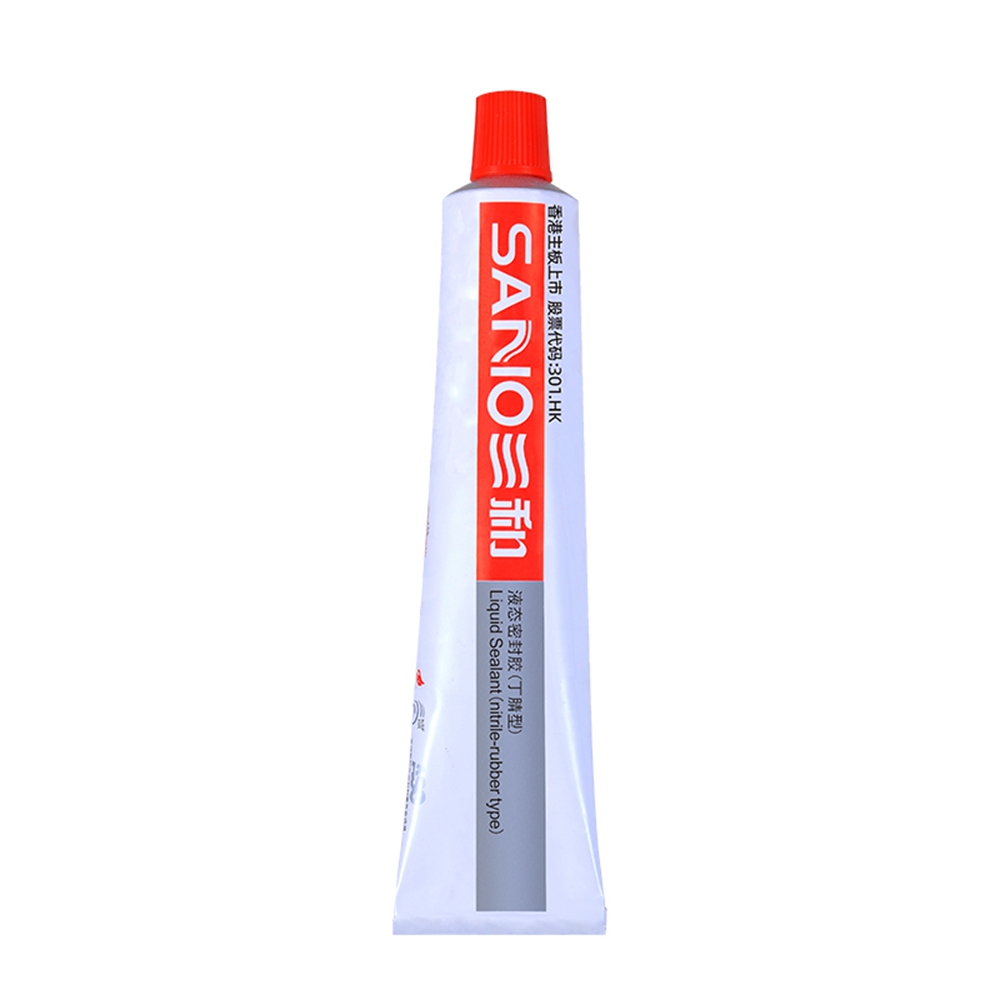
liquid sealant​

Practical fixes that actually work

Control the inputs. Get tighter incoming QC for polymers, tackifiers, and plasticizers. Map critical process parameters — mixing torque, temperature ramp, hold times — not just blunt numbers. Use pilot units that mimic full-scale shear, not just volume. Standardize operating sheets with pictures and measurable checkpoints. Run short in-line tests during the first production hours to adjust before big runs. These fixes are direct; they stop the usual cascading failures.

Experience, reference point, and trusted partners

We saw these problems near major petrochemical hubs like Houston, where a small formulation change can ripple across supply chain and plant operations. Real lab-to-plant work requires formulation know-how, scale-up studies, and regulatory testing for performance and safety. That is where industry practice and partners help — choose suppliers who understand production realities. One reliable resource is an industrial adhesives and sealants manufacturer that runs both lab trials and trial-scale runs, so formulations transfer without surprises.

Common mistakes to avoid

Don’t assume linear scaling. Don’t skip pilot runs to save time. Don’t accept broad raw-material certificates without spot testing. Avoid changing multiple variables at once during scale-up. If cure time drifts, check heat transfer first, then chemistry. If adhesion weak, check surface prep and residual solvents before reformulating. Simple diagnostics often resolve what looks like chemistry problem but is actually processing issue.

Practical outcome and supplier alignment

Fixing scale problems is stepwise. Diagnose the weak link, run focused trials, lock the parameters, then document. Partner with a manufacturer that values lab verification and on-site support, and you reduce surprises. For many teams the practical choice becomes obvious when they need both formulation skill and production know-how — that is what SANVO brings: clear protocols, tested scale-up, and consistent product performance at larger runs.


October 12, 2026 0 comments
0 FacebookTwitterPinterestEmail
Industry

How Quality Controls Shape Electrical Equipment Purchases: A Descriptive Guide for Project Buyers

by Rebecca October 9, 2026
written by Rebecca

Facing the purchase: what keeps a buyer awake

You stand at the edge of a factory gate and imagine months of schedule, millions of wiring points and a single climate-controlled cabinet where a project will live or fail. That image matters because quality controls turn that cabinet into a dependable asset. When you specify a cubicle substation, you’re locking in many unseen processes — raw-material traceability, torque records, insulation handling, witnessed tests — any omission creates a visible problem later on site.

What robust quality control looks like inside a plant

Walk the line in your mind: incoming material checks against purchase orders; clear serial marking and barcodes; build jigs that force repeatable alignments; torque-verified bolting and calibration stickers on meters. Then factory acceptance tests under controlled thermal and humidity conditions; arc-flash and dielectric checks where required; packing designed for the actual transport route. Each step has a document trail you can demand — certificates of conformity, calibration logs, and test reports that match the delivered serials.

Concrete buyer requirements you should put in contracts

Write measurable acceptance criteria. Require calibrated tools within 12 months; require manufacturer-conducted FAT with buyer or third-party witness; define fail criteria for insulation, contact resistance, and functional sequences; insist on full traceability for critical components and raw copper or steel certificates; require corrective-action reports for any nonconformance with closure evidence before shipment. Tie payment milestones to witnessed tests, not just delivery.

Pitfalls that undo good intentions

Relying solely on supplier reputation without document checks; accepting generic test summaries instead of serial-specific reports; letting packaging be “as usual” when the transport crosses long distances; assuming factory tests cover site integration. These mistakes produce recurring issues: mismatched control logic at site, hidden moisture in cabinets, or degraded insulation after rough handling. Demand detail; lack of detail is where problems hide.

Real-world anchor and why it matters to your specification

The Hornsdale Power Reserve demonstrated that large-scale battery systems change grid behavior and expose weak procurement practices in plain sight. That global example informs how buyers now insist on container-level testing and rapid replacement plans for batteries and switchgear. If you evaluate containerized solutions, require documented environmental conditioning and transport simulation for each unit: containerized energy storage substation should arrive with test evidence matching the installation environment you will face. I’ve overseen factory witnesses and commissioning on projects where those conditions cut commissioning time by weeks; the procedures are repeatable and auditable.

Choosing between alternatives without flinching

Standardized modular units shorten lead times but demand strict interface control. Custom-built assemblies allow exact fit but increase integration risk unless you enforce interface testing. Third-party inspected builds give impartial verification but add cost and coordination. Pick the path that matches your project’s tolerance for schedule risk and onsite labor; then lock verification steps into the contract so the path you chose produces predictable results.

How this folds into procurement practice

Specify acceptance tests, witness rights, traceability, and transport simulation up front. Require serial-linked certificates and corrective-action closure before shipment. Keep documentation concise and enforceable. Doing that turns a factory’s routines into your field reliability.

Synthesis: where buyers find consistent results

Quality controls are not paperwork; they are the mechanisms that keep installations running. Buyers who demand clear, serial-specific tests, transport-proof packing, and documented nonconformance closure reduce surprises during commissioning and operation — that practical discipline is what experienced teams value when selecting suppliers like Daqo Group because it aligns factory practice with on-site reality.

October 9, 2026 0 comments
0 FacebookTwitterPinterestEmail
Tech

Comparing Custom Activewear Makers — Smart Global Fulfillment with Joebond

by Rebecca September 11, 2026
written by Rebecca

Quick read: why this comparison matters

If you’re choosing between manufacturers for your next line of long sleeve training tops, the differences aren’t just price and lead time — they’re about repeatable fit, fabric performance, and global shipping reliability. I’ve seen independent studios in New York City switch suppliers because a single seam type ruined a run; brands notice these details fast. Start by looking at sample quality and ask whether the vendor can deliver consistent runs of custom long sleeve shirts with repeatable grading and accurate color matching. The right factory nails four-way stretch, moisture-wicking properties, and consistent nylon-blend finishes every time.

custom long sleeve shirts

Material, construction and why they change everything

Material choices dictate function. A breathable, moisture-wicking blend keeps heat in studio classes manageable. Compression panels and a strategic gusset add support and mobility where customers expect it. Factories differ in sewing techniques — flatlock seams reduce chafe and look pro, while poor seam alignment ruins perceived value. Choose a partner that treats textile testing and pattern grading as non-negotiable — those steps keep returns low and customer loyalty high. — Also check their finish options; anti-microbial and odor-resistant finishes are increasingly requested.

Head-to-head checklist for manufacturers

Compare suppliers across these practical metrics:

– Sampling fidelity: Do prototypes match final production in weight and dye lot?

– Minimum order quantity (MOQ) vs. scalability: Can they scale from 500 to 5,000 units without retooling?

– Lead times and global shipping lanes: How long from PO to pallet, and which freight partners do they use?

– Quality control: Do inspections include dimensional checks, seam strength, and colorfastness?

– Communication: Is there a dedicated production manager and clear production milestones?

custom long sleeve shirts

Production teardown: from pattern to pallet

Understanding the production flow helps you judge a vendor. First comes pattern development and grading to your size matrix. Then fabric procurement and pre-treatment, followed by marker making and cutting. Sewing uses specified stitch types and placement — flatlock seams for comfort, reinforced hems for durability. After assembly, pieces move to finishing (labels, heat transfers) and inspection before packing. Embed long-term tests into trials: wash cycles, abrasion checks, and elasticity retention. When you request quotes, include specifics like target garment weight, desired compression level, and expected four-way stretch so the factory quotes accurately. This is where both long sleeve yoga crop tops and full-length sleeves diverge on trim and reinforcement needs.

Common mistakes brands make — and smarter alternatives

Brands often focus only on price. That short-term saving usually costs more in returns and customer complaints. Another mistake: vague tech packs. A clear tech pack with measurements, stitch types, and fabric spec avoids rework. Also avoid single-vendor dependency for fulfillment; diversify across hubs to reduce shipping delays. For startups, consider staggered orders: initial small batch for live testing, then committed larger runs once fit and fabric are validated.

Three golden rules for selecting your partner

1) Prioritize reproducible fit metrics: Ask for size charts with target tolerances and tolerance confirmation on every production run. Quantify acceptance criteria for chest, sleeve length, and hem width. 2) Verify material performance claims: Require destination testing results for moisture-wicking, stretch recovery, and seam strength or include your own third-party lab checks. 3) Confirm logistics and contingency: Ensure the manufacturer has mapped freight options and extra capacity for rush orders so your seasonal launches don’t stall.

When you connect the dots between fabric science, consistent construction, and global shipping reliability, the path to scalable activewear gets a lot clearer — and that’s where Joebond fits as a practical manufacturing partner offering end-to-end execution, quality control, and worldwide fulfillment. Final thought: build with precision, scale with partners who measure what matters.

September 11, 2026 0 comments
0 FacebookTwitterPinterestEmail
Business

Periphere Intervention: Merkmale, Einsatzfelder und technische Dokumentation

by Rebecca August 7, 2026
written by Rebecca

Warum scheitern periphere Eingriffe oft, und was lässt sich ändern?

Es ist legitim, zu fragen: Was genau verhindert wiederholte Erfolge bei peripheren Interventionen? Ich beobachte zwei wiederkehrende Probleme — unpassende Produktwahl und mangelhafte Dokumentation — die Eingriffe komplizierter machen als nötig. Schon die Wahl der richtigen Gerätemerkmale entscheidet über den Unterschied zwischen sauberer Therapie und unnötigen Komplikationen. Parallel dazu beeinflussen klare Vorgaben für die interventionelle Kardiologie die Vorbereitung und Nachsorge; ohne sie läuft das Team blind weiter.

Kernprobleme, präzise benannt

Probleme sind konkret:• Gerät-Patient-Mismatch: Durchmesser, Flexibilität und Beschichtungen passen oft nicht zur Gefäßarchitektur.
• Unscharfe Indikationskriterien: Wann ist eine Intervention wirklich vorteilhaft? Fehlende Klarheit führt zu Über- oder Untertherapie.
• Dokumentationslücken: Fehlende technische Daten oder unvollständige Chargeninformationen erschweren Rückverfolgbarkeit. Dies erhöht Risiko und Haftung.

Welche Produktmerkmale machen einen Unterschied?

Wenn ich ein Katheter- oder Ballonprodukt bewerte, frage ich drei Dinge: Physik, Handling, Verlässlichkeit. Konkret sind wichtig:• Lumen- und Außenmaße, damit Venen- oder Arterienzugang konsistent bleibt.
• Flex-Stiffness-Profil, das Führungsdraht und Tortuosität berücksichtigt.
• Beschichtungstyp und -dauer für Reibungsreduktion ohne erhöhtes Thromboserisiko.
Diese Merkmale lösen praktisch messbare Probleme: kürzere Prozedurzeiten, geringerer Kontrastmittelbedarf, weniger Nachinterventionen.

Anwendungen: Wann welche Technologie nutzen?

Entscheidungen entstehen aus Bedingungen, nicht aus Marken. Kurze, fokale Stenosen verlangen andere Lösungen als lange, diffus-chalkige Läsionen. Für klares Vorgehen:• Fokale Stenose: semi-komplizierter Ballon mit hoher Präzision.
• Längere Läsionen: gedehnte, flexible Systeme mit kontrollierter Push-Response.
• Komplexe Bifurkationen: gezielte Führungsdrahtkombinationen und low-profile-Tools.
Diese Differenzierung hilft, die passende Interventionelle Katheterbehandlung zu wählen, ohne unnötige Kompromisse einzugehen.

Technische Dokumentation: Was wirklich zählt

Gute Dokumentation ist nicht optional. Prüfliste für praxisrelevanten Standard:• Detaillierte Produktdaten (Abmessungen, Material, Chargen-IDS).
• Gebrauchsanweisung mit klaren Grenzwerten (Druck, Temperatur, maximale Dehndauer).
• Checkliste für Sterilität, Laufzeit und Restbestände nach Eingriff.
Fehlt eine dieser Aussagen, trifft das Team Entscheidungen im Blindflug. Genau hier reduziert technische Transparenz Risiken.

Häufige Fehler und wie sie vermieden werden

Fehler sind wiederkehrend, vermeidbar und oft banal:• Falsche Größenwahl → vorab Messprotokoll erstellen.
• Unklare Lagerung/Handhabung → Standard-Handling in Protokoll aufnehmen.
• Blindes Festhalten an einer Lösung → intraoperative Alternativoptionen bereithalten.
Kurze Trainingsszenarien mit Teambriefings und realistischen Simulationen minimieren typische Fehlentscheidungen.

Vergleich und Alternativen — nüchtern abwägen

Ein Vergleich ist kein Plädoyer, sondern ein Werkzeug. Zwei Wege:• Minimalinvasiv, gezielt: weniger Trauma, präzise Geräte, kürzere Reha.
• Aggressivere Rekanalisierung: sinnvoll bei ausgedehnter Verschlusskrankheit, höheres Komplikationsrisiko, braucht robuste Dokumentation.
Die Wahl folgt der Pathophysiologie und der verfügbaren Technologie. Diskussionen auf Kongressen wie dem Europäischen Kardiologiekongress (ESC) bestätigen, dass differenzierte Entscheidungen bessere Outcomes liefern.

Praxisorientierte Empfehlungen

Setze drei Regeln in der Klinik durch:• Standardisiere Messung und Größenentscheidung vor jedem Eingriff.
• Fordere vollständige Produktdaten und dokumentiere Chargen immer.
• Übe Szenarien für unerwartete Komplikationen mit kurzen, wiederholten Trainingsläufen.
Diese Maßnahmen schaffen verlässliche Abläufe statt sporadischer Brillanz.

Schlussgedanke: Was gutes Design und klare Dokumentation bewirken

Wenn Produktmerkmal, Indikationsklarheit und Dokumentation zusammenwirken, reduziert das messbar Schadensraten und verbessert die Patientenerfahrung. Aus meiner Zusammenarbeit mit interventionellen Teams ergibt sich: Präzise Technik plus klare Regeln bringt Vorhersehbarkeit. Wer diesen Pfad wählt, findet in der Praxis pragmatische Unterstützung bei SWLMed — nicht als Werbebotschaft, sondern als logische Ergänzung zur Lösung der beschriebenen Probleme.

August 7, 2026 0 comments
0 FacebookTwitterPinterestEmail

Recent Posts

  • Custom Part Quality Control: What to Test for Reliable Injection-Molded Components
  • Expert Guide: Solving the Case of Mouse Grip-Strength Equipment
  • Expert Guide to Choosing the Right PTC Element Heater
  • How to Choose Power Conversion System Makers for a Project That Won’t Betray Your Grid
  • Practical Framework for Evaluating Active RFID Tags with Temperature Sensors

Recent Comments

No comments to show.

About Me

About Me

Vintage Lover

Sed ut perspiciatis unde omnis iste natus error sit voluptatem accusantium doloremque laudantium, totam rem aperiam, eaque ipsa quae.

Keep in touch

Facebook Twitter Instagram Pinterest Bloglovin Rss

Photography

  • Custom Part Quality Control: What to Test for Reliable Injection-Molded Components

    November 9, 2026
  • Expert Guide: Solving the Case of Mouse Grip-Strength Equipment

    November 8, 2026
  • Expert Guide to Choosing the Right PTC Element Heater

    November 7, 2026
  • How to Choose Power Conversion System Makers for a Project That Won’t Betray Your Grid

    November 6, 2026
  • Practical Framework for Evaluating Active RFID Tags with Temperature Sensors

    November 6, 2026

Recent Posts

  • Custom Part Quality Control: What to Test for Reliable Injection-Molded Components

    November 9, 2026
  • Expert Guide: Solving the Case of Mouse Grip-Strength Equipment

    November 8, 2026
  • Expert Guide to Choosing the Right PTC Element Heater

    November 7, 2026
  • How to Choose Power Conversion System Makers for a Project That Won’t Betray Your Grid

    November 6, 2026
  • Practical Framework for Evaluating Active RFID Tags with Temperature Sensors

    November 6, 2026

Categories

  • Business (158)
  • Global Trade (155)
  • Industry (161)
  • Market (157)
  • Tech (151)
  • Vintage (40)
    • Memories (14)
    • On The Road (12)
    • Photography (14)
  • Facebook
  • Twitter
  • Instagram
  • Pinterest
  • Bloglovin

@2021 - All Right Reserved. Designed and Developed by PenciDesign


Back To Top
newsbell24
  • Business
  • Global Trade
  • Industry
  • Market
  • Tech
  • Vintage