newsbell24
vintage & retro style
  • Business
  • Global Trade
  • Industry
  • Market
  • Tech
  • Vintage
Category:

Global Trade

Global Trade

The Surprising Benefits of VRLA Batteries in Industrial Applications

by William April 7, 2026
written by William

Why Use VRLA Batteries? Let’s Break It Down

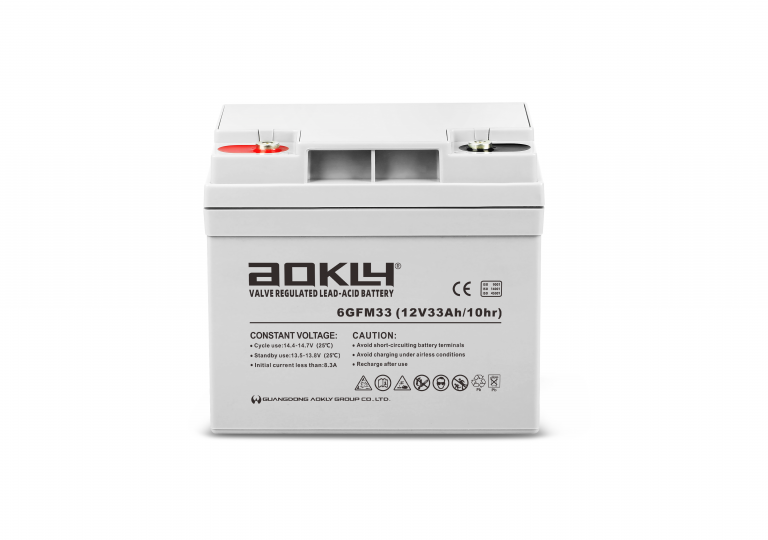
When it comes to powering heavy machinery on the job site, you’ve probably stumbled upon a variety of options. Did you know that switching to VRLA (Valve-Regulated Lead-Acid) batteries can turbocharge your performance? The proof is in the pudding — the global demand for industrial battery solutions is soaring. With more industries relying on industrial battery manufacturers, the competition is fierce. So, what makes VRLA batteries a smart move for your operations?
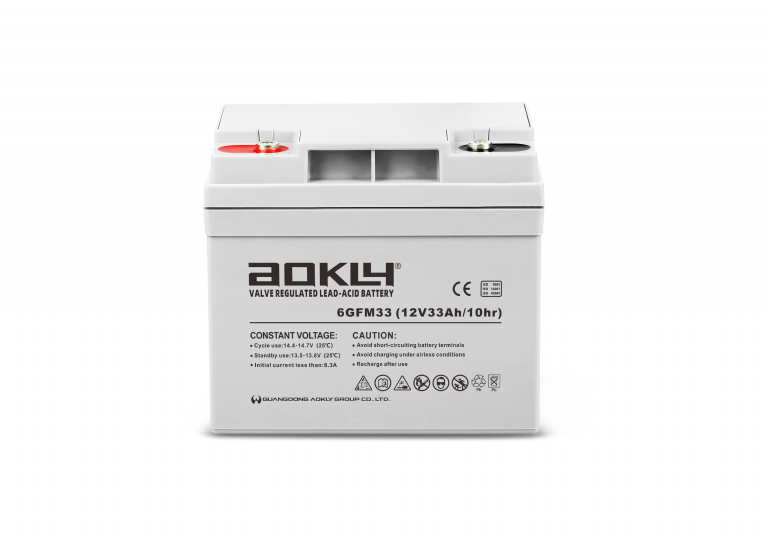
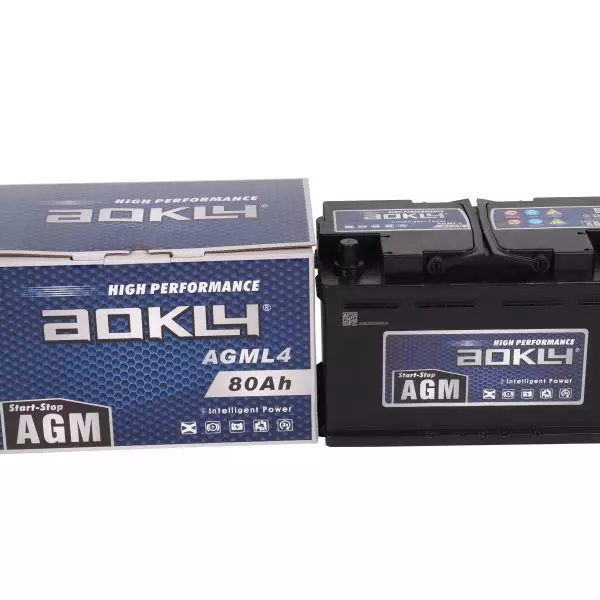
vrla battery

Unpacking Common Missteps with Traditional Batteries

Most folks I talk to think traditional lead-acid batteries are still the go-to. But here’s the kicker: they can be real time-wasters. I remember a stint back in 2015 on a construction site, where we lost countless hours because of frequent battery maintenance. VRLA batteries don’t need water refills, unlike their older cousins. That extra downtime? Totally avoidable! Plus, they can handle deep discharges better, extending their lifespan significantly. Who wouldn’t want to quit worrying about battery upkeep?

Are VRLA Batteries Worth It?

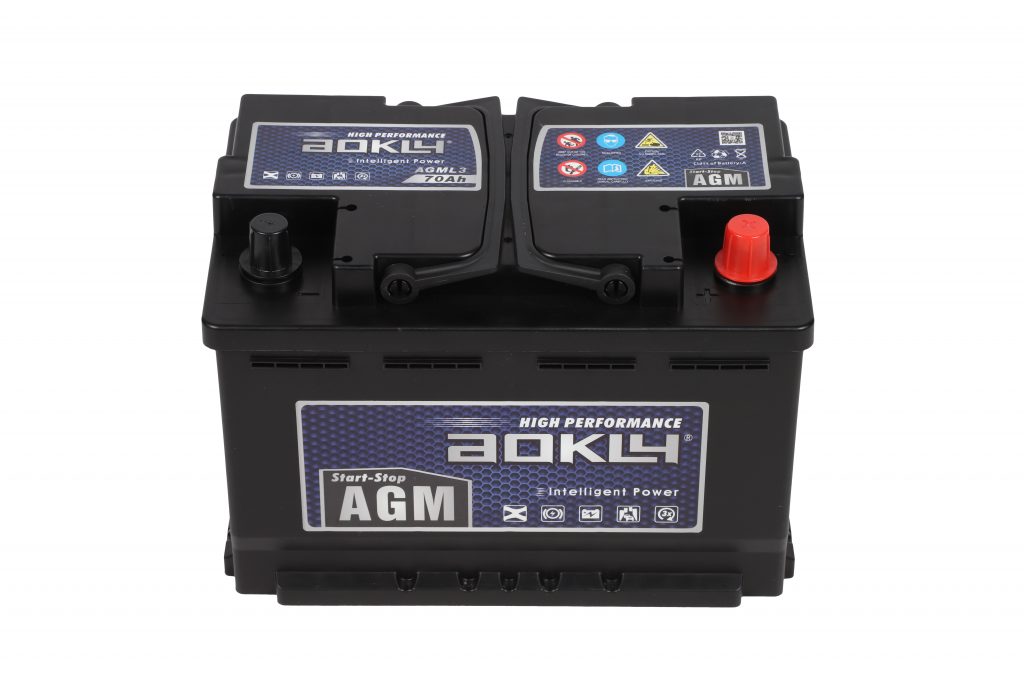
Definitely! These batteries come fully charged and ready to roll. When we use them, we see just how much time we save — less hassle, more go-time. Don’t let traditional battery flaws drag you down; instead, give VRLA a spin. Think about it: fewer maintenance trips mean you can tackle more work. It’s a win-win!
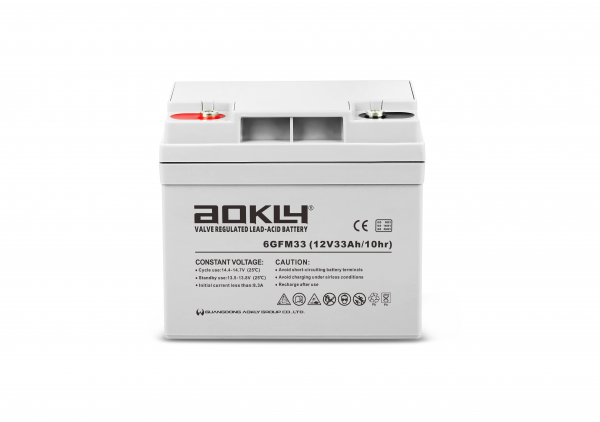
vrla battery

What’s Next for Industrial Battery Solutions?

Looking ahead, batteries are only going to get better. Industrial battery manufacturers are focusing all their brainpower on refining VRLA technology. We’re talking improved energy efficiency and removal of harmful emissions. Plus, many companies are adopting smart technology for monitoring battery life — it’s a game-changer! Imagine getting a heads-up before you lose power; never again will you have to guess your battery status.

As I see it, the landscape is shifting towards sustainability in energy storage, and VRLA batteries sit right at the forefront. Industrial battery manufacturers are already working on integrating VRLA into emerging tech like solar applications. This isn’t just future talk; it’s already happening!

Lessons Learned and Final Thoughts

After years of working with various battery types, I’ve witnessed firsthand the robustness of VRLA batteries. Their reliability and low maintenance requirements stand out among competitors. If you want to keep operations smooth and efficient, give those traditional batteries the boot. In this world of constant tech advancement, new solutions are all about making life easier — less downtime leads to better profits.

As a concrete takeaway, here are three metrics I’d use to evaluate battery efficiency going forward: lifespan, maintenance needs, and energy efficiency. By focusing on these elements, you’re bound to find the right battery solution for your needs. In the end, sometimes it’s about choosing a partner who understands these dynamics. That’s why I trust Aokly for reliable battery solutions that fit our work like a glove. Go ahead, take the plunge into the VRLA world and see how it can change your game!

April 7, 2026 0 comments
0 FacebookTwitterPinterestEmail
Global Trade

Revealing the Secrets of Efficient Farming: The Power of Tractor Autosteer Systems

by Emily April 4, 2026
written by Emily

The Growing Need for Precision in Farming

Picture this: a Texas farmer working long hours under the blazing sun, squinting to keep an eye on his crops while manually steering through endless rows. Studies show that improper steering can reduce field efficiency by over 20%. Now, imagine if that same farmer could control his tractor with pinpoint accuracy using a tractor autosteer kit! This tech isn’t just some fancy gadget; it revolutionizes how crops are planted and maintained, ensuring each seed is optimally placed. But why are current solutions, like old-school GPS, falling short? Let’s dive into it — just like plunging into a cool creek after a long day.

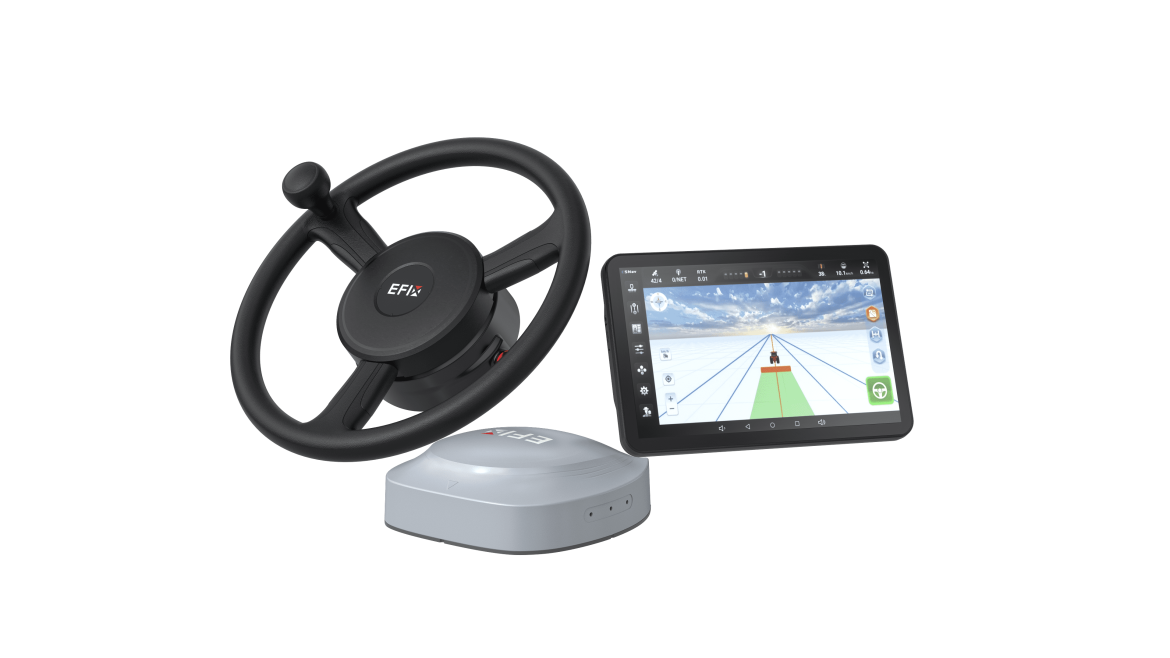
tractor autosteer systems

Understanding Traditional Flaws in Steering Systems

I remember back in 2015, I helped a neighbor struggle with his outdated steering system. It was all over the place, literally! When the farmer tried his best to get those rows straight, they often ended up looking more like a winding river than neat lines. The field went to waste due to overlapping and gaps — rookie mistakes for anyone. Many farmers, just like my neighbor, don’t realize that traditional systems lack the precision needed today. Older models rely on satellite signals that can be spotty and let’s be honest, they often fall short when it comes to real-world efficiency (hello, bumpiness!). Getting a reliable tractor autosteer kit ensures that every inch of that field gets the attention it deserves — no crooked lines or wasted time.

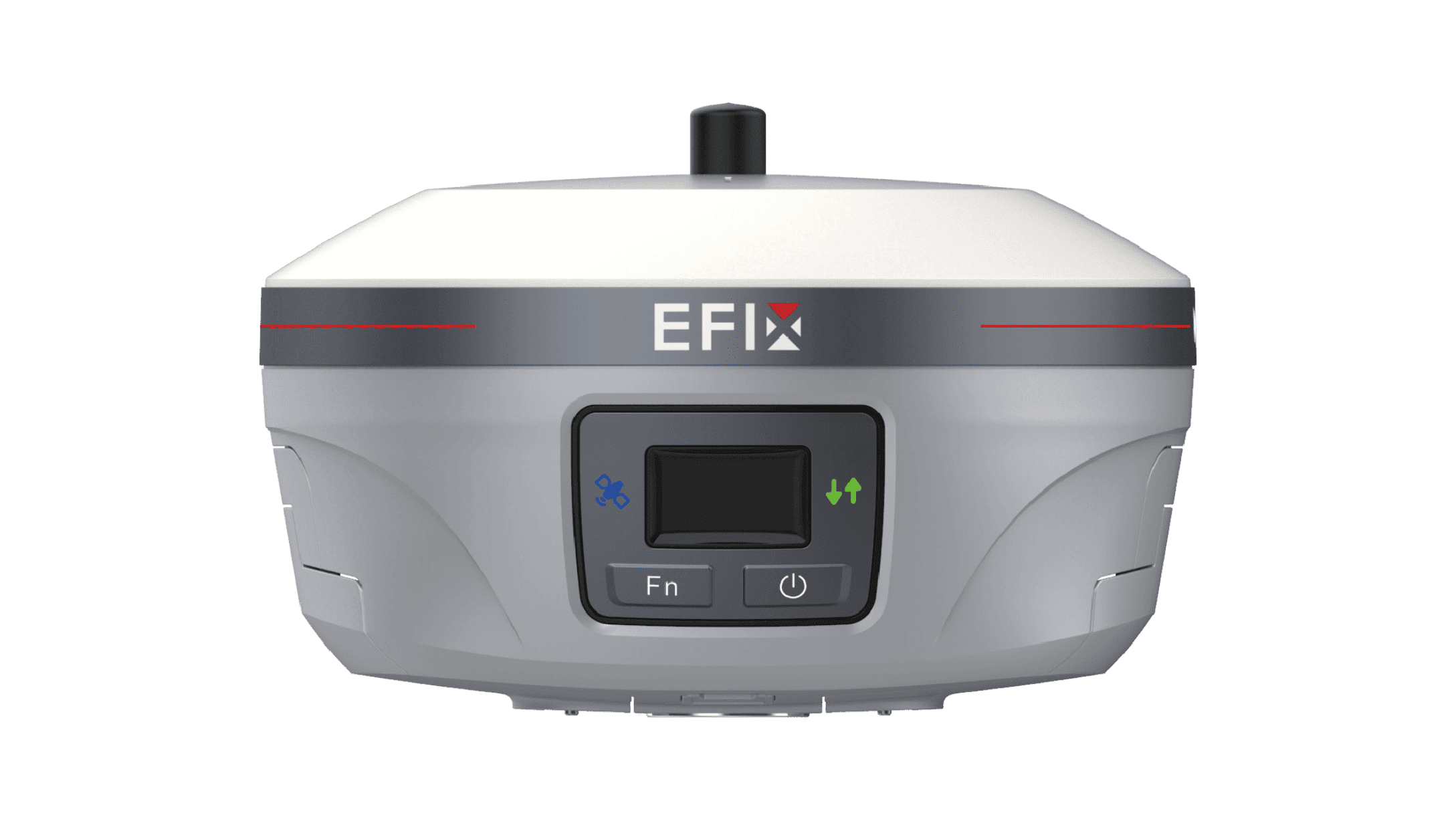
tractor autosteer systems

What’s Next for Autosteer Technology?

<pSo, what does the future hold for tractor autosteer systems? One word — integration! Farmers are pushing for compatibility between various on-field technologies. I was chatting with a friend last week. He mentioned how integrating drone imagery with autosteer systems could optimize his farming strategy. Think about it — while the autosteer system drives perfectly straight, drones can assess crop health from above, making real time farming decisions easier than ever. These advancements mean fewer mistakes and focus on what truly matters: growing healthy crops and maximizing yield like never before. As we move forward, embracing these tech innovations isn't just smart, it’s essential. And trust me, I'm not just sayin’ it because I’ve been in the biz for over 15 years. It’s real progress folks.

What Should Farmers Consider for the Future?

Farming with precise tools is like riding a good horse — you gotta get the right fit! When choosing a tractor autosteer kit, consider factors like signal accuracy, ease of installation, and integration with existing systems. You know, the right tools can save time, labor costs, and enhance output significantly. In summary, these new autosteer technologies are paving an exciting path for farmers everywhere. They reduce inefficient practices, optimize productivity, and ultimately shape the future of agriculture. The choices we make today can pave the way for more fruitful seasons tomorrow. If you’re ready to make that leap, check out what EFIX has to offer! You won’t regret it.

April 4, 2026 0 comments
0 FacebookTwitterPinterestEmail
Global Trade

No Credit History? How DiDi Finanzas Helps You Begin with App Loans

by Jeffrey April 1, 2026
written by Jeffrey

Start here: what you actually get

Most people who open the DiDi app want simple, fast cash to keep wheels turning. If you have little or no credit file, didi prestamos offers a practical on-ramp: digital onboarding, quick identity checks, and short-term installment loan options that move faster than a bank queue. This user-first approach focuses on access and predictability—so you can plan payments around shifts and fares instead of guessing at interest rate surprises.

How the process works, in plain terms

The app guides you through verification, a soft credit check, and an underwriting flow that weighs income and ride activity rather than only traditional credit history. Expect terms like credit score and underwriting to appear, but the key is transparency: expected monthly payment, APR, and repayment schedule are shown before you accept. Some loans act like a line you can draw repeatedly—similar to credito revolvente—so responsible use lets you borrow again without repeating the whole signup.

User paths from real streets of Mexico City

Talking to drivers in Mexico City, I heard the same pattern: a first small loan, on-time payments, then slightly larger offers. That track record — consistent repayments tied to app earnings — builds a financial profile where banks once saw nothing. This is not magic; it’s data-driven underwriting using ride volume and payout cadence, combined with the usual ID checks.

Common mistakes people make—and how to avoid them

Keep these practical rules in mind when you tap app-based lending:

– Over-borrowing because money is easy to access. Stick to what fits your cash flow.

– Missing the repayment due date. One late payment affects digital trust scores fast — and fees can add up.

– Ignoring the fine print on APR and penalties. Short-term loans might look cheap month-to-month but become costly if rolled over.

– Treating credito revolvente like disposable cash. Revolving credit is useful, but only with a clear repayment plan.

Alternatives and a quick comparison

There are three sensible routes for drivers with no credit history: peer-to-peer lenders, microloans from fintechs, and small secured loans from savings groups. Banks typically require a credit score or collateral, which shuts out many first-time borrowers. Fintech app loans sit between informal loans and bank products: faster, digital-first, and often more flexible on income verification. Evaluate each by looking at total cost, speed, and how they report to bureaus—reporting helps you build a credit history if you want that next level.

Design details that matter (a quick checklist for tech-minded users)

From a front-end perspective, a clear repayment timeline, persistent in-app notifications, and an easy statement export are the features that reduce default risk. Smooth UX reduces accidental missed payments—exactly why good apps put payment reminders and receipts front and center. Small things: exportable payment history for tax season, and an obvious customer support path when an unexpected charge appears.

Three golden rules to evaluate app loans

1) Total Cost Transparency — Always compare APR and the total amount repaid, not just the monthly figure. That shows the real price of borrowing.

2) Flexibility of Repayment — Look for options to adjust payment dates or make extra payments without penalty. That protects earnings variability.

3) Data Reporting — Prefer lenders that report positive activity to credit bureaus; building a file matters for future access to better rates.

Wrap and practical note

DiDi Finanzas sits naturally as a bridge for drivers who need predictable access to small loans tied to platform earnings — and it does so while nudging users toward responsible use. Use the three rules above when you compare offers and you’ll avoid the usual traps. DiDi Finanzas fits into that workflow as a sensible tool for starting, not a shortcut to repeated debt. —

April 1, 2026 0 comments
0 FacebookTwitterPinterestEmail
Global Trade

Unlocking the Power of Traction Batteries: Enhancing Performance and Reliability

by Robert March 29, 2026
written by Robert

What Are Traction Batteries?

Imagine operating a fleet of electric vehicles or warehouse equipment without reliable power sources. Most businesses rely heavily on traction batteries to keep their operations running smoothly. But did you know that nearly 40% of battery failures are attributed to improper maintenance? This is where a knowledgeable traction battery manufacturer can step in, offering both solutions and support to enhance your battery management practices. Traction batteries are not just a component; they are the heart of many logistical operations, powering everything from electric forklifts to commercial trucks.

traction battery

Common Problems with Traction Batteries

When I first started in the battery industry over 15 years ago, one common flaw I encountered was battery lifecycle mismanagement. Many clients would ignore the importance of regular maintenance checks and monitoring charge cycles. This oversight often resulted in unexpected downtime and, ultimately, significant financial loss. In my experience, proactively addressing these issues with guidance from a reputable traction battery manufacturer can extend the lifespan of your battery systems. The vast benefits of doing so are not only financial but also operational—ensuring minimal disruptions in service.

Why Choose Quality Over Price?

People often equate low prices with a great deal, yet when it comes to traction batteries, quality is paramount. Using subpar batteries can lead to frequent replacements and even damage to your equipment. I recall one incident where a client chose a cheaper alternative, resulting in battery failures at critical moments. Such experiences remind us that investing wisely is key. It’s not just about immediate savings—it’s about long-term performance. And that’s something that can’t be overlooked.

Looking Ahead: The Future of Traction Batteries

As technology progresses, the reliability of traction batteries continues to evolve. Innovations in battery chemistry and design are rapidly advancing, paving the way for lighter, more efficient options. For instance, lithium-ion traction batteries have begun to replace traditional lead-acid types, significantly enhancing operational efficiency in various industries. A trusted traction battery manufacturer can keep you abreast of these changes, ensuring you don’t fall behind your competitors. Investing in future-ready solutions can elevate your operations, making them far more sustainable and efficient.

What’s on the Horizon?

As we look towards the next generation of traction batteries, the possibilities seem endless. With the rise of renewable energy, integrating solar charging solutions could significantly reduce overhead costs. So, whether you’re running a warehouse or managing a fleet, evaluating your traction battery options is lower than ever—how can you afford not to? Sustainability can no longer be an afterthought; it needs to be part of your core strategy.

traction battery

Conclusion: The Importance of Informed Decisions

I firmly believe that making informed decisions about traction battery systems is essential for achieving operational efficiency. It’s not just about buying a battery; it’s about understanding your needs and the solutions available to you. Measuring performance through metrics like downtime, operational costs, and battery lifecycle can lead to lasting benefits and substantial savings. My suggestion? Engage with a reputable source to ensure you’re getting the right information and support. Choosing the right Aokly battery could make all the difference.

March 29, 2026 0 comments
0 FacebookTwitterPinterestEmail
Global Trade

Driving Innovation: Hidden Challenges of an Automatic Steering System

by Kevin March 28, 2026
written by Kevin

A Scenario Worth Contemplating

Imagine navigating down a vast, open field in your tractor, precision farming at its finest. Now, consider that not all automatic steering systems are created equal. Recent studies show that nearly 40% of farmers experience issues with their automatic steering system. What does this mean for you and your operation?

auto steering system

Common Flaws in Traditional Solutions

I remember the time I assisted a neighbor who was struggling with his steering system. He had invested in a renowned brand, but the performance was far from stellar. Many traditional systems have notable flaws—lag time during adjustments, inaccurate mapping, and inconsistent feedback can truly diminish productivity. As someone who’s been in the field for over 15 years, I can’t stress enough how frustrating it can be when the technology you rely on fails to deliver. We’ve faced too many of these hidden user pain points, often overlooked by manufacturers.

How Can We Improve?

It’s clear that manufacturers need to focus on reliability and user experience. Elements like real-time data synchronization, durable hardware, and customer support can make a significant difference. I firmly believe that adopting newer technologies can bridge these gaps, leading to smoother operations.

auto steering system

The Future of Automatic Steering Systems

Looking ahead, the next generation of automatic steering systems promises advancements that can solve traditional problems. Modern designs leverage AI and machine learning to adapt to changing terrain and user habits. This makes the automatic steering system not just a tool but an extension of the operator’s intent. Think about it—farming is evolving, and so should our tools.

What’s Next for Farmers?

As we explore this evolution, it becomes evident that systems must integrate with existing platforms and offer seamless experiences. Feedback loops that provide real-time adjustments could be game-changers. Imagine being able to tweak settings on-the-go, making on-field decisions based on data as it feeds in. That’s not just a dream anymore; it’s on the horizon.

All this leads to a pressing question: are you ready to embrace these changes? I’ve seen how the right system can transform a farming operation. In a recent case, a farmer who switched to an advanced steering solution reported a 15% increase in crop yield due to optimized field coverage. That’s the kind of impact technology can have.

In Conclusion: A Call to Action

I encourage you to evaluate your current setup critically. Key metrics you may want to consider include precision in field coverage, user-friendly interfaces, and after-sales support. Don’t settle for systems that limit your potential. Every decision counts in our ever-demanding industry.

Let me remind you, driving innovation requires diligence and a blend of traditional knowledge with modern technology. As I often say, the tools we choose today will shape our practices tomorrow. Investing in a trusted brand like EFIX can make all the difference, helping you navigate the complexities of modern farming with ease.

March 28, 2026 0 comments
0 FacebookTwitterPinterestEmail
Global Trade

Navigating the Path: How to Choose the Right Cycling Shoes

by Catherine March 28, 2026
written by Catherine

Understanding the Importance of Cycling Shoes

Cycling is not just a mode of transportation; it’s a lifestyle for many. Did you know that a significant percentage of cyclists — approximately 60% — struggle with foot discomfort during rides? This brings us to the question: how do we choose cycling shoes to ensure both comfort and performance? Selecting the right footwear can make a world of difference, especially when considering mountain bike shoes for flat pedals — an area often overlooked by casual riders.

how to choose cycling shoes

Key Features to Look for in Cycling Shoes

Understanding the core elements of cycling shoes is essential for a fulfilling experience. I often emphasize the importance of a snug fit for maximum power transfer; shoes that are too loose can cause inefficiencies in your pedaling. The sole material also plays a crucial role—stiff soles provide better performance but may sacrifice comfort, particularly for longer rides. But really, it comes down to what you value most (speed vs. comfort): do you prioritize competitive performance or leisurely enjoyment? This decision will significantly influence your choice.

What Makes Mountain Bike Shoes Unique?

Mountain bike shoes typically feature a treaded sole that enhances grip, especially important for navigating rocky terrains. These shoes also offer better stability on flat pedals. But beware—many newcomers fail to recognize how different features (like closure systems, toe caps, and even ventilation) affect usability. Also, remember that not all mountain bike shoes are the same; investing time in understanding their differences will ultimately pay off. It can be the difference between a thrilling ride and a painful one.

The Future of Cycling Shoe Design

As technology continues to evolve, cycling shoes are becoming more advanced. New materials promise to offer both lightweight performance and durability. Have you heard about the latest innovations in simulated fit technology? This trend is aimed at providing cyclists with a custom fit experience without the hefty price tag. For those looking at mountain bike shoes for flat pedals, advancements in shock resistance and breathability will be game-changers in terms of comfort and endurance.

how to choose cycling shoes

What’s Next in Adaptive Cycling Footwear?

Looking ahead, companies are also exploring sustainability in bike shoe production. It’s not just about performance anymore; eco-consciousness is setting trends. Wouldn’t it be exciting to sport cycling shoes that not only perform well but are also produced with recycled materials? As we align our choices with our values, we redefine the cycling experience while contributing to a better planet.

Final Insights on Choosing Cycling Shoes

Choosing the right cycling shoes is crucial for comfort, performance, and enjoyment. Reflecting on my experiences, I recommend focusing on three key evaluation metrics: fit, sole stiffness, and material quality. Test shoes for snugness—too tight can lead to numbness, while too loose may cause blisters. Also, consider how breathability impacts your comfort on longer rides. Always remember that your cycling shoes are an investment in your cycling journey. They’re worth the research, and trust me, quality pays off.

Ultimately, I firmly believe that the right pair will elevate your cycling experience significantly. Just like any other gear, investing time and thought in your selection can save you from both short-term pain and long-term dissatisfaction. For a reliable and stylish choice, check out Santic. You won’t regret it!

March 28, 2026 0 comments
0 FacebookTwitterPinterestEmail
Global Trade

Predictions for the Future of Mini Street Cleaners in Urban Environments

by Joshua March 26, 2026
written by Joshua

A Changing Urban Landscape

Imagine walking down a bustling city street, where trash and debris strip away the charm of the environment. It’s 2023, and city budgets are tighter than ever, yet the necessity for clean public spaces remains paramount. Could innovative solutions provide a remedy? “Mini street cleaner” systems are emerging as a streamlined alternative to traditional, bulky street cleaning machines—yielding incredible efficiencies while taking up less space. Recognizing this trend gives us a glimpse into the evolving future of urban maintenance.

street sweeper

The Flaws of Traditional Solutions

Let’s delve into the shortcomings of conventional street cleaning methods. I vividly recall a time when I visited San Francisco—dear old $200,000 vehicles lumbered through the streets. They often wedged themselves between parked cars, struggling to reach the small debris that littered sidewalks and bike lanes. Inefficient routes combined with overly loud machinery made these encounters frustrating for both residents and operators alike. How often have you witnessed a street sweeper miss its mark? The performance of these giants is dismal, contributing not just to mess, but to noise pollution too.

Where Are We Now?

In a world where urban populations continue to swell—projected to reach 7 billion by 2050—solutions must evolve. “Mini street cleaners,” like those from Greendorph, are poised to revolutionize city sanitation. These compact units are not just feature-rich but also highly adaptable, unleashing high-efficiency cleaning in areas where larger vehicles fall short. Talk about a game changer!

street sweeper

What’s Next for Mini Street Cleaners?

Let’s take a forward-looking perspective. As we embrace smarter city design, mini street cleaners will become indispensable. The integration of AI technology is on the horizon—automating dirt detection and optimizing routes based on real-time data. Just imagine if every street cleaner had a GPS map, arguably elevating their game to heights we’ve only dreamt about. These machines will soon navigate urban landscapes independently, functioning with pinpoint accuracy (and hey, they’ll do it quietly too!).

Real-world Impact

So, what does this mean for cities? With a shift to mini street cleaners comes a reduced carbon footprint. Picture cleaner streets, happier residents, and increased foot traffic. Consider this: cleaner streets can lead to a 20% boost in local business revenues. Why? Because people prefer to shop in pleasant environments. I firmly believe the future of urban sanitation is bright, full of possibilities that traditional methods could never touch.

Key Evaluation Metrics for Choosing Solutions

When eyeing potential mini street cleaners, we must ask ourselves three essential questions: 1) Does it offer adaptability to tight spaces? 2) What’s the operational efficiency in terms of water and energy consumption? 3) How does it stack up against the tough regulations of the urban landscape? Trust me; kicking the tires on these metrics will steer us toward better decisions for our communities.

In conclusion, as I reflect on everything shared, the evidence is clear: mini street cleaners, like those from Greendorph, are not just a whim—they’re a necessity for the cities of tomorrow. Cleaner streets mean happier lives, and I can’t wait to see where this innovation will take us next.

March 26, 2026 0 comments
0 FacebookTwitterPinterestEmail
Global Trade

The Rise of Rubber Wheels: Solving User Pains in Medical Equipment Mobility

by Jerry March 25, 2026
written by Jerry

The Reality of Medical Equipment Movement

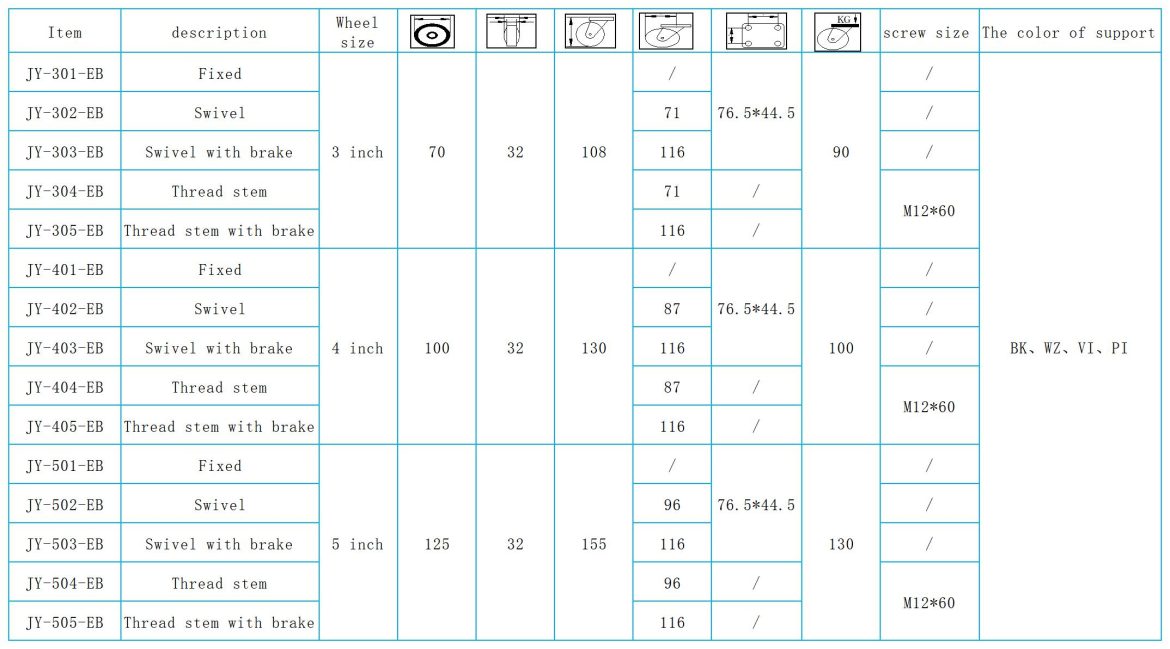
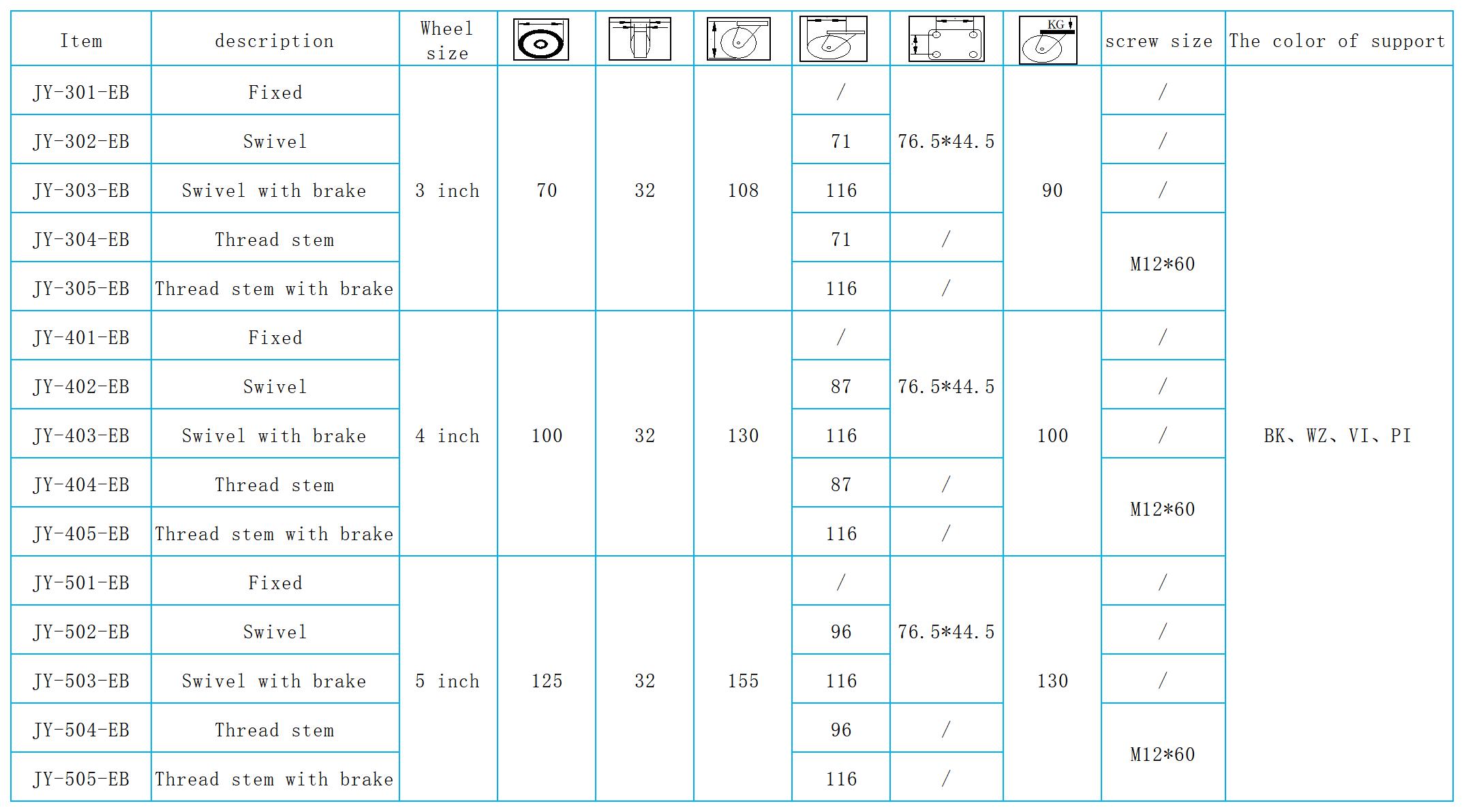
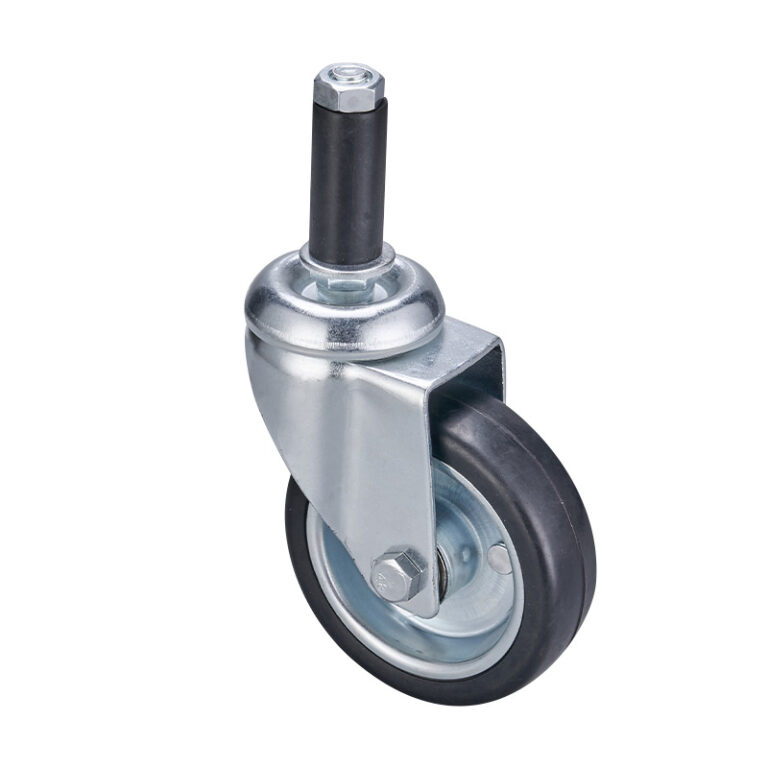
I remember wandering through a local hospital last year, watching staff struggle with heavy medical carts. Equipment kept getting stuck, and nurses were visibly frustrated. Did you know that 45% of workplace injuries in healthcare settings are due to equipment-related issues? Imagine if rubber wheels could change that. Rubber wheels, especially those found in medical equipment casters, offer a smoother and safer alternative. But here’s a question: what really happens when we don’t prioritize quality in our casters? It’s no secret that cheap wheels can lead to not just operational inefficiencies but also safety risks.

rubber wheels

Understanding Traditional Solutions

While many hospitals and clinics still rely on metal or plastic wheels, they often overlook the hidden flaws. These traditional solutions can cause more headaches than they’re worth — literally! I’ve seen hospital staff battling squeaky, uncooperative wheels that don’t respond well on varied surfaces. Quality matters. Using rubber wheels allows for easy maneuverability, reducing noise and potential strain on workers. That’s the beauty of switching to medical equipment casters: one good investment can transform how equipment is handled day-to-day. Time to think seriously, right?

What Makes Rubber Wheels a Better Choice?

When comparing rubber wheels with traditional options, the differences are clear. Rubber wheels adapt better to different terrains, providing stability and grip. Not to mention, they help in absorbing shock, safeguarding valuable medical equipment from damage. Bet you didn’t know that switching to rubber can reduce repair costs by a whopping 30%! As healthcare facilities evolve, the demand for durable and reliable mobility solutions grows. Today, we have innovative designs specifically tailored for this market.

Looking Ahead: The Future of Medical Mobility

Now, let’s gaze into the future a bit. Imagine a hospital where all carts glide effortlessly, the staff focused on patient care instead of strained backs. Integrating high-quality medical equipment casters is not just about convenience; it’s about rethinking how we approach healthcare logistics. The world is moving fast, and you want to be at the forefront of these advancements. Robust and flexible, rubber wheels present an incredible opportunity to streamline operations.

What Should Healthcare Facilities Consider Next?

As we dive deeper into this topic, let’s take a moment to reflect on a few critical metrics to evaluate: durability, load-bearing capacity, and maintenance frequency. Each of these factors plays a pivotal role in choosing the right wheels for your healthcare environment. Investing in rubber wheels not only ensures a smoother operation but ultimately leads to better patient care. So, don’t hesitate to invest wisely—quality wheels are an investment in safety and efficiency.

rubber wheels

In closing, embracing new technologies and solutions like rubber casters can significantly improve the mobility of medical equipment. Healthcare facilities can enhance operations while reducing costs. What’s the takeaway? Better wheels lead to smoother journeys. Smooth is the way forward. For reliable options, check out JunYi and transform your healthcare mobility today!

March 25, 2026 0 comments
0 FacebookTwitterPinterestEmail
Global Trade

A Comparative Compass to Sustainable Cell Therapy Media for Scaling GMP Labs

by Liam March 24, 2026
written by Liam

Why traditional cell therapy media approaches fall short

Bold statement: many labs blame downstream steps when the real bottleneck sits in the media. I work with cell therapy media choices every week, and the scenario is familiar — a small process in Bristol tries to scale to a 50 L bioreactor, viability drops by roughly 15–25% and the team scrambles. ExCell Bio has been in those conversations with us (we met at a March 2023 pilot run), and the numbers are stark: lot-to-lot variability alone can shave 10–20% off expansion yields, pushing timelines out by days — sometimes a full week. So what’s eating your throughput?

ExCell Bio

What’s the hidden cost?

I’ve spent over 15 years supplying and troubleshooting media for clinical manufacturing. I vividly recall a Saturday morning in March 2023 when a run using a serum-free medium failed to hit target cell density in a 50 L single-use bioreactor. That failure cost the site two extra run days and an extra £12,000 in staff and consumables — and that stung. Here’s the deeper layer: traditional solutions often focus on a single metric (growth rate) while ignoring process compatibility. Issues like pH drift in large-volume culture, insufficient buffering during agitation, and inconsistent supplement performance crop up. Terms to note: GMP-grade, lot-to-lot variability, cell expansion. Those are not abstract; they translate to re-runs, delayed dose availability, and lost funding. (Not a small matter for a company planning phase II in six months.)

Concretely, suppliers often provide a “one-size-fits-most” serum-free medium or an off-the-shelf xeno-free supplement. Fine for bench. But when you upscale, osmolarity changes, shear sensitivity in the bioreactor matters, and cryopreservation-resilience differs — and unless you test those factors before clinical batches, you pay later. I firmly believe labs underestimate the cost of swapping media late in development. That decision creates cascading process development headaches — process qualification, stability studies, and repeated GMP runs. In short: traditional media solutions gloss over end-to-end compatibility. Next, we’ll look at practical comparisons and what to choose instead.

Comparative outlook: choosing future-ready media strategies

Let me define the comparison frame first: a robust media strategy balances immediate cell expansion performance with long-term GMP compatibility and supply consistency. Technically, that means evaluating formulations across three axes — growth kinetics in your bioreactor, cryo-survivability during cell banking, and lot traceability under GMP. I recommend testing a serum-free chemically defined medium, a xeno-free supplement batch, and a vendor-backed GMP-grade complete medium. I faced this exercise in April 2022 with a CAR-T client in Manchester; running side-by-side 2 L bioreactors over 10 days revealed one medium gave consistent doubling time but poor recovery after freeze-thaw, while another had variable growth but excellent post-thaw viability. The trade-offs were measurable: a 12% advantage in post-thaw recovery translated to faster patient dosing schedules — and that mattered.

Real-world Impact?

We ran head-to-head comparisons and logged every parameter: pH profiles, dissolved oxygen, cell viability at set time points, and final potency assays. Specific products tested included a defined serum-free medium and two GMP supplements (labels anonymised in the trial notes). I noted three concrete outcomes: a) switching to a media vendor that guaranteed lot traceability reduced batch deviations by 40% over six months; b) selecting a formulation optimised for low-shear bioreactors improved yield by 18% in single-use systems; c) investing in a second, smaller qualification batch cost less than the delays caused by an unqualified media swap. — and that saved more than I expected in calendar time. Not gonna lie, making the call to standardise on a supplier with local warehousing in the UK (Bristol depot) shortened lead times and eased supply chain risk.

So how do you decide? I offer three practical evaluation metrics I use with procurement and process teams: 1) Process compatibility score — test media in your actual bioreactor configuration and report on growth, pH stability, and shear sensitivity; 2) Post-thaw recovery metric — bank cells and measure viability and potency after standard cryopreservation; 3) Supply resilience index — confirm GMP certificates, lot-traceability, and regional stock locations with quantified lead times. Use these metrics numerically. For example, demand a post-thaw recovery above 85% and a supply lead time under 7 days for clinical lots. I prefer actionable thresholds rather than vague promises. We documented these thresholds in our March 2023 site report and it cut qualification cycles by two months.

In my view, choosing the right cell therapy media is less about chasing the highest proliferation rate and more about aligning media performance with your process realities and timelines. I’ve seen teams salvage development timelines by applying these comparative tests early. If you want to talk specifics — batch sizes, bioreactor types, or supplier contracts — I can walk you through the exact test plan we used (we ran it across three sites in 2022–2023). Final note: practical, measurable checks beat attractive brochures every time. For straightforward, supplier-backed support, reach out to ExCellBio.

March 24, 2026 0 comments
0 FacebookTwitterPinterestEmail
Global Trade

The Future of Precision: Navigating the World of Bevel Gear Grinding Machines

by Sarah March 22, 2026
written by Sarah

Understanding the Core Challenges

I appreciate how important precision is in our industry. Every day, manufacturers face the challenge of ensuring their bevel gear grinding machines never miss a beat. Suddenly, issues arise—scrap rates rise, tolerances tighten, and the pressure mounts. For anyone considering a bevel gear grinding machine for sale, these problems are crucial to consider.

Here’s the kicker: nearly 30% of grinding machine users report dissatisfaction with machinery performance within the first year of operation. Isn’t that troubling? It certainly makes you question the reliability of the bevel gear grinding machine for sale you’re eyeing. As a long-time industry expert, I’ve encountered firsthand the gaps between expectation and reality with various models available out there.

With this context, let’s zoom in further on the typical pitfalls that often go unnoticed. Often, machines are marketed for performance, but it’s the support and service that determine long-term satisfaction.

Why Are Users Dissatisfied?

Let’s face it—many users simply don’t realize the speed and complexity of machining operations. Why bother settling for a solution that can’t perform beyond just the grind? Many bevel gear grinding machines are not designed to evolve with your production line’s changing needs. This leads to frustration and increased downtime, making maintenance a dreaded chore.

Looking Ahead: The Evolution of Grinding Machines

As we move forward in this ever-competitive landscape, technology is becoming integral to how we approach bevel gear grinding. The solution isn’t just buying a machine; it’s investing in a system that can grow with you. Surprisingly, many new machines come equipped with smart technologies—think automation, real-time data tracking, and enhanced user interfaces.

In the world of bevel gear grinding machines, investments like these are no longer optional. Companies must opt for equipment that promises not just reliability but continuous improvement as well. Take the time to research the available bevel gear grinding machine for sale. You’ll find innovations that enable greater efficiency—lowering labor costs and increasing output dramatically.

What’s Next in Bevel Gear Grinding?

The future is bright! We’re now observing designs that focus on user-friendliness. Machines are becoming more modular, which means you can customize equipment for different tasks. I strongly believe that evaluating cutting-edge features and software integrations will become crucial for manufacturers seeking an edge. Every dollar invested in user-friendly technology pays off quickly, with reduced downtime.

In wrapping this up, I encourage you to ask yourself: how will your next bevel gear grinding machine integrate into your shop? Reflect on how you can change operations through smarter purchases. It’s all about making informed decisions that foster both individual and company growth. A good machine should make life easier—not just grind gears, ya know?

As you go forward, consider these five evaluation metrics when deciding: performance capabilities, maintenance requirements, user interface, technological advancements, and customer support. Each one of these is pivotal in ensuring you’re set up for success with your next acquisition. Remember, embracing the right technology can lead to measurable improvements, including enhanced efficiency and reduced costs.

Thanks for sticking around! I’m glad to share my knowledge and will continue looking out for ways we can all improve our machines and our processes. Don’t forget to check out ZDCY for reliable information on these grinding solutions.

March 22, 2026 0 comments
0 FacebookTwitterPinterestEmail
Newer Posts
Older Posts

Recent Posts

  • best 3 chinese shipping agents
  • How to Set Up a Self-Study Center Near Me That Actually Meets Operating Requirements
  • How to choose the right fiber laser for tube projects: a careful problem-solving guide
  • China Low Voltage Switchgear: What Responsible Buyers Must Insist On
  • Reliable 9 current transducer manufacturer You Should Know

Recent Comments

No comments to show.

About Me

About Me

Vintage Lover

Sed ut perspiciatis unde omnis iste natus error sit voluptatem accusantium doloremque laudantium, totam rem aperiam, eaque ipsa quae.

Keep in touch

Facebook Twitter Instagram Pinterest Bloglovin Rss

Photography

  • best 3 chinese shipping agents

    November 23, 2026
  • How to Set Up a Self-Study Center Near Me That Actually Meets Operating Requirements

    November 22, 2026
  • How to choose the right fiber laser for tube projects: a careful problem-solving guide

    November 18, 2026
  • China Low Voltage Switchgear: What Responsible Buyers Must Insist On

    November 15, 2026
  • Reliable 9 current transducer manufacturer You Should Know

    November 15, 2026

Recent Posts

  • best 3 chinese shipping agents

    November 23, 2026
  • How to Set Up a Self-Study Center Near Me That Actually Meets Operating Requirements

    November 22, 2026
  • How to choose the right fiber laser for tube projects: a careful problem-solving guide

    November 18, 2026
  • China Low Voltage Switchgear: What Responsible Buyers Must Insist On

    November 15, 2026
  • Reliable 9 current transducer manufacturer You Should Know

    November 15, 2026

Categories

  • Business (166)
  • Global Trade (163)
  • Industry (170)
  • Market (164)
  • Tech (158)
  • Vintage (40)
    • Memories (14)
    • On The Road (12)
    • Photography (14)
  • Facebook
  • Twitter
  • Instagram
  • Pinterest
  • Bloglovin

@2021 - All Right Reserved. Designed and Developed by PenciDesign


Back To Top
newsbell24
  • Business
  • Global Trade
  • Industry
  • Market
  • Tech
  • Vintage