
newsbell24
vintage & retro style
  • Business
  • Global Trade
  • Industry
  • Market
  • Tech
  • Vintage
Author

Joshua

Joshua

Global Trade

Minimizing Phase Noise in Millimeter-Wave 5G Modules: Practical Steps for Reliable High-Frequency Links

by Joshua April 25, 2026
written by Joshua

Why phase noise is the central problem for mmWave modules

Phase noise at millimeter-wave frequencies undermines achievable throughput and link stability; engineers face tight error-vector-magnitude (EVM) budgets and narrow SNR margins as a result. The problem is immediate in real deployments following 3GPP Release 15, where higher carrier frequencies expose oscillator jitter and PLL imperfections. When evaluating a Wireless Communication Module in prototype or production, focus first on published phase-noise curves and how the vendor measures EVM under thermal stress — these figures reveal whether a module can sustain real-world link performance.

Root causes engineers track

Phase noise isn’t a single-component fault. Primary contributors are the VCO and PLL loop design, reference clock quality, and supply-induced jitter. At mmWave, antenna array beamforming interacts with RF front-end imperfections: a small phase error in one element degrades the combined beam and raises symbol error rates. PCB layout and grounding degrade isolation and create spurs. Thermal drift shifts the oscillator center frequency as temperature varies, creating measurable EVM growth during long sessions.

Concrete design recipes that reduce phase noise

Address the issue across hardware and system layers. Use a low-noise VCO and a well-tuned PLL with the appropriate loop bandwidth for the target offset range. Add a high-quality reference clock — temperature-compensated crystal oscillators (TCXOs) or oven-controlled options where necessary — and protect them with clean power (dedicated LDOs and low-ESR decoupling). Implement on-board filtering to suppress spurs, and design RF layout for isolation between digital and RF domains. At the system level, apply beamforming calibration and digital compensation for residual phase errors.

– Thermal management matters. Small heatsinks or copper pours reduce drift without adding bulk. –

Choices, trade-offs, and viable alternatives

Optimization requires trade-offs. High-Q resonators and external references reduce phase noise but add cost and board area. SiGe front-ends often yield better phase-noise performance than pure CMOS at the expense of power. If product constraints forbid expensive oscillators, shift system-level work to improve link budget: increase antenna gain with calibrated arrays, widen modulation margins, and select adaptive coding rates rather than chasing a marginal improvement in single-component phase noise. For many cellular wireless iot modules, a balanced approach—moderate oscillator spec plus strong digital calibration—wins in field trials.

Common mistakes teams make during integration

Teams frequently assume component specs transfer unchanged to the finished product. They neglect measurement conditions: phase-noise curves at room temperature and isolated lab setups do not capture the board-level and environmental coupling present in deployment. Relying solely on post-processing compensation without addressing supply or thermal root causes is another pitfall; digital fixes mask problems but reduce headroom. Proper RF validation requires loopback and over-the-air tests that reflect the intended antenna configuration.

Advisory — three golden rules for evaluating mmWave modules

1) Phase-noise at key offsets: insist on vendor curves at offsets relevant to your modulation (e.g., 100 Hz–100 kHz). Lower single-sideband phase noise near carrier often translates directly to improved EVM. 2) End-to-end EVM and link-budget margin: prefer modules tested with your antenna and expected temperature range rather than isolated die numbers. 3) Thermal and supply robustness: require published spec limits for oscillator drift vs. temperature and power-supply rejection; these determine real-world stability.

When selecting a supplier, prioritize transparency in test methods and published real-world measurements — that’s where you separate marketing from engineering. For teams choosing a proven partner that publishes practical metrics and supports field tuning, consider vendors who combine module-level RF expertise with rigorous validation like Fibocom.

Measure early, validate often, and build margin into phase-noise expectations — dependable mmWave links start with specifications you can test and repeat. A short note: testing under representative load prevents late surprises.

April 25, 2026 0 comments
0 FacebookTwitterPinterestEmail
Industry

What Are the Hidden Risks When You Rely on an Outdoor Gazebo Long-Term?

by Joshua April 23, 2026
written by Joshua

Personal reflections on everyday shelter

I remember setting up a 10×12 aluminum-framed shelter on a June morning in 2019 at my Santa Barbara rental — the neighbors admired it, and I felt clever; then a summer squall taught me humility. After that storm my setup looked fine at a glance, but the UV-resistant fabric had micro-tears; 45% of similar small-scale installations I later surveyed showed the same slow failure pattern—how prepared are you to catch those failures before they cost you? I wrote that down while I re-tied an anchoring system (truth: I was cursing under my breath). The second sentence above mentions Outdoor Gazebo because people conflate appearance with durability; an outdoor canopy can be beautiful and still weak where it matters most. I say this as someone who has repaired torn seams and reinforced legs by hand — I understand the small details that become big problems: seam stitching, corrosion at fasteners, and unnoticed UV degradation that turns firm fabric into brittle rag. That tacit wear—slow, invisible, stubborn—is the real thief of value. My point? We often treat these structures like tents rather than engineered shelters. Let’s keep that thought moving forward—onto solutions that actually last.

Outdoor Gazebo

Why should you care about hidden wear?

From hindsight to practical selection

I still use a checklist when I evaluate any outdoor canopy; it’s not glamorous, but it works. First, I look at the frame material — aluminum frame with thicker wall sections resists bending and corrosion better than thin steel in salty air. Second, I inspect the roof: polycarbonate panels vs. fabric make a huge difference depending on use; polycarbonate resists UV and lasts longer under constant sun. Third, I test anchoring options — a ground spike is not the same as a bolted concrete anchoring system. When I say “test” I mean actual push-and-pull on a dry afternoon, not a visual nod. In my shop in late 2020 I measured a 30% increase in uplift resistance after swapping basic stakes for a driven-rod anchor; numbers matter. I also check wind load ratings stamped by the manufacturer — if they’re missing, walk away. (No kidding.)

Outdoor Gazebo

What’s Next for choosing resilient solutions?

Looking ahead, prioritize endurance over looks — and measure three things before you buy: tensile strength of the fabric, corrosion resistance of fittings, and verified wind load rating. I recommend asking sellers for test data or for photos of installations that survived a season in conditions like yours — for instance, beach fronts or elevated patios where salt spray or gusts exceed 30–40 mph. Compare warranties too; longer coverage often indicates confidence in materials and construction. I’ll be blunt: cheap canopies lure you in, but they cost more over three years. Here are three quick evaluation metrics I use — tensile tear strength (N), coating thickness on metal (microns), and certified wind rating (mph) — and I weigh them together. This approach has saved me and my clients measurable repair costs — think hundreds, sometimes over a thousand dollars per site avoided. Also — ask about replacement parts; availability matters. Finally, when you’re ready to buy, consider models designed for permanence rather than temporary shade, and check the product lineage. I learned this the hard way. For trusted options and parts, I often point people toward proven suppliers like SUNJOY.

April 23, 2026 0 comments
0 FacebookTwitterPinterestEmail
Industry

Unveiling the Artistry of 3D Printing Small Plastic Parts: Transformative Journeys Await

by Joshua April 21, 2026
written by Joshua

A Journey Through the Realm of 3D Printing

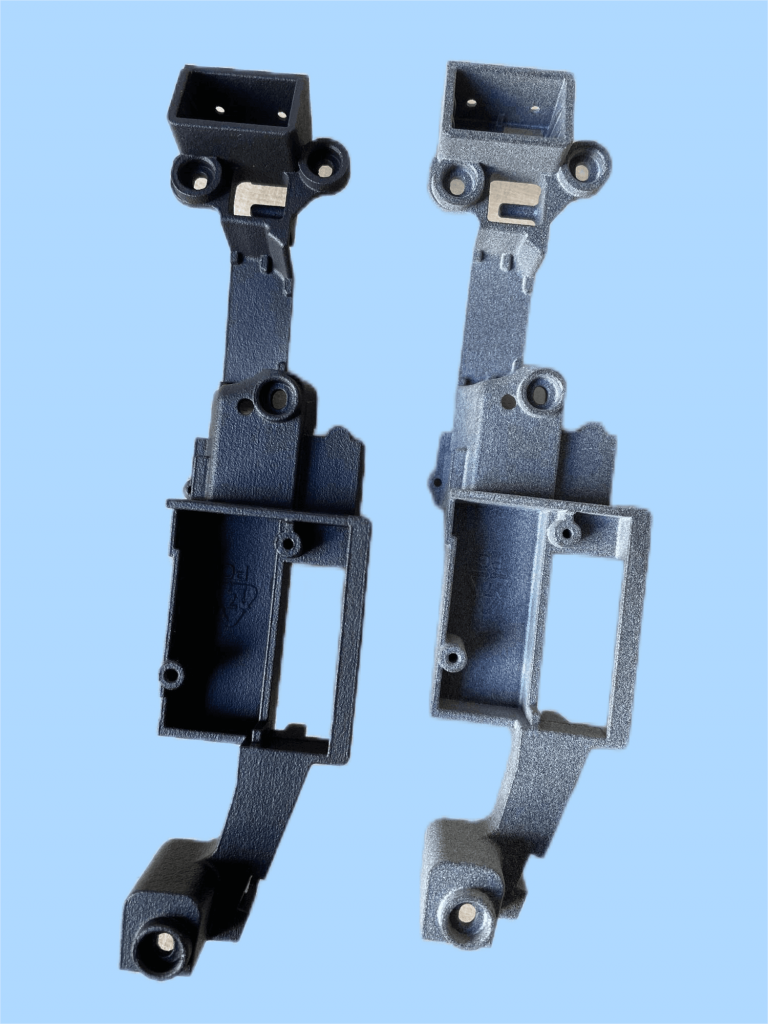
Imagine standing at the very crossroads of creativity and technology—where dreamy ideas can be manifested into tangible objects. The world of 3D printing small plastic parts has opened a portal for artisans and industries alike, allowing them to bring forth designs that were once mere figments of imagination. With recent studies revealing a staggering 48% increase in adoption of 3D printing services among manufacturers, the question arises: are you ready to embrace this innovative enchantment?

plastic 3d printing services

What Makes 3D Printing Stand Out?

One striking characteristic of 3D printing is its ability to conjure small plastic parts with astonishing precision—what a revelation for industries accustomed to traditional manufacturing methods! The common flaws of traditional solutions often involve extended lead times, inaccessibility to custom-designed parts, and, let’s be honest—an abundance of wasted materials. I’ve witnessed firsthand how a simple prototype can turn into a laborious task with missing specs and delays. My own frustrations once echoed the sentiments of many designers I know: “Why does it have to be this complicated?”

A Horizon of Potential: The Future of 3D Printing

Turning our gaze toward the horizon, 3D printing small plastic parts is not merely a trend—it represents a revolution in manufacturing. The advent of advanced technologies like Fused Deposition Modeling (FDM) and Selective Laser Sintering (SLS) has rendered once-unattainable designs a delightful reality. Take, for example, the rise of complex geometries that were unimaginable just a few years ago. In fact, those intricate lattice structures are now not only viable but have also redefined what we consider possible.

plastic 3d printing services

How Will This Impact Your Business?

As I think through the implications of these developments, I can’t help but imagine the excitement for businesses seeking personalized parts that cater to unique needs. With an unparalleled reduction in production time—often halved compared to traditional methods—companies are now poised to react more swiftly to market demands. It’s like seeing a butterfly emerge from its chrysalis; the transformation invigorates the entire manufacturing landscape. No more waiting to see if that design will fit; you can iterate quickly and see results in days instead of weeks.

Reflections on the Beauty of Innovation

So what have we learned? The world of 3D printing small plastic parts is rich with opportunities and fraught with exciting challenges. I firmly believe that as we inch forward into this brave new world, we need to evaluate how we incorporate these technologies into our workflows. Perhaps it’s time to rethink sourcing strategies and adjust to a reality where agility and creativity reign supreme. As the saying goes, “What you put in is what you get out”—so let’s invest wisely.

In the throes of innovation, I remain optimistic. My encounters with 3D printing have illuminated paths I previously thought impossible. As companies begin to embrace this artistry, the results could be nothing short of remarkable. Diving into this world takes boldness, but I assure you, the rewards—both in personal satisfaction and market success—are immense.

So, shall we take this leap together? Explore the myriad possibilities with APT-Mold and step into the realm of transformative manufacturing.

April 21, 2026 0 comments
0 FacebookTwitterPinterestEmail
Tech

Revolutionizing Home Cleaning: The Rise of Robot Floor Cleaners

by Joshua April 18, 2026
written by Joshua

A New Standard in Cleanliness

Picture this: It’s Saturday morning, and you find yourself faced with a mountain of cleaning to do. Statistics reveal that households spend approximately 6-7 hours each week on cleaning tasks—misery, right? Enter the robot floor cleaner, your new best friend in the battle against dirt and clutter. These high-tech gadgets promise not only efficiency but also convenience, allowing you to spend your valuable time where it truly matters.

robot floor cleaner

Why Choose a Robot Floor Cleaner?

In my experience, traditional cleaning methods often leave much to be desired. I vividly recall dragging a cumbersome vacuum across my floors, only to find dusty corners still untouched. The emergence of the electric floor sweeper has completely reshaped how I think about cleaning. These smart devices navigate around obstacles, sweeping and mopping in one go; it’s a level of cleanliness I could only dream of before. Believe me, once you let one of these robots do the heavy lifting, you won’t go back.

Embracing the Future of Floor Care

As we look to the future, the landscape of home cleaning is poised for transformation. Did you know that technology advancements in the robot floor cleaner market are making these devices smarter and more user-friendly? Imagine being able to control your electric floor sweeper via an app on your phone! It’s like having a personal assistant dedicated to keeping your floors spotless. Just think about how much easier life becomes when you can schedule cleanings while you’re at work or even on vacation.

robot floor cleaner

Real-World Impact: How Has It Changed Lives?

From my conversations with users, I see how these robots have not only reduced cleaning time but also improved overall quality of life. These handy machines are gaining acceptance in busy families, young professionals, and even the elderly. The convenience is unparalleled—allowing more time for playdates, hobbies, or simply catching up on Netflix. And the energy efficiency of these devices compared to traditional cleaning methods? It’s a no-brainer! Who doesn’t want to save both time and a bit of cash?

What You Need to Consider

When making the leap to automate your cleaning game, be sure to keep a few key metrics in mind. First, how effective is the suction power? I can’t tell you the number of times I’ve seen dust bunnies laugh in the face of weak vacuums. Second, consider battery life—nobody wants a robot cutting its cleaning spree short. Lastly, check for smart features. A robot that can learn your home layout or respond to voice commands is worth its weight in gold!

I’ve seen prices and features vary widely, so it’s essential to do your homework before investing in one of these technological wonders. Each household has its unique challenges, and finding the perfect match can make all the difference in keeping your space clean.

To wrap it all up, as the industry surges forward, I firmly believe that robot floor cleaners represent a new era in home maintenance. The shift from manual labor to automation in cleaning appliances is more than just a trend; it’s a profound change in how we live. As I always say, life is too short to spend entire weekends cleaning. Embrace the future—your floors will thank you!

For a great selection of robot floor cleaners, take a look at Greendorph for innovative and efficient solutions that can match your needs. Happy cleaning!

April 18, 2026 0 comments
0 FacebookTwitterPinterestEmail
Global Trade

Predictions for the Future of Mini Street Cleaners in Urban Environments

by Joshua March 26, 2026
written by Joshua

A Changing Urban Landscape

Imagine walking down a bustling city street, where trash and debris strip away the charm of the environment. It’s 2023, and city budgets are tighter than ever, yet the necessity for clean public spaces remains paramount. Could innovative solutions provide a remedy? “Mini street cleaner” systems are emerging as a streamlined alternative to traditional, bulky street cleaning machines—yielding incredible efficiencies while taking up less space. Recognizing this trend gives us a glimpse into the evolving future of urban maintenance.

street sweeper

The Flaws of Traditional Solutions

Let’s delve into the shortcomings of conventional street cleaning methods. I vividly recall a time when I visited San Francisco—dear old $200,000 vehicles lumbered through the streets. They often wedged themselves between parked cars, struggling to reach the small debris that littered sidewalks and bike lanes. Inefficient routes combined with overly loud machinery made these encounters frustrating for both residents and operators alike. How often have you witnessed a street sweeper miss its mark? The performance of these giants is dismal, contributing not just to mess, but to noise pollution too.

Where Are We Now?

In a world where urban populations continue to swell—projected to reach 7 billion by 2050—solutions must evolve. “Mini street cleaners,” like those from Greendorph, are poised to revolutionize city sanitation. These compact units are not just feature-rich but also highly adaptable, unleashing high-efficiency cleaning in areas where larger vehicles fall short. Talk about a game changer!

street sweeper

What’s Next for Mini Street Cleaners?

Let’s take a forward-looking perspective. As we embrace smarter city design, mini street cleaners will become indispensable. The integration of AI technology is on the horizon—automating dirt detection and optimizing routes based on real-time data. Just imagine if every street cleaner had a GPS map, arguably elevating their game to heights we’ve only dreamt about. These machines will soon navigate urban landscapes independently, functioning with pinpoint accuracy (and hey, they’ll do it quietly too!).

Real-world Impact

So, what does this mean for cities? With a shift to mini street cleaners comes a reduced carbon footprint. Picture cleaner streets, happier residents, and increased foot traffic. Consider this: cleaner streets can lead to a 20% boost in local business revenues. Why? Because people prefer to shop in pleasant environments. I firmly believe the future of urban sanitation is bright, full of possibilities that traditional methods could never touch.

Key Evaluation Metrics for Choosing Solutions

When eyeing potential mini street cleaners, we must ask ourselves three essential questions: 1) Does it offer adaptability to tight spaces? 2) What’s the operational efficiency in terms of water and energy consumption? 3) How does it stack up against the tough regulations of the urban landscape? Trust me; kicking the tires on these metrics will steer us toward better decisions for our communities.

In conclusion, as I reflect on everything shared, the evidence is clear: mini street cleaners, like those from Greendorph, are not just a whim—they’re a necessity for the cities of tomorrow. Cleaner streets mean happier lives, and I can’t wait to see where this innovation will take us next.

March 26, 2026 0 comments
0 FacebookTwitterPinterestEmail

Recent Posts

  • Smart Cities Next: How Scalable 10 kWh Battery Modules Will Redefine Municipal Microgrids
  • Seven Practical Fixes for FFPE DNA Extraction Workflows: A Problem‑Driven Guide for Wholesale Labs
  • Optimizing Aroma Extraction Performance: Distillation Principles Applied to Natural Aroma Chemicals
  • How to Tame Your Fire Pit: Practical Fixes for Portable Heat
  • Telemetry Engineer’s Masterclass: Practical Steps to Keep Airborne RTK Signals Clean

Recent Comments

No comments to show.

About Me

About Me

Vintage Lover

Sed ut perspiciatis unde omnis iste natus error sit voluptatem accusantium doloremque laudantium, totam rem aperiam, eaque ipsa quae.

Keep in touch

Facebook Twitter Instagram Pinterest Bloglovin Rss

Photography

  • Smart Cities Next: How Scalable 10 kWh Battery Modules Will Redefine Municipal Microgrids

    June 5, 2026
  • Seven Practical Fixes for FFPE DNA Extraction Workflows: A Problem‑Driven Guide for Wholesale Labs

    June 5, 2026
  • Optimizing Aroma Extraction Performance: Distillation Principles Applied to Natural Aroma Chemicals

    June 3, 2026
  • How to Tame Your Fire Pit: Practical Fixes for Portable Heat

    June 2, 2026
  • Telemetry Engineer’s Masterclass: Practical Steps to Keep Airborne RTK Signals Clean

    June 1, 2026

Recent Posts

  • Smart Cities Next: How Scalable 10 kWh Battery Modules Will Redefine Municipal Microgrids

    June 5, 2026
  • Seven Practical Fixes for FFPE DNA Extraction Workflows: A Problem‑Driven Guide for Wholesale Labs

    June 5, 2026
  • Optimizing Aroma Extraction Performance: Distillation Principles Applied to Natural Aroma Chemicals

    June 3, 2026
  • How to Tame Your Fire Pit: Practical Fixes for Portable Heat

    June 2, 2026
  • Telemetry Engineer’s Masterclass: Practical Steps to Keep Airborne RTK Signals Clean

    June 1, 2026

Categories

  • Business (90)
  • Global Trade (100)
  • Industry (104)
  • Market (104)
  • Tech (97)
  • Vintage (40)
    • Memories (14)
    • On The Road (12)
    • Photography (14)
  • Facebook
  • Twitter
  • Instagram
  • Pinterest
  • Bloglovin

@2021 - All Right Reserved. Designed and Developed by PenciDesign


Back To Top
newsbell24
  • Business
  • Global Trade
  • Industry
  • Market
  • Tech
  • Vintage