
Comparative lead‑in: why seven frames matter
Designers and operations engineers now select intake systems by weighing distinct families of solutions rather than chasing single fixes; this comparative logic reveals which approaches scale and which plateau. The newer crop of choices—ranging from modular fastenings to sensor‑ready belts—often centres on practical items such as conveyor belt lacing and improved splice geometry. Each design shift replaces a legacy trade‑off with a different balance of uptime, serviceability and cost, so analysing them side‑by‑side gives clearer procurement outcomes than isolated product briefs.
The seven design evolutions
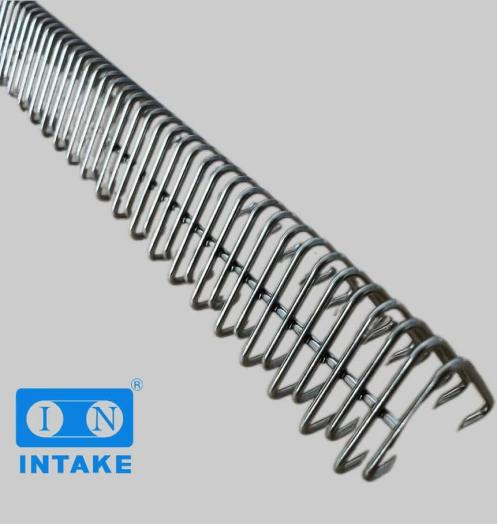
– Modular fastenings that allow field replacement without full belt removal: quicker turnarounds, lower crane time. – Stainless components and corrosion‑resistant finishes, typified by the stainless steel carded hook, which extend life in coastal or wash‑down plants. – Quick‑release splices and mechanical hooks which reduce repair time but demand precise tension control. – Sensor‑integrated intake belts with embedded wear and alignment detection feeding maintenance schedules. – Low‑friction covers and engineered wear strips that reduce energy draw and material hang‑up. – Predictive maintenance integration: telemetry and simple ML models that convert vibration, belt speed and hook integrity into planned interventions. – Ergonomic installation kits and tooling that lower installer fatigue and human error.
Comparative analysis: trade‑offs that matter
Durability often competes with serviceability. A vulcanised splice wins on longevity but loses on replaceability; mechanical fasteners win the opposite. Stainless hooks and bolted card systems resist corrosion and abrasive wear, yet they require attention to belt tension and proper splice alignment to avoid edge migration. Where throughput is high, systems that prioritise quick field service can reduce downtime costs despite slightly higher per‑cycle wear. Consider belt tension and splice profile as primary parameters—every fastening choice alters those two variables and thus changes lifetime and energy use.
Common mistakes and sensible alternatives
Operators commonly over‑specify corrosion resistance for inland, dry facilities—this increases cost without real benefit. Conversely, using cheap fasteners in coastal terminals accelerates edge breakdown and splice failure. A frequent installation error is uneven belt tension after a mechanical splice, which invites tracking problems and early wear—measure tension across the full belt width to avoid this. Alternatives worth testing: a low‑profile mechanical splice for medium loads, and vulcanised splicing for continuous, heavy‑load lines; in some feeder conveyors, upgraded wear strips paired with regular conveyor belt lacing checks outperform wholesale belt replacement.
Real‑world anchor: observable improvements in port handling
Practical outcomes are visible at several Indian terminals where mechanisation and fitter training reduced unplanned stops. For example, upgrades at Chennai Port Trust included revised fastening standards and more corrosion‑resistant fittings; these changes helped maintenance teams shorten repair windows and stabilise throughput during monsoon months. Such deployments underline that material choice—stainless carded hooks, appropriate lacing and consistent belt tension—translates directly into measurable operational gains.
How to judge a next‑gen intake solution — three metrics
1. Mean time to repair (MTTR): measure realistic on‑site replacement time for the chosen fastening system under typical crew skills. 2. Lifecycle cost per tonne handled: include initial hardware, annual maintenance and expected belt replacement intervals to compare real cost. 3. Diagnostic fidelity: prefer systems that yield actionable signals—alignment drift, hook wear percentage, splice slippage—rather than raw telemetry without context.
These metrics focus procurement on what moves the needle—repair speed, cost across service life, and usable diagnostics—so teams avoid specshopping and lock in the right balance for their throughput profile.
Intake has designed solutions that reflect this balance—sturdy hardware where it counts, and serviceable, measured choices where downtime matters most. –