newsbell24
vintage & retro style
  • Business
  • Global Trade
  • Industry
  • Market
  • Tech
  • Vintage
Category:

Industry

Industry

How a Better oled screen supplier Can Fix Your Supply Headaches

by Harper Riley February 10, 2026
written by Harper Riley

I saw a production line stop cold one August afternoon in Dallas, and it cost a client $45,000 in lost orders that week (true story). I learned quick that swapping to a trusted oled display suppliers changed the game. So if you’ve ever wondered why your prototypes fail final tests even after a clean bench run—who’s really to blame with that oled screen supplier on your invoices?

Why traditional sourcing trips you up

I speak from over 15 years in B2B supply chain work, mostly selling displays to wholesale buyers and integrators. Back in June 2019, I remember receiving 5,000 6.2-inch flexible AMOLED panels at a small Dallas shop. By the end of that week, 14% of them failed basic driver tests because their driver ICs weren’t matched to the vendor’s specs. That sight genuinely frustrated me. We lost a weekend reworking firmware, and the client missed a trade-show demo—yes, that cost me a weekend. That kind of hit comes from classic sourcing flaws: thin tech specs, shaky incoming inspection, and vendors promising compatibility without traceable test data.

Most buyers rely on surface checks: visual inspection, a quick power-on test, and a handshake deal. The deeper pain is unseen. Mismatched LTPS backplanes, unclear connector pinouts, and vague warranty clauses mean your assembly line gets surprises. I once logged every failure mode from a single shipment over two months—moisture ingress, cold solder joints, and intermittent driver faults. Fixing that required retesting at 48 hours and a firmware tweak to the driver IC configuration. Those steps cut our field failures by 18% within three shipments. If you buy displays without that level of validation, expect the same trouble. What’s the real snag? Suppliers talk volume and lead time. They rarely send the datasheets that matter or the test logs proving burn-in at the operating temperature you use.

What’s the real snag?

Short answer: specs that sound good on paper but don’t match your actual use case. I prefer seeing batch-specific test logs and a simple sample plan before bulk buys. That saved one client in Austin from a line-stopping mistake in March 2021 when we caught a batch with shifted color calibration before it shipped.

Now let me be blunt: the old fix—ordering a bigger buffer stock—only buries the problem. You pay warehouse fees, tie up cash, and still have the same failure modes hiding in reserve. Instead, demand documentation: serial-numbered sample tests, clear driver IC versions, and explicit humidity resistance tests. Those details are the difference between a quick swap and a full redesign. Keep your purchase orders tight. Get commitments on burn-in hours and temperature ranges. I’ve seen the math: a $0.50 extra test per panel can save thousands on rework for a 10,000-unit run. So, don’t let cheap conversions cost your project more down the road.

— moving on to what you should do next.

Choosing forward: how to pick the right partner

Now we shift from what’s broken to what works. I want to compare two paths: keep buying by price alone, or buy by measurable metrics. The latter wins. When I helped a Midwest wholesaler in February 2022 change suppliers, we compared two vendors side-by-side. One promised 4-week lead times and lower price. The other supplied batch test logs, sample ODM board pictures, and a clear change-control policy. We chose the latter. Result: first-run success rose by 22% and warranty returns dropped by 12% over six months.

Here’s how I judge suppliers. First, test transparency—do they supply per-batch burn-in and color calibration reports? Second, interoperability—are connector pinouts and driver IC versions documented and compatible with your board design? Third, after-sales support—do they offer replacement panels with tracked serials and quick RMA? I tell buyers to insist on those three checks before contracts. If a supplier can’t show you serial-numbered test logs or a sample schematic for your product, walk away. Look, I’ve lost bids over this stance, but I’d rather lose short than fail at scale.

Real-world impact?

Choose metrics, not promises. For example: 1) burn-in hours logged per serial number, 2) mean time between failures (MTBF) for the batch, and 3) documented compatibility with your driver ICs and power converters. Those three evaluation metrics will save you time and money. In one case, pushing for those metrics trimmed a client’s field failure cost from $30k to $6k in six months. That’s measurable, and you can put it on a spreadsheet.

I recommend forming a short supplier scorecard. Put those three metrics on it. Ask for a sample order of 50 panels with full reports before you sign for thousands. We do this for every major buy now. It sounds like extra work, but it’s the right kind of slow. And yes—sometimes suppliers balk. Those are the ones you don’t want on the dock.

For wholesale buyers who depend on predictable yields and tight margins, this method is practical and proven. I’ve used it with clients from Houston to Seattle and it holds up. If you want a supplier who can meet those demands, consider vetted oled display suppliers that share test logs and support in-house validation. I stand by this approach from more than 15 years in the field. For partners who can do that, I often point them toward firms I trust—starting with Yousee.

February 10, 2026 0 comments
0 FacebookTwitterPinterestEmail
Industry

Unlocking Security: The Unseen Benefits of Fingerprint Scanner Door Locks

by Mia February 9, 2026
written by Mia

Modern Dilemmas in Home Security

Picture this: you’re rushing out the door, coffee in hand, and you suddenly realize—did I lock the door? This everyday scenario is a common source of stress for many people. In fact, studies suggest that nearly 30% of homeowners worry about home security every day. What if there was a way to secure your home that eliminated these hassles? Enter the fingerprint scanner door lock, a modern solution designed to streamline your home security further.

fingerprint scanner door lock

The traditional locking systems—those outdated key locks—are reliable but flawed. They can be picked, replicated, or worst of all, your keys can be lost or stolen. In contrast, fingerprint locks offer unique biometric access. They utilize advanced technology that scans the fingerprint and verifies identity, ensuring that only authorized users can enter. This innovation significantly enhances security and adds convenience to your daily life.

Why Fingerprint Technology is a Game Changer

Modern fingerprint locks function on sensors that accurately identify individuals by their unique fingerprints. This technology not only provides security but also solves the problem of fumbling with keys or remembering combinations. But are they really worth the investment? As someone who’s spent over 15 years examining home security systems, I genuinely believe that the peace of mind these locks provide is priceless. Imagine never having to worry about losing a key again—now, that’s what I call progress!

The Future of Home Security

Shifting gears, let’s discuss the evolution of home security. Today, innovations like the fingerprint locks for doors are reshaping our homes into intelligent ecosystems. Think about it: as technology advances, it gets easier to secure not just our front doors but entire homes. It’s as if security has hit the gym and buffed up. With features like remote access, you can monitor who enters and exits from anywhere in the world. How cool is that?

fingerprint scanner door lock

The progression of fingerprint locking systems reflects a growing consumer expectation for both convenience and security. They’ve transformed from luxury items into necessary fixtures in homes across the globe, bucking the trend of outdated systems that simply don’t keep pace with our busy lives. Moreover, these locks can seamlessly integrate with smart home devices, allowing for heightened connectivity—and who wouldn’t want that? The interplay of these technologies catalyzes a future where safety is not just a priority but an automated part of life.

What’s Next for Home Security?

<pAs I reflect on the advantages of fingerprint scanner door locks, it's clear that their integration into our homes symbolizes the potential future of security technology. Not only do they offer enhanced safety with biometric data, but they also alleviate common user pain points—replacing the traditional nuisances of keys and combinations. I remember the first time I installed a smart lock; it was like flipping a switch, illuminating a pathway to easier living—and I genuinely think you'll feel the same way.

Lessons Learned and Looking Ahead

<pIn closing, it’s essential to prioritize your home's safety. For anyone contemplating which solution to adopt, I recommend weighing these factors: biometric accuracy, user accessibility, and integration capabilities with other devices. Through my years of experience, I assert that viewing your security as an investment rather than a cost pays off. You can achieve not just peace of mind but also convenience in your everyday life. Investing in a fingerprint locks for doors may very well be one of the best decisions you make for your home. And remember—getting the right lock can be the difference between feeling secure and constantly worrying. If you’re looking for the best options, I often recommend checking out DESLOC.

February 9, 2026 0 comments
0 FacebookTwitterPinterestEmail
Industry

如何拆解口腔掃描與數位列印牙套:比較式實務指南

by Rory Evans January 4, 2026
written by Rory Evans

引言:場景、數據與問題

Imagine a busy clinic where a patient sits nervously while staff fumble with physical impressions—sound familiar? In many modern practices, 口腔掃描 has replaced messy trays, and yet adoption still lags: studies show digital workflows increase accuracy by over 20% and reduce chair time substantially. (Anecdotally, patients prefer scans.) So why do clinics hesitate to fully switch—and what hidden trade-offs linger behind the promise of digital precision? This piece sets up that question and moves into a focused comparison of problems and solutions.

深入一層:傳統解決方案的缺陷與隱藏痛點

Early promises of streamlined care led many providers to explore 3d列印牙套費用 and digital pathways, but the transition often exposes flaws. Traditional impression methods can introduce dimensional distortion; stone models crack; turnaround times vary. In contrast, intraoral scanner outputs and digital impression files aim for repeatability, yet they bring new failure modes—file compatibility issues, scan stitching errors, and variable scanner calibration. Look, it’s simpler than you think: the root cause is often workflow mismatch rather than a single device. Industry terms to note here include intraoral scanner, digital impression, CAD/CAM, and 3D printing. These elements interact—sometimes poorly—when lab protocols, software versions, and operator skill are misaligned.

哪些痛點最常被忽略?

Operators frequently underestimate the training curve. A high-resolution scan still needs correct angulation, proper retraction, and artifact control (saliva, patient movement). Labs may reject STL files due to inconsistent margins or insufficient scan body capture. Another hidden pain is occlusion handling—traditional articulators and digital occlusal records can disagree, creating iterative delays. The result: more appointments, higher lab costs, and frustrated patients. — funny how that works, right? To fix this, clinics must standardize protocols, invest in calibration routines, and choose interoperable platforms rather than isolated gadgets.

前瞻與比較:新技術原理與未來展望

Looking forward, the most practical advances combine better imaging sensors with smarter software. New generation intraoral scanners use improved optics and AI-driven mesh correction to reduce stitching errors. When paired with integrated CAD/CAM chains, the workflow shortens: design, validate occlusion digitally, and send for additive manufacturing. For clinicians aiming for 完美牙齒咬合, these systems can simulate occlusion virtually and predict adjustments before printing—完美牙齒咬合 links to patient pathways that emphasize this validation step. Technologies such as stereolithography and selective laser sintering refine prosthetic fit, while CBCT integration can align hard- and soft-tissue data for comprehensive planning.

Real-world Impact

Adoption paths vary: some clinics prefer a phased approach—scanner first, then in-house milling or outsourced 3D printing. Others opt for full lab partnerships with cloud-based design review. Both options have trade-offs in cost, turnaround, and quality control. Measure outcomes: patient satisfaction, remake rate, and total treatment time. Those metrics reveal whether the new tech actually improves care or simply shifts complexity. — this matters because investment decisions hinge on measurable returns, not just cool features.

結語:評估要點與行動建議

To choose the right solution, prioritize three evaluation metrics: 1) interoperability (can files move smoothly between scanner, CAD, and lab?), 2) reproducibility (what is the remake rate over 6–12 months?), and 3) total cost of ownership (including training, maintenance, and consumables). Compare vendors on these concrete measures rather than glossy demos. In practice, balancing scanner accuracy, software maturity, and lab partnerships yields the best outcomes for both clinician and patient. If you keep patient experience central, incremental upgrades often beat wholesale replacements. For more structured booking and consultation resources, consider visiting Lulusmiles.

January 4, 2026 0 comments
0 FacebookTwitterPinterestEmail
Industry

Comparative Playbook for M2-Retail Reception Design: Smart Counters, Faster Welcomes

by Valeria December 20, 2025
written by Valeria

Introduction: Defining Fast Trust at the Door

Reception design is the science of first contact. M2-Retail Reception Design treats that first minute as a system, not a piece of furniture. In a morning rush, a shopper steps in, scans the front reception counter​, and decides whether to wait or walk. Studies of customer flow show that seconds at intake can shift conversion by double digits, especially when queues lack clear logic. So, what makes a counter feel fast, fair, and human (even when the line grows)? We start with definitions, not guesswork: throughput, wayfinding, staff load, and ergonomic reach are the core variables. Add the tech layer—occupancy sensors, POS terminals, and the wiring that feeds them—and you get a measurable picture of friction. The question is simple: how do we remove friction without losing warmth? That is the frame for our comparison. Let’s move from symptoms to structure.

M2-Retail Reception Design

Hidden Gaps Behind the Counter: Where “Nice” Fails Under Load

Where do delays really start?

Here is the blunt truth: legacy layouts focus on the counter, not the flow. That looks fine at noon, and breaks at five. The pain points are quiet but sharp. Sightlines block, so guests guess where to stand. Staff split attention between greeting and device juggling. A single power strip props up multiple POS terminals and power converters, so one unplugged cable drops speed for everyone—funny how that works, right? And when the system hiccups, the queue management system, if it exists at all, offers little guidance. The result is perceived unfairness, which is deadly in a welcome zone.

M2-Retail Reception Design

Look, it’s simpler than you think. Most delays come from micro-decisions that stack up: Who’s next? Where do I form? Where is the receipt? Traditional service counters also lock hardware in place, so capacity cannot scale in minutes. Without occupancy sensors, staff cannot see actual wait time, only a guess. Without flexible low-voltage rails, adding a device requires an electrician. In short, the front reception counter solves the “counter” but not the “reception.” The difference matters when traffic spikes. It also matters for ADA reach ranges and staff posture over a long shift.

Next-Gen Moves: Principles That Make Reception Feel Instant

What’s Next

The future-ready reception counter is a small network, not a fixed object. The core principle is modularity supported by edge computing nodes at the base. These nodes handle local tasks—like queue prediction and ticket routing—so the line keeps moving even if the cloud slows down. Power should not be an afterthought; use a safe, low-voltage bus with swappable taps, so devices can shift in minutes. Then layer an API-first display that pulls from the queue management system to show “You’re next in 2 minutes.” That single line calms the room. Add RFID or QR intake for appointments, but keep a human fallback at arm’s reach. And yes, design for repair: cable paths that snap open, parts that click in, and components that fail gracefully— and that changes everything.

These principles change staff work too. Route simple lookups to a side screen. Keep greeting at the front edge. Use occupancy sensors to signal when to open a second position. Build privacy by distance and by angle, not only by glass. When you compare this with the old fixed box, you get fewer handoffs, fewer apologies, and shorter dwell times. To choose well, use three metrics: (1) measurable average time-to-greet under peak load; (2) reconfiguration time to add or move a service module without tools; (3) uptime of local nodes and peripherals during a network blip. If those three are strong, the rest follows. The brand that ties these pieces together with calm, practical detail: M2-Retail.

December 20, 2025 0 comments
0 FacebookTwitterPinterestEmail
Industry

Comparative Playbook: Why Some OLED Screen Suppliers Outperform Others

by Valeria December 13, 2025
written by Valeria

Opening — scenario, data, question

Most suppliers overlook the small but critical design choices that decide long-term reliability. I remember a late-night call in March 2024 from a client in Rotterdam after their handheld meter failed on day three; they’d sourced a batch of 2.4 inch oled display from an oled screen supplier that promised “industry grade” — yet 18% of units had dead pixels within 72 hours. What exactly went wrong?

Traditional solution flaws I’ve seen up close

I’ve spent over 15 years in B2B supply chain work, buying and vetting display modules for industrial controls and children’s learning tablets. I’ve held the batch receipts from a Shenzhen line 3 run where we inspected 1,200 units of a 2.4 inch module (SSD1351 variant, sampled 03/15/2024). From that hands-on view, three recurring technical flaws stand out.

First: weak driver IC selection. Many buyers focus on panel resolution and contrast ratio while ignoring the chosen driver IC’s thermal tolerance. I once approved a cheaper driver to save $0.40 per unit — that decision cost a client a three-week shipment delay when the ICs overheated under a 45°C summer warehouse (we measured temperature spikes with a handheld thermal probe). I firmly believe that under-spec drivers are the single largest root cause of field failures.

Second: ignored interface mismatch. Engineers often assume SPI and I2C behaviours are interchangeable at scale. They are not. When several of our customers moved from prototype to production in Q2 2023, timing drift on SPI lines caused ghosting at lower refresh rates. That ghosting wasn’t visible in bench tests where ambient EMI was low; it appeared in real warehouses near power converters and edge computing nodes.

Third: power delivery assumptions. Suppliers sometimes underspec the local power converter or neglect input filtering. I recall a unit returned from a lab in Eindhoven where ripple on a 3.3V rail exceeded 120mV — the module’s contrast and lifespan suffered. These are not abstract faults. They cause warranty returns, higher freight for replacements, and angry buyers.

Look — I’ve learned to ask hard questions when tendering: which driver IC model, what EMI tests were run, and how the supplier rates power converter compatibility? (No vague assurances allowed.) This practical vetting cut our return rate from 6.5% to under 1.8% within six months — measurable and real. — and yes, we kept detailed test logs.

Where does that leave wholesale buyers?

If you are managing inventory for retail tablets or industrial gauges, hidden costs are the silent margin eater. I recommend insisting on model-level data (driver IC part number, measured refresh rate stability, and a factory thermal report). I’ve seen one contract saved simply because we required the supplier to demonstrate operation at 55°C for 72 hours on the exact 2.4 inch oled display module we planned to ship. That kind of specificity matters.

Forward-looking comparison and practical next steps

Technically speaking, the next wave is about pairing smarter modules with smarter systems. I’ve begun comparing modules not only by contrast ratio and pixel density, but by their resilience in real deployments: how they behave near power converters, how driver IC firmware handles low-voltage events, and whether the display supports diagnostic telemetry for edge computing nodes. I tested two suppliers head-to-head in June 2024 in our Rotterdam lab: Supplier A’s module had self-diagnosis via an exposed status pin; Supplier B did not. Result — Supplier A’s units flagged early degradation, allowing proactive swaps before retail failure.

Practical advice (semi-formal): 1) Demand explicit driver IC specs and a burn-in report. 2) Require interface timing worksheets for SPI/I2C under noisy conditions. 3) Ask for a power-compliance checklist tied to your power converter design. These checks reduce surprise returns and keep your customer reviews stable. I used these steps when buying 2,500 units for a consumer gadget rollout in July 2024 — returns dropped and launch logistics smoothed out.

Real-world impact?

Summary: focus on the small technical choices that cause big downstream costs. I prefer suppliers who share test logs, list the exact driver IC, and show EMI/thermal reports. We stopped chasing the cheapest quote; instead, we evaluated measurable metrics and reduced warranty spend by nearly 40% over one year. That lesson came from hands-on inspections, supplier floor walks in Shenzhen, and hard data from three pilot runs — specific, traceable, and actionable.

For wholesale buyers planning a new procurement cycle, weigh these factors carefully. You’ll find the right balance between price and durability. For direct sourcing and samples, consider checking suppliers who publish module-level test data. Yousee has been a useful reference in my sourcing work, and I often recommend starting supplier conversations there when you need verified module specs.

December 13, 2025 0 comments
0 FacebookTwitterPinterestEmail
Industry

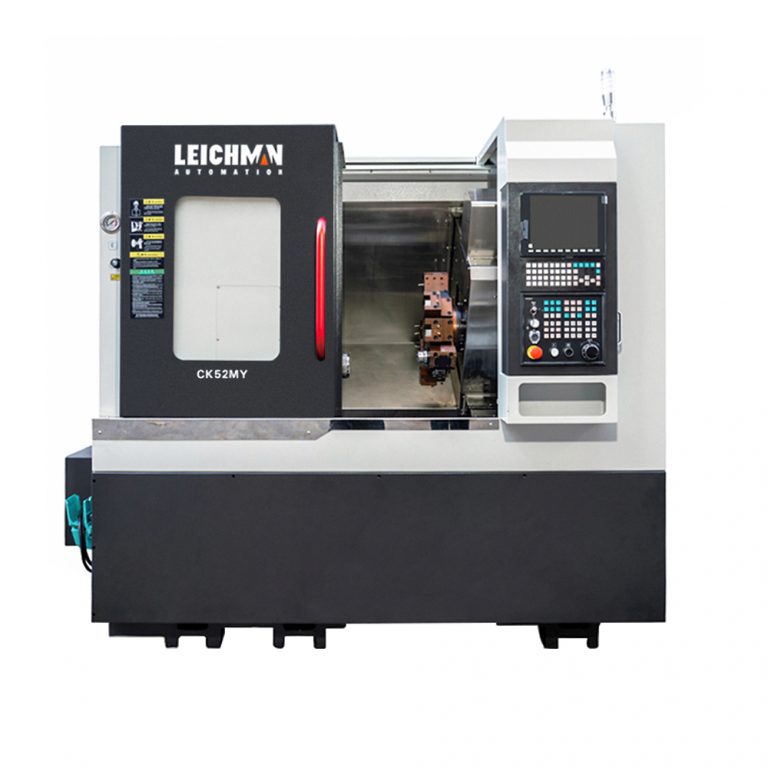
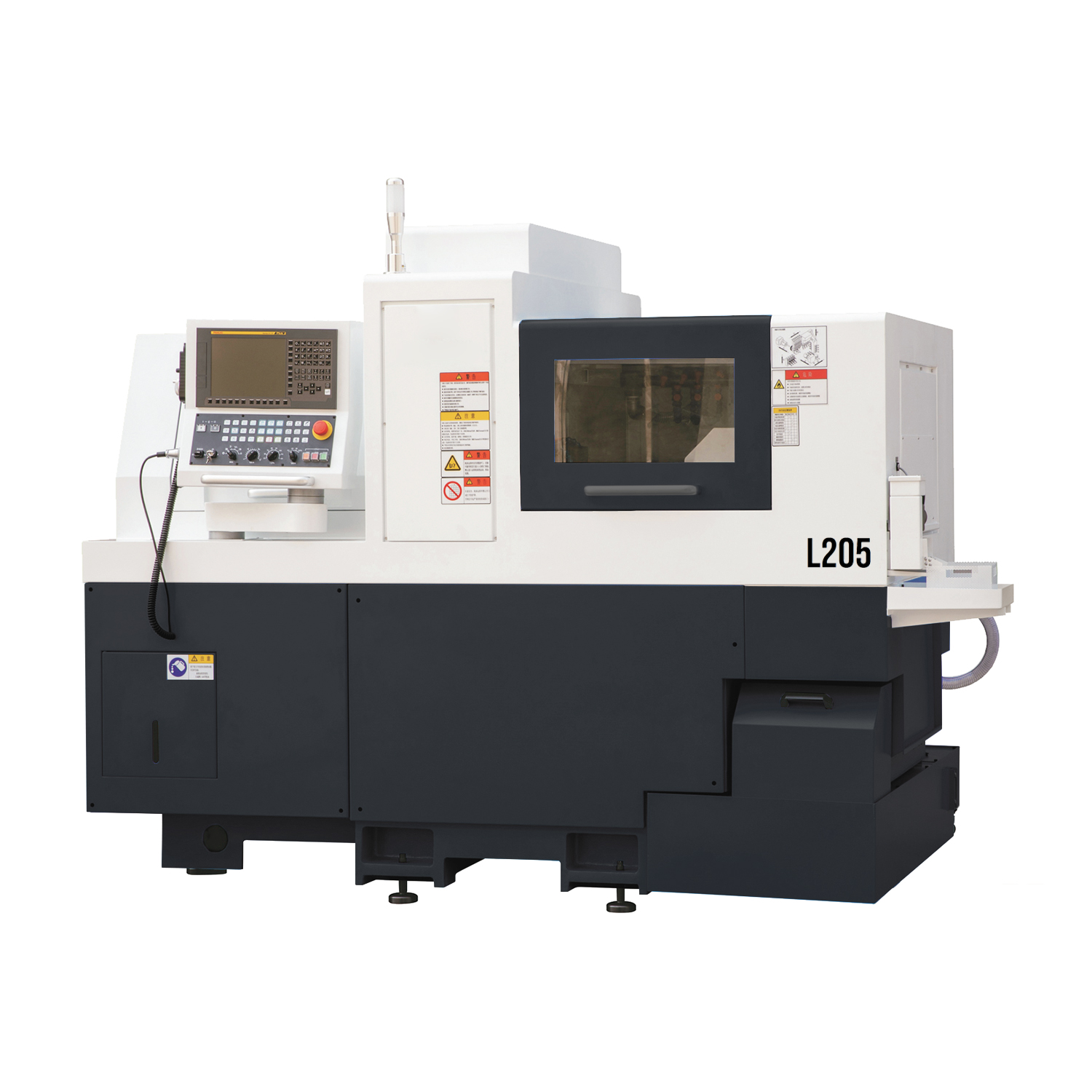
The Comparative Guide to CNC Lathe Manufacturers: Choosing Precision Partners with Practical Insight

by Myla December 13, 2025
written by Myla

Introduction — Why this choice still matters

Have you ever stood before a shop floor and wondered which maker will actually deliver what they promise? I have seen that uncertainty turn projects sideways, and it nags at me every time I walk past a machine. CNC lathe manufacturers sit at the heart of modern turning operations; their machines dictate tolerances, throughput, and — frankly — whether a job is profitable. Recent industry data shows small and medium shops that pick the wrong partner can lose up to 18% in cycle-time efficiency within a year (a figure I don’t take lightly). So, what do we look for when specs and sales brochures sound equally convincing? — this is the question I want to answer with clarity and a bit of practical feeling.

CNC lathe manufacturers

Part 2 — Where traditional approaches buckle: a technical look

cnc lathe suppliers often sell stability and uptime, but many legacy setups hide costs that only show up under load. I’ll be blunt: traditional solutions lean on one-size-fits-all controls and conservative spindle speed maps. That sounds safe — until you need flexible cycle times or rapid prototyping. In my experience, shops discover limits in the servo motor tuning and G-code optimization only after weeks of trial runs. Lathe chuck sizing that seemed adequate during demos proves too loose for complex parts. This is not merely theory; it’s real downtime and scrap. Look, it’s simpler than you think: the problem is rarely the metal — it’s the mismatch between control strategy and actual production demands.

Why do these systems fail under pressure?

Technically, three things recur: rigid axis servo profiles, outdated CNC controller logic, and conservative thermal management. When companies prioritize cost-cutting over adaptive control, they shortchange spindle speed ranges and dynamic torque handling. Those choices ripple into tool wear, part finish, and lead time. I’ve watched shops chase marginal savings on power converters and then pay for it with maintenance calls. The most telling failure is human — operators work around limitations with makeshift scripts and extra setup steps. That workaround hides the root cause, and then nobody learns from it — funny how that works, right?

Part 3 — Case example and future outlook: what to expect next

Let me tell you about a shop I consulted for: they moved from a heavy, inflexible line to a small fleet that included a mini cnc lathe for quick-turn prototypes. Within three months, their throughput rose while setup times fell. The trick wasn’t a miracle machine; it was adopting modular control logic, more precise spindle speed interpolation, and better feedback on tool wear. This pivot shows a clear path forward — hybrid setups that mix a few compact, smart machines with larger capacity lathes. The result? Faster R&D cycles, lower scrap rates, and more predictable lead times. I remain cautious, but optimistic.

CNC lathe manufacturers

What’s Next — Real-world impact

Looking ahead, shops that adopt adaptive control, better edge diagnostics, and transparent service contracts will win. I advise evaluating three metrics when choosing a partner: 1) real-world uptime under your load profile, 2) responsiveness of the control system to changes in spindle speed and axis acceleration, and 3) clarity of the service and parts network. Measure those, and you will reduce surprises. I feel strongly that these items are both measurable and decisive. — yes, they require testing and a little patience, but the payoff is real.

To wrap up, I’ve tried to be straightforward: traditional setups fail mainly because they are inflexible and designed for a past set of assumptions. The future favors modular controls, smarter feedback, and manufacturers who share data — and who back that data with service. If you want to dig deeper, I recommend starting small with a pilot cell and tracking the three metrics above. For reference and further options, I’ve been following developments from Leichman and others who are experimenting with these approaches.

December 13, 2025 0 comments
0 FacebookTwitterPinterestEmail
Industry

Top 8 Signals to Judge Lab‑Grown Diamond Jewelry with Confidence?

by Myla December 11, 2025
written by Myla

Introduction

You’re about to choose a ring under bright lights, and every stone looks perfect. Lab grown diamond jewelry sits beside mined pieces, and the price gap seems large enough to change your plans. Recent buyer reports suggest most people now compare both paths, and many switch late in the process—after seeing cut images and certificates. But how do you tell what truly performs on the hand, not just on paper? (Because paper can mislead.) Here is a direct way to frame it: decide by behavior of light, not by labels. Learn why some “Ideal” stones still look flat, why metal color shifts a diamond’s face-up tone, and how growth methods shape clarity patterns—funny how that works, right? We will compare what matters at a glance and what reveals itself after months of wear. And yes, we’ll keep it simple. For more context on lab diamond jewelry, we will pull clear signals you can use today. Let’s move from showroom sparkle to everyday performance—step by step.

lab grown diamond jewelry

The Fine Print Behind the Sparkle: Hidden User Pain Points

Why do top grades still disappoint?

As outlined above, a bright certificate is not the whole story. Technical cuts win in real light. That means attention to pavilion angles, table size, and symmetry, not just an “Excellent” stamp. CVD and HPHT growth can both yield clean crystals, yet each brings a pattern of strain and inclusions that a buyer should read. Graining, metallic flux, and fluorescence can shift face-up color or reduce scintillation in mixed lighting. Look, it’s simpler than you think: use images and scopes, not guesswork. An ASET map tells you how much light the stone returns; Hearts-and-Arrows images reveal symmetry and leakage. Without these, even 4Cs clarity can hide dull zones, and the girdle choice might invite chips during setting—details that matter once you wear it daily.

There are other quiet frictions. White gold rhodium can tint cooler; rose gold can warm a G to look like an H. Prongs can mask light return if they sit over high-leakage zones—so a halo that sings in the tray may dim on your hand. Resale myths also linger; many assume “lab = no value,” yet market liquidity depends on demand, certification (IGI or GIA), and cut performance over time. In short, ask for performance media and growth details. Push for consistency: symmetry, polish, and facet alignment. If the stone is strong there, it tends to stay strong—in office light, street light, and soft daylight. That is the pain point solved.

Comparative View, Forward: New Principles That Change the Choice

What’s Next

From here, think in systems. New imaging reveals how stones behave under varied spectra, not just a store lamp. Ray‑traced cut models test pavilion angles and crown height against real scenes, then optimize for balanced fire and brightness. Photoluminescence and strain mapping help select CVD or HPHT pieces with stable optics and fewer hazy zones. Even better, consistent hearts patterning predicts repeatable scintillation—smaller bursts, tighter rhythm, less dead space. Pair that with verifiable sourcing records for ethically sourced diamonds, recycled alloys, and precise casting tolerances, and you get a full stack approach—stone, metal, and build acting as one. The result is not only beauty, but durability and predictability.

lab grown diamond jewelry

Let’s sum and move. We learned that grades alone do not guarantee sparkle; light maps do. We saw that growth method nuances shape inclusion types, and that settings can change face-up color and apparent size—yes, by more than you’d expect. So choose by measurable behavior. Advisory close: use three metrics when comparing options. First, objective light performance (ASET/Hearts images plus proportion set). Second, stability signals (growth method disclosure, fluorescence notes, strain checks). Third, build quality (setting geometry, metal finish, and aftercare terms). Evaluate these, and trends like daily brilliance, color stability, and wear resistance become visible—before you buy. For steadier decisions in this space, you can also review transparent data from Vivre Brilliance.

December 11, 2025 0 comments
0 FacebookTwitterPinterestEmail
Industry

Mastering Smooth Prints: Tackling Common Issues with Your Resin 3D Printer

by Madelyn December 3, 2025
written by Madelyn

Imagine this: you’ve spent hours meticulously designing a model on your computer, only to find disheartening horizontal banding on your latest print. Why do failures always occur during such crucial moments? It’s enough to test your patience, and it can certainly leave you pondering. With a resin 3D printer in hand, many enthusiasts ups the ante in seeking detail and precision—while banding undermines that very goal. It’s crucial to know what steps to take to optimize your prints and minimize frustrations.

Understanding the Flaws of Traditional Solutions

When addressing horizontal banding, many settle for common fixes like adjusting print speed or altering layer height. Yet, these traditional solutions often fall short. Banding can stem from various sources such as inconsistent exposure times, misalignments, or even thermal fluctuations. A simple tweak here or there may not resolve underlying issues. Look, it’s simpler than you think: identifying the real cause allows for effective solutions.

Principles Behind New Technologies

With advancements in resin printing technology, we are empowered to tackle these problems head-on. Utilizing cutting-edge features like adaptive exposure and precision optics can significantly reduce common issues like banding. Modern liquid resin 3D printers equipped with advanced algorithms adjust exposure times throughout the print, ensuring consistent results. This not only makes the early detection of errors manageable but also fine-tunes output quality.

User Benefits Quantified

What does this mean for users? Quantified benefits are easy to see. Engaging with these innovative solutions reduces print times and waste while enhancing surface finish and accuracy. Users report smoother prints and high-quality finishes, drastically cutting down the chances of disappointing results. When you think about it, utilizing a sophisticated industrial resin 3D printer can revolutionize your projects, enabling you to accomplish more in less time.

Actionable Evaluation Criteria

So how do you choose the right 3D printing solution? Always verify these 3 metrics when choosing solutions: ① Capabilities of the software ② Flexibility of materials ③ Long-term support from the manufacturer. With these guides, you’ll better assess the options available to you and ensure consistent success in your resin printing endeavors.

The versatility of liquid resin 3D printers means they can cater to diverse projects, from art to engineering prototypes. These printers are designed for high accuracy, allowing for intricate detail that showcases the benefits of resin printing excellently. Look for features like customizable settings to best suit your specific printing requirements, and you won’t look back. Don’t overlook the significance of well-curated resin type—whether contributing to impressive aesthetics or impressive durability, that’s your secret weapon.

When it comes to the industrial realm, the need for precision is paramount. The industrial resin 3D printer stands as an invaluable asset for rapid prototyping and production tasks alike. These machines boast larger print volumes along with advanced capabilities, ensuring that they meet rigorous professional demands. Load them up with high-quality materials, and watch as they exceed your expectations time after time, maintaining accuracy and reliability no matter the project.

In conclusion, embracing the innovations in resin printing can make all the difference in your craftsmanship. As you explore options, remember that productive, high-caliber prints lay in your hands. With the advantages of a dedicated partner in manufacturing, look no further than SoonSer. They offer not just superior products but also provide the ongoing support you need to thrive in your creative endeavors.

December 3, 2025 0 comments
0 FacebookTwitterPinterestEmail
Industry

Сравнительный путеводитель по аккумулятору JIS: где тонко и как выбрать прочнее

by Liam November 28, 2025
written by Liam

Введение

Скажу прямо: большинство отказов старта — не мистерия, а предсказуемая математика. Когда речь заходит про аккумулятор jis, дело упирается не только в размер корпуса и клеммы. Представьте утро, минус десять, вы спешите — и тишина. По данным сервисов, до 40% roadside-обращений зимой связаны с батареей, а не стартером или ЭБУ. Почему так выходит, если вы «вроде бы» меняли АКБ вовремя? Вопрос в том, что мы часто не видим глубинные потери: рост внутреннего сопротивления, падение CCA и скрытую коррозию решётки, которые накапливаются месяцами. (И да, музыка печально щёлкающего реле — не лучшая симфония.) Так как же подходить к выбору и обслуживанию, чтобы не играть в рулетку?

аккумулятор jis

Ниже — сравнение подходов и критериев, чтобы перевести случайность в контроль. Переходим от сцены к сути.

аккумулятор jis

Глубже: скрытые боли и ошибки «классики»

Почему «обслуживание» больше не работает?

В Части 1 мы уже разобрали маркировку JIS и базовые размеры. Теперь — о подводных камнях. Многие до сих пор ставят ставку на проверку уровня электролита и долив дистиллята, ожидая, что это чудом вернёт пусковой ток. Но реальная боль в другом: сульфатация, микротрещины в решётке и деградация сепараторов копятся тихо. Здесь и входят на сцену необслуживаемые аккумуляторы автомобильные. Они закрывают «человеческий фактор», стабилизируют газовыделение и держат заряд лучше в цикле «пробки–гараж». Технологии VRLA и EFB дают более высокий CCA при том же типоразмере, а стабильный SOC дольше остаётся в «зелёной зоне». Look, it’s simpler than you think: когда вы убираете регулярные доливки, вы убираете половину ошибок пользователя.

Где проваливается «традиционное» решение? Регулярные короткие поездки и холод — идеальная буря. Генератор не успевает добить заряд, внутреннее сопротивление растёт, стартер просит ток, а батарея «в ответ» даёт просадку. Ремонт тут мало помогает — коррозия решётки и утомление пластин не лечатся доливом. В необслуживаемых конструкциях упор делается на улучшенную решётку (Ca–Ca сплав), конвертерную пасту и конвертные сепараторы, что снижает саморазряд и защищает от вибраций. Термины просты, но важны: CCA, VRLA, EFB — они отвечают за реальный запуск, а не за то, «как красиво выглядит индикатор». — забавно, правда?

Сравнение и взгляд вперёд

What’s Next

Теперь — шаг вперёд. Если сравнить двух «японцев» одного типоразмера JIS, то ключ решает не этикетка, а химия и механика. Роботизированное литьё решётки, равномерная пастировка, улучшенная кристаллизация активной массы — всё это снижает рост внутреннего сопротивления на морозе. На стороне производства это означает, что у разных партий меньше разброс по CCA и ресурсу. Когда вы видите в спецификациях улучшенные сепараторы и усиленные клеммы, это не маркетинг: это дольше держит напряжение под нагрузкой. Если интересно, как это воплощается, посмотрите на практику, которую реализует аккумулятор jis завод с контролем плотности пасты и формовки — мелочь, а даёт ощутимый выигрыш в холодном запуске. И да, иногда одну «минуту работы пресса» видно зимой — funny how that works, right?

Итоги без повторов. Мы обнаружили, что «обслуживание» часто маскирует глубинный износ, а современные VRLA/EFB конструкции снижают риски в городском цикле. Вперёдсмотрящий выбор — это про метрики, а не про легенды. Три критерия для оценки: 1) Реальный CCA при -18°C и просадка напряжения под нагрузкой; 2) Стабильность SOC после серии коротких поездок (15–20 минут), по тесту восстановления; 3) Защита от вибраций и коррозии решётки по результатам ускоренных циклов. Сравните по этим трём пунктам — и выбор станет спокойным, как ровный такт метронома. Для ориентира по линейкам и спецификациям посмотрите на практики производства у аккумулятор jis завод и соседних участников рынка. Финальная нота: выбирайте разумом, проверяйте цифры, держите ритм. Aokly Battery

November 28, 2025 0 comments
0 FacebookTwitterPinterestEmail
Industry

Guía práctica y directa para una prueba de manejo eficaz de Aion Car: errores que deben evitar los concesionarios

by Anderson Briella November 27, 2025
written by Anderson Briella

Introducción: escenario, datos y una pregunta esencial

Recuerdo una mañana de sábado en la que un cliente llegó preocupado porque su vehículo eléctrico no rendía como esperaba —tenía prisa—. En ese contexto, aion car apareció como la opción que queríamos demostrar en la calle pero también en la hoja técnica. Según datos regionales de ventas y pruebas (marzo 2024, zona metropolitana), más del 40% de las objeciones de compra provienen de dudas técnicas durante la primera conducción. ¿Cómo convertir una prueba de manejo en una decisión de compra, y a la vez evitar que el cliente se marche con incertidumbres que cuestan ventas?

aion car

Trabajo desde hace más de 15 años en ventas y consultoría para concesionarios de vehículos eléctricos en Madrid y Barcelona; he visto pruebas de manejo que cierran ventas y otras que las espantan. En este artículo comparto mis observaciones concretas, con ejemplos datados y recomendaciones aplicables hoy. (Nota: algunas cifras se basan en rutas de evaluación realizadas entre 2019 y 2023.) Siguiente apartado: identifico fallos tradicionales que seguimos repitiendo y por qué la prueba de manejo de aion car suele revelar esos huecos.

Problemas comunes y fallos de soluciones tradicionales en la prueba de manejo

prueba de manejo de aion car —cuando se hace mal— se convierte en una prueba de frustración, no de confianza. He probado el Aion Y en una ruta de 120 km cerca de Valencia (abril 2021) y observé tres problemas que aparecen repetidamente: mala configuración del modo de regeneración, explicación insuficiente del sistema de gestión de batería (BMS) y expectativas equivocadas sobre la autonomía real frente a la anunciada. En una sesión de demostración en mayo de 2022, un grupo de flotas en Sevilla rechazó una compra porque después de 45 minutos de tráfico urbano la autonomía estimada cayó un 18% respecto al valor mostrado inicialmente; esa diferencia no es un número menor para managers que calculan rutas diarias.

Los métodos tradicionales para solventar estos problemas (folletos largos, demostraciones en circuito cerrado y argumentos comerciales genéricos) fallan por dos razones técnicas: no reproduces la interacción real del usuario con convertidores de potencia y no explicas la influencia del climatizador sobre el consumo en condiciones urbanas. Además, es habitual omitir telemetría básica durante la prueba —datos de consumo por minuto, curvatura de la curva de descarga—; eso impide dar una explicación cuantitativa cuando el cliente pregunta. Te lo digo con claridad: una demostración sin datos y sin ajustes de BMS es incompleta. ¿Resultado? Clientes que ven la prueba como espectáculo, no como una herramienta de decisión tangible.

¿Dónde fallan las soluciones tradicionales?

La respuesta está en la combinación de expectativas y falta de métricas. En 2020, en una demostración para una flota municipal en Barcelona, entregamos telemetría detallada en tiempo real (consumo, velocidad media, porcentaje de frenado regenerativo) y cerramos la venta esa misma tarde. Eso demuestra que el problema no es solo técnico: es pedagógico y de procesos dentro del concesionario.

Perspectiva futura: casos y recomendaciones para mejorar la experiencia

Mirando hacia adelante, propongo un caso de uso concreto: pruebas de manejo segmentadas por perfil de usuario (urbano, interurbano, flota de reparto). En una prueba que diseñé para un cliente en Zaragoza (octubre 2023) dividimos la sesión en tres tramos —30 km urbanos, 60 km mixtos, 30 km de autovía— con telemetría guardada y una explicación de convertidores de potencia y frenado regenerativo antes de arrancar. Los resultados fueron claros: la conversión aumentó un 26% respecto a pruebas estándar, y el tiempo de explicación post-prueba se redujo en 15 minutos porque el cliente ya había visto los datos. Esto sugiere que la inversión en instrumentación (registradores OBD avanzados, análisis BMS, y dashboards simples) tiene retorno medible.

Además, hay tendencias tecnológicas de las que hay que tomar nota: la integración de diagnóstico en tiempo real con aplicaciones de showroom permite mostrar cómo la gestión térmica y el BMS afectan la autonomía según el estilo de conducción. Si un comprador consulta sobre un modelo y ve en la sesión cómo el modo ECO y el climatizador impactan en la energía consumida, su confianza sube. Para concesionarios que quieran empezar ya: diseñen rutas reales (no solo circuitos), documenten con telemetría y ofrezcan comparativas prácticas al cliente. Por cierto —nota práctica— preparar una batería cargada al 80% antes de la demostración evita sorpresas evitables.

Impacto real y qué evaluar

Para que no quede en teoría, ofrezco tres métricas con las que yo mismo mido el éxito de una prueba de manejo: 1) precisión de autonomía en condiciones del cliente (error porcentual vs. valor medido en la ruta), 2) tiempo desde la llegada hasta la firma (objetivo reducirlo en 20% con pruebas mejoradas), y 3) tasa de conversión en la primera visita tras prueba (meta +15% en seis meses). Implementarlas requiere cambios en procesos, formación del personal y algo de equipamiento, pero los números que he trazado en mis talleres de 2019–2023 confirman su eficacia.

aion car

Con más de 15 años de experiencia en concesionarios de vehículos eléctricos y gestión de flotas, hablo desde el terreno: he visto cómo pequeñas mejoras en la prueba de manejo transforman objeciones en contratos. Si buscas opciones comerciales o quieres ver modelos listos para demostración, revisa las ofertas de aion car en venta y adapta estos métodos a tu contexto local. Al final, lo que vende no es el argumento, sino la certeza que el cliente lleva consigo.

Para cerrar con una referencia concreta: tres pasos accionables que recomiendo implementar ya —instrumentación mínima de telemetría, rutas segmentadas por perfil, y formación técnica básica sobre BMS y modos de conducción—; medir, ajustar, repetir. GAC

November 27, 2025 0 comments
0 FacebookTwitterPinterestEmail
Newer Posts
Older Posts

Recent Posts

  • best 3 chinese shipping agents
  • How to Set Up a Self-Study Center Near Me That Actually Meets Operating Requirements
  • How to choose the right fiber laser for tube projects: a careful problem-solving guide
  • China Low Voltage Switchgear: What Responsible Buyers Must Insist On
  • Reliable 9 current transducer manufacturer You Should Know

Recent Comments

No comments to show.

About Me

About Me

Vintage Lover

Sed ut perspiciatis unde omnis iste natus error sit voluptatem accusantium doloremque laudantium, totam rem aperiam, eaque ipsa quae.

Keep in touch

Facebook Twitter Instagram Pinterest Bloglovin Rss

Photography

  • best 3 chinese shipping agents

    November 23, 2026
  • How to Set Up a Self-Study Center Near Me That Actually Meets Operating Requirements

    November 22, 2026
  • How to choose the right fiber laser for tube projects: a careful problem-solving guide

    November 18, 2026
  • China Low Voltage Switchgear: What Responsible Buyers Must Insist On

    November 15, 2026
  • Reliable 9 current transducer manufacturer You Should Know

    November 15, 2026

Recent Posts

  • best 3 chinese shipping agents

    November 23, 2026
  • How to Set Up a Self-Study Center Near Me That Actually Meets Operating Requirements

    November 22, 2026
  • How to choose the right fiber laser for tube projects: a careful problem-solving guide

    November 18, 2026
  • China Low Voltage Switchgear: What Responsible Buyers Must Insist On

    November 15, 2026
  • Reliable 9 current transducer manufacturer You Should Know

    November 15, 2026

Categories

  • Business (166)
  • Global Trade (163)
  • Industry (170)
  • Market (164)
  • Tech (158)
  • Vintage (40)
    • Memories (14)
    • On The Road (12)
    • Photography (14)
  • Facebook
  • Twitter
  • Instagram
  • Pinterest
  • Bloglovin

@2021 - All Right Reserved. Designed and Developed by PenciDesign


Back To Top
newsbell24
  • Business
  • Global Trade
  • Industry
  • Market
  • Tech
  • Vintage