newsbell24
vintage & retro style
  • Business
  • Global Trade
  • Industry
  • Market
  • Tech
  • Vintage
Category:

Industry

Industry

Comparative Starter Guide: Choosing the Right Electric Motor Products

by Beckett November 23, 2025
written by Beckett

Introduction

Ever wonder why two motors that look the same on paper behave so differently in the field?
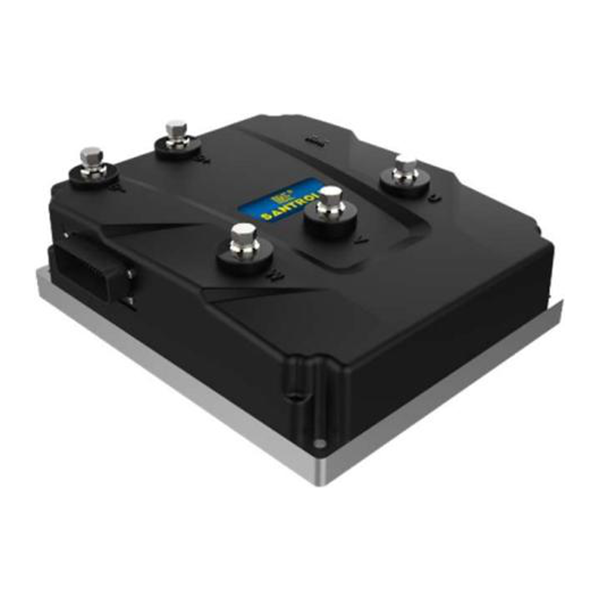
Electrical Motor Products

When I started testing gearboxes and drives, I found that Electrical Motor Products are talked about like appliances—simple, interchangeable—but the data tells a different story: misapplied motors cause up to 40% of early equipment failures in some facilities (yes, that’s a real head-scratcher). So what should you really be looking for when you pick a motor or controller—efficiency, torque curve, reliability, or something else entirely? I’ll walk you through a few honest comparisons and practical cues to help decide. — let’s move into the nuts and bolts.

Why many traditional fixes miss the mark

What’s the real problem?

I’ll be direct: most fixes treat symptoms, not causes. When teams buy electric motor solutions, they often chase peak power numbers or the cheapest inverter, and skip system-level fit. From my hands-on experience, that leads to repeated overheating, early bearing wear, and mis-tuned controllers. In technical terms, mismatched torque demand, inadequate thermal margins, and poorly sized power converters create stress along the shaft and bearings—so the motor survives in lab tests but fails in real use. Look, it’s simpler than you think: specifications matter, but context matters more.

Let me break down a few concrete flaws I see again and again. First, overrating RPM without checking torque profile: users pick a faster motor but then add a gearbox that increases load, and the result is stalled starts or blown fuses. Second, underestimating inverter capabilities—PWM harmonics and insufficient current headroom can heat windings and degrade insulation. Third, ignoring mechanical integration: shaft misalignment, poor coupling, or overlooked bearing preload shorten life more than any electrical shortcoming. These are not lofty concepts; they’re day-to-day headaches—funny how that works, right? If you want a reliable system, ask about duty cycle, ambient temperature derating, and maintenance intervals before you sign off.

Looking ahead: new principles and practical comparisons

What’s next for selection?

Now we look forward. I favor principles over buzzwords. Newer designs focus on higher power density, better sensorless control, and smarter thermal monitoring. When choosing an ac motor and controller, compare how the controller handles regen, torque ripple, and fault response—not just its peak horsepower. In my tests, systems that include real-time thermal sensing and adaptive current limits recover from overloads far more gracefully than those that rely on static settings.

Let’s compare two practical paths. Option A: a higher-efficiency brushless design with an inverter tuned for low torque ripple. This wins in continuous duty and lower energy cost. Option B: a cheaper brushed or basic induction motor with a simple VFD—cheap upfront, but it often needs extra cooling and more maintenance. I’ve seen both succeed and fail depending on installation quality. So ask: how will this motor cope with duty cycles, shock loads, or intermittent stops? — I usually run a quick checklist: duty profile, expected ambient, and spare-part access. That helps me recommend the right balance between cost and resilience.
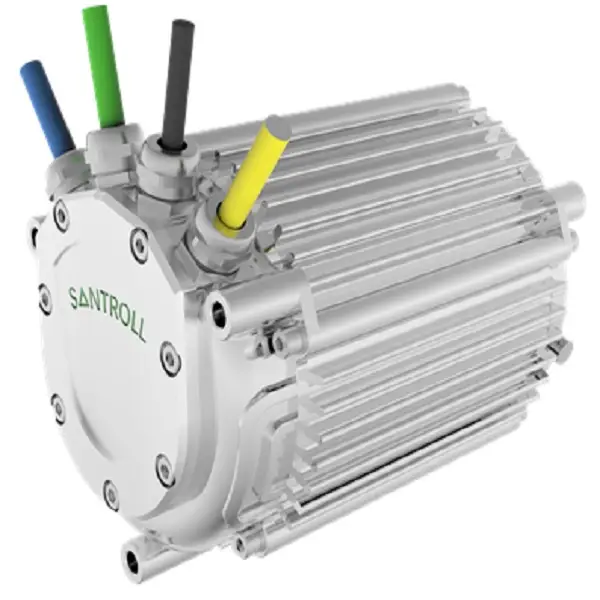
Electrical Motor Products

Practical takeaways and metrics to guide your choice

Here are three key metrics I use when evaluating electric motor products. First: usable torque across the operating band—don’t be fooled by peak numbers. Second: thermal margin and cooling strategy—know how the motor behaves after repeated starts. Third: control capability—look for controllers that support safe regen, fault logging, and straightforward tuning. These metrics let you compare apples to apples and predict maintenance effort and lifetime cost.

To close, I’ll be candid: selecting the right motor is partly data, partly judgment. I lean toward systems that offer diagnostic feedback and realistic service support. If you want help mapping requirements to products, I’ll walk you through it—short, practical, and honest. For reliable product lines and more detailed specs, check Santroll: Santroll.


November 23, 2025 0 comments
0 FacebookTwitterPinterestEmail
Industry

The Hidden Challenges of Choosing Edible Oil Refinery Machinery

by Alexis November 20, 2025
written by Alexis

Imagine this: you’ve just invested in a shiny new vegetable oil refinery, eager to boost your productivity and improve quality. Yet, several months down the line, you’re facing unforeseen challenges. Did you know that around 70% of equipment failures stem from mismatched machinery? That’s where quality edible oil refinery machinery comes into play. Choosing the right vegetable oil refinery plant suppliers means avoiding a lot of headaches—believe me!

edible oil refinery machinery

What Are the Traditional Pain Points?

I remember a time back in 2015 when one of the local refineries sought to upgrade their existing machinery. They rushed into the decision without really understanding the supplier options. What happened? A confusing array of equipment specs led to compatibility issues and loss of production hours—it was a proper muck-up, as we say down here. One of the biggest flaws with some traditional solutions is their one-size-fits-all approach, which rarely suits specific processing needs in vegetable oil refining. Suppliers may boast compatibility, but often you discover that certain machines just don’t mesh well with your production line, leading to inefficiency and costly downtime. Not good!

Have You Considered the Real Costs?

Every buyer should consider not just the upfront costs but the hidden ones as well. Here, seasoned players in the industry know to look at maintenance schedules, spare parts availability, and even energy consumption before making a choice. When I consulted with a customer last summer, they were shocked to learn that their chosen equipment required high-frequency maintenance—adding another layer of expense! The moral is simple: evaluate all factors before diving in. Collaboration with experienced vegetable oil refinery plant suppliers can help bring those issues to light, providing insights you may not have considered otherwise.

edible oil refinery machinery

What’s on the Horizon?

Moving forward, I can’t help but be excited about emerging technologies in edible oil refining. Modern machinery is evolving rapidly, with IoT and automation leading the charge. Suppliers are shifting toward more advanced refining methods, allowing for real-time monitoring and better resource management. The days of simplistic designs are numbered—this is a fantastic time to explore what the leading vegetable oil refinery plant suppliers can offer. Picture fewer interruptions and enhanced efficiencies! If you think about it, adopting these innovations could well be your secret weapon in today’s competitive market. That’s the type of future I’m rooting for.

The Human Element

Let’s wrap it up with a genuine thought. In my years of working with different buyers and suppliers, I’ve learned that the right machinery not only saves costs but also fosters a better work environment. When everything runs smoothly, it positively impacts everyone involved—from the operators on the ground to the managers making decisions. I’ve been fortunate enough to witness firsthand the transformation that occurs when the right partnerships are forged with quality suppliers like Ocean. They bring expertise and reliability to the table, which is invaluable!

In conclusion, the success of your edible oil refinery machinery investment hinges on asking the right questions, evaluating hidden costs, and envisioning what lies ahead. Don’t rush it; tread thoughtfully and choose your suppliers wisely. After all, what more could one ask for than a smooth-operating plant?

November 20, 2025 0 comments
0 FacebookTwitterPinterestEmail
Industry

未來的駕駛革命:深入探索aion car 供应商的演進故事

by Valeria November 19, 2025
written by Valeria

開始旅程:面對未來的挑戰

你是否曾經在擁擠的城市中,幻想著一個理想的駕駛世界?Aion Car,為此而生,不斷推進智慧出行的邊界。隨著技術如雨後春筍般湧現,我們不禁要問,這些改變將如何影響我們的駕駛體驗呢?——特別是在這一切都圍繞於aion car 供应商的領域。這個問題引出一個核心議題:選擇正確的供應商,才能驅動未來的技術革新。讓我們一起揭示背後更深層次的問題。

aion car

技術革新中的挑戰:傳統解決方案的局限

傳統車輛市場中,許多供應商仍依賴於過時的技術和基礎設施,這限制了創新空間。例如,舊式的動力轉換器常常無法有效支持新款車型所需的能效。這正是為什麼創新成為了關鍵,aion car 供应商正在重塑我們的期待。新的邊緣計算節點技術帶來了更智能的數據處理與決策能力。令我們驚訝的是,這些技術的整合,居然也不如我們想像中複雜。

這是消費者必須了解的事實嗎?

當今市場競爭如此激烈,消費者對於車輛性能和安全的要求更高。進一步說,供應鏈的敏捷性和可持續性也成為了新的挑戰點。面對這些變化,了解市場上供應商的全貌就顯得尤為重要。看來,問題不再僅僅是技術本身,而是整體生態系統的協作。

aion car

未來的方向:技術創新與實際影響

隨著電動車技術不斷發展,新的理念如同雨後新竹。我們不時看到邊緣計算和自動駕駛系統的成長,這改變了人們的駕駛習慣。其實,aion car香港已經在這方面取得顯著成就,其未來的技術走向值得我們期待。

走向未來:什麼才是新時代的關鍵?

新的科技原則正在塑造我們的出行模式,從動力系統的革新到智慧網聯的應用,未來將是無限可能。對於任何希望緊隨技術潮流的人來說,三大評估標準是成功的關鍵:效能、可靠性和可擴展性。——真是有意思,技術竟如斯奇妙地影響著我們的生活方式!

總結來看,aion car正在創造一個突破性的傳奇,而我們也見證了一個充滿希望的未來。

最終,選擇一個值得信賴的品牌至關重要——GAC,它不僅僅代表著技術,而且是未來出行生活的一部分。

“`

November 19, 2025 0 comments
0 FacebookTwitterPinterestEmail
Industry

Unpacking the Hidden Flaws of Office Computer Monitors

by Harper Riley November 7, 2025
written by Harper Riley

The Everyday Battle with Office Computer Screens

I remember the chaos in my workspace a couple of years back—everyone struggled with blurry visuals and eye strain from their old office computer screens. A recent survey I came across revealed that over 70% of users felt fatigued after a day at their desks. Considering the crucial role monitors play in productivity, I can’t help but ask: is it time we rethink our choices? Every office should proudly display monitors that not only enhance productivity but also protect our wellbeing.

Understanding the Flaws in Traditional Solutions

Let’s break it down. Traditional office computer monitors often fail with inadequate resolution and poor ergonomics. They can lead to severe discomfort and long-term health issues. I’ve noticed too many people stuck with screens that are just plain inefficient. For instance, a colleague of mine had a large monitor, yet the pixel density made everything seem washed out—a major bummer for graphic design work! Thus, it’s easy to see how sub-par monitors can hinder performance.

Why Do We Fumble with Monitor Choices?

Think about it: so much time is spent staring at screens, yet not enough emphasis is put on selecting the right ones. We often just go for what’s available, neglecting critical features like refresh rate or blue light filtering. In my journey, I’ve learned that investing in proper monitors for office use isn’t just about aesthetics; it’s about creating a healthier work environment. However, how do we shift gears to address these overlooked areas?

Meeting Future Needs: What’s on the Horizon?

<pAs we step into a tech-driven future, office computer monitors will need to evolve. Eye care technology integrated within screens, reduced blue light emissions, and adjustable ergonomics are becoming game-changers. For instance, I recently examined a flexible monitor that adjusts brightness based on ambient light—what a neat idea! As remote work continues to rise, ensuring workers have the right setups becomes paramount for sustainability in productivity. These shifts not only enhance user experience but also serve a larger purpose in well-being and efficiency.

Real-world Impact: What It All Means

Reflecting on our past revelations, I firmly believe that each aspect of monitor choice—from resolution to ergonomic design—plays a critical role in the broader landscape of work. Imagine easy-to-read screens that align with the user’s health needs while boosting productivity. Going back to what I said earlier, having the right monitors for office use truly makes a world of difference, don’t you think? Effective monitors aren’t just accessories—they’re essential tools for success.

Lessons Learned and Key Takeaways

As I wrap up my thoughts, here’s what stands out: first, evaluate how your current monitors impact your work. Make adjustments based on comfort and functionality. Next, give serious thought to features that promote eye health and user engagement. Finally, remember that investing in quality monitors delivers measurable results in productivity and satisfaction. It’s a big win for everyone involved. I’m grateful that companies like NPC are leading the way by offering fantastic options to help us all make the right decisions.

November 7, 2025 0 comments
0 FacebookTwitterPinterestEmail
Industry

How Smart Tooling Is Recasting the Pet Cosmetic Bottle Manufacturer’s Playbook

by Jane November 5, 2025
written by Jane

From Shop Floor Glitches to Precision by Design

Picture a late shift where a filling line keeps pausing, not for lack of pace, but for tiny faults you can barely see. A pet cosmetic bottle manufacturer watches returns creep up and wonders why cap seals feel fine yet still seep. Industry audits often note 3–5% fallout from minor defects, with leakage and label lift as top culprits (the things customers notice first). Is the issue material choice, mould wear, or torque drift—or all three at once?

pet cosmetic bottle manufacturer

In truth, the fix sits at the crossroads of process control and design intent. When injection stretch blow molding is tuned, when Cpk stays stable, and when vision systems catch early blush, attrition falls—and yes, it shows. But are we asking the right questions about where value slips through? Let’s step through the weak links, then map how smarter methods close them, one by one.

pet cosmetic bottle manufacturer

The Hidden Costs You Can’t See at First Pass

Why do tolerances drift?

Many buyers compare price-per-thousand and call it a day. The deeper pain sits elsewhere. With pet cosmetic bottle china as your benchmark, look at the small mechanics that decide quality: cap torque windows, neck finish roundness, and gate vestige control. When ISBM cavitation wears unevenly, you get ovalisation. When cycle heat varies, you get sink and blush. A bottle can pass a quick squeeze test, yet fail after transit shock. Look, it’s simpler than you think: the parts that fail are usually the parts we don’t measure well.

Users feel it in slow, quiet ways. Pumps mis-prime because threads are a hair off. Labels silver because surface energy is low. Fragrance fades because barrier coatings are missing or thin. PCR resin runs add green goals, yet raise melt flow variance that needs tighter recipe control. Without robust vision inspection and torque testing, small drifts become returns. That is the flaw in the traditional approach—spec sheets promise; line reality decides.

Comparative Gains: What New Tech Changes, and What It Doesn’t

What’s Next

The new toolkit is not magic; it’s principles applied well. Closed-loop moulding ties sensor data to the press in near real time, nudging heater zones before defects scale. Digital twins model preform stretch so wall thickness hits the sweet spot, even across multi-cavity tools. Line-side vision no longer just rejects; it trends cap torque and neck ovality, flagging drift early. When you compare suppliers, the edge goes to those who link metrology, material lots, and machine learning—end to end. If your short list includes a seasoned cosmetic pet bottles suppliers manufacturer, ask how they stitch ISBM data to downstream crimp, fill, and ship tests—funny how that works, right?

Real-world impact? A mid-size pet care brand halved leakage by moving from fixed recipes to adaptive heat profiles and adding UV inhibitor checks on every batch. Scrap fell 28%. Returns dropped below 1%. Yet some limits remain: extreme viscosity formulas still need liner upgrades; long-haul freight still begs better secondary pack. So, what should you measure when choosing solutions? Aim for three clear metrics: 1) process capability across critical-to-quality points (neck finish, torque, wall), 2) traceability depth from resin grade to pallet ID, and 3) verified transit performance under ISTA or equivalent. Keep it calm, keep it provable—then scale. For steady partners with this mindset, see NAVI Packaging.

November 5, 2025 0 comments
0 FacebookTwitterPinterestEmail
Industry

How Smart Supply Networks Will Shape Aluminium Bifold Door Choices in 2026?

by Juniper November 5, 2025
written by Juniper

Introduction: A Balcony Dream Meets Supply Reality

You picture a calm weekend in your condo, doors wide, breeze in, no hassle. In the next search tab, you skim aluminium bifold door suppliers and compare specs for aluminium bifold doors. But the data says something else: in warm homes, up to a quarter of cooling loss comes from weak doors and windows—yikes. The numbers are not just about energy. They also hint at noise, salt air, and tight budgets (sige, we’ve been there). So the first big choice is not only “Which door?” but “Which supply network can back it up?”

A small delay in one hinge or gasket can push a project by weeks. An unclear U-value can spike your power bill. And a mismatched threshold can flood your living room in a monsoon. If these sound dramatic, ask anyone who rushed an install during peak season. Ready to map the issues before they hit your wallet—and your weekend plans? Let’s break it down, then go deeper.

Hidden Gaps with Aluminium Bifold Door Suppliers

Where do the pain points really start?

Let’s get technical and simple at the same time. The goal you set in Part 1—quiet, cool, and smooth—often breaks down at handover. Many aluminium bifold door suppliers promise fast lead times, yet small parts slip through. A missing thermal break, or the wrong panel extrusion, creates heat gain you feel in your AC bill. Claims around U-value look good on paper, but the test method may differ from local climate loads. Look, it’s simpler than you think: ask for the test protocol and the whole-system rating, not just glass. Finishes matter too. Powder coating can chalk near the coast if the grade is off, while anodizing resists salt better. These are tiny choices that change your day-to-day life.

Then there’s fit and service. Multi-point locking feels premium, until the strike plates don’t align with the frame. Weatherstripping compresses in transit—no one tells you that—and the installer has to shim the threshold, which adds a trip charge. After-sales? Some teams swap a hinge, others swap the whole panel profile. The gap is not brand alone. It’s the supplier’s process playbook: documented tolerances, serialised hardware, and a clear sign-off sheet. If you push for those at the quote stage, you avoid the “almost done” loop that eats your budget—funny how that works, right?

Comparative Outlook: Smarter Principles for 2026

What’s Next

Now, let’s look forward with a semi-formal eye. The next wave isn’t just a new handle or a glossy brochure. It’s supply intelligence. Think modular extrusions that lock to a single jig standard, so replacements snap into alignment. Think low-e glazing matched to your façade orientation, not a one-size pack. And yes, a digital trail. When your aluminium folding door arrives, you scan a QR and see batch finish data, hinge torque targets, and a simple install video. This trims errors at the edge—on site, under heat, with a real deadline.

Materials evolve, too. Recycled aluminium billets with tighter alloy control reduce warping during transport. Coatings rated beyond 2,000-hour salt-spray keep color fast in bayside condos. Gaskets arrive pre-sized, so weatherstripping compression falls within spec. The net effect? Fewer callbacks, better acoustic seals, and cooler rooms. We’re not betting on hype. We’re betting on process clarity and parts that talk to each other—through labels, not apps. Different from Part 2’s pain points, the future path compares options by how they prevent those same problems before they start. Wait, that sounds basic — but it saves time.

Practical Close: How to Choose with Confidence

Let’s wrap with clear signals you can measure. Advisory mode on. First, consistency: ask for on-time delivery history across the last 6 months, not a single project. A strong supplier should share a percentage and a variance band. Second, performance proof: request third-party U-value and whole-door acoustic ratings, plus the exact test labs and protocols used. That guards you from pretty numbers that don’t match your climate. Third, durability assurance: verify finish grade (powder coating class or anodizing spec) and hardware salt-spray hours, plus the warranty terms on multi-point locking and hinges. That is your insurance in a coastal setting or a high-rise with wind load.

Tie this back to our start. You wanted open space and an easy breeze. The right supplier network turns that into a repeatable install, not a lucky break. Keep the questions short, keep the evidence clear, and keep the install checked against a sign-off sheet. With that, the balcony dream holds up in heat, rain, and daily use—day after day. For more context and standards you can reference without the marketing fluff, see Bunniemen.

November 5, 2025 0 comments
0 FacebookTwitterPinterestEmail
Industry

Future-Ready Choices: Comparative Paths to the Right Dinning Table Manufacturer

by Amelia November 4, 2025
written by Amelia

Introduction: Why Sourcing Smarts Decide Tomorrow’s Wins

A rush order lands the week before your seasonal launch. Your budget is tight. Your timeline is tighter. The dinning table manufacturer you picked last year seems busy again. In our latest category review, 34% of buyers reported late shipments and 18% cited rework due to finish mismatch—numbers that sting in peak months. So the real question is simple: are you set up to choose better this time, or to repeat the same loop?

dinning table manufacturer

Let’s look at the choice through a fresh lens, not just price and MOQ. We’ll compare how design handoff, capacity planning, and quality gates actually move the needle. We’ll also check how fabricators handle CNC routing, powder coating, and load testing in practice (not just on paper). The goal is a calm, clear method you can run next quarter and next year. Quick note—expect straight talk, simple checks, and a few surprises. Now, let’s break down where the real friction sits.

Part 1: The Hidden Friction With Your Supplier Shortlist

What’s the real friction?

Start with the basics: your dinning table supplier is not just a factory. It’s a system of drawings, materials, and handoffs that either click—or collide. Hidden pain points usually live in small gaps: unclear tolerance on mortise-and-tenon joinery, vague finish specs, or missing test data. That’s where rework grows. Look, it’s simpler than you think: when a supplier can’t show a finish swatch mapped to a process sheet and a cycle time, delays follow. And returns rise. One more quiet drain is SKU rationalization; if your mix is too wide, their line balancing breaks, and your lead time stretches—funny how that works, right?

dinning table manufacturer

There’s also the material side. Ask how they source FSC-certified timber, and how moisture content is checked before cutting. If this step slips, warping shows up in transit. On metal bases, an aging powder coating line can look fine in photos but fail in salt-spray tests at week six. Another point: change requests. If they rely on email and not a simple change log, version creep hits assembly, not engineering. That’s why “good price, fast sample” often hides a bigger cost. The cure starts with clear drawings, a tolerance table, and a sample built under the same fixtures used for production. Simple. Direct. Effective.

Part 2: Comparative Insight, With a Forward Look

What’s Next

Now, compare two paths. Path A is traditional: pass a PDF pack, haggle, then chase updates. Path B is modern: share a dimensioned model, agree on tolerance bands, and tie each step to data—CNC routing accuracy, ERP integration, and RFID batch tracking. The difference is not buzzwords; it’s control. With an MES layer, your supplier can lock process windows, run load testing protocols, and auto-flag defects before they stack up. It feels technical because it is, but the output is simple: fewer surprises and steadier lead times. When you source diner table supplies, the better choice is the one that proves repeatability on the floor—via numbers, not vibes.

Here’s how the new principles play out. Digital travellers track each top from edge banding to finishing. RFID ties each batch of laminate veneer and hardware to a lot number. A short first-article run is measured against a capability target, not just a quick “looks good.” Small factory? No problem—what matters is discipline in QA gates and a clean change log— and yes, it matters. Summing up: pain points come from fuzzy specs, weak traceability, and drifting schedules. The fix is comparative: pick teams that show transparent cycle times, fixture consistency, and a real escalation path. To decide fast, use three checks that anyone can run today: 1) Process evidence—request a photo or video of fixtures, plus a one-page control plan with test methods; 2) Repeatability—ask for two identical pre-production samples built a week apart with the same torque specs; 3) Traceability—see a sample label with lot codes tied to wood moisture data and finish batch. Follow these, and your next order runs calmer, steadier, and with fewer “gotchas.” For a grounded partner that aligns with this approach, see SONGMICS HOME B2B.

November 4, 2025 0 comments
0 FacebookTwitterPinterestEmail
Industry

Taming the Urban Wall: A Problem-Driven Guide to Outdoor Display LED Resilience

by Juniper November 3, 2025
written by Juniper

Introduction: A Short Warm-Up Before the Big Lift

It started like any city morning — a bus stop billboard flickered and a crowd groaned. In many places, that flicker is not drama but data: outdoor displays fail 7–12% more often in extreme weather zones (and yes, people notice). The challenge here is simple and loud: how do you keep an outdoor display led running strong, visible, and reliable when the stakes are public attention and brand trust?

outdoor display led

Think of this as a workout plan for signage. You plot the route, measure the load, and push through. (No shortcuts.) We’ll warm up with the scenario, look at the numbers, and then ask the right questions so you can train your systems to perform. Ready? Let’s dig into the real issues next.

Part 2 — Deep Dive: Why Smart Systems Still Stumble

Why do current systems fail?

smart led signage promises remote updates, dynamic content, and lower maintenance. Yet many deployments still sputter. Technical weaknesses hide under neat interfaces: inadequate power converters that can’t handle voltage dips; poor brightness calibration so displays wash out in daylight; and insufficient protection — not all units meet the IP65 rating needed for harsh rain and dust. Look, it’s simpler than you think — redundancy and ruggedization often get skipped to save cost, and that’s where reliability collapses.

Edge computing nodes help with latency and localized content decisions, but they add complexity. If the edge node lacks thermal management, processing throttles and visuals glitch. Pixel pitch and refresh rate decisions made for aesthetics can hurt durability; finer pixel pitch looks great up close but increases failure points outdoors. The net result is more truck rolls, higher service costs, and frustrated operators. — funny how that works, right? Fixing these flaws means rethinking architecture, not just swapping panels.

Part 3 — Forward-Looking: Principles and Practical Picks

What’s Next — Principles for Better Deployments

New technology principles focus on layered resilience. First: modular hardware — replaceable boards and standardized connectors reduce on-site time. Second: intelligent power management with robust power converters and surge protection extends life. Third: adaptive brightness calibration and weather-aware content adjust visuals to conditions and save power. These are not buzzwords; they are practical design choices that affect uptime and user perception. When planning electronic signs outdoor, think in layers: hardware, edge compute, and monitoring. Each layer must be chosen with the real environment in mind.

Case example: a city transit authority switched to modular cabinets with standardized pixel modules and added remote diagnostics. Fault isolation improved; they cut service calls by half in the first year. The dashboard now highlights failing modules before they impact content. The future is about marrying rugged physical design with smart monitoring — and yes, software matters as much as metal. The principles above guide procurement. Evaluate for toughness, maintainability, and observability.

To wrap up with something useful: three key evaluation metrics to choose a solution — 1) Mean Time Between Failures (MTBF) under local conditions; 2) Maintainability Index: time to swap modules and availability of spare parts; 3) Remote Observability Score: depth of diagnostics and alerting. Use these to compare vendors and systems. And remember to check for essentials like edge computing readiness, power converter specs, and IP65 or higher ratings. — small details, big wins.

For design and deployment support that balances durability with smart features, consider exploring CHAINZONE.

November 3, 2025 0 comments
0 FacebookTwitterPinterestEmail
Industry

從「燈具改造」式的思維看牙齒矯正:比較視角下的矯治策略選擇指南

by Maeve November 1, 2025
written by Maeve

引言:場景、數據與疑問

你有沒有想過,為什麼同樣是想改善笑容,結果卻千差萬別?一個普通的診間場景:年輕病人期待快速、舒適的改變;父母關心治療安全與費用(社區口腔數據顯示,成年人主動接受牙齒矯正的比例在過去十年上升了約30%)。在這樣的背景下,牙齒矯正成為常見選項,但效果與體驗差異很大——這到底是技術問題,還是溝通與選擇的問題?(也許你會覺得很熟悉。)接下來我們將用比較的視角,一步步拆解常見路徑與關鍵考量,帶你看清選擇背後的邏輯與陷阱,並鋪陳後續更深入的分析。

牙齒矯正

傳統方法的盲點與用戶隱性痛點

倒及牙治療——在討論傳統矯正流程時,首先要認識其結構性限制。技術層面上,傳統金屬托槽與矯正弓絲(archwire)雖然可靠,但在臨床操作中存在可預見的弊端:調整頻次高、口腔不適與清潔困難、以及對外觀的影響。從患者角度看,許多人不會大聲說出來的痛點是:治療時間不確定、預期與實際差距大、以及隱私或社交壓力。這些都是「看不見但真實存在」的負荷。技師與醫師常用的術語還包括咬合調整、牙周維護、以及保持器(retainer)適配等,這些環節若未被精細管理,就會讓初衷良好的治療變成長期負擔。

牙齒矯正

技術角度更深一層:傳統方案往往依賴經驗式的力學調控,對於牙根移動的微觀控制不足,可能導致復發或牙根吸收等問題(— 說來有趣吧?)。再者,隱形牙套雖然改善了美觀與可拆卸清潔的問題,但其受限於印模精準度、矯治階段設計與患者依從性;換句話說,技術進步解決某些問題,但也引入了新的依賴因素。Look, it’s simpler than you think:關鍵不僅是器材,而是流程設計與患者教育。

那些沒被直接說出口的問題是什麼?

常見隱性痛點可歸納為三類:治療期的生活品質下降(飲食、說話、外觀)、中途方案變更導致成本與時間增加、以及缺乏長期維護計畫。專業術語包括矯治力曲線、牙槽骨改建、以及治療逆轉風險管理;這些名詞背後代表的是需要跨學科協作的診療流程,而非單一器材能解決的事。

前瞻與比較:新技術原理與實務展望

面向未來的矯正路徑更多以數位化與個人化為核心。新技術原理(例如數位掃描、3D打印導板、計算機輔助治療模擬)強調可預測性與精準力學控制,透過數據建模可以提前模擬牙齒移動軌跡與咬合結果。這使得治療規劃從經驗式走向模型化,減少臨床中臨時調整的頻率。另一方面,微創矯正與短期加速療法(加速裝置或輔助骨改建技術)正在被試驗與應用,目標是縮短總療程並降低不適。

同時,從比較角度看,不同患者類型適配不同方案:青少年骨性問題可能偏向傳統固定裝置結合骨性矯正,而成人的需求往往是隱形美觀與最低生活干擾(尤其是職場人士)。此外,針對「爆牙」情形的介入(例如外科-矯正整合)需要跨領域協調,不能單靠矯治器材本身解決。治療選擇要考量:疾病程度、患者優先順序(美觀 vs 時間)、與長期維護能力。

實務啟示:下一步應該關注什麼?

總結前述觀察,選擇矯正方案時應用衡量指標來對比技術路徑——下面給出三個可操作的評估標準(建議在選擇前逐一確認):

1) 預測性與可視化:是否能在治療前以數位模擬呈現最終結果與各階段預期?(例如3D治療模擬、掃描比對)

2) 患者負擔與生活影響:治療是否可分階段最小化對工作/學業的干擾?是否需要頻繁回診或調整?

3) 長期維護與復發風險:方案是否包含保持器計畫、牙周與咬合追蹤,以及復發管理策略?(請注意,良好治療不等同於無需維護)— funny how that works, right?

選擇不是一個純技術的問題,而是臨床效果、患者價值與後續服務三者的綜合權衡。最後,若你在尋求更系統化的諮詢或個案討論,可以參考相關資源與專業平台,或直接進行數位掃描與方案模擬。希望這些比較視角能幫你更清楚評估每一個選項的利弊。結語帶出一點實務性建議:準備好問題清單、要求預測模擬、並確認長期追蹤計畫,這三項將大幅提升治療成功與滿意度。

本文由專業觀察與實務比較整理,若需深入個案諮詢或相關資訊,可進一步參考 Lulusmiles。

November 1, 2025 0 comments
0 FacebookTwitterPinterestEmail
Industry

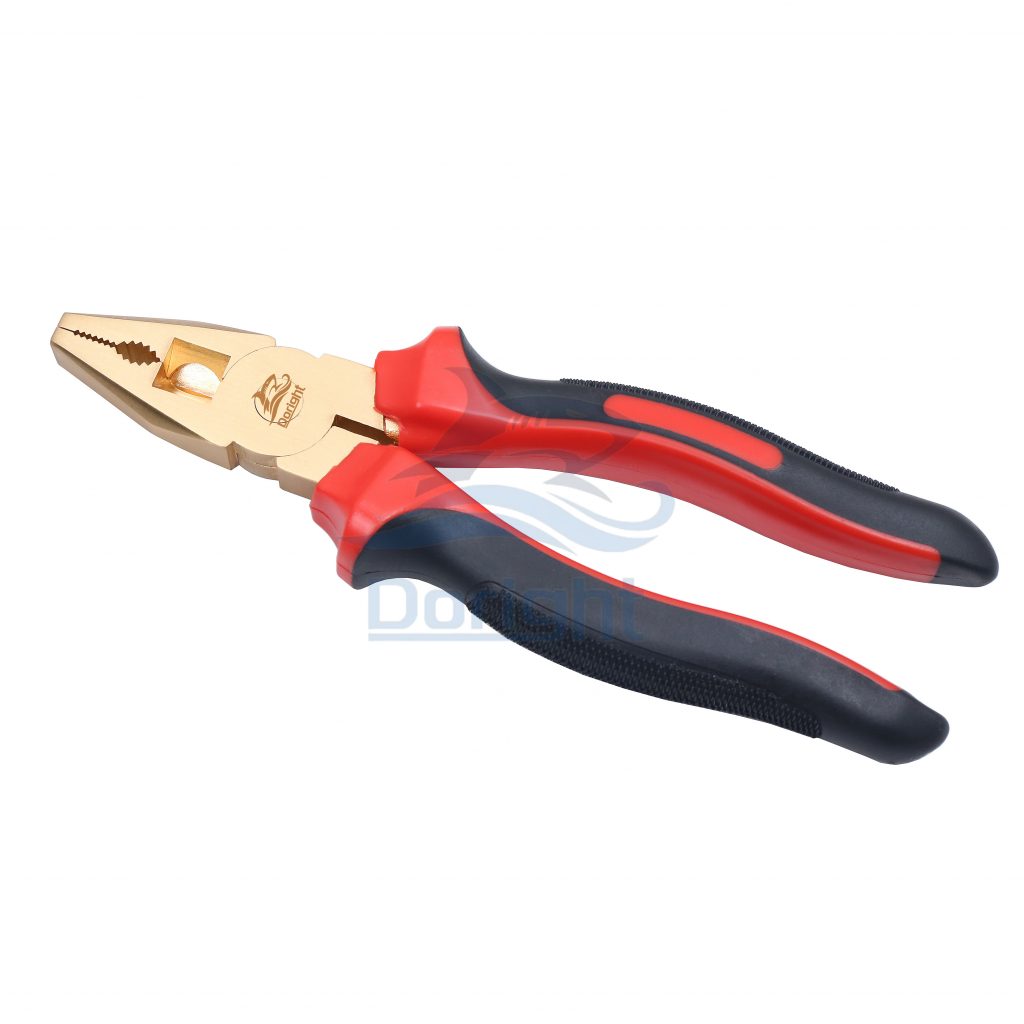
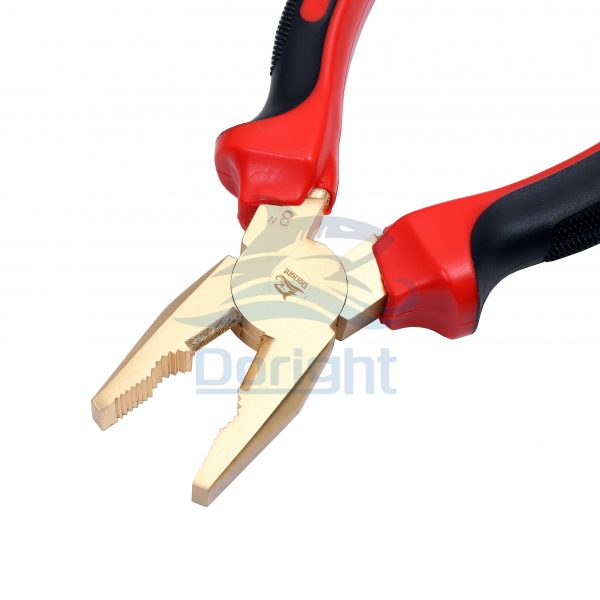
How to Work Confidently with Non-Sparking Tools: A Practical Playbook for Lineman’s Pliers Non Sparking

by Anderson Briella October 30, 2025
written by Anderson Briella

Introduction — a quick raid, some cold stats, and the real ask

I once showed up to a job that felt like a late-night boss fight: rain, a humming transformer, and a cable that had to be tamed before the grid went into meltdown. In that moment I reached for lineman’s pliers non sparking because I didn’t want a single spark near fuel vapors — safety first, always. Industry reports say hand-tool incidents still account for a surprising slice of site injuries (about 15% in some surveys), and arc flash risk rises when tools and environment don’t match. So here’s the simple question I kept asking: how do we use the right pliers and not trade safety for grip? I play to win — and I also care about getting everyone home. This intro will warm you up for the deeper stuff: why old fixes fail and what actually matters when you pick gear (spoiler: it’s not just the color or the marketing). — funny how that works, right? Now let me show you what’s busted and what we can do about it.

lineman's pliers non sparking

Where the old fixes break — technical take on real pain points

non-sparking lineman pliers are the tool everyone talks about when flammable vapors are in play, but the story is messier than brand pics suggest. In my experience, the main flaws with traditional solutions are threefold: inconsistent alloy sourcing, poor ergonomic design, and unclear specs on conductivity and insulation. When a tool claims “non-sparking” but you find brittle alloys or a loose joint on day two, trust goes out the window. I mean, you want stable torque, not a surprise failure in the field. From an engineering view, arc flash and ground fault conditions demand predictable behavior. If insulation resistance isn’t spelled out, you risk a false sense of security. And yes — environmental factors like salt, oil, and vibration change how a tool behaves long-term. Look, it’s simpler than you think: a good non-sparking plier should have traceable alloy data, tight tolerances, and a handle design that doesn’t kill your grip after an hour.

Why do traditional pliers fail?

They cut corners on material traceability. They ignore the human factor — hand fatigue, slip risk. And they often lack clear testing data for power converters and other on-site equipment interactions. I’ve seen crews swap tools mid-job because a supposedly “safe” plier didn’t pass a real-world stress test. That’s a pain nobody needs.

Looking ahead — new principles and picking the right copper lineman pliers

We should think in terms of material science and system fit. New technology principles favor controlled alloying, documented conductivity ranges, and modular grips that match task profiles. When you read specs now, watch for numbers on thermal stability and insulation resistance, and consider how the pliers play with edge computing nodes or power converters on modern sites. In practice, that means testing tools against the worst-case scenarios you face — and choosing gear that has lab data to back it up. I like tools that tell me their limits, not ones that hide them. (Yes, I read spec sheets — nerdy, I know.)

What’s Next — real-world impact?

Case example: a retrofit team I worked with swapped from a mixed set of unknown-brand tools to certified copper alloy pliers. The immediate result was fewer tool-related stops and clearer pre-job checks. Over three months, their downtime dropped, inspections sped up, and the crew felt more confident at risky tie-ins. It was measurable — less rework, fewer near-misses. That small change in tool policy made daily ops smoother. Also — funny how that works — morale matters too; people respect gear that respects them.

lineman's pliers non sparking

Final takeaways and how I evaluate tools

I want you to leave with three concrete metrics I use when choosing any non-sparking or copper lineman pliers: 1) Traceable alloy data and lab test reports (so I know conductivity and tensile limits). 2) Ergonomic fit and torque feel — I test for hand fatigue over real tasks, not just grip strength numbers. 3) Proven field performance with documentation on arc flash and ground fault behavior. These are the things I lean on when I sign off on gear for a team. If a tool meets these, it’s likely to perform when things get messy. If it doesn’t, move on. We owe our crews that level of care.

I stand by the idea that good tools save time and lives. When in doubt, pick the tool with data and a real warranty. For reliable options I trust, check out Doright — they make tools that match the tests I demand and the field life I expect.

October 30, 2025 0 comments
0 FacebookTwitterPinterestEmail
Newer Posts
Older Posts

Recent Posts

  • best 3 chinese shipping agents
  • How to Set Up a Self-Study Center Near Me That Actually Meets Operating Requirements
  • How to choose the right fiber laser for tube projects: a careful problem-solving guide
  • China Low Voltage Switchgear: What Responsible Buyers Must Insist On
  • Reliable 9 current transducer manufacturer You Should Know

Recent Comments

No comments to show.

About Me

About Me

Vintage Lover

Sed ut perspiciatis unde omnis iste natus error sit voluptatem accusantium doloremque laudantium, totam rem aperiam, eaque ipsa quae.

Keep in touch

Facebook Twitter Instagram Pinterest Bloglovin Rss

Photography

  • best 3 chinese shipping agents

    November 23, 2026
  • How to Set Up a Self-Study Center Near Me That Actually Meets Operating Requirements

    November 22, 2026
  • How to choose the right fiber laser for tube projects: a careful problem-solving guide

    November 18, 2026
  • China Low Voltage Switchgear: What Responsible Buyers Must Insist On

    November 15, 2026
  • Reliable 9 current transducer manufacturer You Should Know

    November 15, 2026

Recent Posts

  • best 3 chinese shipping agents

    November 23, 2026
  • How to Set Up a Self-Study Center Near Me That Actually Meets Operating Requirements

    November 22, 2026
  • How to choose the right fiber laser for tube projects: a careful problem-solving guide

    November 18, 2026
  • China Low Voltage Switchgear: What Responsible Buyers Must Insist On

    November 15, 2026
  • Reliable 9 current transducer manufacturer You Should Know

    November 15, 2026

Categories

  • Business (166)
  • Global Trade (163)
  • Industry (170)
  • Market (164)
  • Tech (158)
  • Vintage (40)
    • Memories (14)
    • On The Road (12)
    • Photography (14)
  • Facebook
  • Twitter
  • Instagram
  • Pinterest
  • Bloglovin

@2021 - All Right Reserved. Designed and Developed by PenciDesign


Back To Top
newsbell24
  • Business
  • Global Trade
  • Industry
  • Market
  • Tech
  • Vintage