
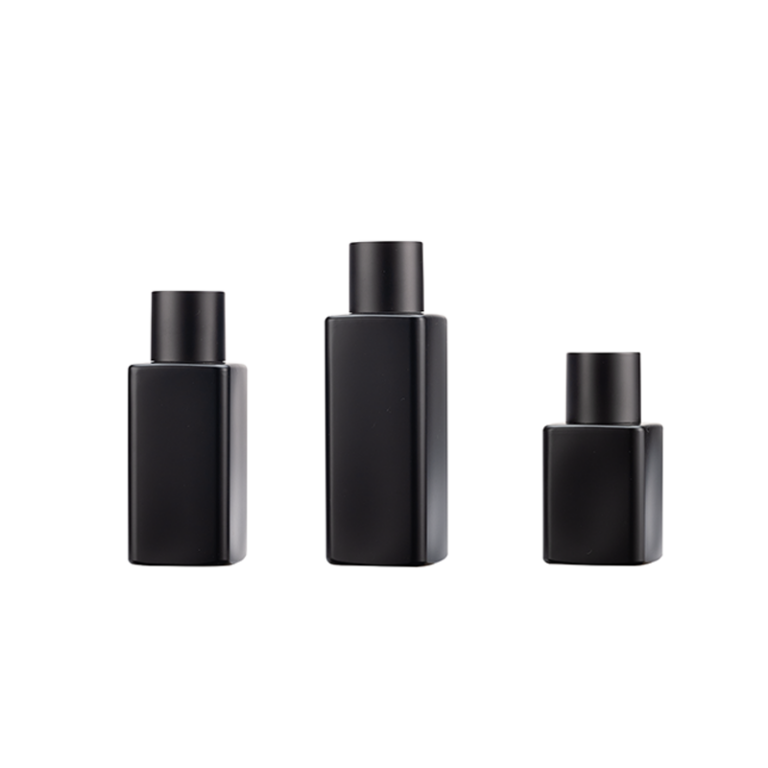
From Shop Floor Glitches to Precision by Design
Picture a late shift where a filling line keeps pausing, not for lack of pace, but for tiny faults you can barely see. A pet cosmetic bottle manufacturer watches returns creep up and wonders why cap seals feel fine yet still seep. Industry audits often note 3–5% fallout from minor defects, with leakage and label lift as top culprits (the things customers notice first). Is the issue material choice, mould wear, or torque drift—or all three at once?

In truth, the fix sits at the crossroads of process control and design intent. When injection stretch blow molding is tuned, when Cpk stays stable, and when vision systems catch early blush, attrition falls—and yes, it shows. But are we asking the right questions about where value slips through? Let’s step through the weak links, then map how smarter methods close them, one by one.
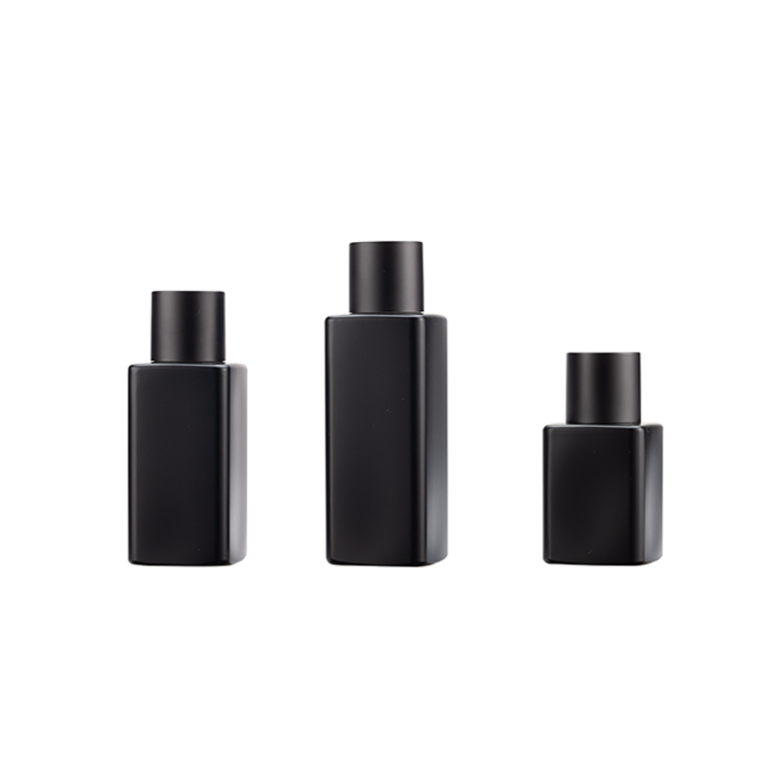
The Hidden Costs You Can’t See at First Pass
Why do tolerances drift?
Many buyers compare price-per-thousand and call it a day. The deeper pain sits elsewhere. With pet cosmetic bottle china as your benchmark, look at the small mechanics that decide quality: cap torque windows, neck finish roundness, and gate vestige control. When ISBM cavitation wears unevenly, you get ovalisation. When cycle heat varies, you get sink and blush. A bottle can pass a quick squeeze test, yet fail after transit shock. Look, it’s simpler than you think: the parts that fail are usually the parts we don’t measure well.
Users feel it in slow, quiet ways. Pumps mis-prime because threads are a hair off. Labels silver because surface energy is low. Fragrance fades because barrier coatings are missing or thin. PCR resin runs add green goals, yet raise melt flow variance that needs tighter recipe control. Without robust vision inspection and torque testing, small drifts become returns. That is the flaw in the traditional approach—spec sheets promise; line reality decides.
Comparative Gains: What New Tech Changes, and What It Doesn’t
What’s Next
The new toolkit is not magic; it’s principles applied well. Closed-loop moulding ties sensor data to the press in near real time, nudging heater zones before defects scale. Digital twins model preform stretch so wall thickness hits the sweet spot, even across multi-cavity tools. Line-side vision no longer just rejects; it trends cap torque and neck ovality, flagging drift early. When you compare suppliers, the edge goes to those who link metrology, material lots, and machine learning—end to end. If your short list includes a seasoned cosmetic pet bottles suppliers manufacturer, ask how they stitch ISBM data to downstream crimp, fill, and ship tests—funny how that works, right?
Real-world impact? A mid-size pet care brand halved leakage by moving from fixed recipes to adaptive heat profiles and adding UV inhibitor checks on every batch. Scrap fell 28%. Returns dropped below 1%. Yet some limits remain: extreme viscosity formulas still need liner upgrades; long-haul freight still begs better secondary pack. So, what should you measure when choosing solutions? Aim for three clear metrics: 1) process capability across critical-to-quality points (neck finish, torque, wall), 2) traceability depth from resin grade to pallet ID, and 3) verified transit performance under ISTA or equivalent. Keep it calm, keep it provable—then scale. For steady partners with this mindset, see NAVI Packaging.