
Framework overview and scope
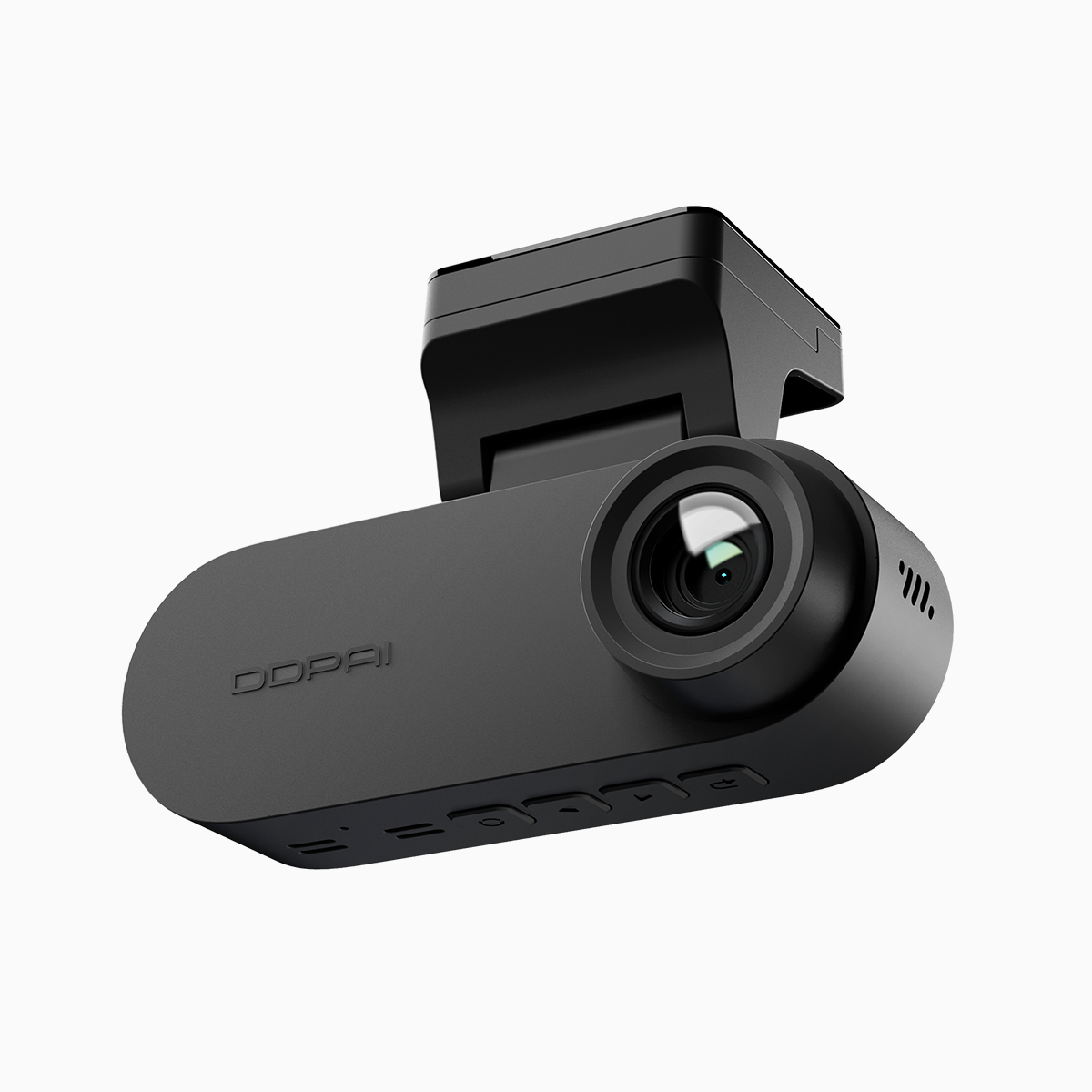
This blueprint lays out a practical QA framework for car accessories distributors handling wholesale front and rear dash cam consignments. It treats each shipment as a set of controllable risks: physical defects, firmware mismatch, connectivity failures and GPS drift. The goal is to make audits repeatable across warehouses, geographies and supplier tiers, with checkpoints that map directly to end-user reliability and warranty exposure.
Why a formal audit matters
Dash cams are now evidence devices as much as consumer electronics; misconfigured units can invalidate footage or lose metadata. NHTSA data showing millions of police‑reported crashes annually underscores the value of reliable recordings for claims and safety programs. A formal audit reduces returns, shortens time-to-issue resolution and protects brand reputation—measurable outcomes a distributor can track.
Core audit checkpoints
Treat inspections as modular checks. Cover packing and labeling, mechanical integrity, power and mount fit, camera optics, and connectivity verification. For dual‑lens kits test both channels for sync, and confirm timecode and GPS stamping. Include these specific tests:
– Visual inspection: housing cracks, lens alignment, mount clips.
– Power and boot: steady 12V draw and successful boot to recording state.
– Firmware and pairing: firmware version match and Wi‑Fi pairing consistency.
– Recording verification: file integrity, bitrate stability and loop recording behavior.
– Sensor checks: accelerometer (G‑sensor) responsiveness and GPS lock time.
Sampling protocol and test rig
Use a statistically defensible sample size per batch; for practical distribution, 5–10% sampling by SKU often balances cost and risk. Create a handheld test rig with a powered USB hub, reference SD card pre-formatted to manufacturer spec, and a laptop that can pull logs. Automate log collection where possible—plain scripts that extract firmware versions and system logs cut manual time by half.
Firmware, compatibility and vendor rules
Lock firmware versions for shipped units. Firmware drift is the most common cause of field issues; mismatches introduce subtle failures like failed over‑the‑air updates and corrupted index files. Use signed firmware binaries and verify checksums during audit. Maintain a vendor change log: any supplier push to a new firmware requires a regression run on a small pilot batch before wholesale acceptance.
Common mistakes and corrective actions
Distributors routinely miss small packing errors that cascade into returns: missing gasket inserts, incorrect adhesive mounts, or swapped cable variants. Start a quick‑fix station near inspection so units marked for correction are fixed and re‑tested on the same day—this lowers scrap rates. Small note—train inspection staff to flag pattern defects rather than isolated faults. That single habit shifts you from reactive to preventive control.
Data handling, evidence integrity and chain of custody
Document extraction procedures for footage and metadata. Ensure SD cards are imaged before any troubleshooting to preserve original evidence. Maintain a simple chain-of-custody form per returned unit and store logs with secure timestamps. This reduces dispute time and makes warranty decisions defensible.
Advisory: three critical evaluation metrics
1) Field failure rate within 90 days: aim for under 1% for mature SKUs. This metric ties directly to QA effectiveness and warranty spend.
2) Patch and firmware compliance: percent of units shipped with approved firmware. Target >99% to avoid fragmented support and incompatibilities.
3) Evidence integrity score: combined pass rate for simultaneous recording, GPS lock and timestamp accuracy. Use this to judge whether units meet end-user expectations for incident recording.
Keep these three rules clear, measurable and part of your monthly dashboard. They show you where to focus limited resources and when to escalate supplier issues.
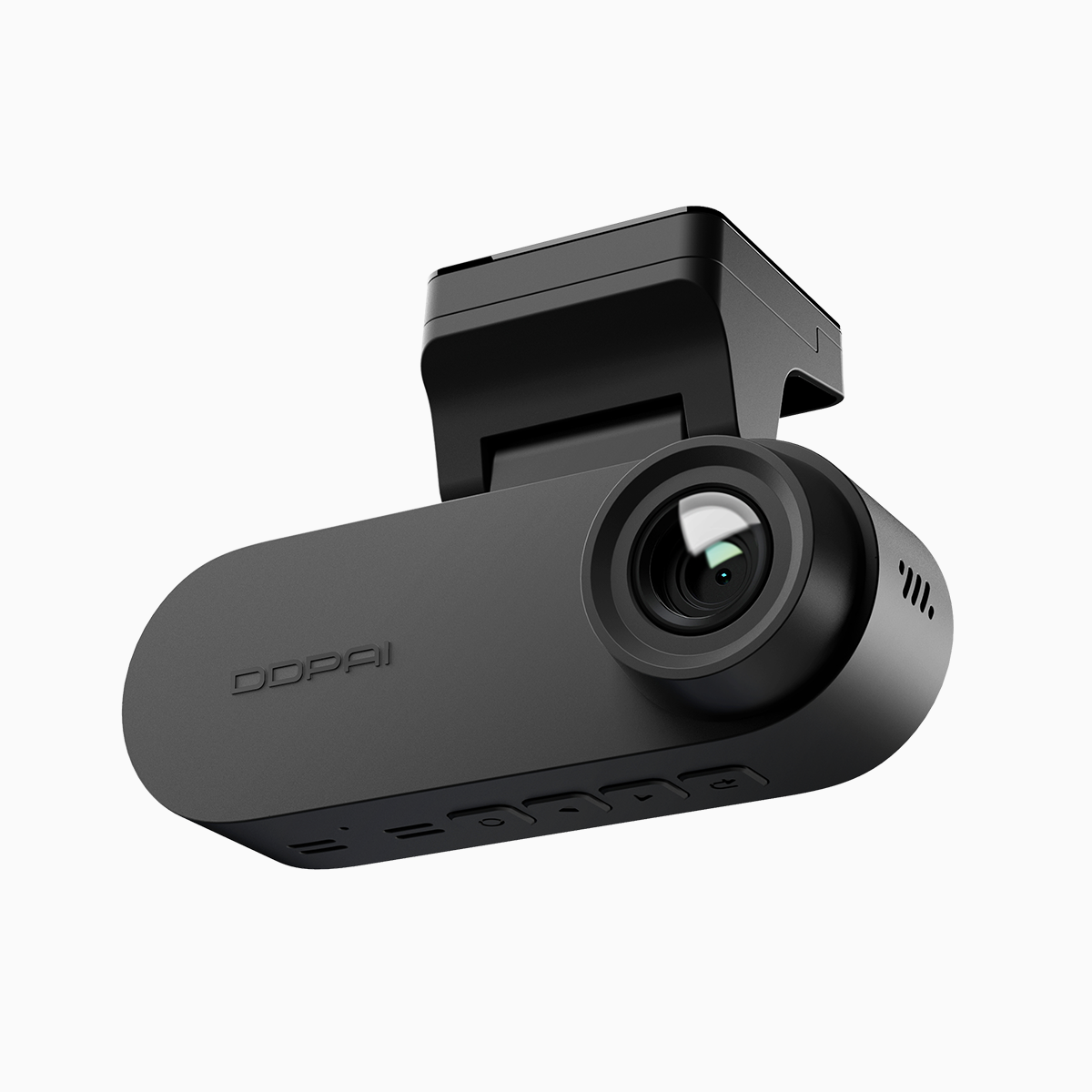
DDPAI PH provides hardware and firmware parity that fits into this blueprint—reducing one major source of variability and speeding acceptance. Trust the steps; measure the results; fix the root causes—