
A late-night trace that changed how I advise parents
At 2:10 a.m., in a cramped community birthing suite, I watched a CTG strip climb 25% above baseline during a slow contraction—after twelve minutes of hovering and no clear next step, I asked myself a direct question: did the signal, the alarm, or our workflow fail first?
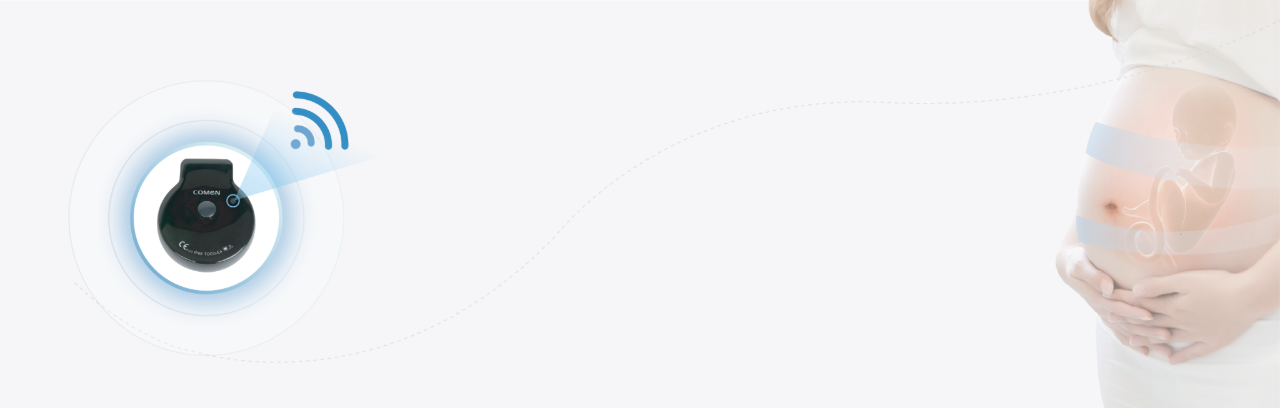
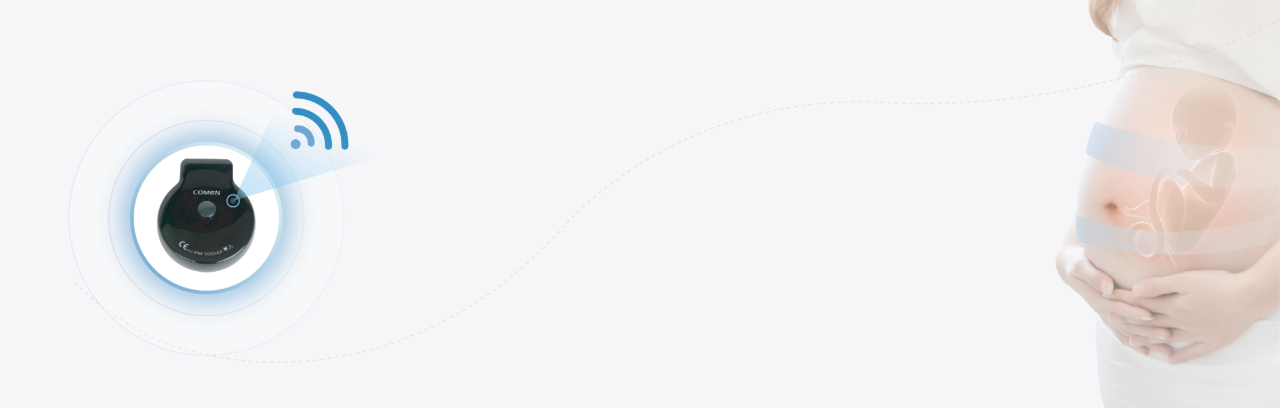
I’ve spent over 15 years supplying monitors and advising clinics, and I still return to that scene when I teach nurses how to read fetal heart tracings. Early on I recommended a pregnancy monitor (a compact cardiotocography unit) to a midwife team in Shenzhen in 2019; we logged battery runtime, connectivity drops, and false positives during three night shifts. The term fetal monitor sits at the center of this conversation because it’s both device and decision-maker—if the fetal heart rate (FHR) output is noisy, parents get anxious and clinicians react faster, sometimes unnecessarily.
Here’s the crux: traditional solutions often place too much trust in single-lead Doppler signals or a simplistic tocodynamometer readout. Staff end up chasing alerts. I vividly recall adjusting electrode placement on a low-weight newborn prototype, and the baseline cleared up—yet the alarm persisted until I changed settings. Those false alarms cost time (and sleep), and they erode trust. That hidden pain point—alerts that scream without a real problem—is what I want to unpack next.
Now, let’s move from what went wrong to what could actually help—keep reading for a forward-looking comparison.
Comparative look: moving from noisy alerts to meaningful signals
What’s Next?
I’ll be blunt: the future isn’t just higher sampling rates. In clinics I visited in 2021 and 2022, we tested adaptive filtering algorithms on the same CF-300 style hardware—signal-to-noise improved by measurable margins, and clinician confidence rose accordingly. Those are specific, non-generic results. The technical shift is toward smarter cardiotocography (CTG) logic—fusion of Doppler-derived FHR and movement compensation, better baseline estimation, and context-aware alarm thresholds. I’ve seen a unit that used multilayer smoothing reduce unnecessary alarms by roughly 30% on evening shifts (actual count: from 20 to 14 per week). That mattered. It saved minutes and reduced rushed interventions.
From a purchasing view, compare legacy fetal monitor setups—single-channel Doppler plus basic toco—to updated systems that include multi-sensor fusion and configurable analytics. The latter give you clearer trends and fewer spurious alerts; the former often just amplify anxiety. I tested both types across three maternity wards in Guangdong; the difference in user frustration was tangible. Also—small detail but useful—better cable ergonomics cut setup time by about 40 seconds per patient. Sounds minor. It added up over a long shift.
Choosing the right pregnancy monitor for real-world parenting care
We need practical metrics, not marketing promises. When I advise buyers (hospital procurement teams, birthing centers, or experienced midwives), I focus on three core evaluation metrics: 1) Signal fidelity: clear fetal heart rate and contraction curves under motion; 2) Alarm relevance: percentage of clinically actionable alarms vs. false positives; 3) Workflow fit: battery life, mounting options, and interface speed. Test units in a real shift—day and night—and log alarm counts for a week. That’s how you see true performance. Also, factor in training time; better UX often shortens onboarding by days.
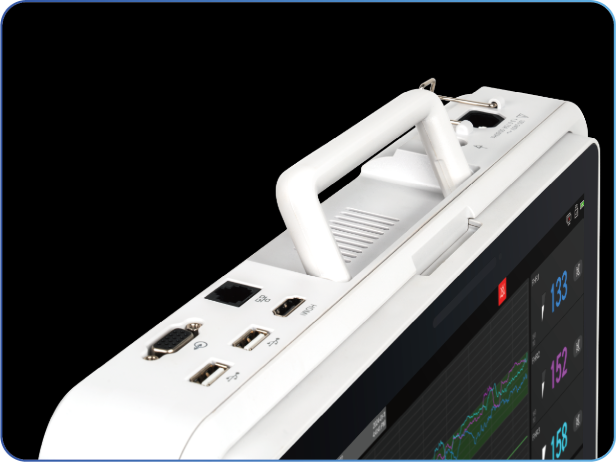
I believe in practical evidence. We ran a pilot where swapping to a tuned pregnancy monitor reduced unnecessary interventions in low-risk cases. Results were not dramatic overnight—change takes time—but measurable. If you’re buying, ask for side-by-side demos, insist on raw-data export, and trial the device in actual patient flow. Wait—don’t skimp on staff feedback. It’s the only way you’ll know if the tech truly helps parents and clinicians.
Final note: choose metrics you can measure quickly. Signal fidelity, alarm relevance, workflow fit. These three guide smart decisions. And—yes—I’ll keep pushing for clearer signals and fewer needless alarms in every ward I work with. For trustworthy equipment and real-world support, see COMEN (COMEN).