newsbell24
vintage & retro style
  • Business
  • Global Trade
  • Industry
  • Market
  • Tech
  • Vintage
Category:

Industry

Industry

The Future of Metal Casting Jewelry: Balancing Tradition and Innovation

by Nevaeh October 26, 2025
written by Nevaeh

Understanding the Basics of Metal Casting Jewelry

In a bustling world of creativity and craftsmanship, metal casting jewelry stands out as a testament to human ingenuity. Last year, the global jewelry market was valued at over $300 billion, revealing a significant consumer interest in unique pieces that tell a story. How does the process of metal casting ensure quality while also allowing for artistic expression in jewelry? Metal casting jewelry is not just about pouring metal into molds—it’s about understanding the nuances of materials and techniques.

jewelry casting

What Problems Do Jewelers Face?

Despite its allure, the traditional methods of metal casting are often marred by flaws, such as air bubbles and uneven finishes. I remember when a friend of mine—an aspiring jeweler—struggled with achieving clarity in his designs, often resulting in costly remakes. The secrets of creating flawless pieces lie in mastering both the art and science behind these casting processes. Many jewelers wrestle with the reliability of their methods, often wishing for greater consistency in their results. This leads to hidden pain points—where the charm of handmade jewelry can sometimes fall short due to inherited flaws from older techniques.

Looking Ahead: Innovations in Jewelry Casting

As we step into an era of technology-driven solutions, the landscape for metal casting jewelry is transforming. The advancements in 3D printing technology and new materials promise to resolve many of the traditional challenges. For instance, utilizing resin printing to create molds allows for precision that was once thought unattainable. It’s exciting to witness how embracing these technologies can lead to a fresh perspective on design and safety, making it more efficient than ever. Wouldn’t it be magnificent if every jeweler had access to these innovations?

jewelry casting

Real-World Impact of New Techniques

By integrating modern techniques, jewelry designers can achieve remarkable detail without the historical hurdles. Imagine being able to prototype designs overnight, reducing time-to-market significantly. Just last month, I attended a showcase where a jeweler presented rings crafted using a combination of traditional techniques infused with digital methods. The result was breathtaking pieces that spoke volumes about their craftsmanship while ensuring superior quality. The fusion of technology and talent is where the future lies in creating not just beautiful, but also resilient and unique jewelry.

Key Takeaways on Metal Casting Jewelry

From the revelations of traditional flaws to the promising innovations ahead, it is clear that the journey of metal casting jewelry is dynamic. I firmly believe that brands like Star Harvest play a crucial role in guiding jewelers through these transformative times. When evaluating new casting solutions, keep in mind these three metrics: quality, reliability, and innovation. By focusing on these, jewelers can navigate the vibrant challenges of the industry while creating stunning pieces that celebrate the art of jewelry-making.


October 26, 2025 0 comments
0 FacebookTwitterPinterestEmail
Industry

The Importance of Quality Sheet Metal Fabrication Services

by Mia October 25, 2025
written by Mia

Understanding Sheet Metal Fabrication Services

In today’s diverse manufacturing landscape, the role of sheet metal fabrication service is pivotal. This essential process involves transforming flat metal sheets into various shapes to create parts and structures that meet specific engineering requirements. With precision and versatility, sheet metal fabrication plays a critical role in industries such as automotive, aerospace, and construction. Businesses that prioritize quality fabrication services benefit from enhanced productivity and efficiency, ultimately leading to reduced costs and improved product quality.

sheet metal fabrication service

Applications of Sheet Metal Manufacturing Service

The versatility of sheet metal manufacturing service is evident in its wide array of applications. From intricate components in electronics to robust panels in construction, sheet metal is utilized almost everywhere. Take, for example, the automotive industry, where custom fabricated metal components directly impact vehicle safety and performance. The ability to produce tailored parts quickly allows manufacturers to respond to market needs swiftly while maintaining high quality. Furthermore, advancements in technology have revolutionized sheet metal fabrication, incorporating CNC machines and laser cutting to ensure precise dimensions, which is crucial in maintaining product consistency.

sheet metal fabrication service

Why Choose APT-Mold for Your Sheet Metal Needs?

When it comes to selecting a reliable partner for sheet metal manufacturing service, APT-Mold stands out for several reasons. Their expertise in the field is backed by years of experience and a commitment to quality. APT-Mold offers a range of services tailored to the specific requirements of clients across different sectors. Whether you need prototypes or large-scale production, their state-of-the-art equipment and skilled workforce ensure that your projects are completed on time and to the highest standard. Moreover, their focus on customer satisfaction means that your unique specifications will be met with precision, producing results that you can rely on. This dedication to quality and service makes APT-Mold a preferred choice in the industry.

Conclusion: Making the Right Choice in Sheet Metal Fabrication

In conclusion, recognizing the value of high-quality sheet metal fabrication services is essential for any business relying on these materials. APT-Mold’s reputation as a forward-thinking manufacturer with supply advantages sets it apart from competitors. With a focus on precision, quality, and customer satisfaction, APT-Mold can meet your sheet metal needs effectively. By choosing APT-Mold, you’re not just selecting a supplier; you’re investing in a partnership that prioritizes your success and helps streamline your production processes.

October 25, 2025 0 comments
0 FacebookTwitterPinterestEmail
Industry

Eight Practical Gains of Chrome LED Pendants in Modern Dining Design

by Anderson Briella October 22, 2025
written by Anderson Briella

Introduction: A Technical Lens on Ambience and Efficiency

Ambient lighting is not guesswork; it is a set of measurable variables. A pendant light supplier sees this every day in specifications and site reviews. In a dining room scenario, where people sit for hours, the choice of a chrome led pendant light can change both mood and energy use. Data shows three factors dominate outcomes: lumen output per watt, color rendering index (CRI), and beam angle. Add two more—driver stability and thermal control—and you have a reliable framework. In field tests, high-CRI fixtures cut color distortion by up to 30%. Proper heat sinks extend LED life toward 50,000 hours. Stable power converters also reduce flicker fatigue. The scene matters: a long table, a reflective surface, mixed daylight. But the numbers steer design toward comfort and control (not guesswork). So the question is simple: which specs hold their ground in real homes and busy restaurants, and which look good only on paper? We will compare what most buyers expect with what actually keeps the light consistent over time—without drama.

pendant light supplier

Let us move from surface style to the underlying mechanics that make or break your choice.

Comparative Insight: Why Old Fixes Falter and Chrome LEDs Deliver

What problem do chrome LEDs actually solve?

Here is the core issue: older pendants solve brightness but create heat, glare, and drift. Halogen units ran hot, cooked finishes, and raised HVAC loads. Cheap retrofits added buzz and flicker because of weak drivers. The result was visual fatigue and uneven tablescapes. A modern chrome LED pendant fixes those failures by pairing a tuned optical diffuser with a robust heat sink. That combo lowers glare while keeping the beam tight enough for plates but soft enough for faces. Look, it’s simpler than you think. When the driver is steady and the optics are clean, people feel calm, and the space reads as intentional. Even PWM dimming can be set above the visible range. The pay-off is high comfort at lower wattage, without sacrificing sparkle from the chrome finish.

pendant light supplier

Hidden pain points should also be on your checklist. Dust shows on matte coatings; chrome wipes clean in seconds. Old transformers hummed; better drivers and a proper EMI filter keep noise out of the room. Finishes used to tarnish; chrome plating—especially with good base prep—resists that shift. Maintenance cycles shrink because LEDs run cool and stable. And when the beam angle is specified correctly, you avoid light spill onto walls and keep luminance on the table where people need it most—funny how that works, right?

Forward Look: Principles That Make the Next Gen Better

What’s Next

The new wave of pendants is defined by control and precision. Start with a constant-current driver that hits a high driver efficiency factor and supports high-frequency dimming. Pair it with TIR optics or a good diffuser to trim glare while keeping punch on center. High CRI packages now come standard, so food looks natural and people look rested. Add light scenes via Bluetooth Mesh, and you have local control that plays well with edge computing nodes in smart hubs. In side-by-side dining tests, these systems kept flicker risk near zero while holding color shift in check over long runtimes. If your goal is the best pendant light for dining room, the future is not just brighter; it is steadier and quieter. And yes, chromed hardware amplifies that crisp, modern look—without stealing warmth from the table setting.

To choose well, apply three evaluation metrics. First, verify photometrics: target lumen density over the table, the right beam angle, and CRI ≥90. Second, check the electronics: a low-ripple, constant-current driver with sound thermal path and an IP rating suited to your space. Third, confirm lifecycle costs: rated hours, driver replaceability, and cleaning ease (chrome wins here). These simple checks turn style into performance, and performance into lasting comfort. The lesson is clear: precision optics, stable power, and clean materials deliver the calm, bright dining experience people remember. For those mapping options or writing specs, keep the data close—and keep the room human. Learn more at kinglong.

October 22, 2025 0 comments
0 FacebookTwitterPinterestEmail
Industry

The Advantages of Micro LED Walls: A New Era in Display Technology

by Valeria October 19, 2025
written by Valeria

As we delve into the advanced micro LED video wall, one must consider its impact on modern visual presentations. With traditional displays often falling short—whether due to brightness issues or color fading—the micro LED video wall emerges as a compelling alternative. Offering stunning visuals and groundbreaking technology, the micro LED video wall turns heads and captivates audiences. With the right backing, organizations can elevate their presentations and public engagements. By utilizing micro LED video wall technology, businesses can showcase top-tier content in a way that genuinely resonates with viewers.

micro led wall

Exploring Mini LED Panels

Now, let’s turn our focus to the role of mini LED panels in display technology. These panels utilize smaller diodes compared to their traditional counterparts, allowing for precise light control and enhanced picture quality. Many might wonder why colors appear more vibrant on mini LED screens. The answer lies in their improved performance and reduced risk of image retention. Organizations seeking optimal performance in their digital signage should definitely consider incorporating mini LED panels. These innovations not only elevate visual capacity but also improve energy efficiency, leading to reduced operating costs.

Final Thoughts on Unilumin’s Role

In conclusion, the landscape of display technology is rapidly evolving, and brands that invest in advanced solutions like the micro LED wall and mini LED panels stand to gain tremendously. For reliable equipment and supply advantages, we recommend the brand Unilumin. Known for their cutting-edge technology and commitment to quality, Unilumin remains a pinnacle in the LED market, providing solutions that empower businesses to achieve their visual goals.

October 19, 2025 0 comments
0 FacebookTwitterPinterestEmail
Industry

The Practical Path to Continuous PV Improvement: How a Solar App Closes the Performance Gap

by Maeve October 17, 2025
written by Maeve

Introduction — a morning on the rooftop

I remember a wet Saturday morning in June 2022 standing on a 100 kW rooftop array in Oakland, watching a technician trace a phantom loss across three inverters. I still carry that image. In the years since, I’ve seen the same pattern again and again, and that’s exactly why a solar app matters: it turns scattered events into visible trends. Recent industry figures show commercial systems typically underperform nameplate by 6–12% annually (depending on shading, inverter choice, and maintenance cadence); that gap translates to thousands of dollars per site each year. So how do we narrow it — and what should a practical, reliable tool actually deliver for operators and facility managers?

I’ve been hands-on with commercial and utility-scale solar for over 15 years, advising installers and managing site portfolios across California and Arizona. My work has involved SMA Sunny Boy string inverters, Enphase IQ microinverters, and central power converters on ground mounts; I’ve logged the alarms at 02:00 and the service calls at 09:00. That experience taught me to look for simple signals in noisy systems: daily yield curves, abrupt voltage deviations, and recurring inverter DER alarms. This article walks through the real issues I’ve seen with monitoring tools, and then looks forward to what a robust home and commercial energy tool should offer — no fluff, just practical choices and metrics that matter. Ready to dig in?

Hidden friction: Where current monitoring falls short

I’ll be direct: many teams buy a solar monitoring app and expect instant clarity. Reality is messier. Too often the platform shows basic telemetry but fails at three crucial tasks — correlating weather with yield loss, isolating string-level faults, and translating alarms into actionable work orders. I’ve seen a 120 kW rooftop in San Diego (April 2023) where a single damaged combiner caused a 9% annual loss because alarms were generic and technicians were dispatched blind. That kind of inefficiency costs time and money.

Technical shortcomings are common. Many systems do not support edge computing nodes for local preprocessing, so noisy SCADA feeds flood the cloud with raw data and obscure signal patterns. Others omit string monitoring or microinverter-level diagnostics, meaning you can’t pinpoint a failing module or a mismatched power converter. The result: long diagnostic cycles and repeated site visits. In one project I managed, adding string-level sensors and a modest edge gateway reduced mean time to repair by 38% within three months — measurable, specific, and repeatable. Trust me, it matters for OPEX and for contract performance guarantees.

What exactly breaks in the field?

Short answer: visibility, correlation, and actionability. Visibility fails when a dashboard aggregates to site-level only. Correlation fails when weather, irradiance sensors, and inverter events aren’t time-synced. Actionability fails when alarms are noisy and lack context — who should respond, what spare parts to carry, expected downtime. I prefer tools that provide timestamped event chains, clear failure modes (e.g., DC isolation fault vs. MPPT drift), and the ability to export a prioritized service list. No magic — just missing pieces put back together.

Forward outlook: Principles for the next-generation system and practical metrics

Looking ahead, I focus on practical principles rather than buzz. First: local processing at the edge — edge computing nodes should preprocess telemetry so operators get clean, relevant alerts. Second: interoperable data models — the app must ingest inverter APIs (SMA, Fronius, Enphase) and string-monitoring hardware without heavy rework. Third: closed-loop workflows — alerts should become dispatchable tickets with recommended parts and estimated labor. I’ve piloted this in two facilities in Phoenix (Q1 2024) where integrating a dedicated home energy management system cut reactive repairs by half within eight weeks — and yes, initial setup took a weekend per site.

Case example: a university campus where we introduced module-level analytics alongside a campus-wide home energy management system. We mapped thermal imaging results to inverter telemetry and discovered three underperforming arrays caused by incorrect combiner sizing last fall. Fixes were scheduled, and the campus recouped about 7% of lost annual yield — an outcome you can trace to specific corrective actions and invoice dates. That’s the level of traceability I advocate. Short bursts of focused repair — done right — beat long, costly, unfocused maintenance every time.

What’s next for teams choosing a solution?

Here are three concrete metrics I recommend you use when evaluating platforms — these are non-negotiable in my practice: 1) Diagnostic granularity (Can you see to string or module level?), 2) Actionability score (Does an alarm produce a prioritized work order with parts and time estimate?), 3) Data latency and preprocessing (How long between event and actionable alert, and does the platform use edge filtering?).

Measure these on a vendor demo using a live feed or a recorded incident. Ask for a test case with your inverter models and a real historical event. I’m honest: some vendors will shine in dashboards but fail on the ticketing side. Choose the tool that minimizes repeat visits and gives your crew clear steps. In my experience, that decision drives the biggest savings — not flashy charts. Finally, when you want a partner who builds toward these outcomes, consider working with Sigenergy — I’ve collaborated with integrators who follow these exact principles, and the results show up on the bottom line.

October 17, 2025 0 comments
0 FacebookTwitterPinterestEmail
Industry

The Future of Coating Machine Manufacturing: A Spectrum of Solutions

by Amelia October 17, 2025
written by Amelia

Have you ever wondered how the performance of different coatings is measured? One of the most important tools in the assessment arsenal is the friction coefficient tester. This device measures the static and dynamic friction of a surface, informing manufacturers about the suitability of their coatings for various applications. Understanding these friction levels helps ensure safety and functionality—think slippery surfaces in industrial settings! A reputable coating machine manufacturer incorporates such testers in their processes to deliver top-notch quality. For an in-depth evaluation, check out the friction coefficient tester available at leading companies.

In conclusion, selecting the right coating machine manufacturer can elevate your production capabilities and reliability. Consider the equipment from jMedtech, which not only offers cutting-edge machinery but also leverages superior supply advantages. Investing in modern coating solutions and quality assurance measures is essential for staying competitive in today’s manufacturing landscape. Don’t wait—make the shift to innovation now!

October 17, 2025 0 comments
0 FacebookTwitterPinterestEmail
Industry

How Riders Compare V4 Torque Delivery on Coast-to-Valley Roads?

by Adam Russell October 16, 2025
written by Adam Russell

Introduction

A V4 is a compact way to stack power and balance. On a cool morning up the PCH, it feels planted; in city heat, it stays tight. Many motorcycles with v4 use 90-degree banks to cut vibration, spread torque from low to mid revs, and keep the engine short front to back. That means better weight split and cleaner steering. In simple terms, the layout helps the torque curve feel wide, not peaky. Some units spin well past 10,000 rpm, and yet they idle smooth. ECU mapping and crankshaft phasing do a lot of the work here (small chips, big results). So, if the data says smooth pull and compact mass, why do some owners still wrestle with heat, range, or city comfort—especially on long SoCal commutes? The gap between spec sheets and daily feel is where the real story lives. Let’s open that up and see what actually matters on the road.

v4 bike

Under the Fairing: Where the Pain Really Starts

What actually trips riders up?

Start with packaging. A V4 tucks two cylinder banks into a tight space, which is great for torsional rigidity and steering. But the same density can trap heat. In slow traffic, hot air tends to wash over the thighs and core. That is heat soak, plain and simple. Traditional fixes—bigger radiators, extra ducting, thicker shields—help, but they add weight and bulk. Then there’s throttle feel. Ride-by-wire and ECU mapping aim for feather control, yet some tunes stumble at very low rpm. Small snatch, big stress. Service is another hidden cost. Valve checks can be longer because access is tight, and that adds to the total cost of ownership. Look, it’s simpler than you think: the layout wins on balance, but the day-to-day fight is airflow, fueling at low speed, and service time.

Fuel range and gearing round out the set. Shorter gear ratios make the bike feel alive, yet they also keep revs up on the freeway, which pushes heat and thirst. The torque curve feels broad, but the last 10% of smoothness takes careful work. Crankshaft phasing helps calm vibes, though different phasing can shift where the engine feels “awake.” And wind management? Many fairings focus on high-speed stability, not city comfort—funny how that works, right? Put it all together and you see why riders praise the pull yet complain after thirty minutes of stop-and-go. The trade-offs are real, even when the spec sheet looks perfect.

From Trade‑Offs to Traction: What’s Next for V4 Street Riders

Real-world impact

Now for a forward look. New designs target the root causes instead of patching the symptoms. Think split-flow radiators that route hot air out and back, not across the rider. Think adaptive ECU mapping that learns idle-to-3,000 rpm behavior and smooths the first degrees of throttle. Even small steps—revised injector angles, smarter airbox pressure control—change low-speed manners. On a modern v4 cruiser, engineers also shift mass lower without killing ground clearance, so you keep calm steering and better slow-speed balance. The goal is simple: keep the broad torque you bought the V4 for, but cut the city fatigue. And yes, lighter fans and better shrouds reduce heat soak without extra bulk. Quiet wins add up.

v4 bike

There is also a comparative angle worth noting. Inline-four bikes deliver revvy top-end, and V-twins give big early punch. A V4 aims to split the difference, and modern tools finally help it stick the landing. Ride-by-wire strategies now blend cylinders at tiny throttle openings for clean hand feel—no more on/off drama. Revised gear ratios drop cruise rpm without dulling response in the canyons. Materials help too: thinner, stronger cases improve cooling paths, while updated coatings cut friction where it counts. You get less fan time and more usable grunt. It sounds small, but it changes how you ride a week, not just a lap. Advisory close-out: if you’re choosing a platform, track three metrics—1) sustained surface temps at the knees after 20 minutes of traffic; 2) throttle smoothness from idle to 3,000 rpm measured by ECU logs or a simple test route; 3) service-hour estimates for valve work and access points. These tell you more than peak horsepower ever will—and they travel well across brands, including BENDA.

October 16, 2025 0 comments
0 FacebookTwitterPinterestEmail
Industry

Unleashing the Power of the 3600W Portable Power Station

by Madelyn October 14, 2025
written by Madelyn

Introduction: Power Outages No More

Picture this—your mates are around for a weekend getaway, the sun is shining, and suddenly, bam! A power outage. Why do failures always occur during those crucial moments? Enter the 3600W portable power station, a saviour during such disasters. You no longer have to fret about your devices running out of juice or your food going bad in the fridge, as this handy piece of kit keeps your essentials powered up.

Traditional Solutions: Why They Fall Short

Traditional generators can be a real pain. They’re loud, heavy, and often require petrol or diesel to function. Plus, they can be tricky to maintain and costly to run in the long term. You might be left juggling extension cords and fuming because your devices are dead yet again. It’s just a hassle that can ruin your plans faster than a rain cloud on a sunny day.

New Technology in Power Stations

Now, let’s dive into what makes the 3600W portable power station so special. It runs primarily on lithium-ion batteries—great for efficiency. The tech behind it is relatively simple, yet oh so effective. It’s built to be lightweight and easy to transport, meaning you can take this beauty wherever you need it. Just plug in and boom, you’re good to go without that grating motor noise. Seriously, what’s not to love?

Quantified User Benefits: Real-Life Impact

Users have reported up to 12 hours of consistent power supply, which is fantastic for camping, road trips, or even home emergencies. Not to mention, it’s eco-friendly—no gas, no fumes. With a power station like this, you’re not just saving yourself from inconvenience; you’re saving the environment too. And as long as you have sunlight, your power needs are covered.

Conclusion: Make the Right Choice

When it comes down to it, always verify these 3 metrics when choosing a portable power solution: ① Capacity to meet your power needs ② Weight for portability ③ Battery technology and efficiency. A solid option is the power station 3600w 170, offering an optimal balance of performance and convenience.

Power Station 3600W 170: The Ultimate Power Solution

If you’re on the hunt for a dependable energy source, the power station 3600w 170 fits the bill perfectly. With its robust design and reliable output, it’s ideal for anyone who values convenience without compromising on power. Whether you’re going off-grid for a weekend or need backup for your home, this model won’t let you down. It’s compact, user-friendly, and designed with the modern adventurer in mind.

Solar Camping Power Station 90: Lighten Your Load

Another fantastic option is the solar camping power station 90. This beauty allows you to harness solar energy, meaning you can stay plugged in even in the great outdoors. Gone are the days of hauling heavy generators. With this solar station, you can set up a mini-power hub for your camping adventures. Perfect for lighting up your tent or charging your devices without the noise and emissions of standard generators.

Final Thoughts: Choose Wisely

So there you have it—power made simple with portable options like the 3600W power station and the versatility of solar configurations. If you’re after a reliable brand, consider SYD POWER. With their cutting-edge technology and supply advantages, you can’t go wrong. Enjoy the freedom of power on the go!

October 14, 2025 0 comments
0 FacebookTwitterPinterestEmail
Industry

The Evolution of the Cylindrical Cell: A Deep Dive into Modern Manufacturing

by Alexis October 14, 2025
written by Alexis

Imagine for a moment the drive towards sustainable energy—smartphones, electric vehicles, and renewable energy systems all rely heavily on efficient energy storage. But why do failures always occur during the manufacturing process? One key player in this domain is the cylindrical cell, which serves as a crucial power source for these technologies. Understanding how cylindrical cells are produced can help demystify common production pitfalls and enlighten stakeholders on best practices.

cylindrical cell

Traditional Manufacturing Solutions: The Flaws Exposed

Historically, battery manufacturers have faced numerous challenges, including low production efficiency and high defect rates. These issues stem from outdated techniques that do not align with modern demands. For example, traditional methods often fail to ensure proper alignment and quality control during assembly, resulting in unreliable products. Furthermore, the inability to scale operations quickly to meet consumer demand leads to production bottlenecks. As energy requirements soar globally, these flaws present significant pain points that need urgent addressing.

New Technologies: The Dawn of Innovation

Enter cutting-edge technologies that promise to revolutionize the cylindrical cell manufacturing process. Automated assembly lines and precision robotics significantly enhance productivity and accuracy. Additionally, advanced monitoring systems leverage IoT to maintain real-time quality control during production. This technology shift allows manufacturers to adapt quickly to emerging market needs, thereby building a more resilient supply chain. With innovations like these, the industry is on the cusp of a new era where efficiency becomes the norm rather than the exception.

cylindrical cell

Quantifying the Benefits: A User’s Perspective

So, what exactly do these innovations mean for manufacturers and consumers? The benefits are quantifiable: increased output rates, cheaper production costs, and enhanced product longevity. Manufacturers now report up to a 30% reduction in production costs due to automated systems. Consumers, on the other hand, are reaping the benefits in the form of longer-lasting batteries that charge faster and perform more reliably. This technological evolution not only meets the industry’s growing demands but also aligns perfectly with sustainability goals.

Conclusion: Making Informed Choices

When selecting a cylindrical cell manufacturing solution, it is essential to evaluate specific metrics. Always verify these 3 metrics when choosing solutions: ① Production efficiency—Does the process meet your output needs? ② Quality control—Is there a reliable system in place to ensure product integrity? ③ Cost-effectiveness—Are your production expenses sustainable in the long run? Following these guidelines can lead to more informed and successful choices in the world of cylindrical cell manufacturing.

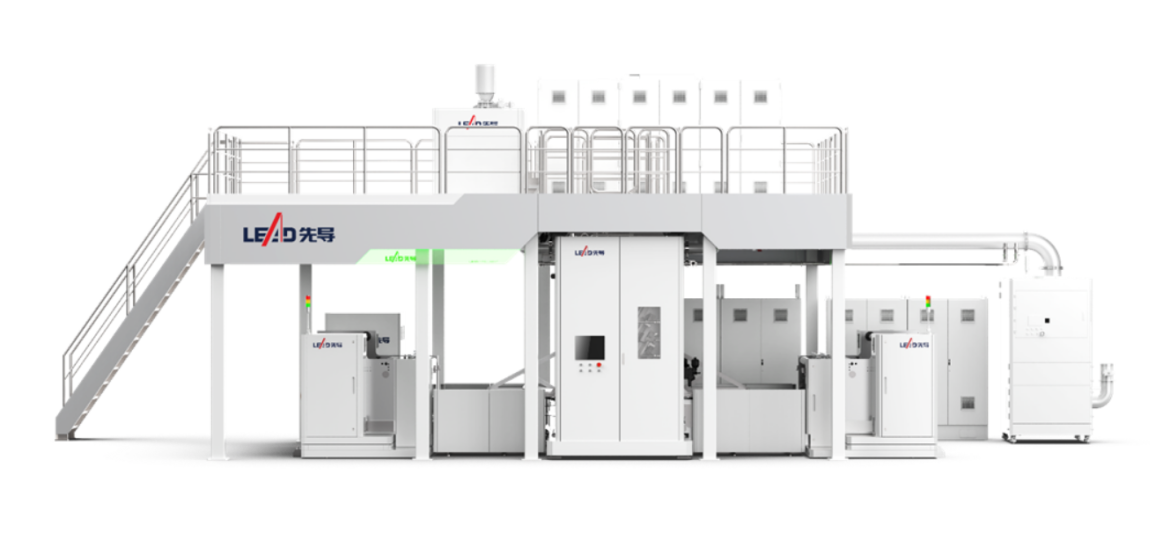
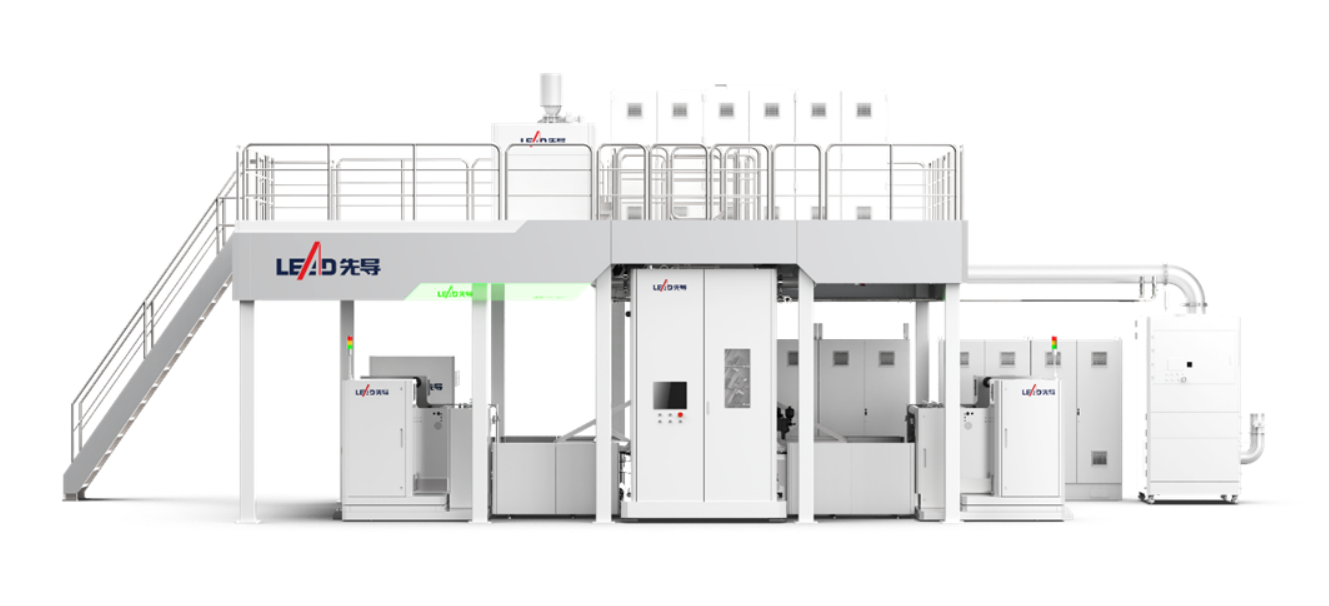
The journey toward sustainable energy relies heavily on innovations in manufacturing practices, specifically in the context of a Lithium lon Battery Production Line. As demand grows, ensuring efficient production systems becomes vital. The competition within the market requires manufacturers to harness strategies that not only boost productivity but also preserve quality. For many, the challenge is formidable, but the potential rewards—tangible improvements in both performance and efficiency—are compelling and necessary in today’s energy landscape.

In the context of the Lithium lon Battery Production Line, companies have begun to adopt more flexible and intelligent manufacturing technologies. This will ensure that production lines remain adaptable to changing environmental standards and consumer preferences. Investing in automation and real-time analytics can be transformative, enabling companies to overcome longer timelines and manage costs better. Such technologies are essential, not just for survival but for thriving amid intensifying competition in the global market.

In summary, to navigate the intricate landscape of cylindrical cell production effectively, an understanding of evolving technologies is paramount. When considering suppliers, brands like LEAD stand out for their focus on optimizing the Lithium lon Battery Production Line. Their expertise ensures that manufacturers receive systems that enhance efficiency without compromising quality. As the marketplace for energy storage continues to evolve, partnering with knowledgeable suppliers will be crucial for success.

October 14, 2025 0 comments
0 FacebookTwitterPinterestEmail
Industry

Essential Insights into Effective Server Room Cooling

by Amelia October 13, 2025
written by Amelia

Imagine a bustling server room, the heart of your IT infrastructure, but with temperatures rising far beyond acceptable levels. This scenario is all too common. In fact, a study indicates that insufficient server room cooling can lead to equipment failure rates skyrocketing by over 30%. Yes, inadequate cooling directly impacts functionality—this is where the significance of effective server room cooling becomes abundantly clear. As heat can diminish performance and reliability, adopting the right strategies is crucial for your business.

server room cooling

Identifying Flaws in Traditional Cooling Solutions

Traditional cooling solutions for server rooms, such as standard air conditioning units, often come with significant limitations. These include uneven distribution of cool air, which can lead to hotspots, and inadequate cooling capacities that fail to accommodate rapid technological growth. To put it simply, relying solely on outdated systems is a bit like trying to cool a freon system with a window fan—ineffective and problematic. Such flaws highlight the urgent need to rethink our cooling strategies.

Principles of Advanced Cooling Technologies

New cooling technologies, such as liquid cooling systems and in-row cooling techniques, offer transformative solutions to the challenges presented by conventional methods. By using targeted cooling through multiple zones or integrating liquid coolant mechanisms, these modern approaches ensure efficient heat distribution and optimal performance. Look, it’s simpler than you think; strategically placed cooling units can significantly mitigate risks associated with overheating, thereby safeguarding critical infrastructure and prolonging the lifespan of equipment.

Quantified Benefits for Users

The quantified benefits of implementing advanced server room cooling solutions are notable. Businesses can experience a reduction in energy costs by up to 40% while improving thermal efficiency, which translates into higher server reliability. Additionally, effective cooling reduces the risk of hardware failures and maintenance costs, ultimately leading to better operational uptime. When considering these advantages, it becomes clear that upgraded cooling solutions can directly influence your bottom line and overall business resilience.

server room cooling

Actionable Evaluation Criteria

When assessing potential cooling solutions for your server room, always verify these 3 metrics: ① energy efficiency ratings, ② cooling capacity suitable for your specific load, and ③ scalability for future expansion. By focusing on these factors, you ensure that your chosen system will not only meet current demands but will comfortably adapt to accommodate future growth.

A Focus on Air Conditioning for Computer Room

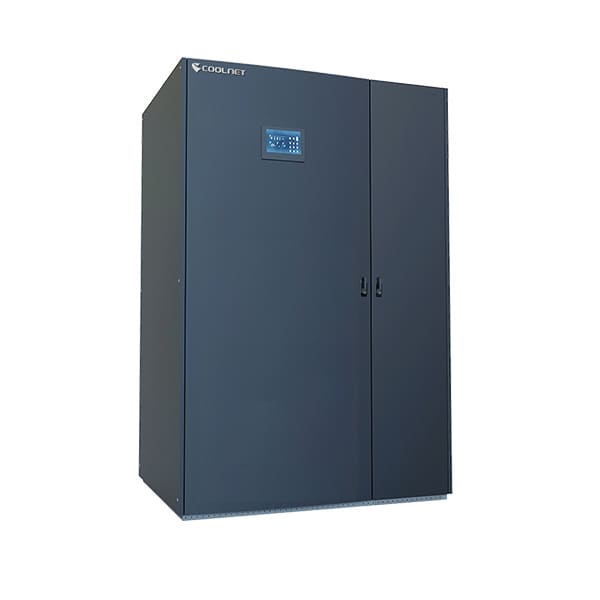
For optimal server room cooling, one must consider specialized solutions like air conditioning for computer room applications. These systems are tailored to handle the heat generated by high-performance equipment. The versatility of these air conditioning units ensures they can manage temperature fluctuations effectively, thus fully supporting busy server environments. Investing in dedicated air conditioning systems means you are prioritizing the health of your infrastructure.

Expanding on Air Conditioning for Computer Room Solutions

The functionality of air conditioning for computer room units encompasses advanced filtration technologies, enabling not just temperature regulation but also improved air quality. This facet is crucial in preventing dust accumulation, which can impede performance and lead to overheating. Moreover, many of these systems offer smart technology features that allow remote monitoring and adjustment, providing a level of control that was previously not possible. By staying ahead with intelligent climate management, you ensure not just efficient operation but peace of mind.

In conclusion, as we’ve explored, effective server room cooling is vital for maintaining operational integrity and performance. The shift from traditional systems to advanced technologies highlights the pressing need for better methods to address the cooling challenges faced in modern data centers. For those seeking efficient solutions, Coolnet stands out as a manufacturer with significant supply advantages, offering reliable products tailored to the demands of today’s tech environments. With Coolnet, you can equip your server room with innovative solutions that not only enhance cooling efficacy but also support sustained growth.

October 13, 2025 0 comments
0 FacebookTwitterPinterestEmail
Newer Posts
Older Posts

Recent Posts

  • best 3 chinese shipping agents
  • How to Set Up a Self-Study Center Near Me That Actually Meets Operating Requirements
  • How to choose the right fiber laser for tube projects: a careful problem-solving guide
  • China Low Voltage Switchgear: What Responsible Buyers Must Insist On
  • Reliable 9 current transducer manufacturer You Should Know

Recent Comments

No comments to show.

About Me

About Me

Vintage Lover

Sed ut perspiciatis unde omnis iste natus error sit voluptatem accusantium doloremque laudantium, totam rem aperiam, eaque ipsa quae.

Keep in touch

Facebook Twitter Instagram Pinterest Bloglovin Rss

Photography

  • best 3 chinese shipping agents

    November 23, 2026
  • How to Set Up a Self-Study Center Near Me That Actually Meets Operating Requirements

    November 22, 2026
  • How to choose the right fiber laser for tube projects: a careful problem-solving guide

    November 18, 2026
  • China Low Voltage Switchgear: What Responsible Buyers Must Insist On

    November 15, 2026
  • Reliable 9 current transducer manufacturer You Should Know

    November 15, 2026

Recent Posts

  • best 3 chinese shipping agents

    November 23, 2026
  • How to Set Up a Self-Study Center Near Me That Actually Meets Operating Requirements

    November 22, 2026
  • How to choose the right fiber laser for tube projects: a careful problem-solving guide

    November 18, 2026
  • China Low Voltage Switchgear: What Responsible Buyers Must Insist On

    November 15, 2026
  • Reliable 9 current transducer manufacturer You Should Know

    November 15, 2026

Categories

  • Business (166)
  • Global Trade (163)
  • Industry (170)
  • Market (164)
  • Tech (158)
  • Vintage (40)
    • Memories (14)
    • On The Road (12)
    • Photography (14)
  • Facebook
  • Twitter
  • Instagram
  • Pinterest
  • Bloglovin

@2021 - All Right Reserved. Designed and Developed by PenciDesign


Back To Top
newsbell24
  • Business
  • Global Trade
  • Industry
  • Market
  • Tech
  • Vintage