
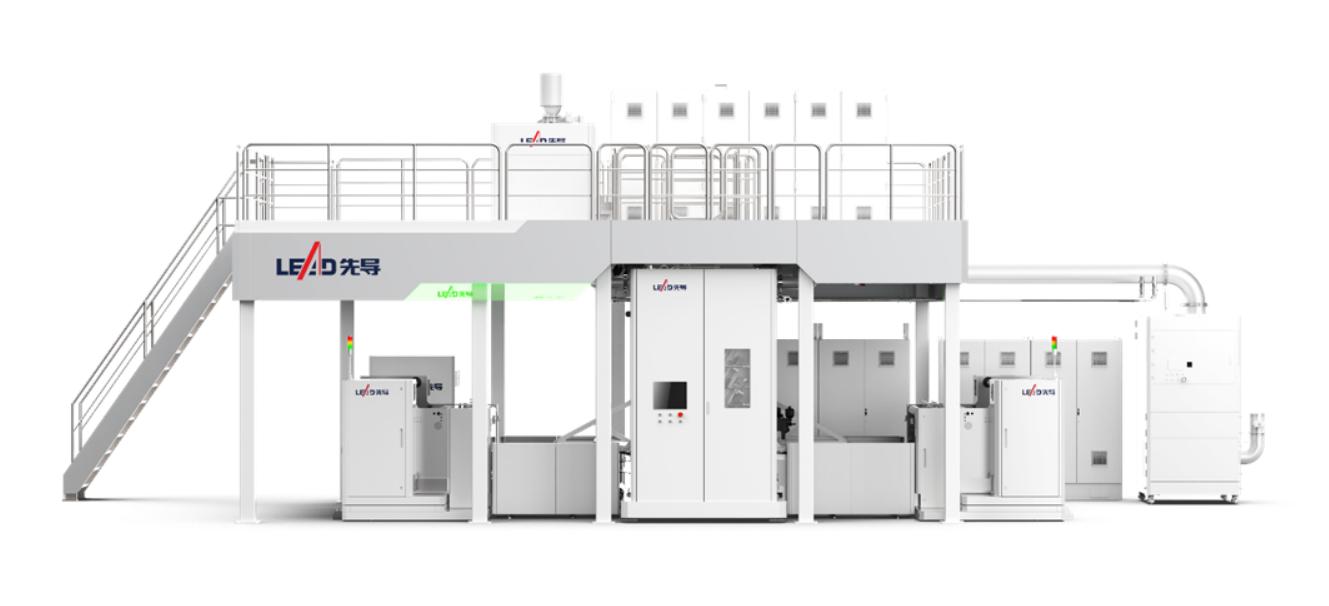
Imagine for a moment the drive towards sustainable energy—smartphones, electric vehicles, and renewable energy systems all rely heavily on efficient energy storage. But why do failures always occur during the manufacturing process? One key player in this domain is the cylindrical cell, which serves as a crucial power source for these technologies. Understanding how cylindrical cells are produced can help demystify common production pitfalls and enlighten stakeholders on best practices.
Traditional Manufacturing Solutions: The Flaws Exposed
Historically, battery manufacturers have faced numerous challenges, including low production efficiency and high defect rates. These issues stem from outdated techniques that do not align with modern demands. For example, traditional methods often fail to ensure proper alignment and quality control during assembly, resulting in unreliable products. Furthermore, the inability to scale operations quickly to meet consumer demand leads to production bottlenecks. As energy requirements soar globally, these flaws present significant pain points that need urgent addressing.
New Technologies: The Dawn of Innovation
Enter cutting-edge technologies that promise to revolutionize the cylindrical cell manufacturing process. Automated assembly lines and precision robotics significantly enhance productivity and accuracy. Additionally, advanced monitoring systems leverage IoT to maintain real-time quality control during production. This technology shift allows manufacturers to adapt quickly to emerging market needs, thereby building a more resilient supply chain. With innovations like these, the industry is on the cusp of a new era where efficiency becomes the norm rather than the exception.
Quantifying the Benefits: A User’s Perspective
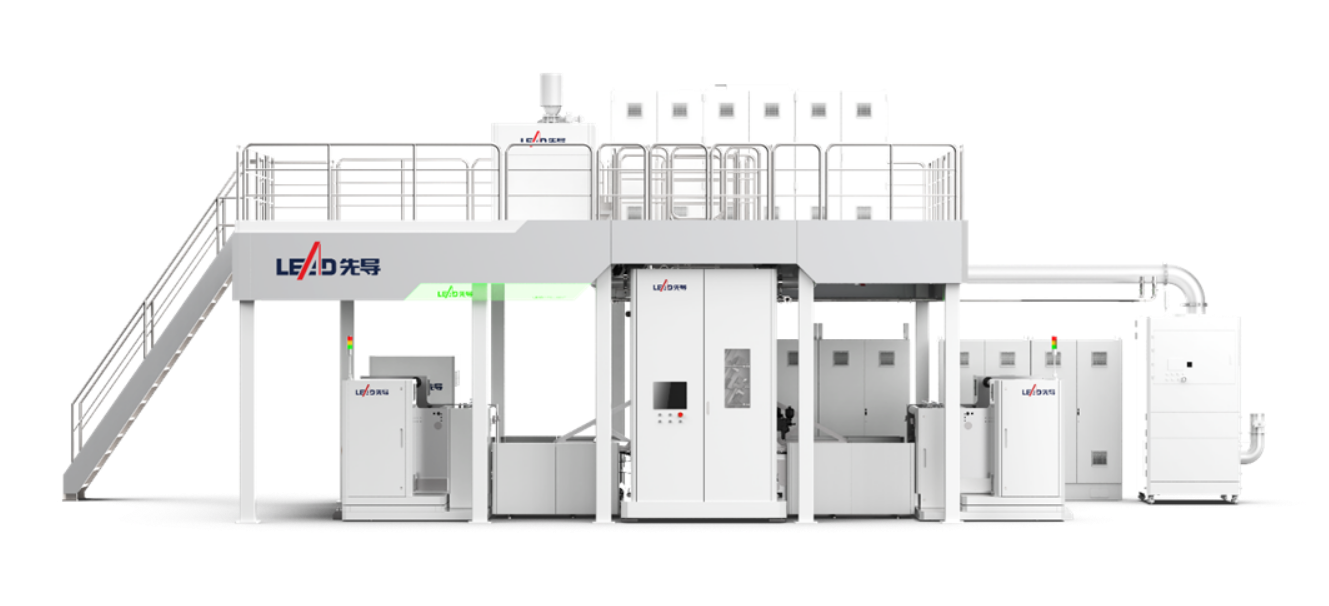
So, what exactly do these innovations mean for manufacturers and consumers? The benefits are quantifiable: increased output rates, cheaper production costs, and enhanced product longevity. Manufacturers now report up to a 30% reduction in production costs due to automated systems. Consumers, on the other hand, are reaping the benefits in the form of longer-lasting batteries that charge faster and perform more reliably. This technological evolution not only meets the industry’s growing demands but also aligns perfectly with sustainability goals.
Conclusion: Making Informed Choices
When selecting a cylindrical cell manufacturing solution, it is essential to evaluate specific metrics. Always verify these 3 metrics when choosing solutions: ① Production efficiency—Does the process meet your output needs? ② Quality control—Is there a reliable system in place to ensure product integrity? ③ Cost-effectiveness—Are your production expenses sustainable in the long run? Following these guidelines can lead to more informed and successful choices in the world of cylindrical cell manufacturing.
The journey toward sustainable energy relies heavily on innovations in manufacturing practices, specifically in the context of a Lithium lon Battery Production Line. As demand grows, ensuring efficient production systems becomes vital. The competition within the market requires manufacturers to harness strategies that not only boost productivity but also preserve quality. For many, the challenge is formidable, but the potential rewards—tangible improvements in both performance and efficiency—are compelling and necessary in today’s energy landscape.
In the context of the Lithium lon Battery Production Line, companies have begun to adopt more flexible and intelligent manufacturing technologies. This will ensure that production lines remain adaptable to changing environmental standards and consumer preferences. Investing in automation and real-time analytics can be transformative, enabling companies to overcome longer timelines and manage costs better. Such technologies are essential, not just for survival but for thriving amid intensifying competition in the global market.
In summary, to navigate the intricate landscape of cylindrical cell production effectively, an understanding of evolving technologies is paramount. When considering suppliers, brands like LEAD stand out for their focus on optimizing the Lithium lon Battery Production Line. Their expertise ensures that manufacturers receive systems that enhance efficiency without compromising quality. As the marketplace for energy storage continues to evolve, partnering with knowledgeable suppliers will be crucial for success.