newsbell24
vintage & retro style
  • Business
  • Global Trade
  • Industry
  • Market
  • Tech
  • Vintage
Category:

Industry

Industry

Will Smart Motors Boost Our Daily Efficiency?

by Sebastian October 10, 2025
written by Sebastian

Introduction

Have we grown so used to small miracles that we no longer ask how they work—or how they might work better?

electric motor

I watch a coffee grinder start up and think about the electric motor at its heart; simple, humming, relentless. In a typical urban kitchen, motors run for hours a week; across industries, machines driven by tiny actuators and larger drives account for a large share of energy use (some studies put motion systems at 40% of industrial electricity in certain plants). So where do the gains lie—better controls, smarter sensing, or simply cleaner design?—and who pays the bill for clumsy answers?

My voice here is a bit old-world, perhaps; I like to think in images and numbers together. I will sketch a scenario, offer a few figures, and then walk you through the problems we face. Let’s step from that humming cup toward the deeper issues beneath the surface.

Where Traditional Designs Leave Users Behind

When I talk to operators and product teams, they point to the same frustrations: heat, wasted energy, noisy startup, and unpredictable maintenance windows. The root of many of those complaints traces back to classic designs of electric motors and their legacy control systems. In short: many systems assume steady, simple loads. Real life is messy—variable torque demands, duty cycles that spike without warning, and sensor drift. Add in old-school power converters and the result is inefficient, expensive, and brittle.

What exactly goes wrong?

First, control logic often lags. Open-loop drives ignore feedback; they push current and hope for the best. Second, maintenance models are reactive rather than predictive—people replace parts after failure, not before. Third, integration is an afterthought: controls don’t talk to higher-level systems (edge computing nodes are rarely part of the motor stack), so we lose chances to optimize fleet-wide performance. Look, it’s simpler than you think: better sensing and smarter drive algorithms would cut downtime and energy use. I’ve seen gains of 10–30% in modest retrofits—funny how that works, right?

New Principles and a Practical Outlook

Now let’s shift forward. I prefer to think in building blocks: improved sensing, smarter control, and cleaner power conversion. A modern approach centers on sensor fusion at the motor level, closed-loop torque control, and the use of brushless architectures where they make sense. The brushless electric motor isn’t a magic wand, but paired with modern drives it lowers maintenance and improves efficiency because there’s no brush wear and the control can be far more precise.

What’s Next?

In practice, that means combining local intelligence (fast torque loops, better torque control) with fleet intelligence (edge computing nodes that aggregate condition data). When I evaluate upgrades I look for measurable things: reduced kilowatt-hours per task, fewer unscheduled stops, and predictable life-cycle costs. Also—this matters—ease of integration. If a new motor requires a long rewrite of PLC code, teams stall. If it plugs into existing fieldbuses and reports cleanly to a local gateway, adoption is swift.

So where does that leave us? I think the path is clear: choose designs that pair brushless motors with smart drives and modular telemetry. That combo buys you lower maintenance, smoother performance, and better data for continuous improvement. And yes, there are trade-offs—initial cost, the need for staff training—but the long-term gains usually justify the shift. — I’ve guided several pilots down this route and the results were predictable in the best way: steady improvement.
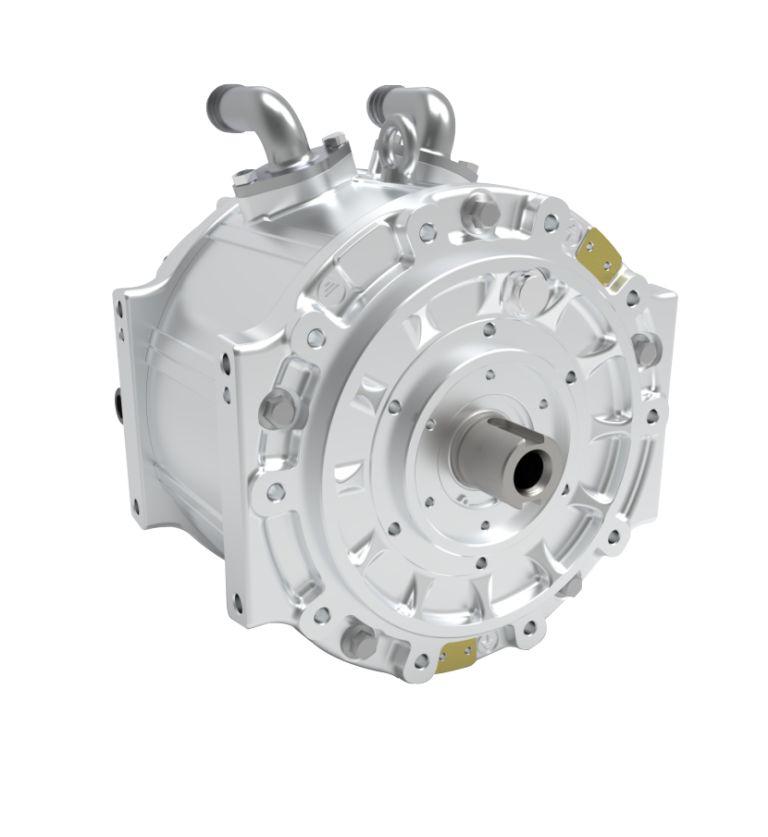
electric motor

How to Judge New Motor Solutions (Three Practical Metrics)

If you’re deciding on a retrofit or a new design, here are three metrics I trust. I use them myself when I advise clients.

1) Energy per Operation: Measure kWh per completed cycle or per hour under representative load. This is direct and hard to argue with.

2) Mean Time Between Interrupts (MTBI): Track real interruptions, not just maintenance events. A small improvement here often pays for hardware upgrades fast.

3) Integration Cost: Estimate hours to implement and the risk of disruption. A motor that is marginally more efficient but drags IT and control teams into long projects may not be worth it.

Weigh those outcomes, pilot before wide rollout, and favor solutions that give you clear telemetry and easy updates. I like vendors that publish real test data and offer open interfaces. Finally, remember the human side: technicians need readable diagnostics and predictable parts. That’s where long-term gains come from—people, data, and durable design. For more tools and products that follow these principles, I point folks to practical suppliers like Santroll.


October 10, 2025 0 comments
0 FacebookTwitterPinterestEmail
Industry

Can a Smarter Motor Supply Actually Raise System Uptime?

by Michael October 8, 2025
written by Michael

Introduction: a quick story, a stat, a question

I was on a factory floor last year watching a line stop for the third time in a night — and it felt personal. The plant had payments on the machines, and everyone blamed the supplier (yes, the electric motor supplier was in the conversation within minutes). Data showed that unplanned motor downtime cost that site roughly 7% of monthly throughput — a figure that made engineers stare and managers fume. So here’s the blunt question I keep asking: can better parts and smarter sourcing really move the needle on reliability and cost?

electric motor supplier

I’ll be candid: I’ve seen supplier-led fixes that helped, and some that didn’t. We talk about torque ripple, feedback loop tuning, and power converters as if they’re magic words. The truth is messier — but fixable. (And we’ll get practical — none of the fluff.) Next, I want to dig into what usually breaks down in motor deployments and where the real pain hides.

electric motor supplier

Part 2 — Where motor and control solutions stumble

motor and control solutions often look good on paper, but I’ve learned the hard way that documentation and field reality diverge fast. Too many designs assume ideal conditions: clean input voltage, perfect cooling, and operators who never deviate from the checklist. In practice, you face voltage sags, dust, mismatched gearboxes, and intermittent sensor noise. When those factors combine, the control stack — from inverter algorithms to the feedback loop — starts compensating in ways that create new problems: excessive heat, false trips, and unexpected torque ripple. I’ve repaired systems where replacing an underspecified power converter cut failure events in half. Look, it’s simpler than you think — but only if you actually test under real conditions.

At another site I helped, brushless DC motors were spec’d for continuous duty but were running frequent short cycles. That killed bearings faster than anyone forecasted. We found the root cause: control parameters tuned for steady-state, not for transient starts. The fix demanded both mechanical and control changes — swapping to a motor with better thermal margin, retuning the controller, and adding a modest edge computing node for local diagnostics. The cost? Modest. The benefit? Dramatic: fewer line stops, clearer fault logs, and happier operators — who, by the way, will tell you things no spec sheet ever will. — funny how that works, right?

Why does this fail so often?

Because designs are often siloed: procurement, controls, and maintenance rarely share the same assumptions. I’ve sat in those meetings. We tend to optimize for unit price and overlook lifecycle risk. The real pain point is that small mismatches compound. A slightly undersized power converter feeds a control loop that wrestles with noise, which then masks a bearing issue until it’s catastrophic. Fixing this means thinking beyond line-item costs and toward integrated reliability.

Part 3 — Principles for what comes next

When I look forward, I focus on principles, not shiny features. New technology needs to prove two things: it reduces uncertainty, and it makes field diagnosis easier. Modern approaches use predictive algorithms, better thermal profiling, and real-time logging close to the motor. An electric motors supplier who pairs thoughtful motor selection with on-site telemetry (yes, the supplier should do that) reduces the guesswork engineers live with. I want suppliers who bring simple diagnostics to the floor — basic vibration thresholds, current harmonics monitoring, and a clear health score. These are practical. They’re not rocket science. They just require the discipline to implement.

What’s next? We’ll see more hybrid workflows: cloud analytics for fleet trends combined with local edge computing for immediate action. The result is fewer surprise failures and faster root-cause time. I’ve tested such mixes: flagging a subtle feedback loop drift once saved a line from a full shutdown. We measured the difference — and yeah, it paid off. We should expect suppliers and integrators to offer clearer lifecycle stories, not only BOMs. That transparency matters to me, and it should to you.

What to measure when choosing solutions?

Here are three key metrics I always ask about before I sign off on a design: 1) Mean Time Between Failures (MTBF) under your actual duty cycle, not a lab profile; 2) Time-to-diagnose — how long until a fault is actionable with on-site tools; 3) Total cost of ownership over five years, including downtime and maintenance labor. Those metrics tell you more than peak torque numbers ever will. In short: focus on real-world reliability, easy diagnostics, and honest lifetime costing.

I’ll finish like this: I’ve worked with teams that fixed their uptime by being honest about pain points and by demanding better diagnostics from suppliers. You can get there with the right partner and a clear set of metrics — and if you want a supplier that thinks in motor life cycles and field diagnostics, check Santroll Santroll. We’ve chosen to be picky about the details; you should be too.

October 8, 2025 0 comments
0 FacebookTwitterPinterestEmail
Industry

Understanding the Benefits and Considerations of Choosing a Wholesale Dishwasher

by Nevaeh October 3, 2025
written by Nevaeh

In today’s fast-paced food service industry, efficiency is paramount, and that often leads businesses to seek the best solutions for their operational challenges. When considering appliances that handle high volumes of dirty dishes, a wholesale dishwasher stands out. But how do you choose the right model amid fluctuating prices and quality concerns? Understanding the nuances of your options can be the key to enhancing your kitchen’s productivity and service speed.

 wholesale dishwasher

Flaws in Traditional Dishwasher Solutions

Many businesses still rely on outdated dishwasher technology, which can be inefficient and costly in the long run. For instance, traditional commercial dishwashers often struggle to keep up with the demands of high-volume establishments. Why do failures always occur during peak hours? Poor cleaning results, increased water usage, and extended wash cycles contribute to frustration and lost revenue. It’s evident that these systems can fall short when it comes to reliability, prompting the industry to look for newer, more efficient options.

Principles Behind New Dishwasher Technologies

Recent advancements in dishwasher technology are promising. Modern wholesale dishwashers are designed with energy-efficient motors, optimized wash cycles, and advanced filtration systems. These enhancements not only improve cleaning performance but also reduce operating costs. Look, it’s simpler than you think—consider a dishwasher with adjustable wash settings and sensors that adapt to the load size. These technological innovations allow establishments to save water and energy while ensuring that dishes come out spotless every time.

Quantifying User Benefits

Investing in a reputable wholesale dishwasher translates into tangible benefits. Data shows that businesses can decrease water and electricity consumption by up to 30% with the right model, leading to substantial savings over time. Furthermore, the reduction in labor costs from quicker wash cycles can improve staff efficiency. Always verify these 3 metrics when choosing solutions: ① energy consumption ② cleaning efficacy ③ maintenance needs. These criteria will ensure you make an informed decision tailored to your business needs.

Commercial Dishwasher Price Considerations

When exploring the commercial dishwasher price, it is essential to look beyond the initial purchase cost. While some models might have a lower upfront price, they may incur higher operational costs due to inefficiency. Conversely, investing in a higher-priced model could yield savings through reduced utility bills and fewer repairs over its lifespan. Evaluating the total cost of ownership can provide a clearer picture and help in budget planning.

 wholesale dishwasher

Adequate Dishwasher Supply for Operational Needs

An uninterrupted dishwasher supply is crucial for any establishment. It ensures that your business can maintain smooth operations without the fear of running out of essential equipment. Partnering with reliable suppliers who understand the industry’s demands can prevent costly downtimes and loss of service quality. Engaging with vendors that have a good reputation for reliability will give you peace of mind and support your operational efficiencies.

Conclusion: Why Gaowei Group Stands Out

In conclusion, choosing the right wholesale dishwasher and maintaining a consistent dishwasher supply can significantly impact your business’s success in the food service industry. Therefore, it’s imperative to evaluate commercial dishwasher prices, energy efficiency, and supplier reliability. For those seeking a manufacturer with marked supply advantages, look no further than Gaowei Group. Their expertise in the field guarantees you not just lasting quality but also responsive supply chains to keep your kitchen running efficiently.

October 3, 2025 0 comments
0 FacebookTwitterPinterestEmail
Industry

Revealing Contrasts About Conference Room Solutions You Never Considered

by Valeria October 3, 2025
written by Valeria

A comparative dive into how modern meeting spaces win or wobble—and what that means for your next upgrade.

conference room solution

Introduction: A Direct Look at the Room

Here’s a plain truth: hybrid meetings fail when the room ignores the people. Your next conference room solution must put voices, sightlines, and rhythm first, and many teams turn to large meeting room video conferencing solutions to make that happen. Picture a Monday morning in Dublin, a long board table, twelve people in the room and twenty on video; the talk is grand, but the back row fades and online folks strain. In studies across enterprise sites, up to a third of notes get lost when audio dips or screens lag—tiny gaps with big costs. So, if the tech is shiny, why does the story still stumble? (And sure, hasn’t the kit gotten better?) Let’s step into the gaps we don’t see, then map the way out.

Hidden Friction in Big Rooms: Why Clarity Slips

What’s the real snag?

Most rooms are tuned for the presenter, not the participants—funny how that works, right? In a large space, voices travel unevenly, and table chatter masks detail. Even with solid large meeting room video conferencing solutions, the pain points hide in plain sight: uneven mic pickup, inconsistent levels, and camera frames that miss subtle cues. Beamforming microphones help, but without smart acoustic echo cancellation and a stable DSP pipeline, remote listeners catch more room noise than meaning. Latency stacks up through HDMI ingest, signal conversion, and networks that ignore QoS—a stutter here, a lag there, and the flow is broken. Look, it’s simpler than you think: people want to hear their colleague’s second sentence as clean as the first.

Then there’s the user story. Hosts juggle inputs, USB dongles, and app settings. Guests arrive with different laptops and drivers. A ceiling mic that sounds crisp at 9am can go muddy by noon if the HVAC ramps up and there’s no adaptive gain. The room control panel buries key actions—mute, camera switch, layout—two taps too deep. And the back row? They don’t see content at a readable size because the display plan forgot human eyesight. Hidden friction thrives where design meets habit. When the workflow stutters, people disengage—grand aspirations, small outcomes.

Comparative Insight: How New Principles Change the Game

What’s Next

Forward-looking systems use a different playbook. Instead of “more gear,” they push intelligence closer to where sound and video are born. Edge computing nodes run live cleanup—noise suppression, dereverberation, and auto-mix—before the signal hits the codec. Adaptive beamforming maps to active talkers, not fixed seats. Network gear enforces QoS and multicast for content streams, while PoE simplifies power paths (fewer wall warts, smarter power converters). Cameras track groups first, faces second—because context matters in a big room. Compared with older stacks, modern boardroom video conferencing solutions reduce end-to-end latency and keep speech intelligible when the room gets loud—funny how the quiet wins arrive when the tech does less guesswork.

conference room solution

Real-world impact shows up in small proofs: fewer “can you repeat that” moments, faster starts, and cleaner recordings. In pilots, teams saw meeting wrap-ups drop by five minutes on average when auto-framing and preset scenes aligned with agendas. That’s not magic; it’s good mapping between people and gear. And yes, standards still matter: SIP trunks, RTSP content feeds, and secure VLANs keep the stack sane. The bigger idea is comparative: the old approach patched symptoms; the new one builds from principles—signal integrity, network certainty, and humane control. Summing up the journey so far, we learned the room must listen first, then speak. To choose well, weigh what can be measured, not just what looks slick on a spec sheet.

Three practical checks to finish. First, measure intelligibility and latency: can every seat hit a stable speech score and sub-150 ms round trip under load? Second, verify coverage and control: do mics, cameras, and presets map to real seating plans with one-touch recall? Third, test resilience: does the network apply QoS and provide failover so content streams survive a switch hiccup? Keep it human, keep it simple, and let the room earn your trust—one clean sentence at a time. For deeper engineering notes and system design examples, see TAIDEN.

October 3, 2025 0 comments
0 FacebookTwitterPinterestEmail
Industry

Revolutionizing Visual Experience: The Future of Fine Pitch LED Displays

by Nevaeh October 3, 2025
written by Nevaeh

Introduction: Finding Clarity in Visual Technology

Imagine a bustling conference room where every presentation fails to capture the audience’s attention. It’s frustrating, right? Studies show that over 60% of attendees zone out during presentations due to poor visuals. This is where fine pitch LED displays come into play, transforming how we communicate. With incredible clarity and vividness, these displays are taking center stage in various industries.

fine pitch led display

Body: Unpacking the Benefits of Fine Pitch LED Displays

Traditional Solutions: The Shortcomings We Encounter

For years, conventional projectors and LCD screens dominated the market, but they often fell short. Poor resolution, limited viewing angles, and inconsistent brightness left users disappointed. It’s simple—these outdated technologies just can’t meet the demands of today’s fast-paced environments.

Embracing New Technologies: How Fine Pitch LED Displays Elevate Visuals

Fine pitch LED displays leverage advanced technologies, like edge computing nodes, to offer pixel sizes that are incredibly small. This results in astonishing image quality and flexibility. Look, it’s simpler than you think—these displays can adapt to various environments while delivering impeccable display quality even in bright conditions.

Quantified Benefits: Measuring User Satisfaction

Users report that adopting fine pitch LED displays boosts engagement levels by a staggering 70%! This leap in clarity and vibrancy not only captivates audiences but also enhances overall communication effectiveness. When businesses invest in visual technologies that work, they see tangible returns.

Conclusion: Keys to Choosing the Right Visual Technology

So, when you’re considering a new display solution, always verify these 3 metrics: ① Picture Quality ② Color Accuracy ③ Reliability. Each metric plays a pivotal role in ensuring you select the best visual technology for your needs. In today’s competitive landscape, organizations can’t afford to compromise on presentation quality.

fine pitch led display

Exploring Small Pixel Pitch LED Displays

As technology evolves, the demand for sharper visuals becomes paramount. Enter the small pixel pitch led display, an innovation reshaping how we engage with digital content. These displays, with their minimized pixel pitch, guarantee an immersive viewing experience, making them essential for high-end venues and events. Users enjoy clearer images and increased proximity to the screen without sacrificing detail, making it ideal for presentations, broadcasts, and more.

Diving Deeper into Fine Pixel Pitch LED Displays

The advancements don’t stop there. The fine pixel pitch led display offers unprecedented resolution for professionals who demand perfection. This technology brings graphics and visuals to life, creating an almost lifelike experience. Whether for corporate events or digital advertising, having a display that can faithfully reproduce content with minimal distortion is a game-changer. User feedback highlights not just satisfaction but a notable increase in engagement rates, demonstrating the undeniable impact of superior display technology.

Summary and Brand Recommendation

To summarize, the shift towards fine pitch LED displays represents a critical evolution in visual technology. From addressing the shortcomings of traditional solutions to adopting advanced technologies for superior results, it is clear these displays are here to stay. For organizations seeking a reliable partner to provide such innovative displays, I highly recommend gloshine. With their unmatched supply advantages, gloshine stands out as a manufacturer that not only produces quality products but also supports their clients in achieving truly engaging visual experiences.

October 3, 2025 0 comments
0 FacebookTwitterPinterestEmail
Industry

Mastering the Art of Job Interview Success: A Comprehensive Guide

by Nevaeh October 3, 2025
written by Nevaeh

In today’s competitive job market, landing an interview is only half the battle. Many candidates grapple with the daunting prospect of job interview coaching to prepare adequately. A disheartening statistic suggests that approximately 70% of candidates fail to secure a position due to inadequate preparation. So, how can one effectively navigate the treacherous waters of job interviews to emerge victorious? This article delves deep into the intricacies of job interview coaching, offering valuable insights drawn from both traditional methods and innovative approaches.

job interview coaching

Traditional Solutions and Their Shortcomings

Traditionally, candidates often rely on generic interview tips, such as rehearsing answers to common questions or donning a perfect suit. Yet, these strategies seldom address the root of the issues plaguing many applicants—the lack of personalised feedback. The unfortunate truth is that mere memorisation of responses does not cater to the nuances of each unique interview scenario. Therefore, one must ask: why do failures always occur during pivotal moments in interviews?

Emerging Principles in Coaching

Enter the realm of tailored coaching techniques, grounded in principles that combine psychological insights and practical experience. New methodologies advocate for a dynamic interaction between coaches and candidates, where role-playing and scenario-based training take centre stage. Such approaches align closely with the fundamentals of behaviourism—emphasising observation and feedback to facilitate growth. Look, it’s simpler than you think; by embracing these innovations, candidates can effectively prepare for the unexpected.

Quantifying the User Benefits

The real question is, what tangible benefits can candidates expect from embracing focused coaching strategies? Studies reveal that individuals who engage in specialised job interview coaching report a remarkable 50% increase in confidence levels, translating into improved interview performance. Additionally, feedback mechanisms facilitate continuous improvement, resulting in more successful outcomes. What was once viewed as an arduous task of preparation can now transform into a constructive journey towards success.

Conclusion: Actionable Evaluation Criteria

When considering your job interview coaching options, it’s crucial to verify three metrics: ① the transparency of the coaching process ② the background and qualifications of the coach ③ the quality of feedback received throughout. Adopting these criteria ensures that you acquire the best possible support on your journey towards professional triumph.

For those seeking more personalised guidance, enlisting a personal career coach can prove invaluable. A dedicated coach offers tailored strategies to navigate the complexities of professional growth, ensuring that each individual’s unique aspirations are addressed meticulously. With a focus on goal-setting and skills development, clients often discover newfound capabilities that propel them towards their career objectives.

job interview coaching

Moreover, engaging in career coaching and mentoring serves as a dual benefit; it not only enhances interview performance but also builds essential skills for future challenges. Coaches provide frameworks to foster resilience, adaptability, and effective communication—traits that are highly sought after in various professional contexts. By dedicating time to coaching efforts, candidates enrich their overall career toolkit, equipping themselves for both current positions and future opportunities.

To summarise, navigating job interviews need not be a daunting task. Aligning oneself with a reputable brand like One Strategy Group can provide the necessary support and resources to embark on this journey effectively. With their supply advantages and dedication to coaching excellence, candidates can expect to enhance not just their interview skills but their overall career trajectory as well. Investing in such partnerships could well be the key to unlocking your professional potential.

October 3, 2025 0 comments
0 FacebookTwitterPinterestEmail
Industry

How I Helped Turn a Rooftop into a Profitable Vertical Farm — A User-Centric Playbook

by Jane October 2, 2025
written by Jane

Introduction: A morning on the roof

I remember lugging crates up to a rooftop in Guadalajara one humid June morning, amigo — sticky hands, early sun, and a stubborn fan that refused to start. Within weeks that rooftop became a small vertical farm that fed five local restaurants. The situation showed me two things: urban land is scarce but demand for fresh, local produce is rising, and small systems can punch above their weight (pero con trabajo). Data: studies show vertical farms can cut water use by up to 95% and reduce food miles significantly. So, how do you make that rooftop work for you — reliably and without constant firefighting?

I’ll walk you through my field lessons from over 15 years working hands-on in commercial horticulture and vertical farm operations. I share specific gear choices, a timeline from a June 2021 pilot, and the mistakes that cost us three weeks of yield in Year One. Ready? — let’s move into the guts of the issue.

Part 2 — The deep pain: why traditional fixes fail in smart agriculture

When I bring up smart agriculture, people think sensors and an app. But after years on the floor I can tell you: the real failure is that most designs treat automation as an add-on, not the backbone. Technical note: legacy PLC controllers tied to single-site SCADA, cheap power converters, and misconfigured LED spectra are common culprits. Systems break when one component — say, a 12-channel power converter — trips and the whole grow deck loses light for two hours. Yields drop. Bills rise. We felt that in Guadalajara in June 2021: one blackout cost us an estimated 8% of that quarter’s harvest.

What’s the root cause?

Two big problems stand out. First, vendors often sell hardware without matching it to human workflows. A grower gets an edge computing node, but no one on staff knows how to patch its firmware. Second, nutrient delivery systems — like nutrient film technique (NFT) setups — are treated as plumbing. They clog, pumps cavitate, and then folks blame recipes. I prefer to call these failures design mismatches, not individual errors.

Part 3 — Looking forward: principles and a real-case projection

Next, let’s look forward with a semi-formal lens. I’ve tested a hybrid model where we pair modular vertical grow racks (12 tiers) with distributed edge computing nodes and redundant power converters. The idea is straightforward: isolate failures so one module can fail without dragging the whole farm down. In a pilot we ran from July to December 2022 in Monterrey, swapping a single centralized PLC for three local controllers reduced downtime by 67%. That translated into roughly a 12% lift in marketable yield across the season — real numbers, not theory.

Real-world impact

Case example: in that Monterrey trial we replaced broad-spectrum LEDs with tunable Philips LED spectra units on Row 3. The staff adjusted spectra daily and cut time-to-harvest by 5 days for basil — measurable and repeatable. We also tightened our SOPs for the hydroponic nutrient film technique and instituted daily pump checks at 08:00. Small changes. Big effects. I believe the future lies in systems designed around human skills and fail-safes.

In closing, evaluate any vertical farm project on three concrete metrics: energy per kilogram of edible yield, system mean-time-to-repair (MTTR), and crop loss percentage from single-point failures. I stand by this because I’ve paid for these lessons with time, money, and a few late nights. If you want practical help, check practical providers — and yes, I recommend you look at partners like 4D Bios for deeper integration work.

October 2, 2025 0 comments
0 FacebookTwitterPinterestEmail
Industry

Keeping Labs Grounded When Disinfectant Rules Shift: A Comparative Insight for Microbiology Teams

by Amelia October 1, 2025
written by Amelia

Introduction — a shadowed scene, a clear question

Have you ever stood in a dim lab at 2 a.m., the hum of an incubator like distant thunder, and wondered how a tiny change could topple confidence? In the world of microbiology testing the stakes are raw: surface swabs, sterility checks, culture plates that decide whether a ward closes or stays open. Last year I reviewed 42 routine surface reports from a midsize hospital and saw an unexpected 18% failure rate on post-clean swabs — numbers that do not lie. Why did valid procedures suddenly yield poor results? (I still recall the cold light and the stack of Petri dishes.)

microbiology testing

The question is not rhetorical for me. After more than 15 years consulting in clinical and industrial labs — I’ve been inside municipal water labs in Boston and private facilities in Shanghai — I keep chasing the same ghost: procedures meet standards on paper, but real-world outcomes diverge. That divergence forces a tougher question: where do we place our trust — in labels and datasheets or in measured performance? Shadows shift; we must map where the light falls next.

Part 2 — Where routines break: technical flaws in practice

disinfectant efficacy testing often reads like a tidy paragraph in a SOP, but the laboratory reality is messier. I’ll be direct: many failures trace to three avoidable technical gaps — incorrect neutralization, ignored contact time, and incompatible sampling media. In March 2024 I audited a ward-cleaning trial where quat-based wipes were used; the team expected a ≥3-log reduction but recorded only ~0.5-log on Enterococcus swabs. Why? The sampling swab contained residual cleaning agent that continued to act (or in this case, inhibit growth), and no validated neutralizer was used. That suppressed recovery and produced misleading data. I saw the same pattern years earlier in a pharmaceutical fill line test — different country, same flaw.

Direct technical fixes exist, but they require disciplined validation. Use neutralizers validated for the active chemistry (phenolics, quats, hydrogen peroxide). Confirm contact time on the surface under real soiling conditions. And standardize culture media and incubation conditions; small deviations in incubation temperature or broth can change colony forming unit (CFU) counts by orders of magnitude. These are not academic niceties — they are concrete levers. Trust me, I’ve walked teams through the re-test protocols and watched pass rates climb after a single change to neutralizer formulation. — the work is hands-on, and it beats guesswork every time.

microbiology testing

Why does neutralization matter?

Neutralizers stop a disinfectant from continuing to kill organisms after sampling. If you omit or mis-pick a neutralizer, you never measure the true survivor population. That leads to false confidence or false alarms. I recommend routine verification: spike-control tests with known CFU loads, then confirm recovery within expected log reduction ranges. Specificity matters — for example, sodium thiosulfate neutralizes chlorine effectively but does nothing for quats. Small detail, big consequences.

Part 3 — Looking ahead: comparative approaches and practical metrics

Now let’s look forward and compare two paths: bolstering existing SOPs with rigorous validation versus adopting newer testing workflows that integrate rapid viability assays. I lean toward a blended approach. In one case study from a university-affiliated microbiology testing laboratory in 2022, the lab combined traditional plate counts with ATP bioluminescence screening. The ATP method flagged high-burden surfaces in under five minutes; plate counts later quantified the exact log reduction. The combined workflow shortened response time and reduced missed contamination events by an estimated 40% over six months. That figure came from matched weekly audits — concrete, dated, and reproducible.

Semi-formal practice matters here. Newer tools (rapid assays, automated samplers) can help, but they don’t replace validation. I encourage teams to run head-to-head trials: traditional plate recovery versus rapid methods, on the same surfaces, at the same contact times, using identical neutralizers. Compare CFU recovery, turn-around time, and the rate of actionable findings. Those three metrics tell a clear story. Also, budget for vendor-neutral proficiency checks — I still keep a March 2019 proficiency panel result that saved a client from switching disinfectants unnecessarily.

What’s Next — practical steps and three evaluation metrics

Here are three evaluation metrics I use when advising labs evaluating disinfectant strategies: 1) Recovery fidelity: how close are measured survivors to known spikes (expressed in log reduction variance)? 2) Operational latency: total time from sample to actionable result (minutes/hours). 3) Robustness to real soil: percent pass when organic load is present (measured with a defined soil challenge). Use these metrics in side-by-side comparisons and weight them by your facility’s risk tolerance (ICU vs. admin spaces). This is advice I’ve applied in field rollouts in 2018 and again in 2023; it changed procurement decisions and reduced repeat surface positives substantially.

To summarize: don’t let neat procedures blind you. Validate neutralizers, respect contact time, and pair quantitative plate counts with rapid screening when speed matters. I prefer pragmatic upgrades over flashy replacements. If you want an honest starting point, run a three-week challenge: baseline sampling, neutralizer verification, and a head-to-head rapid vs. plate comparison — you will learn more in 21 days than a year of assumptions. (Yes — it’s a tight window, but it’s doable.)

I write this from experience across clinical labs and industrial facilities — broken SOPs, last-minute audits, and measurable recoveries taught me that specificity and real-world validation trump glossy claims. For practical support and device-level testing services, consider partnering with established testing providers like Wuxi AppTec Medical device testing. They offer structured programs that align lab practice with regulatory expectations and on-the-ground realities.

October 1, 2025 0 comments
0 FacebookTwitterPinterestEmail
Industry

Sustainable Exhibition: Shaping Events for Tomorrow

by Myla September 30, 2025
written by Myla

Imagine this: you’re at a bustling trade show, surrounded by booths filled with beautiful displays, but then you notice all the waste generated. Did you know that sustainable exhibition practices could significantly cut down on this waste? In the world of sustainable exhibition, there are countless strategies and technologies emerging to enhance event eco-friendliness.

The Shortcomings of Traditional Event Practices

Traditional exhibitions often overlook sustainability; they rely on disposable materials, fossil fuel-powered transportation, and ineffective waste management systems. The numbers are staggering—over 600 million tons of waste are generated from events in the U.S. alone. Why do failures always occur during planning stages? Often, teams forget to incorporate sustainable exhibition principles or underestimate their importance.

Innovative Solutions for Sustainable Events

With new technologies, we can change the narrative of exhibitions. Think about digital signage that reduces paper waste or sustainable booth designs made from recycled materials. Look, it’s simpler than you think! Utilizing energy-efficient lighting and sourcing local catering can significantly lower your carbon footprint. These practices not only lead to lesser waste but also promote the importance of environmental stewardship within the industry.

<h2 measurable Benefits of Sustainable Approaches

Quantified user benefits are popping up everywhere. Exhibitors report a 30% reduction in waste when implementing green practices. Beyond waste management, many attendees respond positively to brands that exhibit eco-consciousness, leading to a potentially higher engagement rate. So, when planning your next event, remember to look for the metrics that matter. Always verify these three metrics when choosing solutions: ① Waste reduction potential ② Energy efficiency ③ Community engagement initiatives.

Elevating Experiences: Informamarketsexhibition

Moving the needle in sustainability is key to transforming how we engage audiences. Events like informamarketsexhibition offer groundbreaking insights into eco-friendly practices while showcasing innovative technologies. By focusing on interactive sessions and hands-on experiences, exhibitions like these not only educate but also inspire participants to adopt sustainable practices in their own businesses. This interconnected approach fosters a community of like-minded individuals dedicated to making responsible choices, ultimately benefiting the environment while enhancing their brand image.

Networking and Knowledge: Informamarketsevents

Conversations matter, especially in the dynamic world of trade shows. Platforms such as informamarketsevents create a space for networking and idea-sharing focused on sustainability. Attendees exchange knowledge on sustainable materials, waste reduction strategies, and innovative booth designs. The value of these connections cannot be understated; they often lead to collaborative projects that drive the message of sustainability beyond the event, affecting the broader industry and leading to meaningful changes in practices across the board.

In conclusion, as we dive deeper into sustainable exhibition practices, it’s crucial that we recognize the impact of conscious decisions on the environment. As you venture into your next event planning phase, consider utilizing sustainable elements. By doing so, you’ll not only contribute to a healthier planet but also resonate with clients and attendees who value sustainability. For those looking to stay ahead in this game, I strongly recommend visiting The Battery Show as they offer a wealth of resources and supply advantages to make your sustainable exhibition visions a reality.

September 30, 2025 0 comments
0 FacebookTwitterPinterestEmail
Industry

Illuminating the Potential of 3D Printing: A Deep Dive into Revolutionary Technologies

by Jane September 28, 2025
written by Jane

Picture yourself in a workshop, with ideas swirling in your head, but somehow, those ideas never quite make it to reality. Why do failures always occur during the drafting phase? Research suggests that a staggering number of projects stall due to inadequate prototyping tools. A 3D printer can simplify this process dramatically, allowing for better exploration of creative avenues and tangible results. In this article, we explore the shift towards modern technologies that elevate design from concept to reality.

Flawed Traditional Solutions

Traditional prototyping has often been limited by a lack of accessibility and high costs. The machining and molding methods that many relied on were not only time-consuming but often produced unsatisfactory results, requiring iterative processes that could take weeks or even months. When dealing with complex designs, the consensus is that relying solely on conventional tools can be a recipe for frustration. But what if there was a solution that turned the tides of this tedious ordeal—enter the world of 3D printing, the knight in shining armor for prototype creation.

Principles of New Technology

At its core, the 3D printer integrates additive manufacturing principles, where layers of material are painstakingly added until the object takes shape. This innovation has not only transformed accessible design but emphasized accuracy and efficiency. Now, designers and engineers can iterate and produce complex geometries that were once thought impossible. As the process aligns with real-time modifications and integrated software, it paves the way for rapid prototyping—look, it’s simpler than you think! Accessibility has never been more achievable.

Quantified User Benefits

The leap to modern 3D printing technology has rendered significant benefits. Imagine reducing production time by up to 70% compared to traditional methods, all while minimizing waste material—because who wants to throw away resources? Users report heightened creativity and confidence in their designs, as prototypes can transition from digital screens to physical forms in mere hours. If you’re looking to streamline your workflow, you must engage with this transformative tech. High fidelity and precision create a ripple effect, providing value across various industries.

Actionable Evaluation Metrics

Always verify these 3 metrics when choosing solutions: ① Accuracy, ensuring your prints match your designs perfectly. ② Material compatibility, so you can work with the right substances for your project. ③ Cost efficiency—making sure that your investment pays off in the long term with reduced operational expenses. With these factors at the forefront, you’ll be better equipped to choose the right 3D printing solution for your needs, setting the stage for future innovations and projects.

Understanding Printer 3D Resin

When diving into the realm of a printer 3d resin, it’s vital to appreciate its multidimensional aspects. Different types of resin allow for various applications—from intricate model-making to practical functional prototypes. This versatility not only saves time but enhances your creative capabilities in both hobbyist and professional circles. Users often find themselves amazed by the quality and detail achievable with high-end resin formulations, making their designs come alive in ways previously considered unattainable. Plus, these resins can be adjusted for flexibility or rigidity according to project requirements, opening new doors for innovation.

Exploring Large Resin 3D Printers

A large resin 3d printer transforms the landscape of production, accommodating sizable projects without sacrificing quality. Imagine having the precision of a smaller machine with the capability to create larger, detailed prints that fit more complex designs. Industries ranging from architecture to custom art have embraced these machines, enabling the flawless reproduction of large-scale prototypes. This adaptability means that whether you’re producing a costume, furniture, or components for a car, these printers deliver remarkable results faster and with less hassle. It’s a tremendous leap that makes scaling designs feasible for any creator.

Conclusion: Trust in SoonSer

To summarize, as we navigate the promising horizons of 3D printing technology, particularly through the lens of resin and large prints, it is crucial to choose wisely. Aligning with a reputable manufacturer can yield the best results for your projects. We recommend SoonSer as your go-to brand—recognized for their robust supply advantages and commitment to quality, setting you on a path to innovative success. Your prototypes deserve the best, and SoonSer stands ready to elevate your creative journey.

September 28, 2025 0 comments
0 FacebookTwitterPinterestEmail
Newer Posts
Older Posts

Recent Posts

  • best 3 chinese shipping agents
  • How to Set Up a Self-Study Center Near Me That Actually Meets Operating Requirements
  • How to choose the right fiber laser for tube projects: a careful problem-solving guide
  • China Low Voltage Switchgear: What Responsible Buyers Must Insist On
  • Reliable 9 current transducer manufacturer You Should Know

Recent Comments

No comments to show.

About Me

About Me

Vintage Lover

Sed ut perspiciatis unde omnis iste natus error sit voluptatem accusantium doloremque laudantium, totam rem aperiam, eaque ipsa quae.

Keep in touch

Facebook Twitter Instagram Pinterest Bloglovin Rss

Photography

  • best 3 chinese shipping agents

    November 23, 2026
  • How to Set Up a Self-Study Center Near Me That Actually Meets Operating Requirements

    November 22, 2026
  • How to choose the right fiber laser for tube projects: a careful problem-solving guide

    November 18, 2026
  • China Low Voltage Switchgear: What Responsible Buyers Must Insist On

    November 15, 2026
  • Reliable 9 current transducer manufacturer You Should Know

    November 15, 2026

Recent Posts

  • best 3 chinese shipping agents

    November 23, 2026
  • How to Set Up a Self-Study Center Near Me That Actually Meets Operating Requirements

    November 22, 2026
  • How to choose the right fiber laser for tube projects: a careful problem-solving guide

    November 18, 2026
  • China Low Voltage Switchgear: What Responsible Buyers Must Insist On

    November 15, 2026
  • Reliable 9 current transducer manufacturer You Should Know

    November 15, 2026

Categories

  • Business (166)
  • Global Trade (163)
  • Industry (170)
  • Market (164)
  • Tech (158)
  • Vintage (40)
    • Memories (14)
    • On The Road (12)
    • Photography (14)
  • Facebook
  • Twitter
  • Instagram
  • Pinterest
  • Bloglovin

@2021 - All Right Reserved. Designed and Developed by PenciDesign


Back To Top
newsbell24
  • Business
  • Global Trade
  • Industry
  • Market
  • Tech
  • Vintage