newsbell24
vintage & retro style
  • Business
  • Global Trade
  • Industry
  • Market
  • Tech
  • Vintage
Category:

Industry

Industry

Why Traditional Hair Removal Methods Fail Against 4 Wavelength Diode Laser Technology

by Harper Riley September 28, 2025
written by Harper Riley

Introduction

Picture this: You’re sitting in a crowded salon, comparing results with your friends after a painful hair removal session. Did you know that around 60% of people are unsatisfied with traditional hair removal methods? Well, that’s a staggering figure when we think about effective solutions like 4 wavelength diode laser hair removal machines. These innovative devices address numerous shortcomings in earlier technologies. But why do so many folks still choose outdated methods, even when better options are available? Let’s dive into this together.

laser diode hair removal 4 wavelength

Flaws of Traditional Solutions

Now look, it’s simpler than you think. Traditional hair removal techniques, like waxing and shaving, often leave irritation and ugly razor bumps—ouch! With all that surface-level treatment, who wouldn’t want something more permanent? The usual culprits in these methods are inconsistent results and the sheer pain factor. Plus, they require continuous upkeep, leading to added frustration. Readers, meet the shining star: the 4 wavelength diode laser hair removal machine, engineered to change the game. These machines harness advanced laser technologies to target various hair types and skin tones effectively.

What Are The Hidden User Pain Points?

When folks choose traditional hair removal, they often grapple with expectations versus reality. The fleeting relief feels nice, sure, but eventually, that hair just comes back. Even the hair removal cream companies might tell you it could take forever—when really, it’s all temporary. Hidden user pain points include skin damage from frequent handling and potential allergic reactions. Can you imagine spending money on a long-term fix just to revert to yesteryear’s inefficiencies? Well, it can be a real game-changer to invest in tech that aligns with modern needs.

Forward-Looking: New Technology Principles

So, what’s on the horizon with laser hair removal? Consider the principles of evolving technology, like precision targeting with 4 wavelength diode laser machines. These systems utilize a diverse spectrum of wavelengths to adapt to different skin types, creating a tailored experience. It’s a stark contrast to old school approaches that might rely on one-size-fits-all. Techniques founded on deep learning algorithms further enhance efficacy, considering individuals’ unique hair and skin responses. 4 wavelength diode laser machines practically define the future of self-care.

laser diode hair removal 4 wavelength

Real-world Impact

In the practical world of beauty treatments, the shift towards innovative methods is unmistakable. Consider this: clients using diode lasers often report a significant reduction in hair growth—imagine your hassle free mornings, free from the grind of razors. These machines reinterpret hair removal by granting longer-lasting results while minimizing discomfort. They harness advanced cooling technology that significantly enhances the user’s experience. Instead of dreading the next appointment, people find excitement in the seamless application. It’s a forward leap into a world where hair removal is no longer a chore but a tailored solution.

Conclusion: Lessons Learned

An undeniable lesson emerges here: opting for advanced solutions like diode laser technology provides comfort and visible results. The difference isn’t just aesthetic—it’s a matter of convenience and user satisfaction. As the beauty industry continues to innovate, keeping an eye on effective solutions should be top priority. Remember, whether it’s sustainability, efficiency, or user satisfaction, tech is paving the way here. And if you’re looking for a step up in your personal care routine, look no further than Heshibi Tech for all your laser needs.


September 28, 2025 0 comments
0 FacebookTwitterPinterestEmail
Industry

How the 50ml Acrylic Cream Jar Is Changing Skincare Packaging Decisions

by Madelyn September 15, 2025
written by Madelyn

Introduction: A Choice on the Vanity, A Shift in the Market

Big shifts start with small containers. On countless vanities, an acrylic cream jar sits within reach, catching light and attention. Many now reach for the 50ml acrylic face cream jar because it feels solid, seals clean, and looks luxe. Here’s the scene: morning rush, a quick tap of the lid, no mess, and no worry about the product drying out (the little wins matter). Market data echoes the moment—more than half of buyers admit packaging sways the choice, and returns tied to leaky jars erode trust fast. Add to that a wider shift toward durable, refill-ready formats, and you get a clear signal. One detail—double-walled builds with UV coating—quietly helps keep textures fresh longer. Yet the question lingers: if jars are this similar, why do some formulas stay smooth while others crust and crack? The answer lives in the unseen parts of the lid, the threads, the liner, the way air moves when you close it—funny how that works, right? Let’s move under the cap and see what’s actually changing the user experience.

acrylic cream jar

The Deeper Problem With Traditional Cream Jars

Where do the real leaks happen?

Technical truth first: most user pain comes from micro-failures, not big breaks. Traditional single-wall jars often have loose tolerance stack-up between cap and neck, so gasket compression varies with every turn. That means oxygen ingress creeps in and dries the formula at the rim. Threads wear, torque drops, and residue collects. Over time, you get grainy texture and wasted product. By contrast, a 50ml acrylic build with a rigid shell and a stable inner cup maintains more consistent pressure at closure. Injection molding quality, wall thickness control, and a smooth sealing surface make daily use feel effortless. You don’t see these parts, but you feel them with every twist. And when the cap goes on right the first time, people stop over-tightening—funny how that works, right?

Look, it’s simpler than you think: solve the seal, and half the complaints vanish. Users want a jar that opens clean, holds torque, and keeps cream soft at the edges. That’s why better gasket geometry, a crisp stop at closure, and tested barrier properties matter so much. Add a PP inner cup and a polished seat; pair it with real torque testing, not guesswork. The result is fewer dry rings, less product transfer to the cap, and fewer “why is this gritty?” moments. Small upgrades—like a tighter thread pitch and a lid that resists wobble—beat a flashy finish every time. Function first, finish second. Then dress it up with silk screen or hot stamping as needed.

Comparative Outlook: What’s Next for Jars That Actually Work

Real-world Impact

Looking ahead, the winners will blend tight engineering with simple reuse. We’re already seeing upgraded liners, micro-ribs for grip, and inner cups that snap in without stress whitening. Some brands compare future jars against today’s stock cosmetic jars to set a clear baseline: keep the classic feel, raise the bar on seal integrity. New directions include recycled PMMA shells, ultrasonic sealing points under the cap, and better headspace control so less air sits above the formula after each use. That design choice alone can extend texture life. It’s a practical path—less flair, more function.

Case in point: a mid-size skincare label moved from a single-wall PET jar to a double-walled acrylic shell with a PP inner cup and saw complaint tickets for “dry rim” drop by double digits in one season. They didn’t overhaul the look; they refined the guts. Next, expect refill pods that click in with a satisfying snap, improved UV coating that resists bathroom humidity, and cleaner decoration passes (silk screen first, hot stamping second) to protect surfaces. When performance feels seamless, users call it “premium.” When it isn’t, they call it “cheap”—funny how that works, right? The gap is engineering, not gloss.

acrylic cream jar

How to Choose: Three Metrics That Matter

1) Seal and stability: Ask for measured torque retention after thermal cycling, consistent gasket compression across batches, and low headspace oxygen after 24 hours of closure. A jar that holds seal under heat and motion will protect texture, scent, and actives without extra fuss.

2) Daily usability: Check the grip profile, thread pitch smoothness, and one-hand open/close feel. Make sure finger reach to the last 10% of cream is easy, not awkward. A steady stop at close reduces over-tightening and keeps threads clean. Small details, big difference.

3) End-of-life and refills: Look for recycled PMMA or PETG shells, mono-material PP inner cups, and clear return or refill paths. Validate abrasion resistance on coatings and print so the jar looks good through multiple cycles. Then choose a partner who can document LCA assumptions. When all three boxes align—performance, ease, impact—you’ve found the sweet spot with a 50ml format that works now and later. For deeper specs and options, a steady reference point is NAVI Packaging.

September 15, 2025 0 comments
0 FacebookTwitterPinterestEmail
Industry

Mastering the Use of Sterile Suction Catheters for Optimal Health

by Nevaeh September 15, 2025
written by Nevaeh

Understanding Sterile Suction Catheters

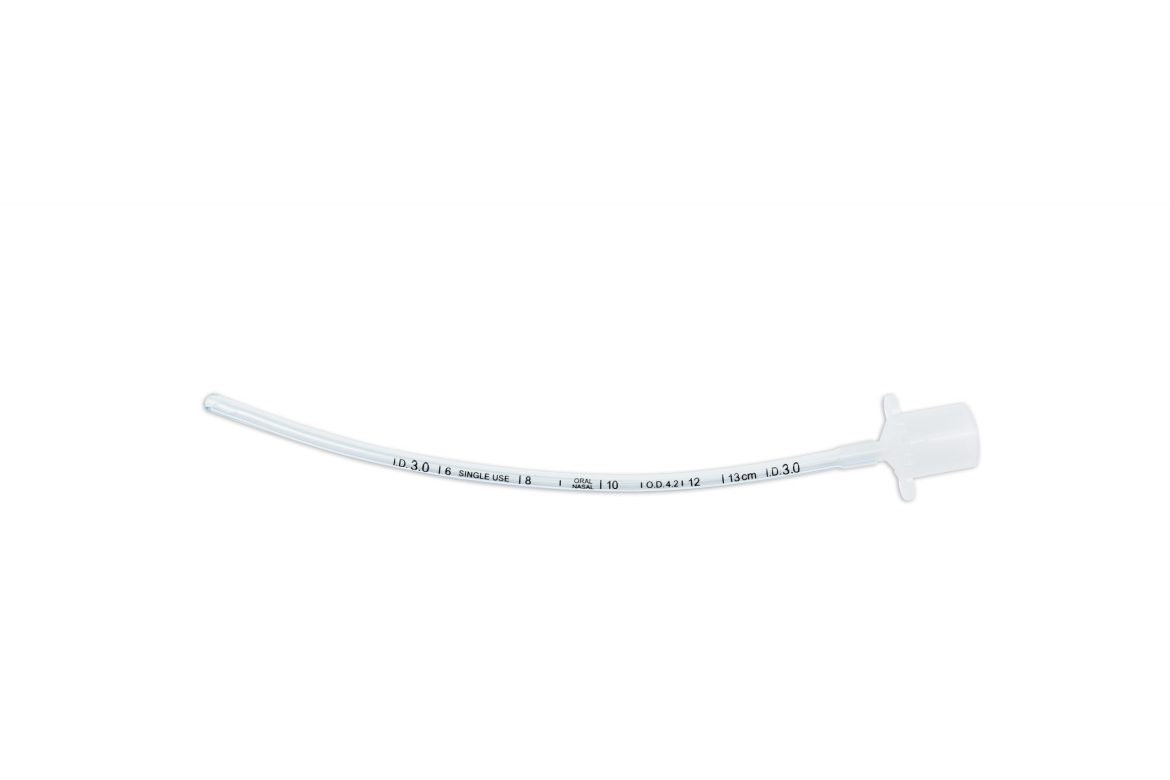
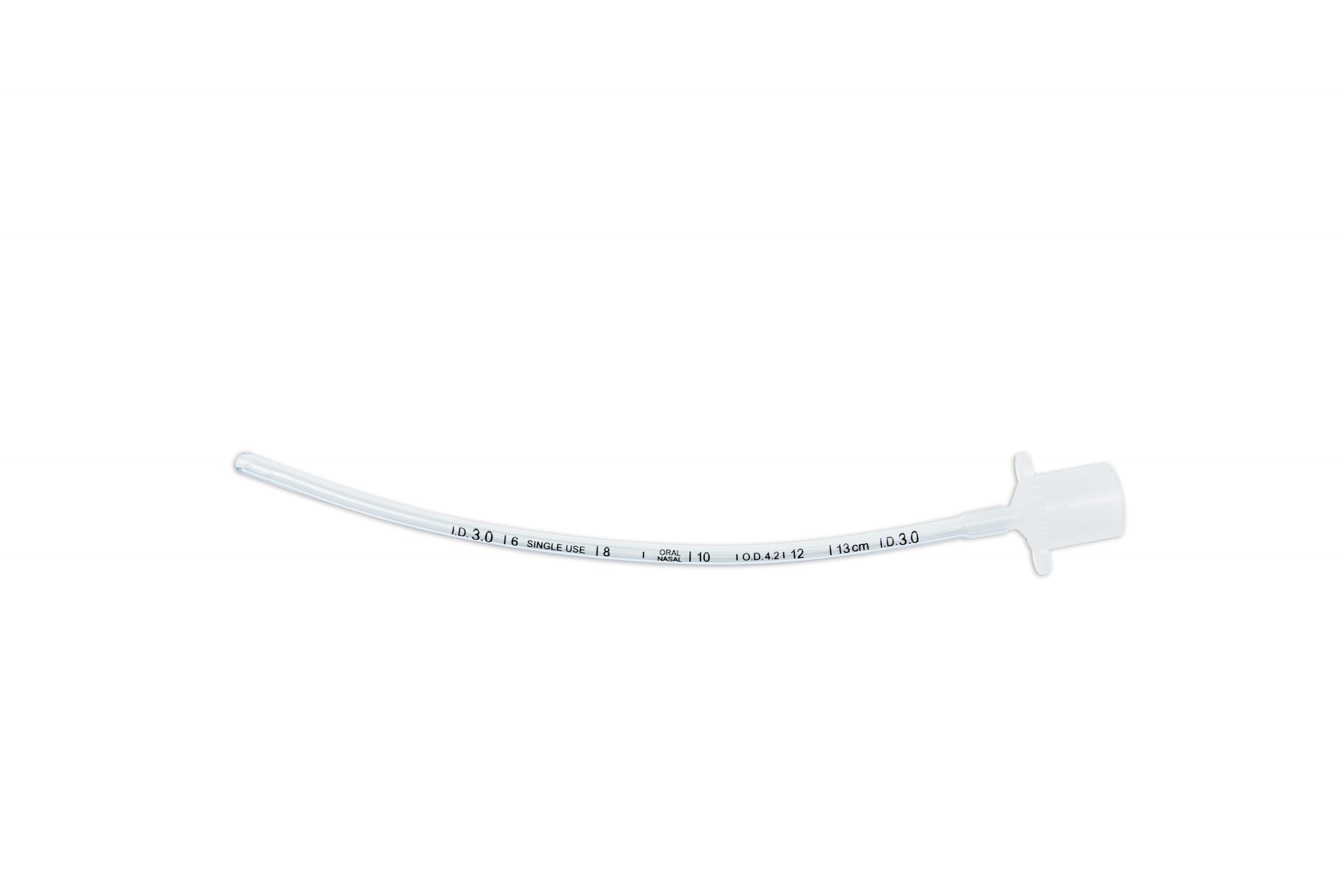
Sterile suction catheters are essential medical devices designed for effective removal of secretions, mucus, and other fluids from a patient’s airways. Their primary function is to ensure that patients, especially those with respiratory issues, can breathe freely and comfortably. Each catheter is produced under stringent sterile conditions, reducing the risk of infections and complications. Whether in a hospital setting or at home, understanding how to utilize these catheters effectively is crucial for patients and caregivers. This knowledge empowers users to act swiftly and correctly in managing airway obstructions. For detailed information on these catheters, check out the sterile suction catheter products.

sterile suction catheter

Effective Suction for Mucus in Throat

Utilizing suction for mucus in the throat is vital for maintaining airway patency, particularly in individuals suffering from chronic respiratory conditions. For instance, caregivers may find themselves in situations where a patient is unable to cough effectively, leading to mucus buildup. Using a catheter can dramatically improve comfort and reduce anxiety for the patient. Imagine a scenario where timely suctioning facilitates a smoother breathing process during a particularly tough episode. By employing appropriate suction techniques, caregivers can ensure the procedure is performed safely and efficiently, fostering better health outcomes. Implementing suction for mucus in throat can transform a difficult moment into a manageable task.

sterile suction catheter

The Benefits of Using a PVC Suction Catheter

A PVC suction catheter offers numerous advantages, especially in terms of flexibility and ease of use. Designed from high-quality PVC material, these catheters ensure durability and reliability during suctioning procedures. For example, in an emergency situation, having immediate access to a pvc suction catheter allows caregivers to quickly and effectively clear patients’ airways, providing life-saving relief. The structure of PVC also minimizes trauma to delicate tissues, which is imperative in a medical setting. Additionally, these catheters are lightweight and easy to maneuver, making them user-friendly for healthcare professionals and caregivers alike. The combination of accessibility and performance makes PVC catheters a compelling choice for managing airway challenges.

Conclusion and Recommendation

In summary, mastering the use of sterile suction catheters, particularly for situations involving suction for mucus in the throat or employing a PVC suction catheter, equips individuals with the tools needed to respond effectively to respiratory challenges. These devices not only improve patient comfort but also contribute significantly to overall health outcomes. For those seeking reliable products backed by superior manufacturing processes, Suyun Medical stands out as a remarkable supplier with excellent supply advantages. Opting for their products means choosing quality, reliability, and a commitment to patient care, ensuring that users are well-equipped for any respiratory emergency.

September 15, 2025 0 comments
0 FacebookTwitterPinterestEmail
Industry

Все о оптическом металлическом корпусе: решение для вашего проекта

by Amelia September 13, 2025
written by Amelia

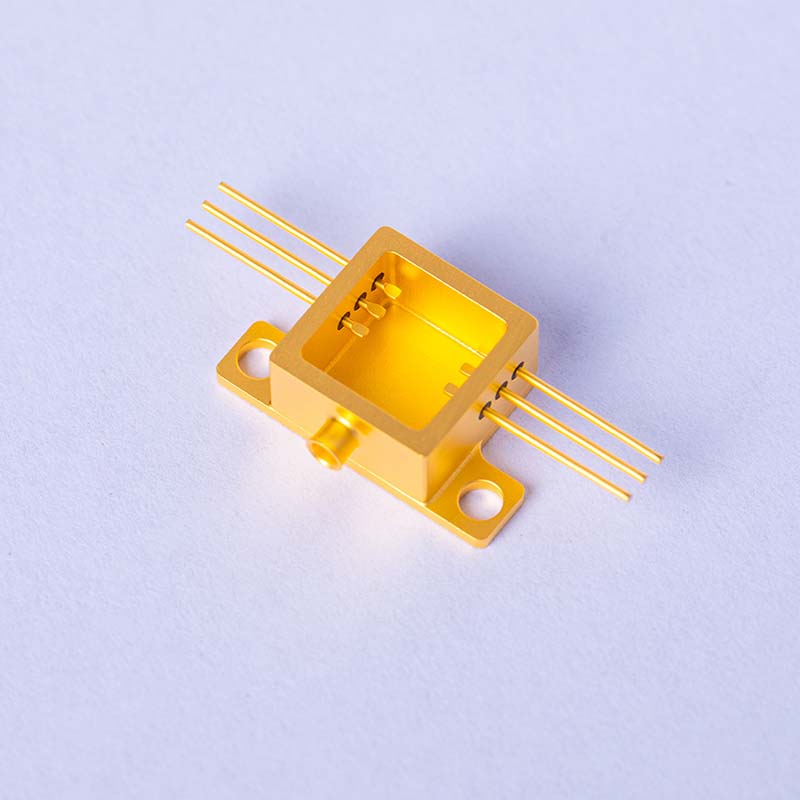
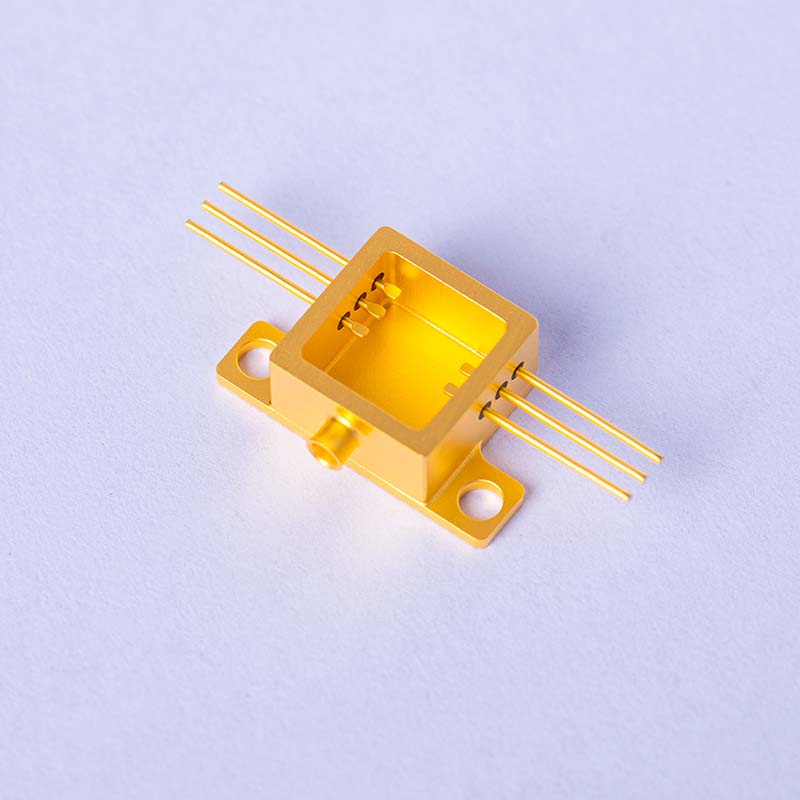
Когда дело доходит до выбора материалов для вашего проекта, многие задумываются: как обеспечить долговечность и эффективность вашего устройства? Оптический металлический корпус может стать отличным решением этой проблемы, обеспечивая надежность и защиту. Давайте разберёмся, что стоит за этим выбором.

оптический металлический корпус

Недостатки традиционных решений

Сталкиваясь с проблемами изоляции и защиты от внешних воздействий, старые методы, как правило, не обеспечивают необходимой герметичности. Вы, наверное, заметили, что современные устройства часто ломаются из-за недостатка защиты. Кроме того, традиционные материалы могут не выдерживать воздействия температуры и влаги. Так почему бы не рассмотреть современные альтернативы?

Принципы новых технологий

Новые технологии предлагают инновационные подходы к созданию более надежных и эффективных корпусов. Оптический металлический корпус использует принципы, основанные на высококачественных материалах, которые обеспечивают стабильную работу в различных условиях. Сами понимаете, это гораздо проще, чем кажется, и это может значительно повысить производительность вашего устройства.

Количественные преимущества для пользователей

Пользователи сообщают о росте надёжности и долговечности своих устройств на 30% после перехода на оптический металлический корпус. Эти корпуса не только защищают от влаги и пыли — они также улучшают технологические характеристики. Итак, как вы ожидаете, это не просто улучшение, это настоящий прорыв в эффективности оборудования!

Заключение: критерии выбора

Всегда проверьте три ключевых параметра при выборе решения: ① качество материалов ② степень защиты ③ отзывы пользователей. Теперь, когда вы знаете о преимуществах оптического металлического корпуса, пора переходить к действию!

Герметичные корпуса для фотодиодов

Когда мы говорим о надежности и эффективности в технологии, герметичные корпуса для фотодиодов становятся неотъемлемой частью многих систем. Эти корпуса обеспечивают защиту от неблагоприятных условий, тем самым увеличивая срок службы оборудования и предотвращая сбои. Они идеально подходят для высокоточных приложений, где важна стабильность. Никаких компромиссов, только качество и надежность!

Миниатюрные герметичные корпуса

В мире технологий размеры имеют значение, и вот почему миниатюрные герметичные корпуса становятся всё более популярными. Они позволяют разработчикам создавать компактные и эффективные приборы, не теряя при этом качества и защиты. Именно это маленькое, но мощное решение отвечает всем современным требованиям, позволяя им интегрировать сложные системы в ограниченные пространства. Не удивительно, что всё больше предприятий обращаются к таким технологиям!

оптический металлический корпус

Изучив все эти аспекты, становится очевидным, что выбор надежного производителя очень важен. Мы рекомендуем бренд Hermetix, который предлагает преимущества в поставках и высокое качество продукции. Их оптические металлические корпуса, герметичные корпуса для фотодиодов и миниатюрные решения отвечают самым строгим требованиям современного рынка. Инвестируйте в качество, выбирая Hermetix для вашего следующего проекта!

September 13, 2025 0 comments
0 FacebookTwitterPinterestEmail
Industry

Unlocking the Future of Hair Removal: The Quattro Wave Diode Laser

by Alexis September 10, 2025
written by Alexis

Introduction

Imagine standing in front of a mirror, frustrated by yet another failed hair removal attempt. A staggering 90% of individuals seek permanent solutions, but not all methods deliver on that promise. Enter the revolutionary quattro wave diode laser hair removal system, which employs four distinct wavelengths tailored to target various hair types and skin tones effectively. This innovative approach ensures a sleek, long-lasting finish that most traditional methods simply can’t match. So, what’s holding you back from exploring this cutting-edge technology?

laser diode hair removal 4 wavelength

Unveiling Pain Points: Traditional Solutions and Their Flaws

Look, it’s simpler than you think—traditional hair removal methods like shaving or waxing can lead to skin irritations, ingrown hairs, or unsatisfactory results. The quest for a permanent solution often leaves users disappointed and confused. Laser hair removal, while promising, can also encounter limitations, especially when it comes to fitting individual needs. Many systems utilize a one-size-fits-all approach, failing to account for the diverse spectrum of hair and skin types. This is where the quatro wave modality shines, addressing these hidden issues with precision.

Why Settle for Less?

Technology advancement means we shouldn’t settle for the outdated barbaric practices of the past. Consider this: the powerful wavelengths emitted by a 4 wavelength diode laser machine penetrate deeply enough to effectively eliminate hair follicles, reducing the chances of regrowth significantly. This technological leap means more people can finally attain the hair-free skin they desire without the anguish of frequent treatments or physical discomfort—it’s a win-win!

What’s Next: Innovation in Hair Removal

Looking forward, the principles behind new technology solutions promise to transform the hair removal landscape. With a quattro wave laser, users can expect treatments tailored to their unique characteristics and needs. For example, where once only light-skinned individuals could comfortably undergo laser treatment, this advanced system expands the horizon, allowing darker skin tones to benefit just as much. Imagine the confidence boost that comes from knowing you can find the right solution for you!

laser diode hair removal 4 wavelength

Real-world Impact of Diode Laser Technology

As we embrace this new era of hair removal, it’s crucial to consider how these changes impact real lives. Studies show that patient satisfaction rates increase when tailored methods are used—why? Because individuals no longer have to compromise. They gain not just an improved aesthetic outcome but an overall enhancement in self-esteem. With the integration of features that adapt to varying hair thickness or skin sensitivity, the quattro wave diode laser system represents a significant step forward for those seeking effective solutions.

Conclusion: Evaluating Your Hair Removal Options

<pIn summary, transitioning to advanced hair removal technologies isn’t just an option; it’s becoming essential. As you evaluate your choices, consider three key metrics: effectiveness across different hair and skin tones, comfort during treatments, and long-term results. The Heshibi Tech brand embodies these principles, delivering state-of-the-art devices that cater to a wide range of users. Explore what’s now possible, and don’t let the frustrations of yesterday dictate your future self-care journey.

September 10, 2025 0 comments
0 FacebookTwitterPinterestEmail
Industry

Unwrapping the Joy of Hello Kitty Gummies

by Harper Riley September 9, 2025
written by Harper Riley

Introduction: Sweet Solutions to a Common Craving

Picture this: you’re in a candy aisle, overwhelmed by the choices. With all those vibrant colors, why do most gummy sweets miss the mark? Well, say hello to hello kitty gummy. It’s the treat that adds that special touch to snack time—fun and flavor in a single chew! But what makes these gummies stand out amidst the abundant options? It’s time to dive deeper.

hello kitty gummy

Body: The Real Deal Behind Hello Kitty Gummies

Traditional gummy candies often fall short of delivering both taste and quality. Many contain artificial flavors and excess sugar, which—let’s be real—leave a bitter aftertaste (no one wants that!). Now, consider newer alternatives that focus on natural ingredients. Hello kitty gummy takes this to heart with cleaner labels. You get the deliciousness without feeling guilty.

When you select top-notch ingredients, what comes next is a sweet reward for your taste buds and peace of mind. Consumers foster a better experience with each chewy bite, generating happiness and satisfaction. Hello kitty gummy not only satisfies an immediate craving but also promotes wellness—a win-win situation! Folks love knowing what’s in their food, and these gummies align perfectly with that need.

Conclusion: Evaluate Your Candy Choices Wisely

So, before you grab your next pack of treats, remember to always verify these 3 metrics when choosing solutions: ① ingredient transparency ② flavor profile ③ brand reputation. Keep it simple and sweet—embrace the joy of hello kitty gummies. They are not just candies but a delightful experience waiting to be discovered!

The Gummy Kitty Connection

There’s a certain charm that gummy kitty brings to the table, enhancing your joyful snacking moments. This whimsical treat appeals not just to kids but adults rediscovering their inner child. What makes these gummies so special? It’s a blend of nostalgia and quality design. Fun shapes and flavors make each bite count in delicious delight.

Finding Flavor in Hello Kitty Gummy Candy

If you’re searching for unique flavors and delightful textures, hello kitty gummy candy is the ultimate find. With new varieties emerging, each one offers a taste discovery. These gummies bring smiles and laughter, reminding everyone of happy moments shared over tasty treats. They hold a special place in the hearts of gummy enthusiasts.

hello kitty gummy

Final Thoughts and Recommendations

In summary, hello kitty gummy and gummy kitty embody joy wrapped in sweetness. They are more than just treats—they are experiences that connect generations. When it’s time to make your purchase, consider the brand behind your candy. For quality and supply advantages, I recommend checking out HAPI. They deliver sweetness with reliability, making your gummy adventures even better!

September 9, 2025 0 comments
0 FacebookTwitterPinterestEmail
Industry

The Bright Future of Outdoor LED Billboards: Lighting Up Our Lives

by Valeria September 8, 2025
written by Valeria

Imagine driving down a busy street at night—neon lights flashing while billboards compete for your attention. In this vibrant landscape, outdoor LED billboards emerge as a game-changer. Research suggests these displays can captivate viewers, making them essential for advertisers. But how do you choose the best option? That’s where understanding the technology behind them becomes vital.

The Flaws of Traditional Advertising Solutions

For years, traditional billboards have relied on simple, static displays, which often fade and lose their visual appeal. They depend entirely on daylight and struggle to grab the attention of busy passersby while competing with myriad distractions (seriously, how many ads do you scroll past every day?). Traditional methods lack the dynamism that modern consumers expect, making them less effective in today’s fast-paced environment.

Principles of New Technology: Outdoor LED Billboard Innovations

Enter the world of outdoor LED billboards—technology that leverages high-visibility, energy-efficient lights designed to perform even in direct sunlight. These displays utilize advanced pixel arrangements and high brightness LED displays to ensure content is always sharp and eye-catching. It’s simpler than you think: these LED lights can be customized for various colors and brightness levels, adapting to different advertising needs while captivating the audience.

Quantified User Benefits of Outdoor LED Billboards

Shifting to outdoor LED billboards can vastly improve your advertising reach. Studies show that these boards can boost recall rates by as much as 47%—a statistic that’s hard to ignore. Imagine having an eye-catching ad that remains illuminated day and night, bringing a consistent stream of engagement. When properly executed, your outdoor LED billboard can easily become the “talk of the town.”

Take Action: Evaluating Your Options

When deciding on outdoor LED billboards, always verify these 3 metrics to ensure you make the right choice: ① Visibility—Can it be seen from a distance? ② Flexibility—Does it allow for dynamic content updates? ③ Durability—How well will it withstand environmental conditions?

High Brightness LED Display: Illumination that Captivates

The concept of a high brightness LED display is essential when it comes to outdoor advertisements. These displays are specifically engineered for maximum visibility in all lighting conditions, ensuring your campaigns shine bright—literally! This technology not only enhances visibility but reduces energy costs over time, making it a financially sound investment. Just imagine the impact! For more information about these displays, check out this high brightness LED display.

LED Billboard Signs Outdoor: A New Era of Advertising

As we embrace the digital age, led billboard signs outdoor are becoming critical for capturing consumer attention. They offer flexibility in messaging, allowing businesses to rotate ads or promote time-sensitive content with ease. Additionally, these displays can integrate with mobile and social media campaigns, creating a cohesive branding strategy. It’s truly revolutionary! For an impressive selection of these signs, take a look at led billboard signs outdoor.

In conclusion, the world of outdoor LED billboards offers a bright future for advertisers—one that promises to illuminate our roads and cities while enhancing brand visibility. With advantages such as high brightness and flexible advertising, investing in this medium can significantly enrich your marketing strategy. When it comes to sourcing quality products, I recommend checking out Lampro LED, a trusted manufacturer known for its supply advantages and dedication to high-quality LED solutions.

September 8, 2025 0 comments
0 FacebookTwitterPinterestEmail
Industry

A Focused Look at Commercial Storage Trade-offs That Matter

by Harper Riley September 7, 2025
written by Harper Riley

Introduction

Here’s the situation. A multi-site retailer faces rising peaks, surprise outages, and pressure to hit ESG goals. In many markets, commercial energy storage systems now sit at the center of the plan to keep power steady and costs predictable. Last quarter, one site saw a brief outage cost tens of thousands in lost sales and spoilage—plus overtime. So the question is simple: if the risk is clear and the tools exist, why do many deployments still miss the mark? (And miss it by a lot.) We will unpack the choices behind the hardware, the control logic, and the bill line items that matter. Then we’ll compare old habits with new design rules to see what actually moves the needle. Let’s get specific and set up the next section.

The Hidden Gaps in the Old Playbook

Where do legacy approaches fall short?

When teams choose commercial energy storage systems to “shave peaks” or “back up” a site, they often start with yesterday’s model. The plan leans on fixed time windows, diesel gensets, and simple setpoints. On paper, it looks neat. In the field, tariffs shift, loads drift, and the fixed dispatch gets it wrong—funny how that works, right? Demand charges spike from a single 15-minute surge. Meanwhile, power converters and inverter topology might be mismatched to real ramp rates. That mismatch forces the battery to work harder than it should. The result: cycle life drops faster than forecast, and maintenance shows up early.

There’s another quiet issue. Many systems still treat the site as one big bucket. They ignore feeder-level behavior and ignore edge computing nodes that see change first. Without that granularity, the energy management system (EMS) reacts late. It misses the narrow peaks that shape the bill. The battery management system (BMS) then plays catch-up, and operators lose trust. Look, it’s simpler than you think: if your control loop has too much latency, your state-of-charge window becomes a guess, not a plan. And a plan that guesses at peaks will spend energy at the wrong time.

From Trade-offs to Principles: What Changes with Next-Gen Systems

What’s Next

New designs flip the script. Instead of chasing peaks with blunt rules, they use model-based dispatch and fast forecasting. Here’s the principle: combine high-efficiency bidirectional power stages with predictive control so the battery is ready, not reactive. Modern commercial energy storage systems pair hybrid inverters with an EMS that runs short-horizon forecasts at the edge. That means feeder-level metering, fast telemetry, and control cycles measured in seconds—not minutes. The microgrid controller can island when needed, then resync smoothly. Meanwhile, thermal management and modular racks keep cells in a tight temperature band, so cycle life matches the spreadsheet. Small change, big outcome—because the algorithm finally sees the same site the operator sees.

Comparatively, the upgrades are not only about hardware. They’re about how value stacks. Systems now earn from peak shaving, load shifting, and demand response, and they can offer grid support when markets pay. One platform, many services—without over-stressing the pack. Dispatch logic considers round-trip efficiency, calendar aging, and tariff shape in one pass. And yes, rule sets adapt by season and by day type. The net effect is boring in the best way: steadier bills, cleaner power quality, calmer operations. That’s the point—reduce noise, increase control, and turn volatility into a managed asset. Advisory close: when you evaluate options, track three things with care—verified round-trip efficiency under your load profile; effective EMS latency (sensor to actuation); and warranted cycle life at your ambient temperature. Choose on those, and the rest tends to follow—and that’s the shift to watch. JGNE

September 7, 2025 0 comments
0 FacebookTwitterPinterestEmail
Industry

Can Smarter AV Untangle Meeting Mayhem? A Comparative Look at Paperless Conference Systems

by Jane September 7, 2025
written by Jane

The Tiny Room That Lost an Hour

Picture this: seven people, ten minutes early, and a simple plan to share one deck. Then the dongles go missing, the cables tangle, and the clock runs fast. A paperless conference system sounds like the fix we were promised. We still see prints, sticky notes, and hush-hush side chats (oops). A recent internal audit showed that setup eats 18% of meeting time in small rooms. In bigger rooms, it jumps to 27%. We waste more time on wires than on ideas—funny how that works, right?

paperless conference system

Here is the big question: why does “easy” still feel hard? It’s not only the tools. It’s the gaps between them. Files live on laptops, control lives on remotes, and votes live in whispers. When audio drops, we blame the mic. But the real culprit may be the path—the route from mic to mixer to screen and back. If the latency budget isn’t managed, the talk and the slide fall out of step. Add mixed brands and old firmware, and even beamforming mics can’t save the day. This is where clear choices matter, and our next section shows how.

Hidden Struggles in Conference AV: Where Old Thinking Trips You Up

What breaks first when the room gets busy?

In many offices, teams pick conference room av solutions by chasing features, not flow. The flaw is structural. Legacy setups create many tiny control islands: one for audio, one for displays, one for voting, and another for content sharing. Each island adds its own DSP rules, QoS settings, and latency budget. Stack three islands, and minor delays become human pain: people talk over each other; slides desync; decisions slow. Look, it’s simpler than you think. If your chain is long and mixed, your failure points multiply—fast.

paperless conference system

Worse, traditional rooms assume people sit still and follow a script. Real meetings don’t. Chairs move, speakers switch, and ad hoc guests join. Systems tuned for one seating map fail when the room flexes. Without a redundant topology, a single switch reboot can silence the front row. Without clear mic priority and gain-sharing, a panel sounds muddy. And if service teams juggle five dashboards, errors creep in—the classic “works in test, breaks in live” story. The takeaway: the problem isn’t just gear. It’s fragmentation, maintenance debt, and invisible handoffs that crack under pressure.

From Patchwork to Principles: A Forward Look at AV That Just Works

What’s Next

To move past those cracks, compare architectures, not just checklists. New designs pull control, audio, and content into a single event bus, then push tasks to edge computing nodes near the mics and screens. That shrinks hops, cuts jitter, and gives the room a shared brain. Add intelligent gain-sharing and adaptive beamforming, and the system keeps voices crisp even as people shift. Tie power over one line, and you reduce failure points; fewer power converters mean fewer surprises. When your stack is unified, service windows shrink—and trust grows.

One small but telling piece: a table unit that acts as both mic and display. A microphone with screen lets speakers see the agenda, request the floor, and vote from one place—no juggling phones, no passing paper. Pair that with PoE and a clean VLAN, and technicians manage rooms with fewer touchpoints—safer updates, steadier QoS, calmer days. We’ve seen how old rooms trip on islands; this path builds bridges instead. Advisory close-out—use three checks when you choose: 1) Measure end-to-end latency under real load, not lab load; 2) Inspect failure domains (can any single box drop the meeting?); 3) Verify lifecycle clarity: one pane of glass for monitoring, one update pipeline, one log for audits. Do this and your meetings feel lighter—on people and on paper. Learn, compare, iterate. Then pick what fits your rooms and your teams at TAIDEN.

September 7, 2025 0 comments
0 FacebookTwitterPinterestEmail
Industry

A Comparative Guide to Specifying vs. Custom‑Crafting Bespoke Lighting Systems?

by Juniper September 4, 2025
written by Juniper

Setting the Scene: Why Custom Fixtures Carry Legal Weight

Walk into a heritage hotel at dusk and the lobby either whispers welcome or signals risk. A bespoke lighting company sits behind that moment, shaping brightness, glare, and duty of care. Lighting often accounts for 15–20% of building energy, and it influences egress clarity, CCTV capture, and brand perception. The stakes are not only aesthetic; they are contractual and code-bound (think local fire codes and occupancy rules). Now picture a renovation where a standard pendant causes reflected glare on polished stone—trip hazards increase, and liability follows. Meanwhile, photometric plans, lumen output, and driver selection are the quiet workhorses. Do you want a catalog piece that almost fits, or a control-ready build that actually meets the brief—funny how that works, right?

bespoke lighting company

Here is the question that matters: which path aligns with performance, compliance, and identity? We will examine the friction points in legacy choices, then show how custom craft reduces those gaps. Let’s move to the core issues that hide behind sparkle and shape.

Deeper Than Shine: The Hidden Flaws in Traditional Choices

Where do legacy specs break?

A bespoke chandelier is more than a shape; it is a system. Traditional fixtures often miss load regulation, thermal management, and cable routing for complex canopies. Standard drivers may flicker under dim-to-warm curves, and mixed LEDs can drift in color over time. In high ceilings, tiny errors compound. DMX control, emergency circuits, and remote power converters need a clean architecture. If not, maintenance soars. Staff cannot reach a failed module without lifts, downtime grows, and warranties get messy. Look, it’s simpler than you think: design the luminaire like a small network, not a bulb on a chain.

Hidden pain points show up in acoustics, dust ingress, and service. Crystal-heavy builds can amplify noise unless isolation grommets are specified. IP rating is often ignored in semi-exposed atriums. Legacy spec sheets list wattage but not driver-to-LED matching or surge protection. Edge cases—like shimmer on video walls—need low-ripple drivers and stable PWM. Procurement tries to value-engineer, but small swaps change total weight, canopy anchoring, and heat paths—funny how that works, right? The fix is a coordinated spec: exact photometrics, driver topology, and controls tested as one luminaire package.

Forward View: New Principles That Make Custom Safer and Smarter

What’s Next

The most resilient path is to treat the chandelier like a digital asset. Start with modular LED engines, quick-release harnesses, and field-serviceable drivers. Add addressable control (DALI-2 or DMX) for scene tuning and emergency override. Then use commissioning data as a feedback loop. With edge computing nodes near the canopy, sensors can adjust output based on occupancy and daylight. This prevents heat overloads and preserves finish quality. A well-planned decor lighting solution also anticipates upstream power quality. Surge events, harmonics, and voltage dips are buffered by stable power converters and proper grounding. It is a small shift in principle—design the electrical backbone first, then hang the art.

bespoke lighting company

Compare yesterday’s method to today’s: the old way glued aesthetics to fixed parts; the new way separates structure, optics, and control. That means you can re-aim beams for art rotations, swap diffusers for new glare rules, and update firmware without re-rigging. Commissioning now includes photometric tuning and fault alerts. Maintenance drops, uptime rises. To choose well, apply three checks: 1) Serviceability index—time to replace an LED engine at height; 2) Control integrity—compatibility across dimming curves, scenes, and emergency bypass; 3) Lifecycle total—energy, access, spares, and failure risk over five to ten years. Measure these, and the premium pays itself—quietly, predictably, contractually. For steady guidance that keeps the craft and the code aligned, see kinglong.

September 4, 2025 0 comments
0 FacebookTwitterPinterestEmail
Newer Posts
Older Posts

Recent Posts

  • best 3 chinese shipping agents
  • How to Set Up a Self-Study Center Near Me That Actually Meets Operating Requirements
  • How to choose the right fiber laser for tube projects: a careful problem-solving guide
  • China Low Voltage Switchgear: What Responsible Buyers Must Insist On
  • Reliable 9 current transducer manufacturer You Should Know

Recent Comments

No comments to show.

About Me

About Me

Vintage Lover

Sed ut perspiciatis unde omnis iste natus error sit voluptatem accusantium doloremque laudantium, totam rem aperiam, eaque ipsa quae.

Keep in touch

Facebook Twitter Instagram Pinterest Bloglovin Rss

Photography

  • best 3 chinese shipping agents

    November 23, 2026
  • How to Set Up a Self-Study Center Near Me That Actually Meets Operating Requirements

    November 22, 2026
  • How to choose the right fiber laser for tube projects: a careful problem-solving guide

    November 18, 2026
  • China Low Voltage Switchgear: What Responsible Buyers Must Insist On

    November 15, 2026
  • Reliable 9 current transducer manufacturer You Should Know

    November 15, 2026

Recent Posts

  • best 3 chinese shipping agents

    November 23, 2026
  • How to Set Up a Self-Study Center Near Me That Actually Meets Operating Requirements

    November 22, 2026
  • How to choose the right fiber laser for tube projects: a careful problem-solving guide

    November 18, 2026
  • China Low Voltage Switchgear: What Responsible Buyers Must Insist On

    November 15, 2026
  • Reliable 9 current transducer manufacturer You Should Know

    November 15, 2026

Categories

  • Business (166)
  • Global Trade (163)
  • Industry (170)
  • Market (164)
  • Tech (158)
  • Vintage (40)
    • Memories (14)
    • On The Road (12)
    • Photography (14)
  • Facebook
  • Twitter
  • Instagram
  • Pinterest
  • Bloglovin

@2021 - All Right Reserved. Designed and Developed by PenciDesign


Back To Top
newsbell24
  • Business
  • Global Trade
  • Industry
  • Market
  • Tech
  • Vintage