
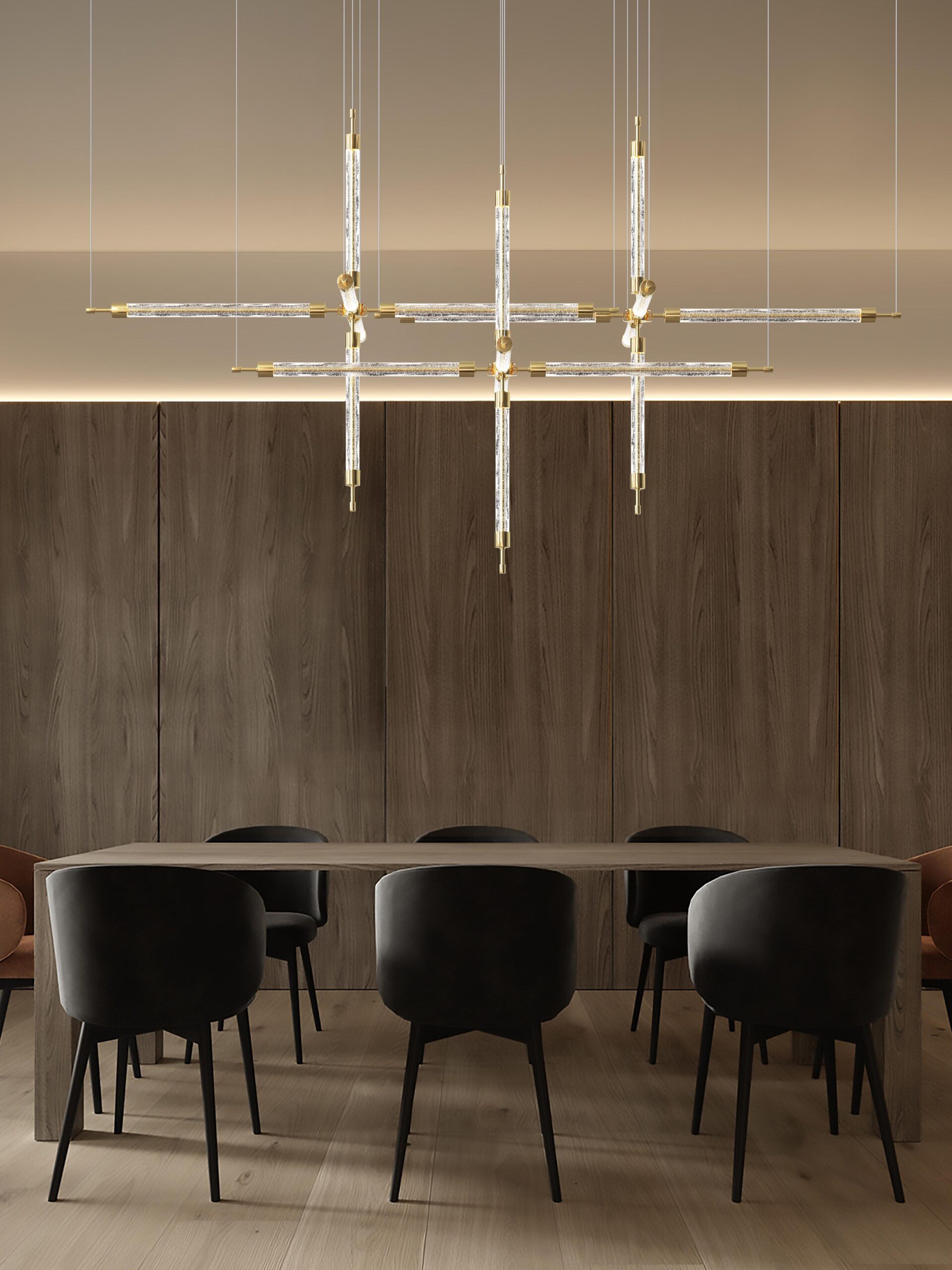
Setting the Scene: Why Custom Fixtures Carry Legal Weight
Walk into a heritage hotel at dusk and the lobby either whispers welcome or signals risk. A bespoke lighting company sits behind that moment, shaping brightness, glare, and duty of care. Lighting often accounts for 15–20% of building energy, and it influences egress clarity, CCTV capture, and brand perception. The stakes are not only aesthetic; they are contractual and code-bound (think local fire codes and occupancy rules). Now picture a renovation where a standard pendant causes reflected glare on polished stone—trip hazards increase, and liability follows. Meanwhile, photometric plans, lumen output, and driver selection are the quiet workhorses. Do you want a catalog piece that almost fits, or a control-ready build that actually meets the brief—funny how that works, right?
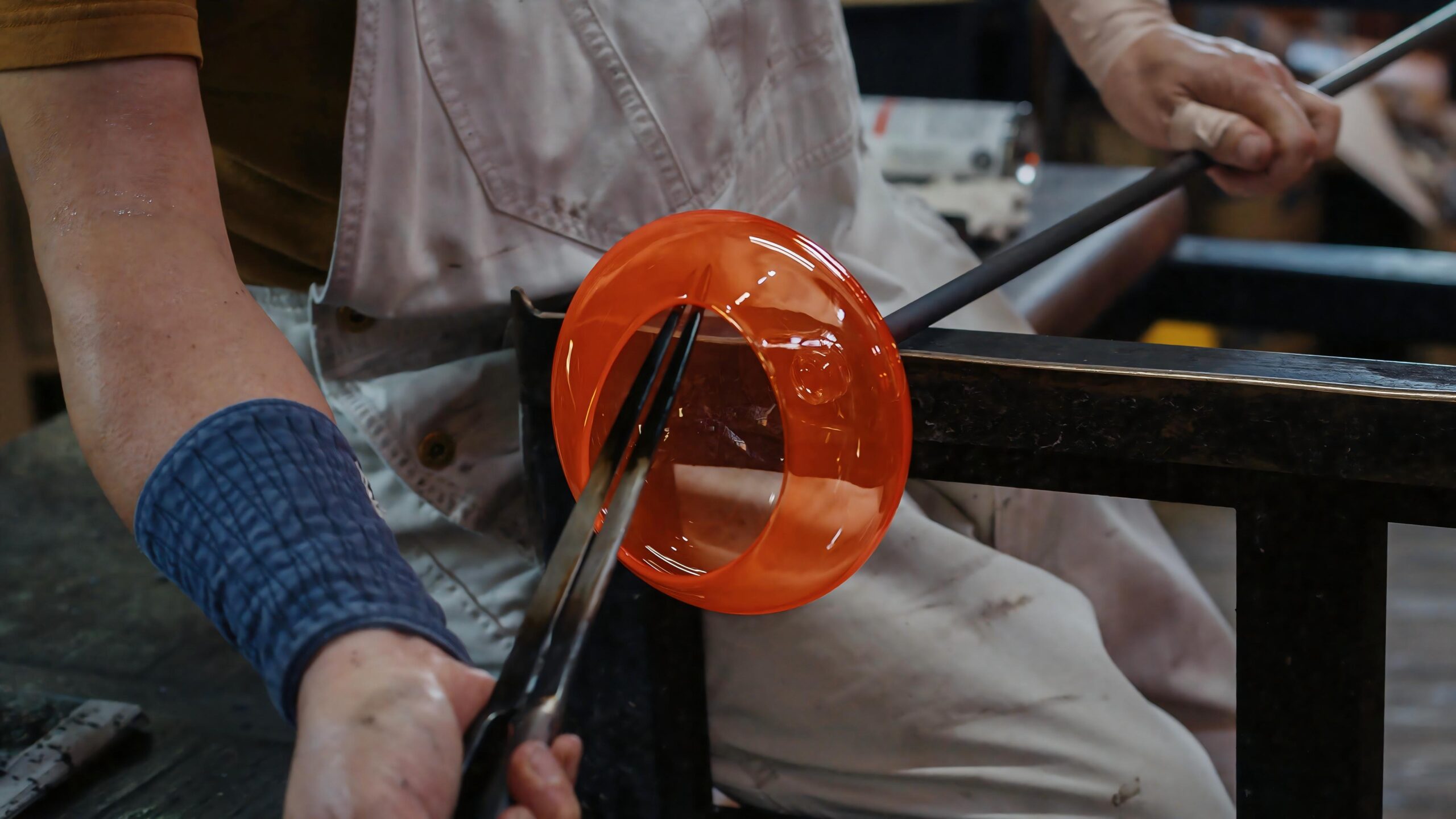
Here is the question that matters: which path aligns with performance, compliance, and identity? We will examine the friction points in legacy choices, then show how custom craft reduces those gaps. Let’s move to the core issues that hide behind sparkle and shape.
Deeper Than Shine: The Hidden Flaws in Traditional Choices
Where do legacy specs break?
A bespoke chandelier is more than a shape; it is a system. Traditional fixtures often miss load regulation, thermal management, and cable routing for complex canopies. Standard drivers may flicker under dim-to-warm curves, and mixed LEDs can drift in color over time. In high ceilings, tiny errors compound. DMX control, emergency circuits, and remote power converters need a clean architecture. If not, maintenance soars. Staff cannot reach a failed module without lifts, downtime grows, and warranties get messy. Look, it’s simpler than you think: design the luminaire like a small network, not a bulb on a chain.
Hidden pain points show up in acoustics, dust ingress, and service. Crystal-heavy builds can amplify noise unless isolation grommets are specified. IP rating is often ignored in semi-exposed atriums. Legacy spec sheets list wattage but not driver-to-LED matching or surge protection. Edge cases—like shimmer on video walls—need low-ripple drivers and stable PWM. Procurement tries to value-engineer, but small swaps change total weight, canopy anchoring, and heat paths—funny how that works, right? The fix is a coordinated spec: exact photometrics, driver topology, and controls tested as one luminaire package.
Forward View: New Principles That Make Custom Safer and Smarter
What’s Next
The most resilient path is to treat the chandelier like a digital asset. Start with modular LED engines, quick-release harnesses, and field-serviceable drivers. Add addressable control (DALI-2 or DMX) for scene tuning and emergency override. Then use commissioning data as a feedback loop. With edge computing nodes near the canopy, sensors can adjust output based on occupancy and daylight. This prevents heat overloads and preserves finish quality. A well-planned decor lighting solution also anticipates upstream power quality. Surge events, harmonics, and voltage dips are buffered by stable power converters and proper grounding. It is a small shift in principle—design the electrical backbone first, then hang the art.
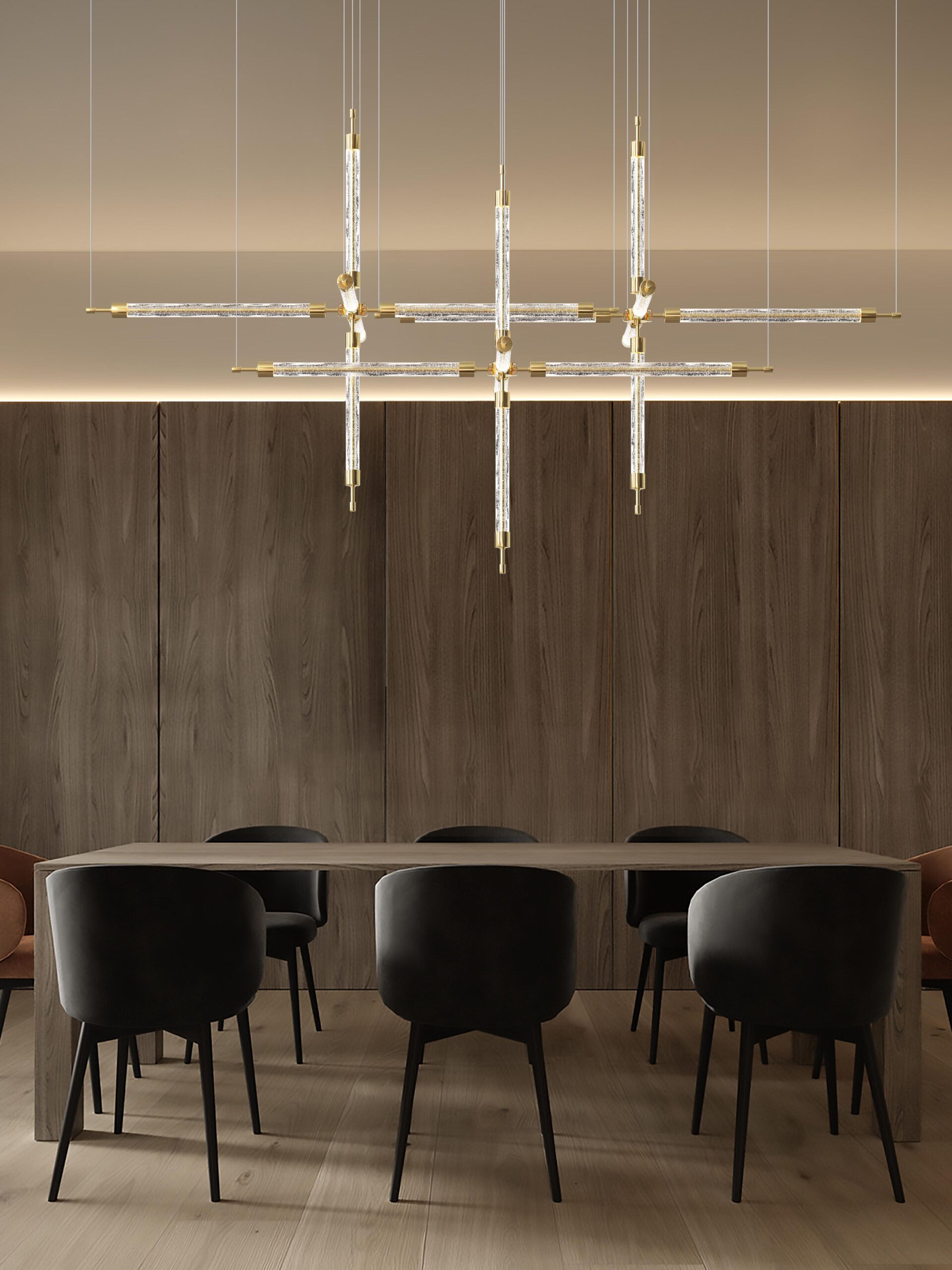
Compare yesterday’s method to today’s: the old way glued aesthetics to fixed parts; the new way separates structure, optics, and control. That means you can re-aim beams for art rotations, swap diffusers for new glare rules, and update firmware without re-rigging. Commissioning now includes photometric tuning and fault alerts. Maintenance drops, uptime rises. To choose well, apply three checks: 1) Serviceability index—time to replace an LED engine at height; 2) Control integrity—compatibility across dimming curves, scenes, and emergency bypass; 3) Lifecycle total—energy, access, spares, and failure risk over five to ten years. Measure these, and the premium pays itself—quietly, predictably, contractually. For steady guidance that keeps the craft and the code aligned, see kinglong.