
The Tiny Room That Lost an Hour
Picture this: seven people, ten minutes early, and a simple plan to share one deck. Then the dongles go missing, the cables tangle, and the clock runs fast. A paperless conference system sounds like the fix we were promised. We still see prints, sticky notes, and hush-hush side chats (oops). A recent internal audit showed that setup eats 18% of meeting time in small rooms. In bigger rooms, it jumps to 27%. We waste more time on wires than on ideas—funny how that works, right?
Here is the big question: why does “easy” still feel hard? It’s not only the tools. It’s the gaps between them. Files live on laptops, control lives on remotes, and votes live in whispers. When audio drops, we blame the mic. But the real culprit may be the path—the route from mic to mixer to screen and back. If the latency budget isn’t managed, the talk and the slide fall out of step. Add mixed brands and old firmware, and even beamforming mics can’t save the day. This is where clear choices matter, and our next section shows how.
Hidden Struggles in Conference AV: Where Old Thinking Trips You Up
What breaks first when the room gets busy?
In many offices, teams pick conference room av solutions by chasing features, not flow. The flaw is structural. Legacy setups create many tiny control islands: one for audio, one for displays, one for voting, and another for content sharing. Each island adds its own DSP rules, QoS settings, and latency budget. Stack three islands, and minor delays become human pain: people talk over each other; slides desync; decisions slow. Look, it’s simpler than you think. If your chain is long and mixed, your failure points multiply—fast.
Worse, traditional rooms assume people sit still and follow a script. Real meetings don’t. Chairs move, speakers switch, and ad hoc guests join. Systems tuned for one seating map fail when the room flexes. Without a redundant topology, a single switch reboot can silence the front row. Without clear mic priority and gain-sharing, a panel sounds muddy. And if service teams juggle five dashboards, errors creep in—the classic “works in test, breaks in live” story. The takeaway: the problem isn’t just gear. It’s fragmentation, maintenance debt, and invisible handoffs that crack under pressure.
From Patchwork to Principles: A Forward Look at AV That Just Works
What’s Next
To move past those cracks, compare architectures, not just checklists. New designs pull control, audio, and content into a single event bus, then push tasks to edge computing nodes near the mics and screens. That shrinks hops, cuts jitter, and gives the room a shared brain. Add intelligent gain-sharing and adaptive beamforming, and the system keeps voices crisp even as people shift. Tie power over one line, and you reduce failure points; fewer power converters mean fewer surprises. When your stack is unified, service windows shrink—and trust grows.
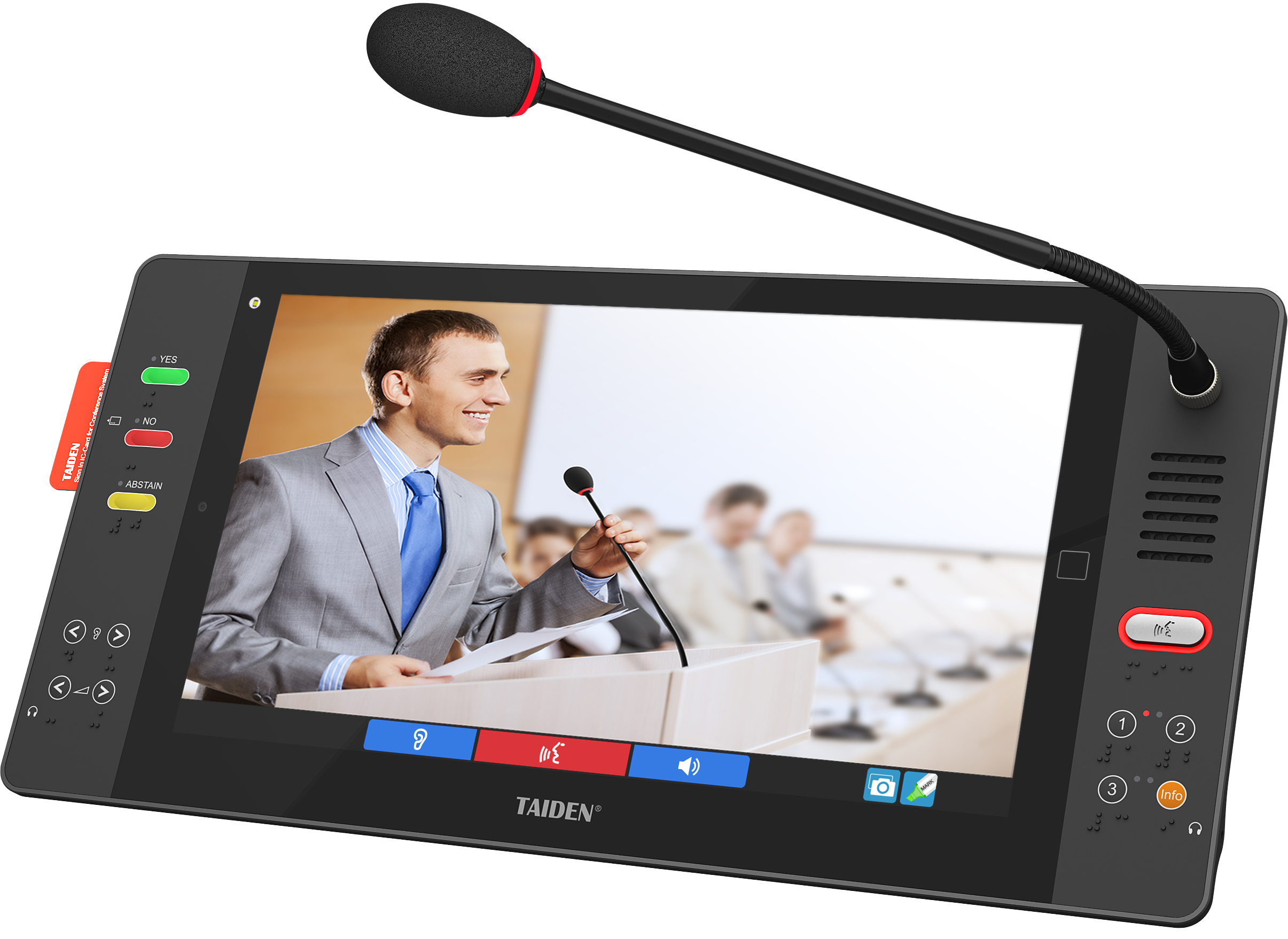
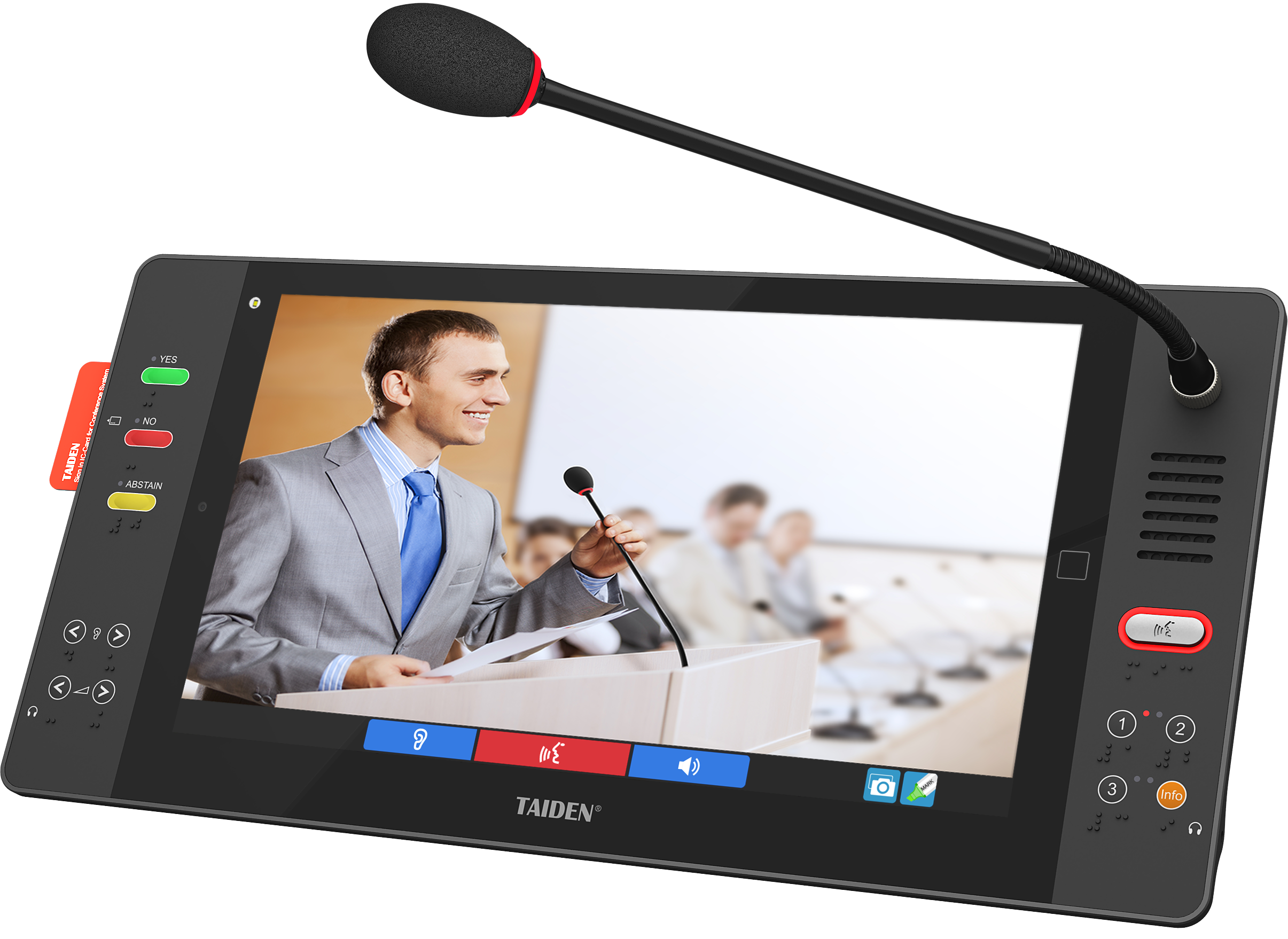
One small but telling piece: a table unit that acts as both mic and display. A microphone with screen lets speakers see the agenda, request the floor, and vote from one place—no juggling phones, no passing paper. Pair that with PoE and a clean VLAN, and technicians manage rooms with fewer touchpoints—safer updates, steadier QoS, calmer days. We’ve seen how old rooms trip on islands; this path builds bridges instead. Advisory close-out—use three checks when you choose: 1) Measure end-to-end latency under real load, not lab load; 2) Inspect failure domains (can any single box drop the meeting?); 3) Verify lifecycle clarity: one pane of glass for monitoring, one update pipeline, one log for audits. Do this and your meetings feel lighter—on people and on paper. Learn, compare, iterate. Then pick what fits your rooms and your teams at TAIDEN.