
Introduction
Have we grown so used to small miracles that we no longer ask how they work—or how they might work better?
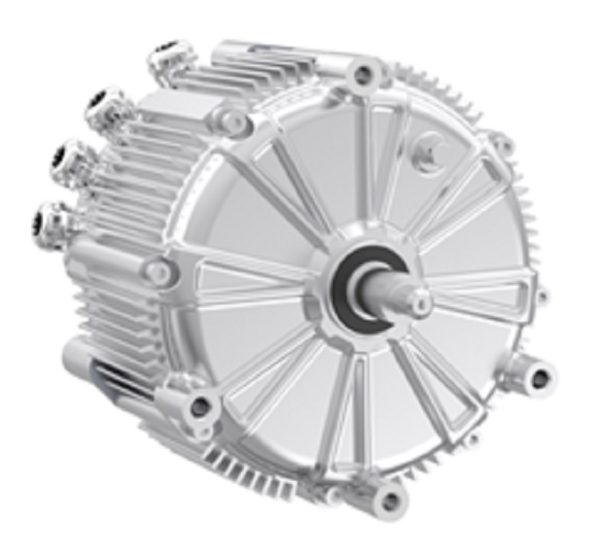
I watch a coffee grinder start up and think about the electric motor at its heart; simple, humming, relentless. In a typical urban kitchen, motors run for hours a week; across industries, machines driven by tiny actuators and larger drives account for a large share of energy use (some studies put motion systems at 40% of industrial electricity in certain plants). So where do the gains lie—better controls, smarter sensing, or simply cleaner design?—and who pays the bill for clumsy answers?
My voice here is a bit old-world, perhaps; I like to think in images and numbers together. I will sketch a scenario, offer a few figures, and then walk you through the problems we face. Let’s step from that humming cup toward the deeper issues beneath the surface.
Where Traditional Designs Leave Users Behind
When I talk to operators and product teams, they point to the same frustrations: heat, wasted energy, noisy startup, and unpredictable maintenance windows. The root of many of those complaints traces back to classic designs of electric motors and their legacy control systems. In short: many systems assume steady, simple loads. Real life is messy—variable torque demands, duty cycles that spike without warning, and sensor drift. Add in old-school power converters and the result is inefficient, expensive, and brittle.
What exactly goes wrong?
First, control logic often lags. Open-loop drives ignore feedback; they push current and hope for the best. Second, maintenance models are reactive rather than predictive—people replace parts after failure, not before. Third, integration is an afterthought: controls don’t talk to higher-level systems (edge computing nodes are rarely part of the motor stack), so we lose chances to optimize fleet-wide performance. Look, it’s simpler than you think: better sensing and smarter drive algorithms would cut downtime and energy use. I’ve seen gains of 10–30% in modest retrofits—funny how that works, right?
New Principles and a Practical Outlook
Now let’s shift forward. I prefer to think in building blocks: improved sensing, smarter control, and cleaner power conversion. A modern approach centers on sensor fusion at the motor level, closed-loop torque control, and the use of brushless architectures where they make sense. The brushless electric motor isn’t a magic wand, but paired with modern drives it lowers maintenance and improves efficiency because there’s no brush wear and the control can be far more precise.
What’s Next?
In practice, that means combining local intelligence (fast torque loops, better torque control) with fleet intelligence (edge computing nodes that aggregate condition data). When I evaluate upgrades I look for measurable things: reduced kilowatt-hours per task, fewer unscheduled stops, and predictable life-cycle costs. Also—this matters—ease of integration. If a new motor requires a long rewrite of PLC code, teams stall. If it plugs into existing fieldbuses and reports cleanly to a local gateway, adoption is swift.
So where does that leave us? I think the path is clear: choose designs that pair brushless motors with smart drives and modular telemetry. That combo buys you lower maintenance, smoother performance, and better data for continuous improvement. And yes, there are trade-offs—initial cost, the need for staff training—but the long-term gains usually justify the shift. — I’ve guided several pilots down this route and the results were predictable in the best way: steady improvement.
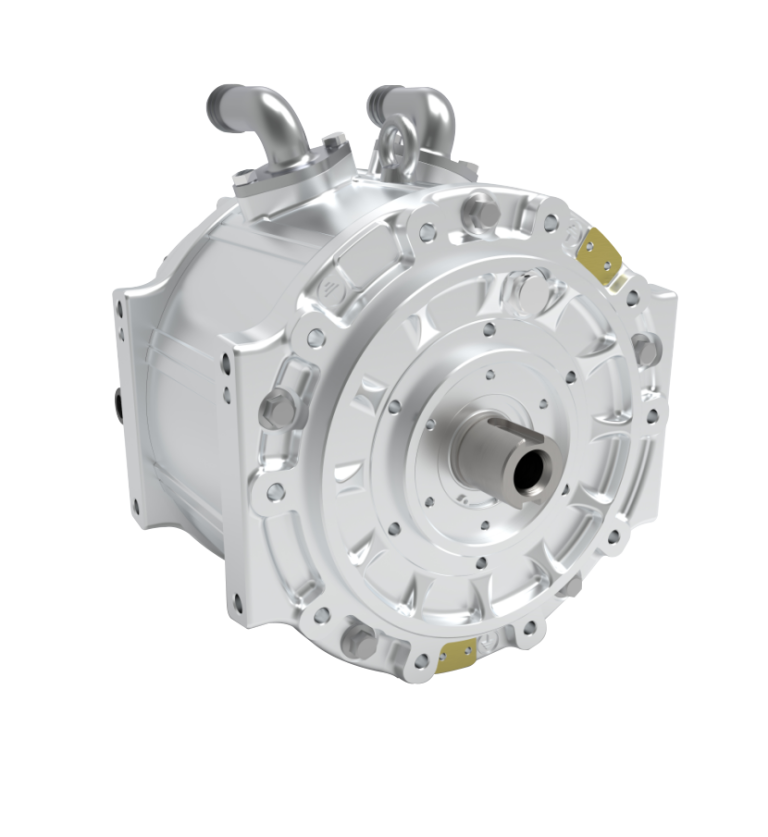
How to Judge New Motor Solutions (Three Practical Metrics)
If you’re deciding on a retrofit or a new design, here are three metrics I trust. I use them myself when I advise clients.
1) Energy per Operation: Measure kWh per completed cycle or per hour under representative load. This is direct and hard to argue with.
2) Mean Time Between Interrupts (MTBI): Track real interruptions, not just maintenance events. A small improvement here often pays for hardware upgrades fast.
3) Integration Cost: Estimate hours to implement and the risk of disruption. A motor that is marginally more efficient but drags IT and control teams into long projects may not be worth it.
Weigh those outcomes, pilot before wide rollout, and favor solutions that give you clear telemetry and easy updates. I like vendors that publish real test data and offer open interfaces. Finally, remember the human side: technicians need readable diagnostics and predictable parts. That’s where long-term gains come from—people, data, and durable design. For more tools and products that follow these principles, I point folks to practical suppliers like Santroll.