
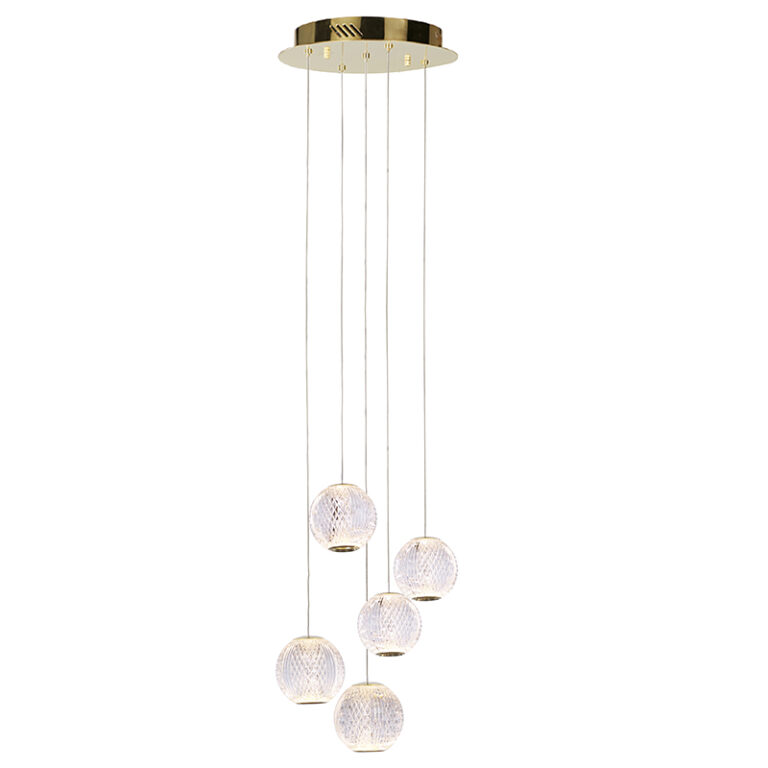
Introduction: A Technical Lens on Ambience and Efficiency
Ambient lighting is not guesswork; it is a set of measurable variables. A pendant light supplier sees this every day in specifications and site reviews. In a dining room scenario, where people sit for hours, the choice of a chrome led pendant light can change both mood and energy use. Data shows three factors dominate outcomes: lumen output per watt, color rendering index (CRI), and beam angle. Add two more—driver stability and thermal control—and you have a reliable framework. In field tests, high-CRI fixtures cut color distortion by up to 30%. Proper heat sinks extend LED life toward 50,000 hours. Stable power converters also reduce flicker fatigue. The scene matters: a long table, a reflective surface, mixed daylight. But the numbers steer design toward comfort and control (not guesswork). So the question is simple: which specs hold their ground in real homes and busy restaurants, and which look good only on paper? We will compare what most buyers expect with what actually keeps the light consistent over time—without drama.
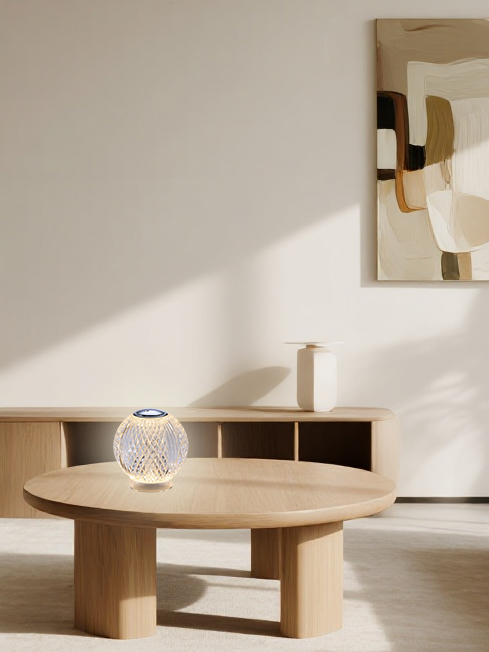
Let us move from surface style to the underlying mechanics that make or break your choice.
Comparative Insight: Why Old Fixes Falter and Chrome LEDs Deliver
What problem do chrome LEDs actually solve?
Here is the core issue: older pendants solve brightness but create heat, glare, and drift. Halogen units ran hot, cooked finishes, and raised HVAC loads. Cheap retrofits added buzz and flicker because of weak drivers. The result was visual fatigue and uneven tablescapes. A modern chrome LED pendant fixes those failures by pairing a tuned optical diffuser with a robust heat sink. That combo lowers glare while keeping the beam tight enough for plates but soft enough for faces. Look, it’s simpler than you think. When the driver is steady and the optics are clean, people feel calm, and the space reads as intentional. Even PWM dimming can be set above the visible range. The pay-off is high comfort at lower wattage, without sacrificing sparkle from the chrome finish.
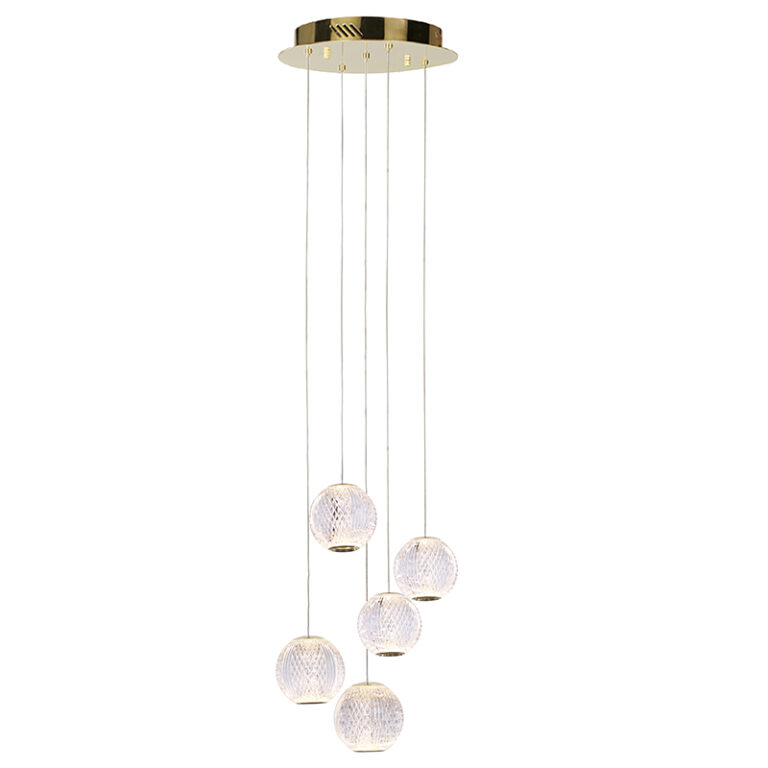
Hidden pain points should also be on your checklist. Dust shows on matte coatings; chrome wipes clean in seconds. Old transformers hummed; better drivers and a proper EMI filter keep noise out of the room. Finishes used to tarnish; chrome plating—especially with good base prep—resists that shift. Maintenance cycles shrink because LEDs run cool and stable. And when the beam angle is specified correctly, you avoid light spill onto walls and keep luminance on the table where people need it most—funny how that works, right?
Forward Look: Principles That Make the Next Gen Better
What’s Next
The new wave of pendants is defined by control and precision. Start with a constant-current driver that hits a high driver efficiency factor and supports high-frequency dimming. Pair it with TIR optics or a good diffuser to trim glare while keeping punch on center. High CRI packages now come standard, so food looks natural and people look rested. Add light scenes via Bluetooth Mesh, and you have local control that plays well with edge computing nodes in smart hubs. In side-by-side dining tests, these systems kept flicker risk near zero while holding color shift in check over long runtimes. If your goal is the best pendant light for dining room, the future is not just brighter; it is steadier and quieter. And yes, chromed hardware amplifies that crisp, modern look—without stealing warmth from the table setting.
To choose well, apply three evaluation metrics. First, verify photometrics: target lumen density over the table, the right beam angle, and CRI ≥90. Second, check the electronics: a low-ripple, constant-current driver with sound thermal path and an IP rating suited to your space. Third, confirm lifecycle costs: rated hours, driver replaceability, and cleaning ease (chrome wins here). These simple checks turn style into performance, and performance into lasting comfort. The lesson is clear: precision optics, stable power, and clean materials deliver the calm, bright dining experience people remember. For those mapping options or writing specs, keep the data close—and keep the room human. Learn more at kinglong.