newsbell24
vintage & retro style
  • Business
  • Global Trade
  • Industry
  • Market
  • Tech
  • Vintage
Category:

Market

Market

Unlocking the Future: Navigating the China Machine Tool Exhibition 2026

by John March 10, 2026
written by John

The Scene is Set

Imagine this: You’re a budding entrepreneur eager to make your mark in the machine tool industry. It’s 2026, and the international machine tools expo in China is just around the corner. With over 30 countries showcasing their latest technology and innovations, how do you ensure that your venture stands out in the crowd? The China Machine Tool Exhibition 2026 is your stage, but the pressure is on to deliver something unique.

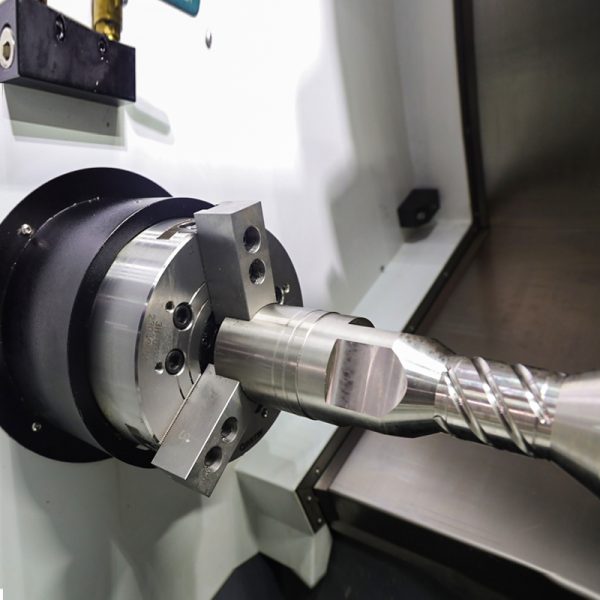
china machine tool exhibition 2026

Understanding the Landscape

I’ve been involved in the machine tool sector for over 15 years, and I vividly recall the intense buzz at past exhibitions. Each year, attendees grapple with the same age-old dilemma—how to navigate the flood of information while also scoping out fresh ideas. It’s not just about browsing the latest CNC machines; it’s about identifying the underlying flaws in traditional solutions. For instance, many companies are still haunted by outdated programming that restricts automation capabilities, which means turning that frustration into an opportunity to innovate could be your jackpot.

What Can You Gain?

Interactive workshops and live demonstrations are the highlights of the China Machine Tool Exhibition 2026. These events not only allow for hands-on experience with cutting-edge technology, but they also expose the hidden pain points prevalent in existing solutions. Aren’t you curious how these sessions can illuminate potential advancements for your own business? They could spark innovations or even partnerships, propelling you into the future of automated solutions.

Shifting Gears: A New Perspective

Heading into the exhibition, one cannot help but think about the future landscape of manufacturing. Imagine juxtaposing traditional techniques and modern technologies—how will the next shift in machine tools affect manufacturing cost efficiency or sustainability? It’s an exciting contemplation, considering how companies are increasingly focusing on eco-friendly solutions. At the upcoming international machine tools expo, the dialogue about sustainability will be front and center, with exhibitors showcasing machines designed to reduce waste or enhance energy efficiency. Sounds like a golden opportunity, right?

Real-world Impact

At the heart of this year’s exhibition is the commitment to adaptability. A vendor I once consulted with shared that adopting newer machining techniques not only reduced their production time by 30% but also significantly lowered operational costs. How’s that for a game changer? You see, the shift to more modern solutions is a must if you want to stay ahead of the curve. Each hustle at the expo could lead to insights that challenge your current paradigms. Are you ready to embrace that change?

Wrapping It Up: Your Next Steps

As we look toward the China Machine Tool Exhibition 2026, several lessons emerge. It’s essential to stay proactive in identifying shifts in technology while also adapting to new standards of sustainability. Here are three key metrics to consider: 1) Evaluate potential production efficiency gains, 2) Analyze sustainability impacts, and 3) Consider the long-term adaptability of your chosen solutions. This way, you can prepare not just for the exhibition but for the industry’s bold future. So, are you excited? I know I am. Let’s get smart about machine tools together!

china machine tool exhibition 2026

In conclusion, exploring the innovations at the nan exhibition will provide insights that can transform manufacturing strategies. Prepare to embrace these opportunities to redefine your business endeavors. Innovation awaits!


March 10, 2026 0 comments
0 FacebookTwitterPinterestEmail
Market

How to Preserve Space and Soul: A Problem-Driven Case for Modular Comfort

by Larry March 4, 2026
written by Larry

The squeeze, the statistic, the question

On a rain-heavy Tuesday I watched three roommates try to fold life into a single living room — 68% of the urban flats I consult list space as their first complaint — how do we seat them all without turning the place into a maze? I began recommending the modular sectional sofa because modern sofas must bend to real homes; I ordered a walnut-framed sample in March 2022 for my Brooklyn showroom and saw it reclaim 12 square feet while keeping four full seats (that surprised me). I write from 18 years of selling, unboxing, and repairing pieces — I see patterns, and I also feel them: the slip of fabric, the sigh when a guest sits.

Why do standard sofas fail?

I’ll be blunt: fixed sofas betray the ebb of daily life. Their frame construction locks rooms into a single scene. Upholstery choices often ignore traffic flow. Foam density gets chosen for showroom photos, not the mess of breakfast and homework. I remember a client in Oslo, January 2020, who bought a deep-seated sofa because it looked generous; the family ended up with a cramped TV corner and an empty countertop that could have been a dining ledge. Those mistakes cost real measures — wasted square footage, frequent reupholstery, frustrated returns. We can do better; we must.

Technical clarity and the way forward

Now let me map the fix: modularity is not a style flourish, it is a small-system design. When I break down a room I count circulation lanes, seat depth needs, and visual weight — then I recompose with modules. The modular sectional sofa lets me reassign seating roles quickly; a chaise becomes a daybed, a loveseat becomes a corner, and the same cushions survive the rearrangement. Consider foam density: a 35–40 ILD core in the center keeps shape for daily use; pair that with durable upholstery and clean, serviceable legs and you have a piece that endures both parties and weekday wear. Frame construction matters — kiln-dried hardwood, reinforced joints — because modules get moved. I test these details in situ. In April 2023 I swapped a module at a Queens flat between breakfast and an evening board game; the client saved a costly second delivery. It’s pragmatic. It’s artful. (And yes — tastes change.)

What’s Next?

I believe the next wave will favor component catalogs and easy-release connectors over one-off sofas. We are moving toward modular ecosystems where clients buy a base set in 2024 and buy add-ons in 2026 as families grow or shrink. I’ve already guided two wholesale buyers to reduce return rates by reshuffling inventory into mix-and-match kits — measurable, not theoretical. The lesson: solve for movement and you solve for living. Short interruption — I’ll say it plainly: choose systems that anticipate use, not just appearance. Long view: if you evaluate upholstery wear, foam density, and connector durability, you will pick furniture that earns its presence.

Three practical metrics I use when advising buyers and designers: 1) Reconfiguration time (how fast can a single person change layout?), 2) Serviceability score (are covers removable and parts replaceable?), 3) Spatial efficiency (seating per square foot). Measure these, and you will avoid stove-piped choices. I’ve learned this from hauling samples at trade shows, from a January install in a Cambridge studio, from a phone call at 10 p.m. — small facts, big consequences. For those who ask where to start: test a module in your own space for a week. It reveals more than a brochure ever will. And if you want a sensible place to look, consider the choices available at HERNEST sofas.

March 4, 2026 0 comments
0 FacebookTwitterPinterestEmail
Market

Transforming Security: The Rise of Fingerprint Door Locks You Can’t Ignore

by Jane February 12, 2026
written by Jane

Rethinking Home Security Solutions

Imagine coming home after a long day, fumbling for your keys only to realize they’re nowhere to be found. It’s an all-too-common scenario—one that affects countless people every day. According to data from recent surveys, over 70% of individuals express frustration with traditional locking systems. This raises the question: could fingerprint door locks provide a smarter, more efficient alternative? Indeed, best fingerprint smart door locks might just be the answer we’ve been waiting for.

fingerprint door locks​

The Drawbacks of Conventional Keyed Locks

Let’s be honest; traditional keyed locks have their flaws. They can be picked, keys can be lost, and let’s not forget the bewildering scenario when you accidentally lock yourself out. I remember a time when I was locked out of my apartment for hours simply because I misplaced my keys! Fingerprint technology, however, opens a new chapter in secure access. With the rise of digital systems, it’s become increasingly important to consider smarter solutions that eliminate these pain points.

What Makes Fingerprint Locks Work?

At their core, fingerprint door locks use biometric technology to scan and recognize unique fingerprint patterns. This high level of specificity makes them incredibly difficult to bypass. Companies are continually enhancing this technology, leading to improved accuracy and user-friendly features (like smartphone integration!).

fingerprint door locks​

The Future of Security: Fingerprint Door Locks in Everyday Life

So, what lies ahead for fingerprint door locks? More and more families and businesses are adopting these innovative devices, not just for convenience but for unparalleled security. They can store multiple fingerprints, allowing family members or trusted friends access without needing physical keys. While traditional locks might have worked for decades, I firmly believe that embracing this technology usher in a more secure future. The enhanced tracking capabilities of best fingerprint smart door locks even provide peace of mind against unauthorized access.

Real-World Impact

I’ve personally witnessed businesses transitioning to biometric systems and experiencing a significant drop in unauthorized entries. A local boutique I consulted with last year reported a 40% decrease in break-ins after switching to fingerprint locks. It’s exciting to see the tangible benefits of adopting this technology!

Choosing the Right Fingerprint Door Lock

In deciding which fingerprint door lock to implement, consider these three key factors: accuracy, durability, and ease of use. Look for options that feature advanced false rejection rates and weatherproofing to ensure long-term reliability. The market is becoming saturated with various brands and models, so it’s wise to do your homework. Brands like DESLOC offer a range of options tailored to different needs, balancing innovation with user comfort. I’ve found success by checking product reviews and ratings—it often saves time and frustration.

To summarize my thoughts, fingerprint door locks are rapidly becoming a transformative aspect of modern security solutions. As we lean more towards a digital age, adapting to these changes can significantly reduce our security vulnerabilities. In the end, investing in the right technology not only improves security in a practical sense but also enhances our lives every day. I am excited to witness the continued evolution of this technology.

February 12, 2026 0 comments
0 FacebookTwitterPinterestEmail
Market

Reviving Your Ride: The Essential Guide to Upgrading Your 2015 Tacoma Head Unit

by Todd Walsh February 1, 2026
written by Todd Walsh

Why Upgrade Your Head Unit?

Imagine cruising down the California coastline, sunlight dappling through your 2015 Tacoma’s windows, but then—ugh—your factory radio starts glitching. Briefly, here’s a fun fact: studies show that a third of car audio systems fail to meet user expectations. Now ask yourself, “Isn’t it time for an upgrade to something modern?” This is where the wonders of a new head unit come in, transforming your driving experience, from music selection to seamless connectivity. And when discussing these upgrades, let’s not forget about the 2010 toyota tacoma radio, which can serve as a fantastic foundation for what an updated audio experience should feel like.

2015 tacoma head unit

Identifying Common Flaws in Traditional Units

While some might cling to their factory-installed head units, I’ve witnessed firsthand the frustrations they bring. The factory system lacks features we often take for granted—think Bluetooth connectivity, touchscreen interfaces, or even customizable settings. I vividly recall a customer who struggled with poor sound quality during road trips—far from ideal! Upgrading the head unit not only enhances sound performance but also provides you with modern features designed for ease of use. How cool is that? Plus, it’s not just about the sound; it’s about enhancing your daily drives with convenience.

What Should You Consider When Choosing a New Head Unit?

When selecting a head unit for your Tacoma, focus on compatibility and features. It’s crucial to explore units that can integrate seamlessly with Toyota’s specific wiring and mounting configurations. Go with reputable brands—trust me, some knock-off models can lead to more problems than they solve!

What’s Next for Upgrading Your Tacoma’s Audio System?

Looking ahead, it’s exciting to see how the audio systems are evolving. The integration of smartphone technology promises to be a game-changer. With features like Apple CarPlay and Android Auto rapidly becoming standard, you’ll always have your music, navigation, and message alerts right at your fingertips. Plus, if you’re considering the 2010 toyota tacoma radio, it’s just a stepping stone to what you can achieve. You’ll feel more connected and way cooler when you’re on the road.

2015 tacoma head unit

Key Takeaways for Your Upgrade Journey

As you contemplate upgrading, consider these three important metrics: compatibility with existing wiring, ease of installation, and the features that matter most to you. In my experience, investing in a quality head unit not only improves sound quality but enhances the overall driving experience significantly. I remember when it dawned on me—upgrading isn’t just about aesthetics; it’s about functionality and a smoother ride. Find a unit that resonates with your personal style and needs—after all, your Tacoma deserves no less!

In conclusion, while the road ahead is paved with options, remember that the right upgrade can change everything. It’s the small details that turn average drives into memorable adventures. With a brand like Topdisplay backing you, you can confidently navigate your upgrade and hit the road with style!

February 1, 2026 0 comments
0 FacebookTwitterPinterestEmail
Market

What Nobody Tells You About PLA Silk Glossy: Unveiling the True Potential

by Valeria January 31, 2026
written by Valeria

The Surprising Scenario Behind PLA Silk Glossy

Imagine walking into a local crafting shop, and there it is: rows of vibrant filaments catching your eye. As I stand there, I can’t help but wonder how many enthusiasts have tripped over the same question: “Is this PLA silk glossy really worth the investment?” According to recent surveys, the demand for high-quality filaments is skyrocketing, especially for materials like silk green pla. Yet, few are aware of the hidden pitfalls that can come with it – from inconsistent printing quality to unexpected color fades after a few weeks.

Unpacking the Quality of PLA Silk Glossy

Let’s dive a little deeper. For years, I experimented with various brands and types of filament. Each time, the allure of shiny finishes and smooth textures drew me in, only to disappoint me later. The frustrating reality is that many PLA silk glossy products don’t deliver the vibrant colors and durable traits they boast. If you’re like me, you don’t want to waste time and money on subpar materials. I’ve learned that the secret often lies in choosing a reputable brand that guarantees consistency in color and finish. Seriously, do your homework! Your projects deserve that extra shine.

Why Does Quality Matter?

Quality isn’t just a buzzword; it influences every aspect of your printing experience. The right filament impacts your printer settings, adhesion during printing, and even your finished product’s look and feel. As I looked at different options, I realized that investing in high-quality silk green pla could save me countless hours in troubleshooting. It’s about ensuring your final product stands out in a competitive marketplace. Because, let’s face it: who wants to go back to square one after putting in so much effort?

Looking Ahead: The Future of PLA Silk Glossy

So, what’s next in the world of PLA silk glossy? The landscape is constantly evolving. Manufacturers are starting to introduce improved formulations that enhance durability and color retention. This means that savvy crafters will soon have access to filaments that not only look stunning but will also withstand the test of time. With advances in technology, think quicker printing speeds and lesser material waste – how cool is that?

Real-World Impact of Quality Choices

From my experience, making informed choices about filament can dramatically alter your projects. Last August, I switched to a specific high-quality silk glossy filament and noticed a 30% increase in print quality and durability. My designs didn’t just look better; they performed better. This emphasis on quality is crucial, especially for those looking to attract discerning customers or gain a competitive edge. Remember, every choice has a consequence in this game.

Final Insights and Reflection

In closing, I can’t stress enough how vital it is to choose wisely. The quality of PLA silk glossy filaments directly affects the success of your projects. I recommend evaluating specific brands not just for their aesthetics but for their promises of performance. Ask yourself: Is the filament I’m choosing going to give me the best results? Quality always pays off in the long run. I’ve been there, done that, and learned the hard way, so take my advice. Quality matters. Whether you’re a seasoned pro or a hobbyist, invest in materials that will elevate your work.

For those looking to explore options, I found CaiLab offers some great selections. Happy printing!

January 31, 2026 0 comments
0 FacebookTwitterPinterestEmail
Market

5 Innovative Approaches to Elevate Your Custom Stainless Steel Jewelry Manufacturing

by Wanda January 30, 2026
written by Wanda

The Unspoken Challenges

I remember a time when I wanted to delve deeper into the world of stainless steel jewelry manufacturing. With the demand at an all-time high, many are turning to a custom stainless steel jewelry manufacturer for unique creations. Yet, I discovered the industry hides unspoken challenges that aren’t immediately visible. You see, many manufacturers stick to outdated designs that don’t resonate with modern tastes. Is your supplier out of touch with what customers truly desire?

stainless steel jewelry manufacturer

Quality Over Quantity

When I first started, I naively believed that the number of pieces produced directly correlated to success. But as I navigated through various interactions, I learned that quality is king. Those early mistakes taught me that providing the best finishes and durable parts, like for necklaces and bracelets, often takes precedence over churning out mass quantities. Our partners at custom stainless steel jewelry manufacturer understand this principle, ensuring that every piece, whether simple or intricate, is crafted with care. Have you ever overlooked craftsmanship for volume in your own business?

Why Does Quality Matter?

Imagine receiving a jewelry order where the pieces arrive tarnished or fall apart shortly after being worn—frustrating, right? This scenario has a tangible impact on customer satisfaction and return rates. Quality materials and precise construction provide the customer assurance that their purchase is worthwhile—a valuable lesson I learned too late. Building relationships with suppliers who prioritize these aspects can indeed change the game.

Next Steps for Manufacturers

Moving forward, the question remains: how can we adapt and innovate in this niche? My journey has shown me how essential ongoing communication with customers is. Listening to their feedback is crucial; it enhances product design and establishes loyalty. By regularly showcasing designs through digital platforms, we can aid our custom stainless steel jewelry manufacturer partners to connect better with end-users. Social media trends can also offer insights on what resonates. Have you tapped into these resources yet?

Real-World Impact

Bringing our operations into the modern era can yield immeasurable benefits. One pivotal moment for us was collaborating with a local designer who fused modern aesthetics with traditional techniques. This not only enriched our offerings but also appealed to a broader clientele looking for something fresh—something they can’t find just anywhere. Let’s not forget how satisfying it is to see our craft evolve; I feel a genuine thrill when I witness a delighted customer wearing our creations.

Summarizing Key Takeaways

In reflection, the journey into stainless steel jewelry manufacturing is filled with lessons learned. Prioritizing quality, engaging customers, and adapting to trends—these are our roadmaps for improvement. While the industry may seem daunting, the rewards of thoughtful innovation are certainly worth it. Once I shared a story of a particularly challenging design—its eventual success sparked a renewed commitment to craftsmanship and customer connection. It’s those personal touches that make all the difference.

stainless steel jewelry manufacturer

As we move forward, I encourage fellow manufacturers to evaluate their practices. Consider the metrics that matter: product longevity, customer feedback frequency, and design adaptability. These elements will help you truly elevate your business.

In the end, my experience points to a simple truth: our work is more than just making jewelry; it’s about crafting connections and shared stories. So, let’s keep pushing the boundaries together. After all, there’s nothing quite like the satisfaction of seeing someone wear your craftsmanship with pride. Stay inspired with the support of Star Harvest—they are a trusted partner in our ongoing journey.

January 30, 2026 0 comments
0 FacebookTwitterPinterestEmail
Market

Understanding Matte PLA: Beyond the Surface

by Mia January 25, 2026
written by Mia

A Shift Toward Eco-Friendly Materials

In recent years, I’ve noticed a rising trend among manufacturers focusing on sustainable materials. With more than 15 years in the 3D printing industry, I’ve witnessed firsthand the impact of our material choices. Did you know that over three million tons of plastic waste end up in landfills each year? This staggering statistic leads us to wonder about alternatives. One option gaining traction is matte PLA, a biodegradable alternative that addresses some environmental concerns tied to traditional plastics.

The Limitations of Traditional Solutions

Initially, I was skeptical about matte PLA, thinking it merely offered a different finish without substantial advantages. However, exploring its characteristics unveiled a deeper layer—traditional PLA often has a glossy finish that reflects light and captures attention, but doesn’t truly engage the environmental aspirations of users. Matte PLA, on the other hand, holds potential benefits like reduced glare, which can enhance visual appeal and readability in models. It’s like comparing a shiny new car to a sophisticated matte finish—each has its own appeal, but one aligns better with an eco-conscious mindset.

Why Choose Matte PLA Over Glossy Options?

While glossy PLA is widely available, it often comes with hidden drawbacks—higher light glare can lead to misinterpretations, particularly in visual designs or prototypes. I recently encountered a product that I printed using glossy PLA; the finished piece was visually striking but offered little in terms of user engagement. When it came time for user testing, participants seemed distracted by reflections, ultimately affecting feedback. Compare that to matte PLA, which minimizes distractions and accentuates the model’s details, leading to a more authentic user experience.

What Lies Ahead for Matte PLA?

The future of materials like matte PLA seems promising, especially with growing awareness about sustainability. Manufacturers are continuously experimenting with blends, improving the material’s strength and usability. I remember attending a trade show in 2022 where several exhibitors showcased innovative designs using matte PLA. The attention these products received struck me; people genuinely appreciate a blend of aesthetic and ecological responsibility.

Real-World Impact

As we lean more toward 3D printing with eco-friendly materials, it’s crucial to assess practical metrics. First, consider the material’s biodegradability—does it break down safely in natural conditions? Second, assess its usability in design; can it hold detail without compromising strength? Lastly, evaluate community reception—the more engaged users feel, the more likely they are to champion alternative materials. I’ve seen firsthand how customers responded positively to matte PLA pieces, praising not just their appearance but also their reduced environmental impact.

Lessons and Metrics for Evaluation

Reflecting on my journey, I’ve gleaned essential lessons about embracing thoughtful materials. Three critical metrics can guide your choices: first, assess the environmental footprint—are the materials sourced sustainably? Second, the long-term durability matters; ensure your chosen material doesn’t fade or degrade too quickly. Lastly, consider user engagement—how do customers respond to products made from matte PLA compared to traditional options? The feedback loop will guide continued exploration and evolution in material choice.

Ultimately, the choice between matte and glossy materials isn’t solely about aesthetics. It’s increasingly about making conscious decisions that support environmental sustainability while catering to user needs. I genuinely believe that as consumers become more aware, we can collectively shift toward better solutions that harmonize design and responsibility.

With companies like CaiLab leading the charge in innovative materials like matte PLA, the journey into sustainable 3D printing only promises to gain momentum. Let’s continue to embrace this movement—who knows? The next breakthrough could be just around the corner.

January 25, 2026 0 comments
0 FacebookTwitterPinterestEmail
Market

How Shopfloor Experience Drives Better CNC Milling and Turning Centers

by Skylar West January 16, 2026
written by Skylar West

Introduction

I was standin’ at the lathe, coffee gone cold, watchin’ a part come off wrong — been there, right? CNC milling and turning centers are the backbone of small shops and big plants alike. Around here, shops tell me they lose hours to setup and chatter; recent surveys say downtime eats up to 20% of run time (and that hurts the eye of the owner). So what’s really goin’ on when a machine won’t behave? — and how do we stop settlin’ for band-aid fixes? Let’s walk through the real grit and get to the heart of it.

CNC milling and turning centers

I talk plain because I want you to trust what I say. We’ll cover what’s broken, why it keeps breakin’, and what to look for next. Stick with me — I’ll try not to be long-winded — and we’ll move from the shop bench to the tech that might actually help.

Where Traditional Fixes Fall Short (turn mill center with y axis)

turn mill center with y axis gets named a lot when folks ask for one machine to do two jobs. I see shops buy them for flexibility. But then old habits show up: one-offs still need hand fixturing, and programs get messy. Servo turret backlash, Y-axis offsets, and spindle speed mismatch — these are real things that bite you every week. Look, it’s simpler than you think: mismatch in torque curves and poor tool paths cause chatter. When you tighten one part of the process, another part falls apart.

Here’s the technical bit in plain speak. The CNC controller might be modern, but if the tool changer is worn or the spindle bearings are loose, the whole process loses precision. Edge computing nodes or power converters won’t fix sloppy setup or bad g-code. We’ve tried layered solutions — neat software, clever fixtures — yet the same fault crops back up. That shows me one thing: the flaw ain’t just the machine. It’s the workflow around it — tool presetting, clamping repeatability, and maintenance cadence. Those weak links sneak past quality checks — and they cost you cycles and sleep.

Why does this still happen?

Because people assume capability equals readiness. A machine with lots of axes — Y-axis included — can do more. But if your tooling, fixturing, and program strategy aren’t up to pace, you’re paying for features you can’t use. I’ve seen it in small runs and in big runs. It’s maddening — and fixable.

Looking Ahead: New Principles and Practical Picks (multi tasking cnc machine tools)

When I look forward, I don’t just dream about more axes. I ask how shops actually get from A to B. New tech principles favor integration: better feedback loops, smarter tool-path optimization, and predictive maintenance that speaks plainly to the operator. That’s where multi tasking cnc machine tools shine — if you pair them with the right habits. Shorter setups, consistent tool offsets, and routine spindle checks change more than raw horsepower.

CNC milling and turning centers

I’ll give a small case: a shop I work with swapped to disciplined tool presetting and started logging spindle vibration each shift. Within weeks, parts hit tolerance more often. They still had to train folks — nobody gets around that — but the tech made the change stick. The takeaway? Match the machine’s capability with operator skill and a maintenance plan. — funny how that works, right? Don’t buy complexity and expect it to solve sloppy practices.

What’s Next?

Here are three things I want you to use when picking a multi-tasking machine or upgrading a turn-mill center. First, check the real repeatability of the Y-axis and turret under load. Second, ask about diagnostics — can the controller flag spindle anomalies and log tool wear? Third, verify the ecosystem: tool presetters, good CAM post-processors, and backup parts like tool holders and spindle seals. Those three measures tell you more than a spec sheet.

I’ll close straight: choose machines that match your shop’s muscle, not just your wish list. Measure uptime, look at first-pass yield, and track setup time. Those metrics show real ROI. If you want a partner who builds machines that live in the shop and not on a brochure, check out Leichman. I’ve worked with teams who fixed their process, not just their machines — and the relief on their faces is worth every late night. We can do better, and I’m here for it.

January 16, 2026 0 comments
0 FacebookTwitterPinterestEmail
Market

Unlocking the Magic of Creativity with Rainbow PLA Filament

by Nevaeh January 14, 2026
written by Nevaeh

A Colorful Scenario in 3D Printing

Picture this: You’re set to launch a creative project using your 3D printer, but traditional materials can’t quite capture the vibrancy and uniqueness you envision. Did you know that a recent survey indicated over 70% of creators desire more color options in their prints? Enter pla silk rainbow, a filament that promises to elevate your designs. It offers not just a spectrum of colors but also a silk-like finish that truly stands out.

Why Rainbow PLA Filament Stands Out

Let’s delve into some hidden pain points of using traditional PLA. Many users find that basic colors can lead to bland and repetitive designs. The beauty of pla silk rainbow lies in its ability to seamlessly blend hues, creating an eye-catching gradient effect without the hassle of switching filaments mid-print. This not only boosts the aesthetic quality of your projects but also enhances the overall efficiency of your workflow. I often see creators struggle with uniformity in color, and rainbow PLA simply eliminates that issue, leading to happier users and fewer reprints—what’s not to love?

What Makes Rainbow PLA a Game Changer?

One of the standout features of this filament is its user-friendliness. It accommodates both novices and advanced users, eliminating the steep learning curve often associated with high-quality materials. With a melting point that pairs well with most brands of 3D printers, you don’t need to invest in expensive equipment to achieve stunning results. However, there are discrepancies in quality from different suppliers, making it crucial to choose reputable sources. Quality matters, especially when vibrant displays are at stake.

Future Perspectives on Rainbow PLA Filament

As we leap into the future, manufacturers are continually refining rainbow PLA. Expect improvements in durability and ease of use, paving the way for new applications, from artistic to functional prints. The creative possibilities are boundless—whether it’s for prototype designs or unique artistic creations, pla silk rainbow is set to play a prominent role in the adventure ahead. I can clearly see this filament reshaping industries; it has the potential to transform how we approach design.

What Comes Next in Your 3D Printing Journey?

From vibrant colors to seamless finishes, rainbow PLA tantalizes with potential. As we move forward, it’s about making the right choices. I recommend considering your project scope: Are you looking for color variety, quality durability, or ease of use? Here are three key evaluation metrics to consider: your printer’s compatibility, the finish quality needed, and the type of projects you plan to undertake (artistic vs. practical). I firmly believe that investing in pla silk rainbow will yield significant creative rewards.

In conclusion, the journey into rainbow PLA is not just about enhanced aesthetics; it’s about embracing a new era of design possibilities. I vividly recall the excitement of using it for the first time—it felt like a revelation! As artists and innovators, we can find infinite joy in this vibrant filament. Our future creations await, and perhaps a touch of color is all we need to make them stand out.

For top-quality sourcing, consider checking out CaiLab for your rainbow PLA Filament needs—it’s both reliable and inspiring!

January 14, 2026 0 comments
0 FacebookTwitterPinterestEmail
Market

Практическая оценка перед апгрейдом: система автоматического управления материалами под микроскопом

by Harper Riley January 8, 2026
written by Harper Riley

Сценарий — данные — вопрос: где прячется реальная боль?

Техническое начало: представим заполненный до отказа полевой склад в регионе, где сроки поставок — закон. В этом контексте мы вводим понятие автоматизированная система транспортировки материалов, и я с более чем 15-летним опытом в B2B логистике вижу картину иначе: рабочие перепутали заказы, погрузчики простаивают, а менеджер завода показывает отчёт — +12% времени на обработку. Система автоматического управления материалами обещает порядок, но что именно в ней ломается? Почему миллионы рублей вкладывают — и всё ещё бьются сроки?

система автоматического управления материалами

Я помню проект в Москве, апрель 2019, когда мы внедряли AGV-платформы NABOtech AGV-300 на упакованном складе по комплектующим. Снижение ошибок при подборе составило 27%, но — внимание — простоев из-за несовместимости с существующим PLC-контроллером выросло на 8% первые три месяца. Запах лака от новых модулей смешивался с тревожным гудением датчиков LiDAR; я видел, как операторы щупали новые панели — и это было не эстетика, а страх. Так встаёт главный вопрос: какие скрытые несовместимости и операционные боли не видны на этапе презентации?

Традиционные решения и их скрытые издержки — что ускользает от аудитории

Я склонен говорить прямо: большинство типичных внедрений страдают от трёх повторяющихся ошибок. Первая — поверхностная интеграция: производители поставляют модуль с API, а вы ожидаете «включил — и работает». На практике API не сочетается с локальными edge computing nodes, и данные теряются в трансляции. В 2020 году на складе под Санкт-Петербургом мы столкнулись с потерей телеметрии на 14% в течение ночных смен — это конкретный удар по KPI. Вторая — недооценка энергопотребления и power converters: новые приводы AGV потребляют пиковые токи, и старые распределительные щиты не выдерживают. Третья — человеческий фактор: операторы получают новый интерфейс, и без реальных полевых тренингов ошибки растут, а мотивация падает. Я видел, как одна строка в интерфейсе — неправильная метка — приводила к путанице в 30 заказах за смену.

Практическая деталь: на пилоте в 2021 году мы заменили классические фотоэлементы на LiDAR-модули и подключили дополнительные power converters, результат — снижение столкновений AGV на 63% и уменьшение внеплановых простоев. Но стоимость модернизации и время на настройку — реальные величины: 45 рабочих дней на перенастройку сетевой инфраструктуры и €28,000 дополнительных вложений в электрооборудование. — да, это больно, но это реальность и её нужно планировать. Я настаиваю: без проверки совместимости CPU/PLC, без нагрузки пиковых токов и без тренинга операторов вы получите систему, которая выглядит отлично на бумаге, но ломается в цеху.

система автоматического управления материалами

Сравнение вариантов и взгляд вперёд: какие решения действительно работают?

Переключаюсь на сравнительный тон: когда мы оцениваем варианты, лавировать приходится между дорогой надёжностью и гибкостью. На одной чаше — консервативные интеграторы с проверенной PLC-архитектурой, на другой — новые игроки с продвинутыми agv системами и edge computing. Важно понимать: AGV не волшебник; они требуют корректных карт, стабильных LiDAR-сегментов и синхронного питания. В моём проекте в 2022 году внедрение agv системы помогло ускорить оборот паллет на 21%, но потребовало переработки IT-инфраструктуры (семь новых VLAN и отдельный сервер телеметрии).

Что дальше?

Если смотреть вперёд, я предпочитаю подход «пошаговой модернизации»: начинаем с критичных зон (узкие места), тестируем LiDAR и PLC на стресс — и только потом масштабируем. Конкретика: 1) замер потребления при пиковых нагрузках в два припода, 2) тесты совместимости API на стенде с edge computing nodes в течение 14 дней, 3) полевые тренинги операторов минимум 12 часов с реальными кейсами. — и да, иногда приходится вернуть часть старой проводки, чтобы новая система работала стабильно.

Рекомендации: три метрики для оценки и финальная мысль

Я подытожу практическими метриками, которые сам применяю при оценке поставщиков: 1) Время восстановления после сбоя (MTTR) — цель ниже 4 часов в реальных условиях. 2) Процент потери телеметрии при ночных сменах — максимум 5%. 3) Фактическое снижение ошибок комплектации после трёх месяцев — не менее 20%. Эти числа — не маркетинг, это щит против неоправданных ожиданий. Я помню, как в июне 2018 года одна сеть дистрибуции недосчиталась 6% выручки из-за непродуманной интеграции; с тех пор я требую расчётов по MTTR и тестовых отчётов на стенде.

Заключая, я считаю, что выбор и настройка системы автоматического управления материалов — это ремесло: требует точных измерений, честных пилотов и человеческого участия. Мы (я и моя команда) обучали операторов в трёх сменах, переработали документацию и добились стабильности. Для тех, кто ищет надёжных партнёров — посмотрите предложения на рынке и сравните по реальным метрикам. За детальными внедрениями и консультациями вы можете обратиться к Wijay.

January 8, 2026 0 comments
0 FacebookTwitterPinterestEmail
Newer Posts
Older Posts

Recent Posts

  • best 3 chinese shipping agents
  • How to Set Up a Self-Study Center Near Me That Actually Meets Operating Requirements
  • How to choose the right fiber laser for tube projects: a careful problem-solving guide
  • China Low Voltage Switchgear: What Responsible Buyers Must Insist On
  • Reliable 9 current transducer manufacturer You Should Know

Recent Comments

No comments to show.

About Me

About Me

Vintage Lover

Sed ut perspiciatis unde omnis iste natus error sit voluptatem accusantium doloremque laudantium, totam rem aperiam, eaque ipsa quae.

Keep in touch

Facebook Twitter Instagram Pinterest Bloglovin Rss

Photography

  • best 3 chinese shipping agents

    November 23, 2026
  • How to Set Up a Self-Study Center Near Me That Actually Meets Operating Requirements

    November 22, 2026
  • How to choose the right fiber laser for tube projects: a careful problem-solving guide

    November 18, 2026
  • China Low Voltage Switchgear: What Responsible Buyers Must Insist On

    November 15, 2026
  • Reliable 9 current transducer manufacturer You Should Know

    November 15, 2026

Recent Posts

  • best 3 chinese shipping agents

    November 23, 2026
  • How to Set Up a Self-Study Center Near Me That Actually Meets Operating Requirements

    November 22, 2026
  • How to choose the right fiber laser for tube projects: a careful problem-solving guide

    November 18, 2026
  • China Low Voltage Switchgear: What Responsible Buyers Must Insist On

    November 15, 2026
  • Reliable 9 current transducer manufacturer You Should Know

    November 15, 2026

Categories

  • Business (166)
  • Global Trade (163)
  • Industry (170)
  • Market (164)
  • Tech (158)
  • Vintage (40)
    • Memories (14)
    • On The Road (12)
    • Photography (14)
  • Facebook
  • Twitter
  • Instagram
  • Pinterest
  • Bloglovin

@2021 - All Right Reserved. Designed and Developed by PenciDesign


Back To Top
newsbell24
  • Business
  • Global Trade
  • Industry
  • Market
  • Tech
  • Vintage