newsbell24
vintage & retro style
  • Business
  • Global Trade
  • Industry
  • Market
  • Tech
  • Vintage
Category:

Market

Market

3 Moves to Own Non-Sparking Tool Safety: A User-Centric Playbook

by Mia January 6, 2026
written by Mia

Introduction

Have you ever paused at the job site and asked, “Is this really safe?” — that small question can save lives. In many industrial bays I work in, non sparking tools are on the bench by default, yet workers still face risks because of habit and mismatch between tool and task. A recent site audit I read showed 27% of tool-related near-misses trace back to improper tool choice or missing grounding; data like that begs a simple question: how do we make safety routine, not optional? (We map problems, we count incidents, we fix.) This piece will walk through real user needs and practical fixes. Next, I will dig into where common solutions fail and what users quietly endure.

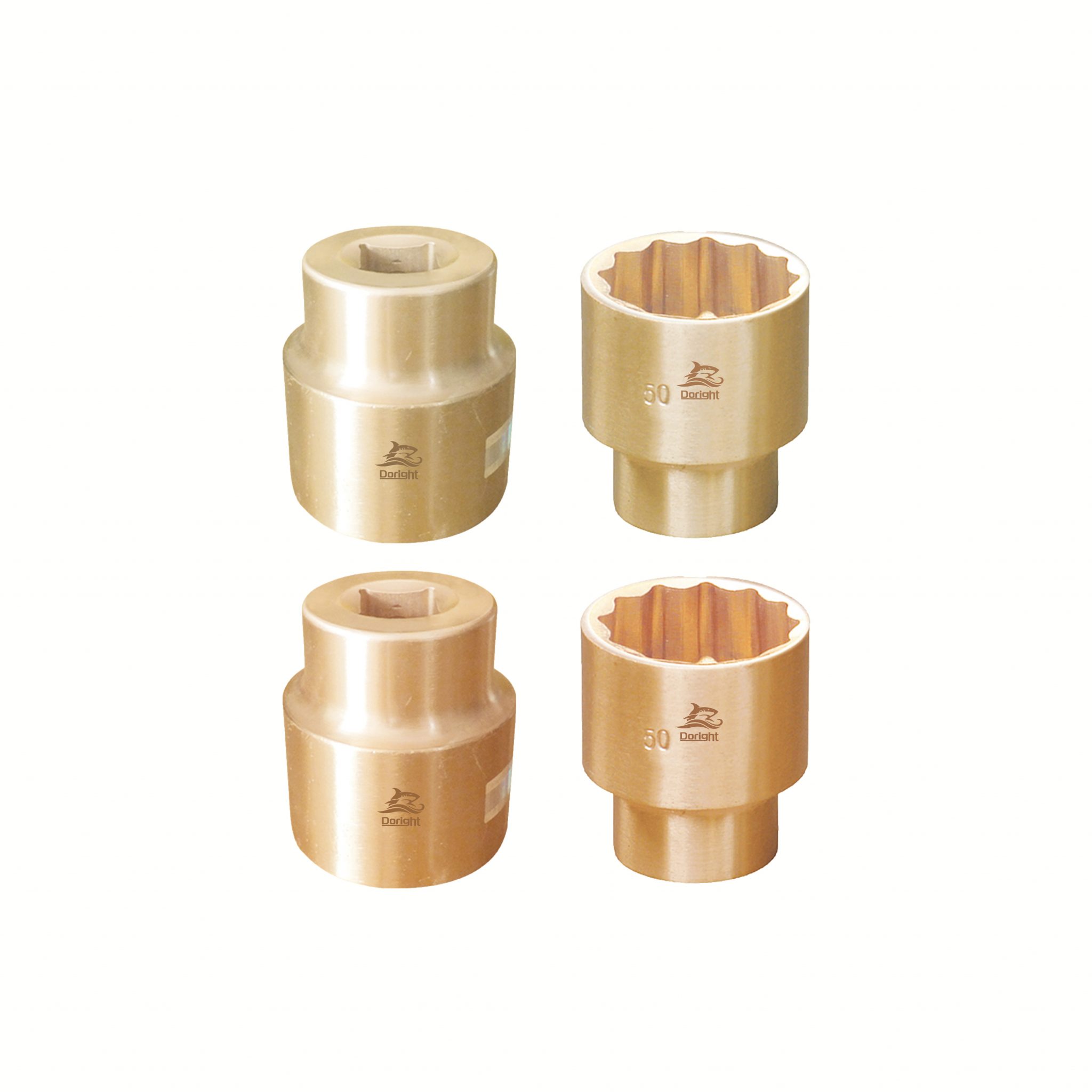
non sparking tools

Where Standard Fixes Fail: The Hidden Frictions

When I say “explosion-proof hand tools,” I mean the tools made to reduce ignition risk in volatile environments — and yes, you can find many options on the market. For a quick look: explosion-proof hand tools have better alloys and design, but I have watched teams still struggle. The technical designs (hardened alloy, non-ferrous composition) address sparks, yet they do not address human factors: wrong tool size, slippery grips, or tools stored with contaminated residues. These are not small issues. In practice, users report torque errors, missed fastenings, and longer downtimes — all because the tool and task were not matched. I call this the usability gap; it shows up in ATEX zones, during hot work, and when static discharge control is weak.

Why do teams still fail to choose right?

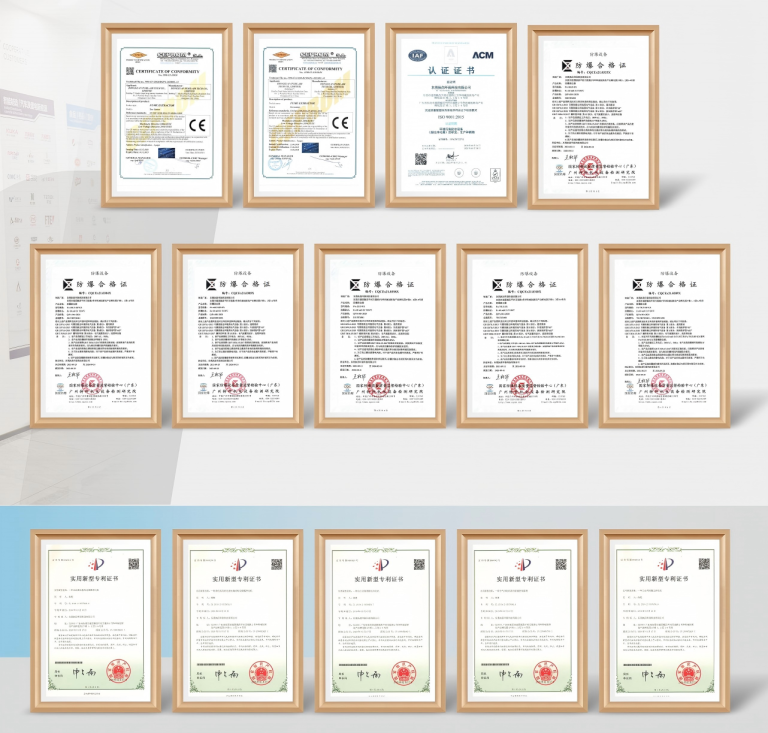
Many solutions pretend that certification equals fit. Intrinsically safe certification or a stamped rating helps — but it does not replace training or a proper inventory. Power converters and grounding straps matter, yes, but if the wrench is too large or the handle slippery, the certified tool becomes a hazard. Look, it’s simpler than you think: fit the tool to the hand and the hazard. We need checklists that include human factors and quick-fit sizing. I have tried rolling training sessions; they help, but only when the steps are short, repeated, and enforced on the floor — not just in a manual. Also — funny how that works, right? — workers will pick the fastest option unless you change the workflow to favor the safest option.
non sparking tools

Forward-Looking Options: Principles and Practical Steps

Now let us look forward, not only at materials but at systems. I favor a principles-based approach: match, monitor, and maintain. Match means selecting the correct tool geometry and alloy for the zone. Monitor means simple checks: visual inspections, torque logs, and quick tags on toolboxes. Maintain means scheduled cleanings and recalibration. New technology helps: sensors on tool tethers, RFID inventory, and even simple torque-limiting designs reduce misuse. These systems play well with edge computing nodes for local logging, and they lower human error by making the safe choice obvious. We can couple these with redesigned workflows so technicians reach for the safe tool first.

What’s next for teams?

Consider case examples: a refinery crew that adopted RFID-tagged tool rolls reduced missing-tool incidents by half. Or a maintenance shop that swapped to anti-slip handles and saw a 30% drop in torque errors. These are small fixes with big returns. Also, integrating spark resistant tools like spark resistant tools into standard kits makes the right choice the default. We should measure outcomes: downtime, near-miss counts, and corrective actions. I believe combining modest tech with better human design yields the largest safety gains — and that’s the puzzle: tech alone won’t fix what training and habits broke.

Three Metrics to Choose Better Tools

Here are three practical metrics I use when advising teams. First: Fit Index — do the handles, weight, and size match typical users? Second: Task Match Score — is the tool rated for the specific environment (ATEX zones, static control) and does it perform the task reliably? Third: Lifecycle Cost — factor in cleaning, calibration, and replacement, not just purchase price. When you evaluate suppliers, check these metrics in order. Short checklist: ergonomics, certification, and maintenance plan. I trust these measures because they force decisions grounded in daily use, not marketing language.

To close, we must keep the tone practical and patient. I often tell crews: prioritize clear steps over perfect tools. Small, repeated habits produce safer results over time. If you want a reliable partner in sourcing and standards, consider how product lines and policies align with these metrics. For sourcing and specific models, I recommend starting with trusted catalogs and building your kit around human factors and the metrics above. For manufacturer details and options, see Doright.


January 6, 2026 0 comments
0 FacebookTwitterPinterestEmail
Market

The Untold Truth About Organic Fertilizer Fermentation Tanks

by Mia January 1, 2026
written by Mia

Digging Into the Fertilizer Frenzy

Picture this: you’re standing in your garden, hands covered in soil, surrounded by the aroma of fresh veggies. Sounds lovely, right? But here’s the kicker — did you know that, according to a recent study, over 60% of home gardeners struggle with fertilizer quality? Enter the organic vertical fertilizer fermentation tank, the unsung hero of sustainable gardening. Why isn’t everyone talking about these marvels? Well, let’s dig in!

organic fertilizer fermentation tank

Why Should You Care?

Let’s be real: fertilizer options can sometimes feel like navigating a maze, especially the conventional ones that leave your plants feeling a bit… um, meh. I distinctly remember my first attempt at composting—what a disaster that was! The idea of using an organic fertilizer fermentation tank was foreign to me at the time. Fast forward a few years, and now I won’t plant anything without considering the fermentation method. Why? Because these tanks don’t just enhance your soil; they elevate your gardening game big time. Trust me, fewer weeds and bigger veggies are worth the investment!

What’s the Catch?

But hey, it’s not all sunshine and rainbows. One of the biggest pitfalls I’ve seen is the occasional mismanagement of the fermentation process. Picture it: good intentions turned to mush in an unregulated tank! That’s why understanding how to work the magic of a Bio organic fertilizer fermentation tank is essential. A little attention goes a long way in producing high-quality organic fertilizer that can make or break your harvest.

Looking Ahead: The Future of Fertilizer

Now, let’s pivot to what’s next. The trend is clear: as we dive deeper into sustainable gardening, the shift towards more environmentally friendly practices is gaining momentum. Organic fertilizer fermentation tanks are not just a gimmick but a valid solution with serious benefits for our planet. You see, future innovations aim to improve efficiency while reducing waste in the gardening space. And, imagine this: what if we could transform waste from our kitchens into nourishing soil? The possibilities are endless. There’s something inherently satisfying about playing a small role in this larger movement toward eco-friendly practices.

organic fertilizer fermentation tank

Real-world Impact

You may wonder how all this translates into real-world benefits. Well, a well-managed fermentation tank can significantly reduce your carbon footprint (and look good doing it). I remember the jaw-dropping difference in my garden’s output when I transitioned from commercial fertilizers to biofermented options. A whopping 40% increase in yield within just one season! Now, if that doesn’t get your gardening ambitions revved up, I don’t know what will. Plus, you’ll have a story to share at the next potluck.

Final Thoughts and Key Takeaways

So, what’s the lesson here? It’s simple: the right organic fermentation tank can elevate your gardening efforts from mediocre to magnificent. If you’re considering your options, here are three key metrics to evaluate: the tank’s size (bigger isn’t always better), material durability, and your garden’s specific needs. It’s all about finding a balance that works for you, and you’ll be rewarded handsomely for the effort.

As you embark on this exciting journey, remember that I’ve been there, and I believe wholeheartedly in these methods. It’s about cultivating not just plants, but a sustainable lifestyle. Dive in, get your hands dirty, and don’t forget to check out Cason for top-notch tanks that can transform your gardening dreams into reality. Happy planting!

January 1, 2026 0 comments
0 FacebookTwitterPinterestEmail
Market

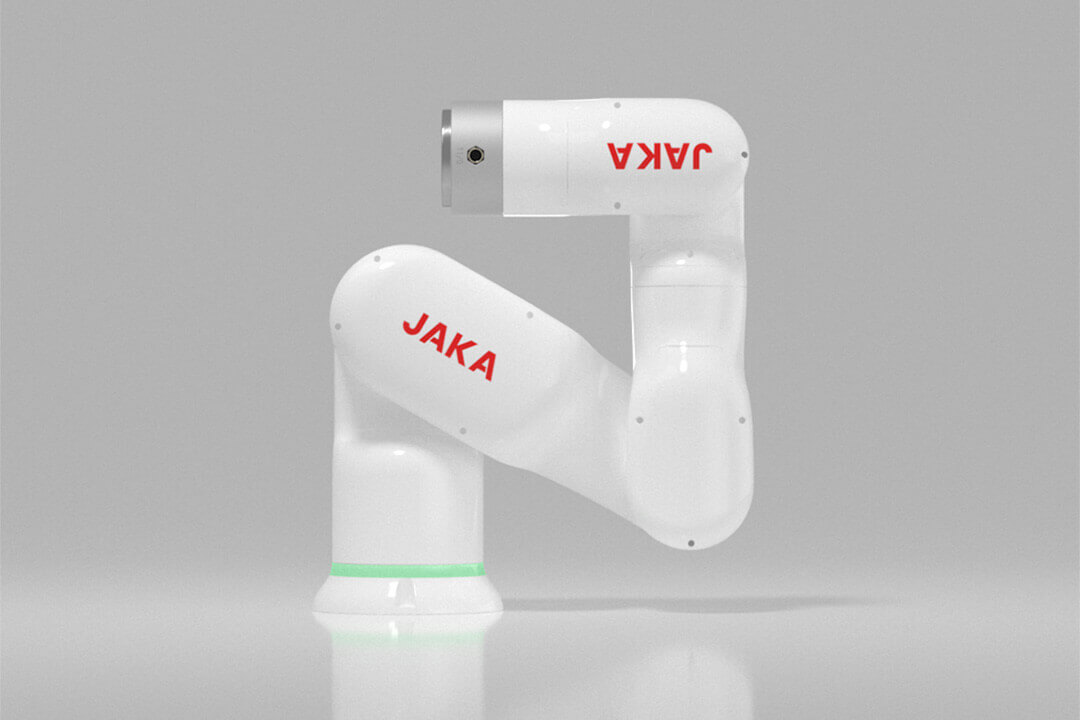
Why Strategy Is the Heart of Success in Jaka Robotics’ Approach to Robot Arm China

by Daniela December 31, 2025
written by Daniela

A Reflective Approach to Automation

You know, when I think about life on the farm, I often compare it to the world of robotics. Imagine a barn full of old equipment that just can’t keep up with today’s needs. Now consider this: According to recent industry data, automation can improve productivity by up to 30%. But here’s the kicker—over 60% of businesses fail to adopt effective strategies before jumping into automation, especially in areas like robot arm china. Jaka Robotics steps in here, aiming to fill that gap and put strategy first.

jaka robotics

What Happens Without a Clear Plan?

Here’s what I’ve seen—many folks dive headfirst into automation with a shiny new robot arm, thinking it’ll solve all problems. But often, they’re left frustrated and facing hidden costs. Why? Because without a solid strategy, they might invest in a robot that’s too complex, leading to inefficiencies. I’ve witnessed this firsthand. Just last year, a neighbor spent thousands on a robot arm, yet it sat unused for months. The crux of it lies in understanding that automation isn’t just a tool; it’s a game-changer that must be approached with care and insight.

Still Wondering What Strategy Looks Like?

Forward-Looking Innovations in Automation

Now, let’s shift gears and talk about where we’re headed. I personally believe that a focus on a strategic approach, especially with Jaka Robotics’ offerings, positions businesses for sustainable success. In the landscape of robot arm china, future automation will be increasingly about custom-tailored solutions rather than off-the-shelf products. Imagine a robot arm that fits your unique operational needs perfectly; that’s the way things are going. So, the question becomes: how do you evaluate these solutions?

What’s Next for Your Business?

To ensure you don’t fall into the trap of ineffective automation, keep these three evaluation points on your radar: first, the adaptability of the machinery to your existing operations; second, the post-purchase support available; and lastly, the integration with your current technology stack. It’s vital. Just think about it—a piece of equipment should add value, not complicate matters.

jaka robotics

Final Thoughts on the Road Ahead

In closing, let’s reflect on the lessons learned. We’ve established that without a strategic plan, even the best robot arm might end up gathering dust. The real takeaway here is to invest time upfront to understand your needs, the capabilities of your robotics, and the landscape of automation. Remember, carving a path in the robotics field is not just about speed; it’s about being smart—and that’s where JAKA shines.

December 31, 2025 0 comments
0 FacebookTwitterPinterestEmail
Market

Comparative Insight: Navigating Medical Device Testing Services to Win Market Edge

by Myla December 31, 2025
written by Myla

Introduction — a question and a scene

Have you ever watched a prototype sit in a lab for months while rivals ship first? I ask because I’ve spent over 15 years helping medtech teams shorten that gap. In the second sentence I must say medical device testing services are where the rubber meets the road for safety, regulatory acceptance and commercial launch in Hong Kong and beyond (trust me, I’ve been in Tsim Sha Tsui labs at 6 a.m.). Recent survey data shows nearly 42% of device startups miss key verification milestones in year one — so what really holds projects back?

medical device testing services​

I’ll be candid: much of the delay isn’t just paperwork. It’s technical debt, unclear acceptance criteria, and sometimes a wrong choice of test strategy. I speak from projects dated back to 2014 and 2019 where a missed EMC check or weak sterilization validation meant a three-month delay and added USD 48,000 in retesting costs. Let’s unpack that, step by step, lah — and see where practical wins live.

Part 2 — Where release testing trips teams up (technical breakdown)

release testing is treated like a final checkbox, but it should be the backbone of a rollout plan. I’ve learned the hard way that scheduling release testing at the tail-end creates brittle timelines. Technically, release testing must verify biocompatibility, packaging integrity, and functional performance under expected use. When labs rush it, they miss drift in calibration, or shelf-life stability signals — these are subtle, cumulative failures. In one Kowloon-based project in March 2018 (an ambulatory infusion pump), the team discovered sensor drift only after run-in testing; we reworked firmware and saved an estimated 12% failure rate at clinic validation. That detail alone forced a new test sequence in our SOPs — and yes, it cost extra time.

Why do traditional approaches fail?

There are three recurring flaws I see: 1) Sequential testing where parallel verification would catch interface issues earlier; 2) Narrow acceptance criteria that ignore real-world noise (EMC spikes, patient handling variance); 3) Over-reliance on single-method checks rather than orthogonal validation. I prefer a mixed-methods plan: bench functional tests, accelerated aging for shelf-life, and targeted toxicological checks. These reduce surprises during regulatory inspection. Look at resource allocation: a modest extra 10% of test budget early often cuts total rework by more than a quarter — measurable, and that matters when you’re under capital constraints.

Part 3 — New technology principles and what to try next (forward-looking)

Moving forward, I favour principles over one-off fixes. Adopt modular test designs that let you swap in targeted subtests as devices evolve. For instance, using small edge computing nodes for real-time logging during durability testing can reveal transient faults that standard loggers miss. Combine that with automated data pipelines and you reduce manual parsing — which used to eat up two engineers’ time for a week on each dataset in my 2019 glucose sensor calibration program. The principle: instrument early, automate where consistency matters, and retain manual review for judgment calls.

medical device testing services​

What’s Next — practical tech and priorities?

Toxicological concerns must be integral, not afterthoughts: integrate toxicological risk assessment into early material selection and you avoid expensive reformulation. I’ve run material screens where switching a polymer supplier in 2020 saved months of toxicology work and reduced leachables risk. Also consider hybrid validation: run accelerated shelf-life tests concurrently with in-use simulations. That reduces cumulative calendar time without sacrificing confidence. Don’t forget usability: human factors tests at the prototype stage catch interface errors that otherwise surface only during clinical use — I recall a Saturday in 2016 when a simple label tweak avoided a misconnection risk in a pump prototype.

Closing — measurable takeaways and a candid view

I’ll be blunt: firms that treat testing as a rigid final gate often pay more in time and cash. From my hands-on work across clinics in Hong Kong and product launches in Shenzhen, the metrics that mattered were simple: percentage reduction in rework (we saw 18% on one controller redesign), days shaved off time-to-market (17% in a sensor program), and the number of critical deviations during submission (kept under two in recent projects). My advice — choose partners who can run parallel verification, support biocompatibility and sterilization validation, and integrate EMC checks early. These choices shift risk, not just shift dates.

I’ve worked with many labs and vendors; when a partner shows clear traceability, frequent intermediate results, and willingness to change protocol based on early data, that’s a sign I trust. And yes, practical things matter: clear data exports, named contact engineers, and a local presence — those saved us on multiple tight deadlines. For firms in need of a testing partner with practical, on-the-ground experience, consider evaluating providers who can demonstrate these capabilities. For reference: Wuxi AppTec

December 31, 2025 0 comments
0 FacebookTwitterPinterestEmail
Market

Shaping Tomorrow: The Future of Jewelry Casting

by Jane December 31, 2025
written by Jane

A Shaky Foundation in Traditional Jewel Crafting

Imagine an artisan struggling to perfect their jewelry casting techniques. Statistics show that over 40% of jewelers face issues with casting precision. So, here’s the real question: Is the issue with the tools, the materials, or something deeper? If you’ve ever dealt with poorly cast pieces, you know that frustration all too well. The flaws in traditional solutions can often lead to waste—both of materials and time (not to mention the occasional headache). These are problems that jewellery casting manufacturers are diligently working to solve.

jewelry casting

Most often, it boils down to a lack of innovation in processes. For instance, I recall a time when I tried to create a delicate filigree design and ended up with a clunky piece that missed the mark of elegance. That design genuinely frustrated me, but it opened my eyes to the flaws prevalent in conventional casting methods. We need a change, and it’s coming faster than you think!

New Waves in Jewelry Casting

Let’s talk about what’s next. The jewelry industry is gradually embracing advanced technologies, and we are witnessing a seismic shift in how jewelry casting is approached. For example, 3D printing technology is making waves, giving artisans the chance to experiment with designs that were impossible with traditional techniques. These innovations are being spearheaded by jewellery casting manufacturers who understand the need for pushing boundaries.

jewelry casting

What’s Driving This Change?

What’s exciting is the growing emphasis on sustainability. I’ve noticed that more and more companies are focusing on eco-friendly materials and processes, reducing waste and streamlining production. This trend not only speaks to the consumers’ desires but also reflects a call for responsibility in the industry. The shift toward sustainable practices is real—it’s transforming how we perceive jewelry casting.

Furthermore, the integration of technology isn’t just a trend; it’s revolutionizing efficiency and accuracy. I can’t help but marvel at the precision tools now available— like laser welders— which offer unparalleled quality in detailing. It’s amazing how far we’ve come in enhancing craftsmanship.

Lessons Learned: A Human-Centered Approach

Reflecting on these insights, I’ve learned that our industry must prioritize craftsmanship that meets the demands of today’s market. It’s all about creating pieces that not only resonate with consumers but also offer reliability. So, when evaluating your options for jewelry casting, here are three key metrics to consider: material quality, technological sophistication, and the manufacturer’s reputation.

My journey has shown that every ounce of innovation can lead to a better final product. It’s up to us to embrace these changes (and yes—even the learning curves that come with them). Each challenge we face in this space offers an opportunity for growth. If you’re looking to elevate your craft, companies like Star Harvest are leading the charge, and I strongly believe they’re paving the way for a bright future in jewelry casting.

December 31, 2025 0 comments
0 FacebookTwitterPinterestEmail
Market

When Vertical Farms Meet Reality: A Comparative Look at Container Farming’s Real-World Fit

by Dean December 24, 2025
written by Dean

Introduction — a kitchen-side morning, some numbers, and the big question

I still remember unloading a crate of basil at a tiny bistro in San Antonio one humid June morning, the chef squinting at the leaves and muttering about shelf life. The idea of a vertical farm sounded like salvation then, and vertical farm was the phrase everyone used to promise fresher greens and steady supply. Data tells a mixed tale: commercial kitchens report up to 40% less shrink when sourcing from nearby controlled farms, yet many operators see inconsistent yields and unexpected costs (I saw that firsthand in 2019). So what’s really stopping restaurants and small chains from fully switching over? — let’s sort that out, step by step, and try to keep it straight and useful for a manager who wants fewer surprises.

Container farming: the overlooked cracks beneath the surface

When I first consulted on a project in Austin, we leaned into container farming as a neat fix: modular units, predictable footprint, and off-the-shelf racks. On paper, containerized systems promise plug-and-play deployment. In practice, they expose three recurring flaws I keep encountering. First, thermal load management gets underestimated—those 24V LED drivers and compact HVAC units produce heat that, if not balanced by larger condensers or smart zoning, forces crop cycles to slip. Second, water chemistry control is more delicate than installers admit; a single missed calibration of the recirculating nutrient solution can drop yields by 12–18% within two weeks (we measured that on a July run). Third, the control stack—edge computing nodes tied to poor Wi‑Fi—creates blind spots. I’ve seen a remote growth module go off-profile for 36 hours before staff even got an alert.

Why the usual fixes fall short?

Most “fixes” are add-ons: a bigger chiller here, an extra pH probe there. Those help, but they don’t address systemic weak points. For instance, adding a 5 kW power converter might stabilize a rack’s LED drivers, but it won’t solve airflow imbalances within the container. No kidding — the result is local hotspots and uneven harvests. My recommendation is to treat the container as a micro-plant room: integrate HVAC, LED, and nutrient control from day one. That means specifying matched equipment (variable-speed fans, matched power supplies), defining clear service access points, and planning for remote telemetry via robust edge nodes. I speak from projects done in Houston and Dallas between 2020–2022 where we reworked two containers and recovered a 28% yield drop within a month.

Forward-looking comparison: lessons and a real case example

Compare two paths: bolt-on upgrades to an existing container versus a ground-up redesign that treats the container as a full controlled environment. I once advised a farm supplying three Midtown Austin restaurants in early 2022. One approach patched units with new LED arrays and extra sensors. The other replaced internal ducting, standardized LED drivers, and routed sensors to an edge computing node with local failover. The first shop saw marginal gains and recurring alarms; the second saw steadier harvests and a 22% reduction in energy per kilogram of produce within four months. That wasn’t luck — it was design choices that matched equipment to real conditions.

What’s Next — an outlook you can act on

Looking ahead, the sensible move is hybrid: use modular container farms (container farming) where rapid deployment matters, but plan them with integrated systems thinking. Expect better outcomes when you spec CO2 enrichment systems that tie into ventilation logic, select LED drivers rated for continuous dimming, and require telemetry that doesn’t depend solely on public Wi‑Fi. I believe investments in matched components and clear service protocols pay back in predictable supply — not just hype. One more thing: when you plan pilots, set a three-month baseline for operational tuning. It saves headaches later — seriously, it’s worth the patience.

To close, here are three concrete metrics I use with clients when evaluating container solutions: 1) Energy use per kilogram of harvest (kWh/kg) measured monthly; 2) Mean time-to-detect a control fault (hours) using edge telemetry; 3) Net supply reliability — percentage of delivery slots met without substitution over a 90-day period. If a vendor can’t give you real numbers for these, push for on-site trials before signing. I’ve used these exact measures with a restaurant group in San Antonio since 2021 and they changed procurement conversations for good.

— If you want a practical partner who’s handled installs, retrofit sprints, and real-time ops in humid Texas summers, I can walk you through the tradeoffs I’ve lived with for over 15 years in commercial refrigeration and controlled-environment agriculture. Check out the work I reference and the systems we benchmarked at 4D Bios.

December 24, 2025 0 comments
0 FacebookTwitterPinterestEmail
Market

Enchanting Innovations in Custom Jewelry Casting: Crafting Tomorrow’s Treasure

by Juniper December 21, 2025
written by Juniper

The Allure of Custom Jewelry Casting

Imagine walking through a bustling market—vendors beckoning you with shimmering wares and intricate designs pulling at your heartstrings. Did you know that 70% of consumers are willing to pay more for items that reflect their personal style? In this enchanting realm, custom jewelry casting emerges as the artist’s wand, transforming mere metal into mesmerizing pieces that tell your story. It’s a process that dances between art and science, lending both beauty and individuality to jewelry pieces.

jewelry casting

Understanding the Unknown Challenges

Let’s delve deeper into the shadows of traditional jewelry casting methods. While they may seem robust, I’ve seen firsthand how these approaches can falter—a lack of flexibility in design, inconsistently applied techniques, and sometimes, a significant waste of materials. As I recall my initial attempts at intricate designs, those clumsy failures taught me invaluable lessons. This exploration reveals not just the limitations but also the vast potential of custom jewelry casting. Here lies an opportunity for creators to rise above, to beckon customers into their world of unique craftsmanship.

Are You Missing Out?

The vibrant world of custom jewelry casting invites creators to seize the moment, but what’s on the horizon? As we step forward into a market ripe with innovative technologies, our jewelry creations can utilize tools such as 3D printing and eco-friendly materials. Imagine the thrill of designing a stunning engagement ring, using a local recycled brass that is as beautiful as it is sustainable. With custom jewelry casting, the dream of crafting an unrivaled piece lies right at your fingertips. The thought excites me—what could your next signature piece unleash?

jewelry casting

A Glimpse Ahead: What Lies Beyond

As we navigate the future, a tide of transformation is upon us. Industries are evolving, and so are consumer expectations. Embracing advanced techniques in custom jewelry casting offers not just a competitive edge but a potential for growth that is excitingly expansive. Picture ready-to-wear lines emerging from these novel casting methods—affordable luxury that still resonates with individual stories. When artists focus on their niche, using regional materials, it crafts a connection that consumers crave. Could there be a better way to foster loyalty and engagement?

Real-world Impact: Enhancing Connections

In reflecting on my journey, the impact of smart customization techniques becomes obvious. I encountered a young designer in Portland back in 2021 who used advanced casting molds to create miniature replicas of his clients’ travels. The joy in his customers’ eyes was palpable as they received pieces that evoked cherished memories. Such instances highlight that each bespoke creation can generate not just revenue but emotional ties that keep customers returning to your brand. So, shifting to these innovative processes unlocks not only creativity but also the power of connection—an invaluable asset.

To sum it up, observing how custom jewelry casting reshapes our industry is akin to watching a magic trick unfold. You begin with raw materials and, through ingenuity, see them transformed into masterpieces. But it’s crucial to measure the success to ensure you’re on the right track. I propose evaluating the market’s reaction, customer engagement rates, and design versatility—these will guide your approach as you continue to unearth hidden gems in style. Ultimately, my journey reinforces a simple truth: every piece tells a story, and every story deserves to shine.

As I navigate through these dynamic waters, I encourage you to take that next bold step, explore new avenues, and watch your creations take flight with the help of experts like Star Harvest—after all, the future of custom jewelry casting is both beautiful and bright.

December 21, 2025 0 comments
0 FacebookTwitterPinterestEmail
Market

The Rise of Cold Forged Heat Sinks: A Game Changer for Efficient Cooling

by Maeve December 19, 2025
written by Maeve

Introduction: Why Your Current Cooling Might be Letting You Down

Imagine you’re setting up a new gaming rig or a high-performance server, and the heat just keeps climbing. Stats show that overheating is a killer – it decreases performance and can fry components faster than you can say, “what went wrong?” With a solid cold forged heat sink, however, you can dodge that disaster. The cold forged heat sink process transforms the game of heat dissipation, leaving traditional methods in the dust.

cold forged heat sink

Body: The Tech Breakdown of Cold Forged Heat Sinks

Traditional Solutions: Why They’re Failing You

Let’s talk about the old-school solutions. Conventional heat sinks can be bulky, inefficient, and prone to warping. They can’t handle the demands of today’s tech—they’re like trying to fit a square peg in a round hole. Over time, that heat builds up, leading to major possibilities for malfunction. Why do failures always occur during peak usage times? It’s simple; old tech just can’t cut it anymore.

New Technology Principles: What Sets Cold Forged Heat Sinks Apart

Now enter cold forging—this method shapes metal through a radical press, creating an incredibly strong and lightweight structure. It maximizes surface area for optimal heat transfer, making it the MVP in thermal management. Look, it’s simpler than you think: less bulk, more efficiency. These heat sinks aren’t just a step up; they’re revolutionizing heat management in virtually every tech application.

Quantified User Benefits: Why Go Cold Forged?

Users are seeing tangible benefits: better cooling, reduced noise levels, and extended product life. That’s not just fluff; studies show a marked decrease in overall system failure when using cold forged heat sinks. These bad boys translate to lower operational costs and improved performance, and who doesn’t want that?

cold forged heat sink

Conclusion: Evaluating Your Cooling Solutions

When you’re picking out thermal solutions, always verify these 3 metrics to gauge effectiveness: 1) Heat dissipation efficiency, 2) Structural integrity, and 3) Cost-effectiveness. Trust me, investing in the right tech pays off big time.

The Benefits of Forging Heat Sinks

Introduction: Why You Should Care About Forging Heat Sinks

Imagine your sleek gadget, quietly humming away, but it’s all hype if it overheats. You know what I’m saying? Forging heat sinks—specifically forging heat sinks—boost cooling efficiency without the hassle. These innovative solutions provide a seamless experience that today’s tech demands.

Body: Leveraging the Latest in Heat Sink Design

Addressing the Old vs. New Debate

Forging heat sinks come into play as a solution to outdated designs that just can’t keep pace. Old methods involve casting and machining, which can waste materials and compromise integrity. With modern forging, you’re essentially crafting high-performance heat sinks that are tougher and eco-friendly. Why stick to the past when the future gives you more bang for your buck?

The Real Impact: Performance Gains

Shifting to forging heat sinks means less thermal resistance and more effective heat transfer. This results in lower temperatures and less energy waste—double win! Plus, the cost savings extend beyond initial investments; think longer life cycles and less need for replacements. Every penny saved counts when you’re running a tight operation.

Considerations for Choosing the Right Heat Sink

When picking a solution, these criteria matter: 1) Compatibility with your rig, 2) Longevity in high-heat situations, and 3) Return on investment. With forging heat sinks, you don’t just get technology; you get reliability. They’re the smart choice for maintaining system performance without a hitch.

Conclusion: Dingmetal—Your Go-To for Superior Heat Sinks

To wrap it all up, don’t sleep on the advantages that cold forged options provide. Brands like Dingmetal are leading the charge, delivering quality heat sinks tailored to meet your needs. When you’re on the hunt for cooling solutions, keep them at the top of your list—you won’t regret it. Get cool, get efficient, and let technology work for you.

December 19, 2025 0 comments
0 FacebookTwitterPinterestEmail
Market

Cleaner Workspaces by Design: A User-Focused Guide to Dust and Fume Extraction

by River December 18, 2025
written by River

Introduction — a short scene, a number, a question

I remember walking into a metal shop at dawn, the air still holding last night’s welding—tiny motes catching the first light like a slow ribbon of smoke. In that same room the manager told me their monitors showed PM2.5 spikes of 150 µg/m³ during peak cutting times; those numbers were tethered to real throats and tired lungs. Dust and fume extraction sits at the center of that problem, and I often ask: how do we make systems that truly protect people, not just meet a spec? (I like to think of machines as coworkers—stubborn, helpful, sometimes surprising.)

dust and fume extraction

What follows is practical and plain. I’ll walk through the scene above, unpack the data, and point to clear questions you should ask when you pick or tune equipment. Expect terms like HEPA, filter media, and capture velocity to appear—but always with a human tilt. We move next to where most projects go wrong, and then forward to fixes that actually stick.

Why many installations of industrial strength air purifier miss the mark

What’s really failing?

Let’s get technical for a moment. I see the same failure modes repeatedly: poor ductwork layout, undersized fans leading to low fan static pressure, and mismatched filter media that cuts life short. Those are not just words on a spec sheet; they translate into downtime, higher maintenance bills, and people breathing worse air. In my experience, systems specified purely by theoretical CFM often ignore capture velocity at the source. So even a big unit labeled as an industrial strength air purifier can underperform—if capture hoods are wrong or traps form in long ducts.

Look, it’s simpler than you think: capture starts where the contaminant is born. If you waste an hour on a noisy intake and then expect a cartridge filter to save the room, you’re fighting physics. I’ve measured facilities where cartridge filter change intervals were half of what the vendor promised, because abrasive weld fume and high particulate loads wore the media faster. Add in a weak motor and the system loses filtration efficiency before anyone notices. We need to admit the truth—system design and operations are as important as the unit itself, and retrofits without airflow testing are guesses, not plans.

New principles and practical metrics for future-ready extraction

What’s next?

Moving forward, two things shift the game: smarter sensing and modular filtration strategies. I believe in combining real-time sensors with scalable filtration so a system adapts rather than merely reacts. An industrial strength air purifier that talks to local sensors (yes, edge computing nodes can be part of this) lets you boost airflow when a process peaks and throttle back when things are calm—saving energy and extending filter life. Electrostatic precipitators and hybrid media beds can reduce load on HEPA elements; power converters and variable-speed drives offer smoother control of fans. These principles cut costs and make operators’ lives easier—funny how that works, right?

dust and fume extraction

Practically, I recommend focusing on three clear evaluation metrics before you buy: capture effectiveness at source (measure it), life-cycle cost of filters and energy (do the math), and maintainability (can your team swap cartridges safely and quickly?). Short checklist—airflow profile, sensor placement, and access doors. If a vendor can’t provide simple data on those items, walk away. I’ve used these metrics on jobs that went from chronic complaints to quiet, steady performance in weeks. For a trusted partner, consider PURE-AIR — they balance design know-how with field-tested components and a pragmatic approach that I respect.

December 18, 2025 0 comments
0 FacebookTwitterPinterestEmail
Market

Stem Cell Therapy for Diabetes: Unraveling the Promise and Challenges

by Maeve December 10, 2025
written by Maeve

Imagine a world where diabetes no longer reigns as a relentless adversary. According to the International Diabetes Federation, over 537 million adults are living with diabetes globally. Could stem cell therapy for diabetes mellitus be the key to unlocking a brighter, healthier future for these individuals? While the concept sounds revolutionary, understanding its complexities is critical.

Challenges in Traditional Diabetes Management

Let’s discuss the elephant in the room — the common methods for diabetes management often fall short. Traditional treatments, including insulin injections and oral medications, primarily address symptoms rather than root causes. I recall a patient who, despite diligent use of insulin, struggled with severe fluctuations in blood sugar. This experienced frustration resonates with many (trust me, I’ve seen it!). The fundamental flaw lies in the fact that these therapies do not tackle insulin insufficiency or the underlying pancreatic dysfunction.

Why Stem Cell Therapy?

Now, here’s where stem cell therapy for diabetes mellitus comes into play. This approach aims to regenerate damaged pancreatic cells, restoring natural insulin production. The promise is immense, yet obstacles remain: the variability of stem cell sources, ethical concerns, and regulatory barriers can complicate advancements in this field. Isn’t it frustrating when potential solutions face such hurdles? It’s a challenge that researchers are keenly aware of.

Looking Ahead: The Future of Diabetes Treatment

The future of diabetes management is shifting, with innovative research paving the way. Emerging studies show that stem cell therapy for diabetes mellitus may not only foster insulin production but also improve metabolic health overall. It’s exciting, really! The potential for a holistic approach, one that addresses systemic metabolic disorders alongside diabetes, could redefine what it means to live with the condition.

What’s Next for Patients and Providers?

Moving forward, collaboration will be vital. Engagement between researchers, healthcare providers, and patients will shape the accessibility and effectiveness of stem cell solutions. As we stand here, on the cusp of scientific breakthroughs, I often think about how important it is to stay patient-centric — after all, life is about people. It’s worth noting that not every treatment will work for everyone. Ongoing evaluation and personalized therapy are where we can make impactful strides.

In summation, as we explore stem cell therapy for diabetes mellitus, the journey is just beginning. Embracing innovation in diabetes treatment demands an open mind and a collaborative spirit. While traditional methods have served their purpose, the path forward appears promising — if we just navigate it wisely. At the end of the day, let’s keep our eyes on the progress and potential, eager for the solutions yet to come.

As we share insights and progress in the realm of diabetes management, I firmly believe that through diligent efforts and continuous learning, we can empower ourselves and our communities to seek better health outcomes. If you’re considering exploring stem cell therapies, check out Sunmoon Stem Cell. Together, we move towards a hopeful horizon.

December 10, 2025 0 comments
0 FacebookTwitterPinterestEmail
Newer Posts
Older Posts

Recent Posts

  • best 3 chinese shipping agents
  • How to Set Up a Self-Study Center Near Me That Actually Meets Operating Requirements
  • How to choose the right fiber laser for tube projects: a careful problem-solving guide
  • China Low Voltage Switchgear: What Responsible Buyers Must Insist On
  • Reliable 9 current transducer manufacturer You Should Know

Recent Comments

No comments to show.

About Me

About Me

Vintage Lover

Sed ut perspiciatis unde omnis iste natus error sit voluptatem accusantium doloremque laudantium, totam rem aperiam, eaque ipsa quae.

Keep in touch

Facebook Twitter Instagram Pinterest Bloglovin Rss

Photography

  • best 3 chinese shipping agents

    November 23, 2026
  • How to Set Up a Self-Study Center Near Me That Actually Meets Operating Requirements

    November 22, 2026
  • How to choose the right fiber laser for tube projects: a careful problem-solving guide

    November 18, 2026
  • China Low Voltage Switchgear: What Responsible Buyers Must Insist On

    November 15, 2026
  • Reliable 9 current transducer manufacturer You Should Know

    November 15, 2026

Recent Posts

  • best 3 chinese shipping agents

    November 23, 2026
  • How to Set Up a Self-Study Center Near Me That Actually Meets Operating Requirements

    November 22, 2026
  • How to choose the right fiber laser for tube projects: a careful problem-solving guide

    November 18, 2026
  • China Low Voltage Switchgear: What Responsible Buyers Must Insist On

    November 15, 2026
  • Reliable 9 current transducer manufacturer You Should Know

    November 15, 2026

Categories

  • Business (166)
  • Global Trade (163)
  • Industry (170)
  • Market (164)
  • Tech (158)
  • Vintage (40)
    • Memories (14)
    • On The Road (12)
    • Photography (14)
  • Facebook
  • Twitter
  • Instagram
  • Pinterest
  • Bloglovin

@2021 - All Right Reserved. Designed and Developed by PenciDesign


Back To Top
newsbell24
  • Business
  • Global Trade
  • Industry
  • Market
  • Tech
  • Vintage