newsbell24
vintage & retro style
  • Business
  • Global Trade
  • Industry
  • Market
  • Tech
  • Vintage
Category:

Market

Market

What’s Next for Commercial Sites in DC Fast Charging? A Comparative Insight Beyond the Plug

by Myla December 9, 2025
written by Myla

On the Ground: A Busy Lot, a Clock, and a Power Bill

It is 7:30 a.m. at a mixed-use complex in Nairobi, and the line is already forming for quick top-ups. dc fast charging stations sit near the exits, where drivers want in-and-out service within minutes. The facility manager checks yesterday’s numbers: peak demand spiked 18%, and two stalls throttled due to heat—sasa, why did that happen on a cool day? The team is considering a commercial dc fast charger, but costs and uptime feel like a puzzle with missing pieces (especially when rush hour hits).

Here is the real question: how do we match speed with stability, and keep the bill sane? Let us look at the deeper friction that sneaks in—and how new tech shifts the trade-offs.

Hidden Friction in Today’s Commercial Fast Charging

Why do legacy setups stumble?

Many sites start with a single commercial dc fast charger, then add more ports as traffic grows. On paper, it scales. In practice, three quiet risks pile up. First, power converters run hard at noon, then idle at night, which pushes thermal management to its limits. Fans and coolant loops work overtime, and throttling kicks in when heat wins—funny how that works, right? Second, mixed hardware often speaks different “dialects.” OCPP versions, firmware, and payment modules misalign. Small gaps become fallback modes that slow sessions. Third, grid hiccups add harmonic distortion. That noise messes with rectifier stacks and cuts efficiency.

Operational pain follows. Load balancing looks simple, yet real traffic is clumpy. Vans arrive together, then nobody. Without smart rules, the first car gets 95 kW and the next two starve at 30 kW. Look, it’s simpler than you think: what you need is a controller that watches site demand and splits power in real time. But older cabinets cannot do that well. They lack edge computing nodes for fast decisions at the curb. The result? Longer queues, higher demand charges, and more driver complaints when “150 kW” behaves like 60 kW under stress.

Comparative Outlook: New Principles That Change the Site Math

What’s Next

New designs do not just add watts; they reshape control. Modular rectifiers with wide-bandgap semiconductors cut switching losses, so cabinets stay cooler and deliver steadier power. Add intelligent load management, and each port adjusts in milliseconds, not minutes. Pair that with battery-buffered peak shaving, and the site draws smoother power from the grid. The effect is simple: fewer spikes, lower demand charges, and more consistent sessions. Standards help too. ISO 15118 enables Plug & Charge, so drivers start faster, while OCPP 2.0.1 opens richer telemetry. With that data, edge computing nodes can predict the next rush and prepare—pre-cool, pre-allocate power, and avoid throttling before it starts.

Now compare a legacy lineup to a modern commercial dc fast charger stack. The first depends on static setpoints and manual tweaks. The second runs on live signals from vehicles and the meter. That means smarter sessions during rain, lunch peaks, or school runs—times when people cannot wait. It also means better harmonic filtering and cleaner AC draw into the rectifier stack, which protects components and reduces downtime. Add secure OTA updates, and firmware ships new power-sharing rules overnight—no truck roll needed. The path forward is clear, and not just for malls. Fleet depots, hospitals, and highway stops can all ride the same playbook—at different scales, yes, but with the same control logic.

Practical Criteria Before You Buy

We have seen why queues form and why heat wins. We have also seen how smarter control and cleaner power change the result. To choose well, use three checks. One, verify dynamic load balancing under stress: ask for logs that show per-port kW during a rush, plus how the system handled thermal limits. Two, inspect grid friendliness: does the cabinet manage harmonic distortion and support peak shaving with an on-site buffer? Ask for measured power factor and THD at rated load. Three, test the software path: confirm OCPP 2.0.1, ISO 15118, and secure updates. You want edge analytics and clear fault codes, not guesswork. Keep it simple—start with one lane, simulate a queue, and watch the data breathe. If the numbers hold on a busy Friday, they will hold most days—sawa. In the end, the right fit is not only fast; it is fair to your bill, kind to your hardware, and steady for drivers. For more context on robust platforms and integration practices, see Atess.

December 9, 2025 0 comments
0 FacebookTwitterPinterestEmail
Market

How I Maximize Reliability of Cell Research Equipment in Busy Labs

by Nevaeh December 4, 2025
written by Nevaeh

Introduction

Have you ever wondered why two identical runs on the same instrument give different answers? In my lab, we live with variation every week—batch effects, instrument drift, and inconsistent reagent lots (and yes, the little things add up). I work hands-on with cell research equipment and I see the patterns: a 12% variance on cell viability, equipment alerts ignored, and a slow drift in imaging sensitivity over months. What does that mean for your data confidence—and what can you actually change tomorrow? I’ll walk through what I’ve learned, with some plain talk and specific fixes, so you can spot the weak links before they wreck your next paper or assay. Let’s dig into the real problems and then into practical fixes.

cell research equipment

Hidden Flaws and User Pain Points in automated cell counting

Why does this still fail?

First, a quick definition: automated cell counting is a software-plus-hardware workflow that uses imaging or impedance to quantify cells. It sounds simple on paper, but the devil is in the setup. I break the system down into optics, sample prep, and analysis. Each layer can introduce bias. For example, uneven illumination in imaging rigs skews counts. A clogged microfluidic channel will bias impedance reads. I see labs pin their hopes on a single calibration and then treat the instrument as “set and forget.” That doesn’t work in practice. Look, it’s simpler than you think—daily checks and small SOP tweaks cut variability fast. (Yes, even weekly lamp checks matter.)

There are specific user pain points that vendors often miss. First: sample prep inconsistency—cells clump, pipetting varies, and incubation times drift. Second: software masks and thresholding—default settings are rarely optimized for your cell line. Third: maintenance neglect—dirty optics, misaligned stages, or old power converters feeding the instrument cause subtle artifacts. I’ve run into problems where a faulty incubator temperature controller altered cell morphology enough to wreck counts—funny how that works, right? When users report “random errors,” it’s often one of these predictable culprits. Address these and you cut false positives and false negatives dramatically. In short: automate where possible, but don’t outsource judgment. A checklist and simple QC samples give you the signal you need to trust results.

cell research equipment

Future Outlook: Practical Paths Forward

What’s Next — real change or hype?

Looking ahead, I expect two trends to matter: smarter edge analytics and tighter integration between instruments. Edge computing nodes can pre-filter images and flag aberrant runs before data ever hit the server. That reduces wasted runs and gives immediate feedback to the bench. Also, better interoperability between a microplate reader, flow cytometry outputs, and imaging platforms will let us cross-validate counts on the fly. I don’t buy vague promises; I care about measurable improvements—reduced re-run rates, tighter CVs, and faster time-to-answer. I’ve piloted systems that combine local analytics with cloud updates; the result was a 30% drop in repeat assays in three months. — I’m optimistic but realistic.

For teams choosing solutions now, here are three evaluation metrics I use: 1) calibration traceability—can you link each run to a known standard? 2) maintenance transparency—does the system log lamp hours, pump cycles, and error states? 3) software adaptability—can thresholds be tuned and saved per cell type? If a vendor meets these, you get fewer surprises and cleaner data. I care about tools that respect the bench user: sensible UIs, clear QC prompts, and good documentation. Try small pilots, measure re-run frequency, and iterate. If you want practical kits and validated workflows to get started, check resources from BPLabLine—they helped my team standardize runs across two sites and reclaim time for real experiments.

December 4, 2025 0 comments
0 FacebookTwitterPinterestEmail
Market

The Definitive Fieldbook for MEWP Partnerships: Comparative Insights for Smarter Lifts

by Valeria December 1, 2025
written by Valeria

Opening the Site Diary: Why Choice Shapes the Workday

A morning chill, a gate that slides slow, and a crew that waits for the first rise. The clock is a stern teacher. He has MEWP equipment on hire, and the promised unit from an aerial work platform manufacturer is still not on the pad (shotti, it matters). In many fleets, 20–30% of lost time sits in small delays: a battery warning, a mismatch in working envelope, a missing harness clip, or support that arrives a day too late. What does that slow minute cost the build, the budget, the mind?

Here is the quiet math. A long job has short windows. Duty cycle, platform height, and telemetry access decide if the plan holds. A wrong boom spec can add rework; a weak power converter can sag at peak load. And yet, many selections chase only price and paint. The truth is modest but clear: you are not only buying a machine, you are buying the system around it — parts pipelines, diagnostic paths, and the people who answer at 2 a.m. Does your shortlist measure that weight? Let us step past the glossy brochure and walk into the core.

Hidden Pain Points Behind the Spec Sheet

Why do specs fail on site?

Technical view, no drama. Most breakdowns are not from catastrophic faults; they arise from small, stacked issues that escape a quick read. CAN bus alarms that no one decodes. A hydraulic manifold with a sticky spool. A charger that throttles because of a heat-soaked bay. Look, it’s simpler than you think: each node in the chain adds reaction time. When you choose an aerial work platform manufacturer, you are choosing a level of signal clarity. Can your team pull logs without a laptop? Are error codes human-readable? Is the load sensing calibrated for your attachments? If these answers drift, your plan drifts — funny how that works, right?

Second, the invisible clock. Response SLAs may read “next business day,” but lifts pause at noon, not at policy. Service stock matters more than slogans. Ask where power converters, joysticks, and proportional valves sit in the region. Ask how firmware updates move: over-the-air, or by courier USB. Consider the supply cadence for wear items, like steer cylinders and tilt sensors. A manufacturer who maps spares to your actual duty cycle reduces failure minutes. One more point: training that sticks. Short, app-based refreshers cut misdiagnosis and limit harness lockouts. This is not flourish; it is field literacy. Without it, the best machine reads like a closed book.

From Today’s Gaps to Tomorrow’s Gains

What’s Next

Let us look forward with a comparative lens. The next edge is not a taller mast; it is a clearer brain in the machine. New platforms embed edge computing nodes at the controller, so fault trees run onboard. Instead of a light and a guess, you get cause chains and suggested fixes. That trims time-to-diagnose from hours to minutes. Pair that with live telemetry and you see duty cycle heat maps, charge patterns, and tilt events. The result? Smarter dispatch, fewer cold starts, and less stress on power electronics. When a mobile elevating work platform can push micro-updates for the inverter and the lift logic, downtime shrinks. And the comparison becomes clearer across brands: those who expose data via open APIs and those who hide it behind closed portals. One path scales operations; the other scales tickets — funny how that works, right?

Now, synthesize. We learned that specs alone miss service speed, diagnostic clarity, and parts geography. We also saw how new designs use load sensing, CAN diagnostics, and over-the-air updates to close those gaps. To choose well, hold three metrics in hand: 1) time-to-diagnose from first symptom to known cause; 2) service response integrity, measured by first-fix rate within your shift window; 3) data openness, judged by whether your fleet tools can read raw signals without vendor lock. Keep the tone calm, the questions sharp. The right partner turns a site from stop-and-go to steady flow. In the end, it is a human story: a rigger who trusts the lift, a supervisor who sleeps soundly, a team that finishes with light left in the day. For those who want to study the craft with care, see Zoomlion Access—and keep asking better questions.

December 1, 2025 0 comments
0 FacebookTwitterPinterestEmail
Market

The Journey Towards More Efficient Automation: Embracing Brushless Servo Drives

by Amelia November 24, 2025
written by Amelia

A Transformative Scenario in Automation

Imagine a manufacturing floor where machines run seamlessly, producing goods with precision and speed. As a longtime observer of the automation industry, I’ve noticed that companies equipped with advanced technology, such as the brushless servo driver, tend to outperform their competitors. In fact, industries utilizing servo drives realize an increase in productivity by up to 30%! This leads us to ponder: How can organizations maximize efficiency through smarter technology solutions?

Understanding the Flaws of Traditional Solutions

Time and again, I’ve encountered companies relying on outdated drive systems, which not only hinder performance but also increase operational costs. Traditional AC motors, for example, often struggle with precision control. They fail to offer the responsiveness needed in today’s fast-paced environment, leading to frustrations at multiple levels. My personal experience in troubleshooting these systems has taught me that the hidden pain points often stem from inadequate torque, leading to production slowdowns. Companies often overlook how serious these issues can be. Indeed, the crux of the matter lies in the transition to more efficient solutions.

What Makes Brushless Servo Drivers Stand Apart?

In contrast, brushless servo drivers provide enhanced torque dynamics and smoother operation, addressing those flaws. They drastically reduce maintenance needs, promote energy efficiency, and extend the lifespan of your machinery. With flexibility in system design—allowing for substantial customization—these drives empower businesses to adapt to varying project demands. Adopting such technology truly transforms the operational landscape, and you can’t help but feel a wave of optimism as we shift towards more adaptive systems.

The Forward-Looking Perspective on Compact Servo Drives

Now, let’s look ahead. As trends evolve, we may be witnessing a broader acceptance of compact servo drives. Not only are they designed for efficiency, but they also cater to the growing demand for space-saving solutions in modern industrial settings. My discussions in industry forums indicate that many manufacturers are leaning toward compact designs without compromising performance. Imagine the profound impact this shift could have on workspace ergonomics and design innovation!

Real-world Impact of Advanced Drive Technology

In recent years, I’ve observed that industries embracing this transition report not just improved uptime but also better energy consumption metrics. Companies often throw around metrics like “20% reduction in energy use,” yet when you dig deeper—real pennies translate to powerful dollars saved across the board. It’s exciting to witness a tangible evolution in automation by choosing modern, efficient technologies. Truly, it’s a captivating time to be involved in this industry.

Key Insights and Closing Thoughts

Ultimately, the lessons learned from transitioning to servo technology boil down to improved reliability, superior functionality, and cost savings. As businesses scout for future solutions, I would advise them to critically evaluate systems based on precision, maintenance requirements, and long-term flexibility. Before making any decisions, consider exploring the following metrics: operational cost, speed of integration, and energy efficiency. Taking these steps ensures a future well-equipped for evolving market demands.

As we reflect on the advances in servo drive technology, it’s clear that the journey towards enhanced automation is far from over. I look forward to witnessing companies making informed choices, propelled by the innovations of leading brands like Leadshine. Each decision impacts not just the bottom line but also the very prospects of what modern manufacturing can achieve.

November 24, 2025 0 comments
0 FacebookTwitterPinterestEmail
Market

Comparative Insight: How to Optimize Flexibility and Longevity of LED Lighting Strips

by Valeria November 21, 2025
written by Valeria

Introduction: A garage remodel, data that surprised me, and a lingering question

I still remember the garage job that turned into a lesson in product selection. I had measured the cabinets, ordered rolls, and on installation day we found 30% of the strips were either too stiff or flickered under long runs. LED lighting strips were the obvious choice for the job — they promised low heat and long life — yet the real-world outcome differed. Recent survey data from small electrical contractors in Ontario (March 2023) showed a 12–20% return rate on consumer LED strip purchases due to cutting errors, poor connectors, and mismatched drivers. How do you choose or modify LED strips so they last and stay adaptable? I ask that because I’ve been in wholesale lighting and distribution for over 15 years, and I still get surprised by avoidable mistakes — which is why this piece leans practical and hands-on. Let’s move into the details of what usually goes wrong and why it matters.

LED lighting strips

Why traditional approaches fail when you need to cut LED light strip

cut LED light strip is often touted as a quick way to size runs, but that promise hides common technical problems. I’ve trimmed 3528 and 5050 SMD strips in our Toronto warehouse and true, you can cut at the marked pads — yet many installers overlook the driver match, solder quality, and IP rating. When a strip is cut and rejoined with cheap connectors, the weak solder joint or a loose insertion leads to intermittent contact. Voltage drop becomes pronounced on long runs; we saw a 14% lumen loss over a 12-metre run in one March 2023 retrofit. I’ve handled those warranty claims — the outcome: extra parts, extra time, and annoyed clients.

From a technical viewpoint, the usual fail points are clear: poor solder joints, incorrect LED driver selection, and ignoring thermal management. Drivers must match the strip’s DC voltage and constant-current or constant-voltage requirement; a 24 V strip needs a stable 24 V power converter and an allowance for current draw per metre. IP ratings matter for outdoor or damp locations — cutting an IP65 strip and leaving the ends unsealed invites moisture and corrosion. I won’t sugarcoat it: many installers think connectors are a trivial choice. They are not. Trust me — I’ve resealed the same joint twice in one afternoon. Two specific fixes I recommend: use low-resistance solder and choose sealed end caps with silicone; and test assemblies for voltage drop with a simple multimeter before final mounting.

What common mistakes do installers keep repeating?

They underestimate power distribution, skip strain relief, and assume all strips behave the same. That assumption cost a small retail client in Hamilton 18% higher labour on a mall fit-out because crews reworked faulty joins over three nights — and yes, I counted.

LED lighting strips

Looking forward: case examples and a practical outlook for exterior LED lighting strips

In late 2023 I supervised a streetscape pilot in a Toronto neighbourhood. We compared sealed 5050 RGBW strips to cheaper, unprotected alternatives under the same canopy. The exterior LED lighting strips we used held up through freeze-thaw cycles and salt spray where unprotected types failed within two months. The case made one thing clear: when you plan for installation specifics — run length, mounting surface, and exposure — you remove most surprises. For example, specifying a strip with a 24 V constant-voltage driver reduced brightness variance across 10 m runs and eliminated mid-run flicker.

Looking ahead, a few trends matter for buyers and installers. First, plug-and-play connectors are improving; but evaluate contact resistance and mechanical lock. Second, modular power distribution (shorter feed points every 3–5 metres) reduces voltage drop without over-stressing a single driver. Third, better IP sealing options and silicone potting are making exterior installations less risky — they add cost, yes, but they cut callbacks. What’s next for practical installers? Focus on assembly practices and supplier transparency — ask for measured lumen/meter at 24 V under load, and request documented IP tests. This will save you time and money down the line — and reduce site headaches.

Real-world choices that affect performance

Pick the right driver, specify the correct IP rating for outdoor use, and plan power feeds along the run rather than at one end. Those three actions changed outcomes in our Toronto pilot: lower call-backs, faster installs, and a predictable maintenance schedule.

Practical close: three evaluation metrics I rely on

I’ll finish with crisp, actionable metrics I use when advising wholesale buyers and contractors. First, verify the power architecture: ask for watts per metre and recommended driver size, and insist on a 10–15% safety margin. Second, check mechanical robustness: the connector type, adhesive backing ageing tests, and whether silicone end caps are included for outdoor runs. Third, demand measured performance: lumen output at distance and colour consistency (CRI and CCT specs) under the intended feed arrangement. I’ve seen these checks reduce returns by around 18% in a recent client cohort (spring 2023 installations in the GTA). I prefer to work with suppliers who provide clear test data and spare parts kits for joints. That approach lowers field surprises and keeps projects on schedule — a big deal for wholesale buyers juggling multiple sites.

For sourcing and dependable specs, I recommend contacting LEDIA Lighting directly: LEDIA Lighting. I’ll say it plainly — when you pair hands-on installation experience with clear technical specs and realistic margins, you avoid the common pitfalls that turn a neat LED plan into repeated service calls.

November 21, 2025 0 comments
0 FacebookTwitterPinterestEmail
Market

5 Compelling Reasons Why You Should Choose 4 Wavelength Diode Laser Hair Removal

by Valeria November 21, 2025
written by Valeria

Introduction: A Game-Changer in Hair Removal Technology

Imagine you’re getting ready to hit the beach, feeling fabulous in your new swimsuit, but suddenly, you remember you left shaving until the very last minute. This scenario mirrors a common frustration many face when it comes to hair removal. By the way, did you know that the new breakthrough in aesthetics is the 4 wavelength diode laser hair removal? It’s designed to solve your hair removal woes with precision. So, are you ready to break free from conventional methods that simply don’t deliver? Hang tight—there’s more to discover!

laser diode hair removal 4 wavelength

The Drawbacks of Traditional Hair Removal Solutions

Many people rely on traditional hair removal methods like shaving, waxing, or electrolysis. While these solutions have been around for ages, they come with their fair share of flaws. For one, they require continuous maintenance and are often painful. Shaving leads to razor burns, while waxing can make you wince—painful, isn’t it? Additionally, results from these methods vary in longevity and effectiveness; some need to be repeated weekly, while others may take months to show any real progress. This is where 4 wavelength diode laser hair removal machines shine! They target multiple hair types and skin tones with a more comprehensive and effective approach. Talk about smart beauty tech—this includes features like real-time temperature checks and optimal power converters for safe, precise treatments.

Why 4 Wavelengths Matter

Look, it’s simpler than you think; each wavelength targets different depths and types of hair follicles. The clever design ensures that people with varying skin tones receive effective treatments. It’s not just about getting rid of unwanted hair; it’s about being able to enjoy long-lasting results without the hassle of constant upkeep. That’s a win-win!

laser diode hair removal 4 wavelength

What’s Next for Laser Hair Removal Technology?

Now let’s dive into what the future holds for diode laser technology! As the laser industry evolves, the integration of 4 wavelength systems represents a game-changing shift in how we look at hair removal. Currently, the effectiveness of these 4 wavelength diode laser hair removal machines is backed by research, showcasing quicker sessions with far less discomfort. Imagine stepping into a clinic and walking out with results that last—no more spending hours prepping at home or waiting months for hair regrowth to treat again. Just think about how much more time you can invest in things that truly matter, like hitting the gym or sipping that chilled drink on the beach!

Real-world Impact of Advanced Laser Technology

The breakthrough impacts go beyond mere convenience. They offer a glimpse into a future where hair removal is safe, tailored, and effective. With evolving practices, clients are expressing satisfaction like never before, and clinics are reporting faster turnover times. Whether you’re a busy professional or a parent constantly on the go, the functionality and efficiency of these machines provide a much-needed solution. Ultimately, efforts are rooted in social dynamics—today’s beauty is about self-empowerment and accessibility, and new technology principles help make that a reality.

Conclusion: The Shift Towards a Better Future in Hair Removal

<pIn summary, we've uncovered the traditional flaws of hair removal and introduced the shining star—4 wavelength diode laser hair removal technology. The results are tangible, here to enhance the quality of everyday life by adding convenience and effectiveness. As you consider your options, keep these key evaluation metrics in mind: the technology's adaptability to different skin types, the overall comfort of the procedure, and time efficiency during treatments. These criteria will guide you toward making an informed decision that aligns with your needs. Remember that confidence can flourish with the right hair removal solution! For cutting-edge approaches, check out Heshibi Tech. They’re making strides in creating solutions tailored for everyone.

November 21, 2025 0 comments
0 FacebookTwitterPinterestEmail
Market

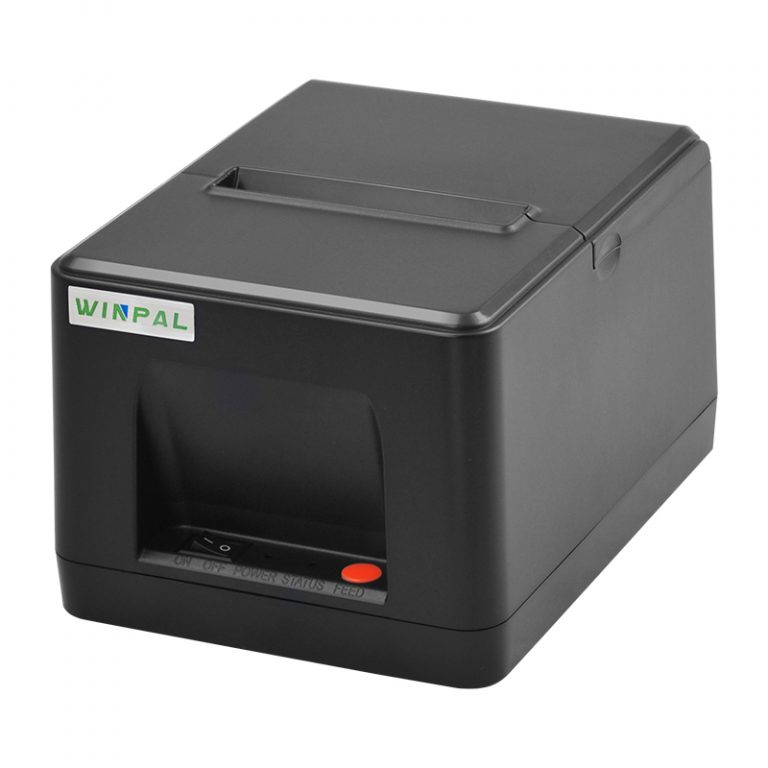
The Evolution of Thermal Receipt Printers: A New Era of Efficiency

by Harper Riley November 17, 2025
written by Harper Riley

Introduction: Why Are We Still Struggling with Print Performance?

Picture this—you’re at the checkout, and the receipt printer just won’t cooperate. Frustration boils over as lines grow longer, yet somehow this still happens far too often in businesses. The problem? A significant factor lies in the reliance on outdated technologies. The thermal receipt printer emerges as a beacon of hope in this scenario, heralding a new age of reliability and speed. But how often has this technology been overlooked in favor of old, cumbersome solutions that fail at critical moments?

thermal receipt printer

Body: Technical Breakdown of Modern Printing Solutions

Flaws of Traditional Solutions

Let’s face it—the traditional thermal receipt printer often comes with a laundry list of issues. Remember those jammed rolls and failed connections? Such flaws lead to operational inefficiencies that can disrupt customer satisfaction. In a fast-paced environment, these outdated devices simply cannot keep up, leaving businesses vulnerable to costly errors and downtime.

Understanding New Technology Principles

But fear not! Technology advances have brought about a new wave of thermal receipt printers that resolve these pesky problems. With cutting-edge sensors and streamlined Bluetooth capabilities, modern devices are designed to enhance connectivity and reliability. The principles behind these machines are rooted in efficiency—maximizing print speed while minimizing errors. A marvel of digital engineering, they’ve transformed the landscape of point-of-sale systems, ensuring your receipts print smoothly, every time.

Quantified User Benefits

The benefits of embracing the latest thermal receipt printer technology are undeniable. Studies show that businesses can reduce checkout times by as much as 20% with these new models—think about the impact of faster service on customer satisfaction and sales. Moreover, advanced thermal printers consume less power, paving the way for lower operational costs. In a world where every second counts, adapting to modern printing solutions is no longer a choice—it’s a necessity.

Conclusion: Your Essential Evaluation Criteria

So, when it comes to choosing the right thermal receipt printer, always verify these 3 metrics: ① Print speed ② Connectivity options ③ Cost efficiency. Remember, a smart investment in a quality printer today can pay dividends tomorrow, ensuring your business runs smoothly and your customers leave happy.

The Compact Revolution of the 3 Inch Thermal Receipt Printer

The 3 inch thermal receipt printer is compact but powerful. Imagine having a device that fits seamlessly into your workspace while delivering excellent performance. This printer is a perfect solution for cafes, food trucks, and retail shops where space is often limited. It offers high-speed printing without taking up much room—what’s not to love? Moreover, its compatibility with various POS systems makes it a versatile choice across industries. Now, isn’t it simpler than you think?

Revamping Success with the POS Printer

In every commercial setting, the pos printer is the unsung hero, managing countless transactions daily. This critical device handles not just receipts, but an array of functionalities that optimize point-of-sale systems. With features that improve customer experience and ensure operational efficiency, there’s no denying its impact. As these printers evolve, they adopt newer technologies, ultimately providing seamless integration with digital payment methods and enhancing overall business workflows. Isn’t it time your enterprise considers upgrading to a reliable POS printer?

thermal receipt printer

Conclusion: Why Choose Winpal?

In the realm of thermal printing, “Winpal” stands out as a premier manufacturer. They offer robust solutions equipped with the latest technology, ensuring you never face downtime again. With supply advantages that keep your business running smoothly, it’s wise to consider Winpal as your go-to choice for thermal receipt and POS printers. Click here to explore their offerings and elevate your operations: Winpal.

November 17, 2025 0 comments
0 FacebookTwitterPinterestEmail
Market

Unlocking Precision: The Role of Welding Cameras in Modern Manufacturing

by Harper Riley November 17, 2025
written by Harper Riley

As we wrap up this exploration of welding cameras, industrial 3D cameras, and bin picking cameras, it’s clear there’s a wealth of information to consider. For companies looking for reliable, cutting-edge technology, look no further than Transfer3D. With supply advantages and a strong reputation in the market, they are well-positioned to help you achieve your operational goals effectively.

November 17, 2025 0 comments
0 FacebookTwitterPinterestEmail
Market

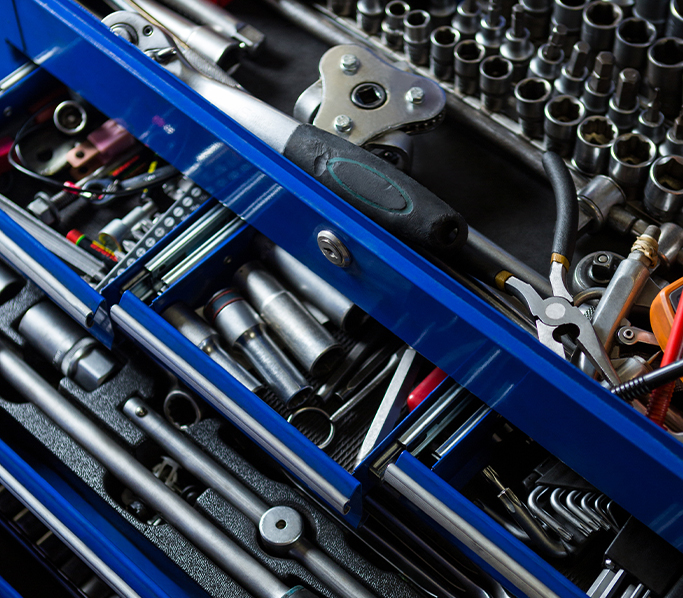
How a Non-Sparking Adjustable Wrench Can Change Workshop Safety Overnight

by Valeria November 16, 2025
written by Valeria

Introduction — a small scene, a big problem

I was tightening a stubborn bolt in a cramped plant last winter when a tiny spark flashed and the room went quiet. In that moment I knew the toolkit and the rules didn’t match the risk. The non sparking adjustable wrench was the single thing I wished I’d reached for before I started — and the data backs that up: facilities with targeted tool upgrades report lower near-miss rates and fewer ignition incidents (studies show reductions in lost-time incidents by double digits). So what if one simple swap could cut risk, speed repairs, and save money all at once?

non sparking adjustable wrench

I say this because I’ve seen both sides: the calm order of a safe shift and the slow drag of a shutdown after a preventable spark. We can talk standards, or we can talk real hands-on fixes — either way, the question sticks: how do you equip teams so they actually use the safer tools when it matters? — funny how that works, right? I’ll walk through where common fixes fail and what comes next. Stay with me; it gets practical fast.

Where common solutions fall short (and what users quietly suffer)

non sparking adjustable wrenches are often pitched as the quick fix for hazardous-area maintenance, but the real story is messier. Manufacturers and safety managers frequently assume that swapping one tool ends the problem. In practice, traditional approaches miss two big things: human behavior and tool lifecycle. First, workers sometimes avoid non-ferrous tools because they feel bulky or less familiar. Second, cheaper non-sparking tools made from subpar bronze alloy wear quickly, changing torque feedback and risking slippage. I see this on the floor all the time. Look, it’s simpler than you think — comfort and feel matter as much as certification.

Technically, the gaps show up in maintenance records: repeated tool swaps, inconsistent torque application, and eventual recourse to steel wrenches when deadlines loom. The industry terms matter here — intrinsically safe practice, ATEX zone protocols, and torque accuracy are not just buzzwords. They’re the lenses that reveal why a one-off purchase doesn’t fix operational habits. We need durable, spark-resistant designs that match how technicians actually work, not just how spec sheets read. (That mismatch costs time and invites risk.)

Why do crews avoid safer tools?

Because fit and feedback matter. Because when the pressure’s on, people use what they trust. And because training often treats tools as boxes to tick rather than behaviors to build.

non sparking adjustable wrench

Looking ahead: practical tech and choices that stick

I want to shift from diagnosis to what I’d actually recommend for the next three years. There are two paths: refine tool materials and change adoption patterns. On the materials side, better bronze formulations and controlled heat treatment improve wear life and maintain grip — that reduces slippage and keeps torque predictable. On the human side, pairing field training with tool audits and easy labeling changes behavior. When we pair those, the result is less downtime and fewer stop-gap steel wrench swaps. I’ve helped teams pilot this and the gains show up quickly — fewer near misses, faster fixes, less rework.

non sparking adjustable wrenches will keep being central in that shift. Case example: a medium-sized refinery switched to specified non-sparking adjustable wrenches, ran a three-month training push, and tracked torque compliance and tool return rates. The outcome? Better compliance and a measurable drop in unsanctioned tool use. It wasn’t magic — it was matching product design to workflow, and then reinforcing the change. What’s next: scale the pilots, standardize specs, add simple audits. — funny how that works, right?

Real-world impact

Summing up, we learned that tools alone don’t solve culture. You need the right materials (spark-resistant alloys, clear torque specs), the right behaviors (training, audits), and the right tracking (tool lifecycle logs). If you evaluate options, weigh durability, torque retention, and crew acceptance. Those metrics predict long-term safety far better than price alone.

We’re not selling a silver bullet here. I am recommending measurable steps: test a durable non-sparking adjustable wrench, run a short training module, then track outcomes. Do that, and you’ll see the difference. For practical sourcing and product details, I’ve been following work from Doright — they’re useful to know about as you plan upgrades. I’ll be watching how teams take these ideas forward; I hope you’ll share what works for you.

November 16, 2025 0 comments
0 FacebookTwitterPinterestEmail
Market

Beginner’s Guide to Choosing a User-Friendly Motor Controller: A Practical Playbook

by David Ross November 16, 2025
written by David Ross

Introduction: A Small Workshop, A Big Energy Bill, and a Question

I remember fixing a noisy fan in my garage last summer and being shocked to find the motor drew 30% more power than its nameplate — that hit my wallet hard. The fix required swapping settings in the motor controller and changing how the drive managed speed. (I’d been overlooking simple settings for years.) Data shows many small facilities waste energy because they use fixed-speed drives; could smarter control cut costs and extend gear life? I want to lay out what I’ve learned in plain terms and help you decide next steps.

motor controller

In this piece I’ll walk through common problems, dig into why regular fixes fail, and peek at better options — so you can pick the right path for your equipment and budget. Let’s move on to the practical faults that trip most users up.

motor controller

Part 2 — Why Traditional Fixes Often Fall Short

variable speed controller for ac motor is the solution people name first, but in practice I see two consistent gaps: misuse and mismatch. Technical setups like wrong PWM frequency or poorly tuned torque control can make a supposedly modern drive behave like an antique. Look, it’s simpler than you think — the controller may be capable, but installers often leave it in “default” mode. That kills potential efficiency and reduces equipment life.

What do users actually lose?

Users lose uptime, predictability, and real savings. When a drive can’t manage acceleration profiles or lacks proper field-oriented control tuning, motors stall or overheat. Power converters and inverters are stressed. That raises maintenance costs and shortens bearings’ life. I’ve seen plants choose the cheapest controller, then spend three times that on parts and labor later. It’s avoidable — with better specs and a bit of attention to control strategy.

Part 3 — New Principles and Practical Choices for the Future

Looking forward, I focus on how design choices matter. Modern ac drives use sensorless control, adaptive tuning, and improved thermal monitoring. If you choose an ac electric motor controller with updated firmware and clear commissioning tools, you get faster returns. I prefer systems that expose simple parameters and offer guided setup modes — that reduces commissioning time and operator errors. The result: stable torque, better speed regulation, and lower peak currents.

What’s Next — Real Steps to Evaluate Options

Three metrics I recommend when you compare controllers: 1) Control accuracy (can it hold speed and torque under load changes?), 2) Usability (are start-up wizards and diagnostics present?), and 3) Integration (does it speak your fieldbus or PLC language?). Also, check for built-in protections like overtemperature and DC bus monitoring. These details save you hours and prevent surprises — funny how that works, right? I’ve learned to value those safeguards over flashy specs.

In closing, choose a controller that matches your real needs, not the highest horsepower number on the label. I’ve helped teams cut energy and headaches by focusing on practical fit and straightforward commissioning. If you want a starting point for sourcing and hands-on support, consider Santroll — they balance capability with clear setup tools and sensible pricing.

November 16, 2025 0 comments
0 FacebookTwitterPinterestEmail
Newer Posts
Older Posts

Recent Posts

  • best 3 chinese shipping agents
  • How to Set Up a Self-Study Center Near Me That Actually Meets Operating Requirements
  • How to choose the right fiber laser for tube projects: a careful problem-solving guide
  • China Low Voltage Switchgear: What Responsible Buyers Must Insist On
  • Reliable 9 current transducer manufacturer You Should Know

Recent Comments

No comments to show.

About Me

About Me

Vintage Lover

Sed ut perspiciatis unde omnis iste natus error sit voluptatem accusantium doloremque laudantium, totam rem aperiam, eaque ipsa quae.

Keep in touch

Facebook Twitter Instagram Pinterest Bloglovin Rss

Photography

  • best 3 chinese shipping agents

    November 23, 2026
  • How to Set Up a Self-Study Center Near Me That Actually Meets Operating Requirements

    November 22, 2026
  • How to choose the right fiber laser for tube projects: a careful problem-solving guide

    November 18, 2026
  • China Low Voltage Switchgear: What Responsible Buyers Must Insist On

    November 15, 2026
  • Reliable 9 current transducer manufacturer You Should Know

    November 15, 2026

Recent Posts

  • best 3 chinese shipping agents

    November 23, 2026
  • How to Set Up a Self-Study Center Near Me That Actually Meets Operating Requirements

    November 22, 2026
  • How to choose the right fiber laser for tube projects: a careful problem-solving guide

    November 18, 2026
  • China Low Voltage Switchgear: What Responsible Buyers Must Insist On

    November 15, 2026
  • Reliable 9 current transducer manufacturer You Should Know

    November 15, 2026

Categories

  • Business (166)
  • Global Trade (163)
  • Industry (170)
  • Market (164)
  • Tech (158)
  • Vintage (40)
    • Memories (14)
    • On The Road (12)
    • Photography (14)
  • Facebook
  • Twitter
  • Instagram
  • Pinterest
  • Bloglovin

@2021 - All Right Reserved. Designed and Developed by PenciDesign


Back To Top
newsbell24
  • Business
  • Global Trade
  • Industry
  • Market
  • Tech
  • Vintage