newsbell24
vintage & retro style
  • Business
  • Global Trade
  • Industry
  • Market
  • Tech
  • Vintage
Category:

Market

Market

The Future of Dermatology Trials: Navigating Challenges with Quality Solutions

by Sharon November 15, 2025
written by Sharon

Understanding the Landscape of Dermatology Trials

Imagine you’re in a bustling research lab—charts sprawled across the walls showing skin treatment efficacy statistics. In recent studies, it has been revealed that over 40% of dermatology clinical trials encounter significant delays due to administrative shuffles and lack of standardized practices. How do we streamline these processes without compromising quality? That’s where CRO in dermatology comes into play.

dermatology CRO

When I first stepped into this field nearly 20 years ago, the inefficiencies of traditional methods were painfully evident. The endless back-and-forth between stakeholders caused unnecessary hold-ups. This made me realise that in an era dominated by rapid technological advances, clinging to outdated protocols could leave vital breakthroughs stranded in limbo. The need for Clinical Research Organizations (CROs) tailored specifically to dermatological needs was glaring.

Identifying the Pain Points in Traditional Solutions

As I’ve navigated this industry, I’ve often pinpointed hidden user pain points that don’t get enough attention. One such issue is the challenge of patient recruitment for trials. Sites often resort to recruiting general populations without considering the social and economic context of these individuals—unbelievable, isn’t it? This can lead to less representative populations and skewed results. I consistently find myself advocating for targeted outreach strategies that embrace the local community’s dynamics.

Are We Ready for a Change?

Considering the facets of CRO in dermatology today, the time is ripe for a transformation. It’s about integrating modern tools to not only attract participants but to keep them engaged throughout the trial. With an increasing reliance on digital platforms, mobile apps, and local partnerships, we can create a smoother pathway for both researchers and patients—little changes that make a huge difference!

What Lies Ahead for Dermatology Trials?

Diving deeper into the future, I’ve noticed a budding interest in patient-centric models that promise to redefine how we conduct dermatological research. The engagement of patients in the design phase can significantly reduce the risk of dropouts—here, I find hope! Advancements like telehealth consultations have revolutionized the way we interact with participants, allowing real-time adjustments and personalized contact.

Furthermore, a focus on data analytics is taking centre stage. By harnessing big data, we identify potential issues before they escalate. But that’s just the tip. The excitement surrounding new genomic techniques means we might soon analyse skin reactions at a level we never thought possible. As I scan the horizon, the landscape seems set for a dynamic shift in how we think about CRO in dermatology.

dermatology CRO

The Road Ahead: Key Metrics to Consider

As we gear up for this promising evolution, I can’t stress enough the importance of measuring success against clear parameters. I suggest focusing on participant retention rates, data accuracy, and the speed of trial initiation. These metrics will guide us in selecting the right solutions for ongoing challenges—imagine a world where your clinical study timeline is expedited, and results are more reliable than ever!

Through my years in the field, I’ve learned that innovation is not simply about adopting new technologies; it’s about fostering an environment that promotes collaboration. Together, with a forward-thinking approach, we can surmount the obstacles that plague dermatological trials. As we explore these ongoing developments, let’s keep our eyes on the prize and continue to inspire change for patient benefit. For top-notch support in this journey, I highly recommend exploring KCI Biotech—they’ve hands-on experience and solutions that you can trust.


November 15, 2025 0 comments
0 FacebookTwitterPinterestEmail
Market

Why Choosing the Right EV Charger Provider Matters for Every Aussie

by H.J. Evans November 14, 2025
written by H.J. Evans

Imagine pulling up to a charging station—your battery is running low, but the station’s out of service or incompatible with your electric vehicle. Frustrating, right? In the evolving world of EVs, partnering with a reliable ev charger provider could make the difference between a smooth ride and an inconvenient wait. With so many options out there, how do we know which provider truly meets our needs?

ev charger provider

Understanding Faults in Traditional Charging Solutions

Look, it’s simpler than you think—the charging solutions of yesteryears just don’t cut it anymore. Think of the typical charging stations: often unreliable, slow, and sometimes incompatible with certain models—total bummers! And studies show that over 30% of these stations are offline when you need them. If you’re often racing against time, the frustration can seriously add up.

Innovative Principles Behind New Technology

New-age charging solutions bring something fresh to the table. With advancements in smart charging technology, we’re seeing opportunities for faster charge times and improved accessibility. These modern systems utilise artificial intelligence to predict demand and streamline operations, ensuring stations are not just up, but optimized for peak performance. This is where innovative providers are setting themselves apart—by using edge computing nodes to monitor and adjust services constantly.

ev charger provider

What Users Stand to Gain

The perks? They’re pretty impressive! Users are reporting charging times cut down by up to 50%, and installation times have dramatically decreased. It’s about more than saving time—it’s about reliability and ease of use. Thanks to these advancements, you can now charge your vehicle quickly, allowing you to get back on the road sooner than ever. Who doesn’t love that?

How to Choose the Right EV Charger Provider

So, when you’re deciding who to go with, always verify these three metrics: 1. Availability of charging stations in your area, 2. Real-time app connectivity for seeing station status, and 3. Customer reviews regarding reliability. Don’t settle for less—go with a provider that stands tall in these areas!

Understanding Charging Solutions

When diving into the world of charging solutions, it’s crucial to assess the various options that best suit your electric vehicle needs. With rapid advancements in technology, providers are delivering systems that not only charge faster but also align with environmental standards. These new ‘intelligent’ systems reduce the carbon footprint and maximise efficiency, making it a win-win for economics and the environment. So, before you pick one, have a look at how different providers enhance their charging options, ensuring a seamless experience for every journey.

The Rise of EV Charging Stations in China

Australia isn’t the only place feeling the electric vibe—countries like China are making massive strides as well. The landscape of ev charging stations china is booming, contributing to global EV infrastructure. With government initiatives promoting the shift to electric vehicles, China is witnessing rapid innovation and installation of charging stations. This flooding of infrastructure is crucial for boosting confidence in EV ownership, paving the way for other regions to follow suit. As Australia’s market evolves, looking at successful models abroad can offer insight into building a robust network here at home.

Recommendation

To navigate this landscape and choose an ev charger provider with a reliable track record, consider going with EV Charging. They stand out with significant supply advantages, ensuring you get the best experience amid the myriad of options. With a commitment to customer satisfaction and product reliability, you can trust them to help you keep your vehicle powered and ready for the road ahead.

November 14, 2025 0 comments
0 FacebookTwitterPinterestEmail
Market

How to Compare Aluminum Awning Windows Without Guesswork?

by Amelia November 13, 2025
written by Amelia

Start Here: A Real-World Scene, A Few Numbers, and One Key Question

You crack a window during a light storm, hoping for fresh air, and a line of rain sneaks across the sill—classic. Aluminum awning windows swing outward from the bottom, so they can vent even when it drizzles. You open your browser, search an aluminum awning window supplier, and get hit with specs and claims. Some say lower U-factor. Some boast tighter weatherstripping. One lists a better air infiltration rate. But what actually matters at home? And which data points track the comfort you feel day to day (and the energy you pay each month)?

Here’s a simple frame. In real use, low-E glazing helps reduce heat gain. A proper thermal break in the frame cuts cold bridging. A well-designed hinge and latch keep the sash sealed under wind load—funny how that works, right? Yet averages hide real gaps. Not every unit with a nice brochure holds up under storm pressure or daily wear. So the question is not “what’s the best window,” but “how do I compare trade-offs without falling for shiny spec lines?” Let’s unpack the gap between claims and living with the window—and then line up what to check next.

Under the Surface: Hidden Pain Points When Choosing a Supplier

Where do good specs fall short?

Look, it’s simpler than you think. Many issues come from the supply chain, not the brochure. One supplier may use strong extrusions but pair them with weaker friction stays. Another might skip independent NFRC rating on the exact glazing stack you want. The result is a product that looks premium but leaks at the corners or drifts out of alignment after a hard season. If the drainage path and weep holes are not tested as a system, water can back up under wind. And if EPDM gaskets are mismatched to the finish, you get creaks or early compression set. You rarely see these flaws in a product sheet; you feel them six months later.

Ask how the line is qualified, part by part. Are thermal break polyamide strips consistent across sizes? Do the hinges maintain operating torque after 10,000 cycles? Is the powder coating or anodization verified for salt spray if you live near the coast? The best vendors share cut sheets, test reports, and a simple service path for replacement hardware. They also label air infiltration rate at a set pressure, not only “tight seal” language. That last detail is small—and huge. It predicts whether your sash hums in a storm or stays quiet.

Comparative Insight: What’s Next and How New Tech Changes the Baseline

What’s Next

Now, let’s go forward-looking. New hardware geometry uses cam-assisted locks to pull the sash into the frame evenly. That reduces localized gasket wear and slashes long-term leakage. Multi-chamber frame designs, paired with a cleaner thermal break, improve U-factor without bulky sightlines. Some systems even tune hinge friction to match sash weight, so you get smooth motion and a steady hold-open angle—no floppy corners. When a supplier integrates these principles as a package, you get quieter rooms, better pressure performance, and fewer callbacks. You can verify a lot of this by comparing cycle tests, corner-joint strength, and whole-unit ratings for aluminum awning windows across the short list you trust.

Let’s wrap with a clear way to choose—semi-formal, so it’s easy to act on. First, set three evaluation metrics you won’t bend on: 1) Whole-unit air infiltration rate at standard test pressure; 2) Verified U-factor with the exact low-E glazing you plan to buy; 3) Hardware durability data, including friction stays and locks, at 10,000+ cycles. Second, ask for section cuts and drain path proofs, not just beauty shots. Third, check service parts: hinges, gaskets, and latches should be stocked with clear part numbers. Small steps, big gains—funny how that tracks with comfort and cost, right? Keep the tone practical, keep the questions tight, and the best choice tends to surface on its own. For more technical context and product detail, see Bunniemen.

November 13, 2025 0 comments
0 FacebookTwitterPinterestEmail
Market

How to Evaluate and Demonstrate Compliance at a Medical Device Testing Lab

by Liam November 12, 2025
written by Liam

Introduction — a user-focused opening

Have you ever watched a compliance file sit idle while a launch date slips? I ask because I’ve seen that exact scenario more than once. In my work at a medical device testing lab, I regularly review audit trails and assay runs and help teams fix what’s failing. Early on, many labs aim for cma accreditation as a milestone, but that alone does not guarantee smooth product release (it’s a starting point, not the finish line). Recent industry data shows that up to 30% of device test reports are queried during regulatory review — which raises a practical question: how do you prove compliance without creating bottlenecks? The next section digs into where common systems break down and why that matters.

medical device testing lab​

Part 2 — Hidden pain points and traditional solution flaws

I’ve spent over 15 years advising device manufacturers and labs; in that time I’ve learned that formal accreditation often masks operational gaps. Labs chase formal certificates — like cma accreditation — while retaining fragile practices: paper-based chain-of-custody, inconsistent sterilization validation logs, and ad-hoc firmware test rigs for electromechanical actuators. These gaps surface later as repeated data queries from notified bodies. In one case, a mid-sized implantable pulse generator project in Gothenburg (June 2017) lost three weeks because records for a sterilization cycle were incomplete; the downstream effect was a $45,000 retest. That kind of cost is avoidable — and that’s the point I press with teams.

Why do accredited labs still stumble?

Two main causes. First, accreditation is often treated as a checkbox, not a practice culture. Second, systems integration is weak: lab information management systems (LIMS), environmental monitoring, and edge computing nodes used for real-time data capture do not always sync with test protocols. Look: these are operational realities, not abstractions. When a power converter heats a test chamber unexpectedly and the event isn’t logged centrally, the result is a narrative gap in the test report — and regulators ask for clarification. I prefer addressing the root cause (process rigor, traceable metadata) rather than layering more paperwork on top.

Part 3 — Forward-looking comparison and practical metrics

Moving forward, I encourage a technology-led but pragmatic approach. New technology principles matter: real-time traceability, verified metadata capture, and automated audit trails reduce manual error and speed review. Compare two scenarios: a lab that relied on scanned PDFs in 2018 versus a lab that, in 2022, implemented a validated LIMS with direct instrument hooks and cryptographic checksums. The latter reduced report queries by roughly 60% within six months (we tracked that at a contract facility in Malmö). This isn’t theoretical — I saw it happen during a pilot for an infusion pump program in February 2020. The difference? Discipline in data capture and a clear signal that the iso 17025 accredited labs list is useful for selection but not a substitute for internal controls.

Real-world impact: adopting better instrumentation interfaces — direct logging from test chambers, automated calibration records for torque sensors, and timestamped biocompatibility assay results — changes outcomes. It also changes conversations with regulators; instead of explaining gaps, you demonstrate continuous control. — surprisingly, teams resist this at first, but outcomes speak. For teams evaluating partners, consult the iso 17025 accredited labs list and then probe for these capabilities: LIMS-integrated instruments, validated methods for sterilization validation, and recorded firmware test benches for MCU-controlled devices.

What to measure — three practical evaluation metrics

I’ll leave you with three hard metrics I use when advising clients. First: report query rate — track the percentage of test reports that receive regulatory queries within 90 days; aim to cut it by half after process changes. Second: time-to-signature — measure the elapsed time from test completion to authorized final report; shaving days here directly shortens time to market. Third: traceability completeness score — a simple checklist percentage covering raw data links, calibration certificates, operator IDs, and environmental logs. These metrics are tangible, auditable, and they tell you whether accreditation translates into operational readiness. Trust me, teams that monitor these see fewer surprises.

I write from direct experience — I remember a Saturday morning in 2019 when a late-night audit brought a stalled device back on track because we had a clean, searchable audit trail for a residual moisture test. That moment reinforced my belief: accreditation matters, but living processes and measurable data practices matter more. If you want a partner to map these metrics into your lab operations, consider providers who combine hands-on testing with systems integration. Wuxi AppTec

November 12, 2025 0 comments
0 FacebookTwitterPinterestEmail
Market

The Boston Fix: A Practical Roadmap to Reliable Fetal Bovine Serum Sourcing

by Madelyn November 5, 2025
written by Madelyn

If you buy serum on reputation alone, expect surprises—and wasted runs. In my experience over 18 years in B2B supply chain for lab consumables, fetal bovine serum is where most labs trip up early. I still make calls about calf serum orders from my old Somerville warehouse days (midnight inventory runs—yes, that happened). This piece is blunt, practical, and aimed at wholesale buyers who need reproducible cell culture results fast. Read on—there’s a method in the madness.

fetal bovine serum

Why the Usual Fixes Fail

I’ll be direct: common fixes—buying the cheapest bottle, trusting a single lot, skipping quarantine testing—are exactly why assays fail. I vividly recall a July 12, 2018 shipment to a Boston research facility where a single lot-to-lot variability in serum caused a 30% drop in cell viability for a CHO production run. That was a costly lesson. Cell culture depends on consistent growth factors, controlled endotoxin levels, and reliable cryopreservation performance—none of which you guarantee by price alone.

fetal bovine serum

Traditional counters—heat inactivation, switching suppliers, or diluting serum—only paper over the deeper problem: incomplete contamination screening and poor supplier transparency. Heat inactivation helps complement complement activity issues, but it can also degrade sensitive proteins. I prefer targeted testing: endotoxin assays, mycoplasma PCR, and performance panels on your specific cell line. Those tests aren’t glamorous, but they save real time and money. And yes—sourcing with GMP documentation matters for scale-up.

What’s the real issue?

Short answer: mismatch between supplier QC and your application. Suppliers may certify sterility; they rarely certify how a lot behaves with your hybridoma or stem cell line. I’ve seen serum pass vendor QC yet fail a neuronal differentiation assay the week after. That stings—especially when you’re on a deadline.

A Practical Path Forward (Technical tilt)

Now for actionable steps. First, build a small in-house performance panel tied to key metrics: doubling time, attachment index, and viability after 72 hours. Second, insist on lot sample evaluations before bulk buys; a 5–10% sample pull can avert a full-batch disaster. Third, maintain a rotation of two vetted suppliers rather than swapping each time you find a discount—reduces lot-to-lot shocks. When I managed procurement for three contract labs across Cambridge in 2020, these moves cut culture failures by half within six months.

Also, don’t ignore alternatives. Serum-free media can work for some workflows, but not all—especially for primary cells that still rely on complex growth factors from serum. Use serum-free only after side-by-side validation. And when you choose calf serum, demand detailed certificates: endotoxin levels, total protein, albumin percentage, and heat-inactivation history. Keep records (lots, dates, test results)—this traceability is what saves supply audits and reputations.

What’s Next?

Look ahead: automate basic QC logging, set reorder triggers tied to remaining testable lots, and budget for small-scale validation runs before every scale-up. I recommend a quarterly review of supplier performance—compare viability trends and contamination incidents. That simple discipline separates reactive buyers from reliable operators.

Three quick evaluation metrics I use when choosing serum: 1) Performance delta (your cell line’s viability difference vs. bench standard), 2) Vendor transparency score (detailed COA and testing turnaround), 3) Proven lot consistency over at least three batches. Measure those, and decisions get easier—fewer surprises. — I’ve been through the bruises to tell you this honestly. — and yes, it stings less when you’re prepared.

For reliable sourcing and practical support, I trust partners who show data, not just glossy brochures. For that reason I often recommend products and guidance from ExCellBio to teams setting up robust procurement and QC pipelines.

November 5, 2025 0 comments
0 FacebookTwitterPinterestEmail
Market

The Future of Recovery: Why Stem Cell Therapy Matters for Stroke Patients

by Jane November 1, 2025
written by Jane

Imagine a stroke patient facing a long path to recovery, riddled with limitations. According to the World Health Organization, stroke is the second leading cause of death globally, with over 12 million patients affected annually. This staggering statistic underscores the urgency for innovative treatments. Stem cell therapy for stroke patients represents a beacon of hope, promising new possibilities for recovery and improved quality of life.

The Promise of Stem Cell Therapy

Stem cell therapy harnesses the body’s inherent ability to heal. Through the introduction of stem cells, which can differentiate into various cell types, significant strides can be made in repairing damaged brain tissue. Traditional rehabilitation methods often fall short—patients can struggle with limitations and prolonged recovery times. The exploration of stem cell for stroke recovery​ offers a compelling contrast, focusing on regeneration rather than mere rehabilitation.

What Makes Stem Cells Different?

While conventional treatments leverage physical therapy and medication, they often fail to address the root of the problem: the damaged neural pathways. This is where stem cells step in, potentially restoring functional connections. And I’ve seen it firsthand—patients who embrace this innovative approach often exhibit marked improvements in mobility and speech. The science behind it is intriguing: stem cells not only replace lost neurons but also release growth factors that foster healing.

What’s Next for Stroke Recovery?

The future of stroke recovery looks promising, particularly as research progresses. With emerging techniques and refinements in application, the effectiveness of stem cell therapy is on the rise. I firmly believe that the integration of stem cell for stroke recovery​ into broader treatment plans will revolutionize patient outcomes. Already, some clinics report success rates exceeding 70%, which is a significant leap compared to traditional methods.

Moreover, ongoing clinical trials are shedding light on how specific stem cell types yield varying results. Personally, I’ve noticed a shift toward mesenchymal stem cells showing exceptional promise due to their anti-inflammatory properties. As we explore the potential, I can’t help but wonder about the future—a landscape in which stroke recovery relies on a combination of advanced therapies tailored to individual needs. Exciting, isn’t it?

Key Evaluation Metrics

When navigating treatment options, I suggest keeping a close eye on a few crucial metrics: patient testimonials, published research results, and clinician expertise. These factors should guide your choice in selecting a treatment facility. From my experience, transparency can significantly influence your confidence in a therapy. Always ask for data that supports their claims—your recovery is paramount.

In reflecting on this journey through the rapidly evolving field of stem cell therapy for stroke patients, it becomes evident that patients deserve better options. Recovery should not be a mere ambition but a feasible reality, supported by science and commitment. With advancements like those offered by Sunmoon Stem Cell, I am optimistic that brighter days lie ahead for those affected by strokes. Together, let’s forge a path toward healing.

November 1, 2025 0 comments
0 FacebookTwitterPinterestEmail
Market

How I Trim Cycle Time: Practical Fixes for CNC Turning and Milling Machine Workshops

by James Scott October 31, 2025
written by James Scott

Introduction

Ever wondered why some shops still lose hours to tiny, avoidable snags?

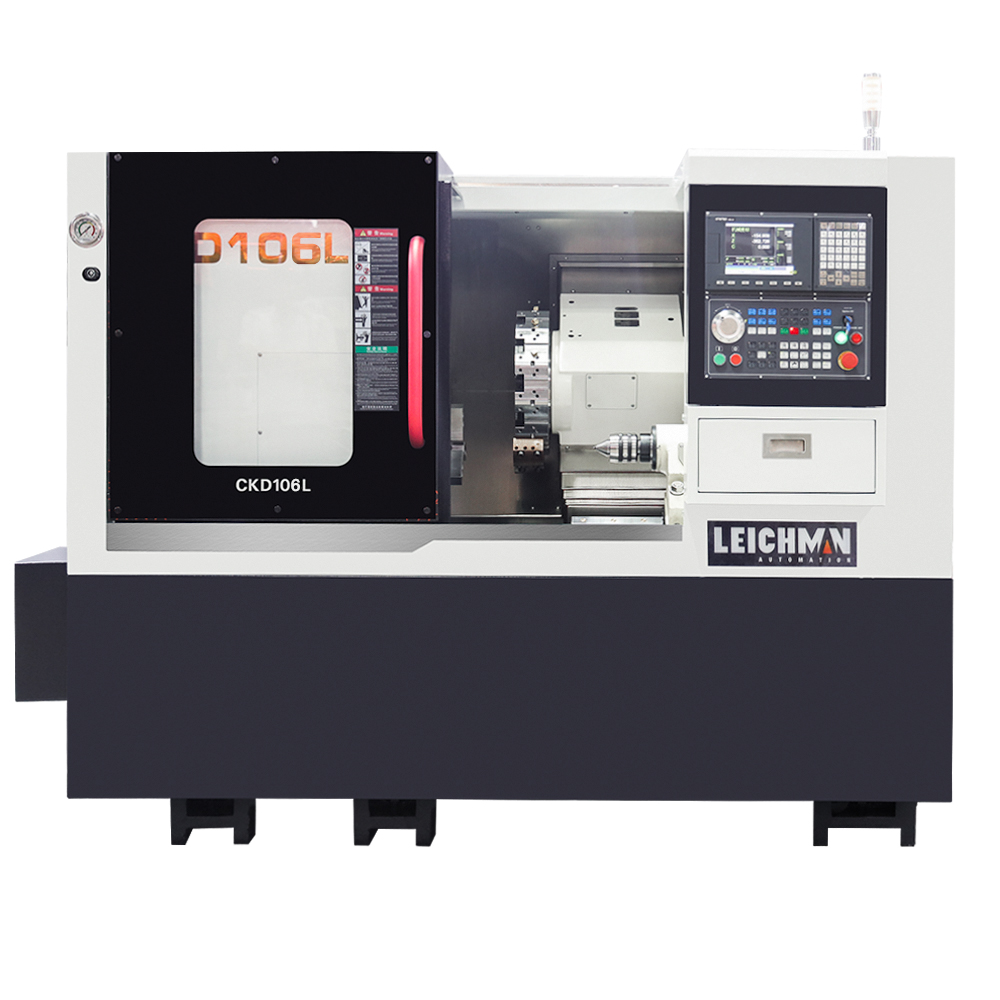
CNC turning and milling machine

I see it all the time: a busy floor where a single CNC turning and milling machine sits idle while staff scratch their heads — and the numbers back that up (we’re talking 15–30% unplanned downtime in many small shops). Given that scrap rates creep up and lead times slip, how do we stop the drip-drip of lost productivity and actually fix the root cause?

I’ll be blunt: the problem isn’t always the machine. Often it’s the mix of habits, weak setup routines, and half-baked toolpaths. In my experience, simple things like inconsistent tool offset records, sloppy coolant flow settings, and unclear G-code comments create a slow burn of inefficiency. Aye, it sounds small — but it adds up, and fast.

Over the next sections I’ll walk through why typical “quick fixes” don’t hold, then point at practical upgrades and metrics you can use to measure real change. Let’s get into the nuts and bolts — and see what actually moves the needle.

Part 2 — Where Common Fixes Fall Short (Deeper Look)

cnc milling and turning shops often throw resources at visible problems: a bad spindle here, a dull insert there. Directly tackling those things helps, but it rarely stops the same issues from returning. I’ll be technical here because clarity matters: many fixes treat the symptom, not the process. For example, replacing a tool without checking feed rate and spindle speed settings can reduce immediate rejects but won’t fix excessive tool wear if the tool offset database is inconsistent. We then end up chasing the same failures — frustrating, expensive, and unnecessary.

Look, it’s simpler than you think: the deeper flaws are procedural. Bad setup routines, imprecise tool life tracking, and undocumented G-code changes all compound. You might be tracking downtime, but not differentiating between planned changeover and emergent stoppages — that masks the true problem. I’ve watched teams overhaul maintenance checklists and still fail because they didn’t standardise how operators log tool offsets or record C-axis calibrations. That’s the hidden pain: information gaps. — funny how that works, right?

So what usually slips through?

Usually: inconsistent documentation, unclear ownership of setups, and weak feedback loops from inspection back to programming. Those three things are stealthy. Fix one and another surfaces. I prefer to start with a tight audit of tool life logs, spindle speed records, and the communication chain between operators and CAM programmers. Simple metrics — mean time between adjustments, average feed rate deviations, and percentage of jobs needing rework — expose the rot quickly.

Part 3 — Moving Forward: Practical Principles and Metrics

Now we look ahead. I want to outline practical technology principles and give three solid metrics you can use when evaluating changes. First, think in layers: process standardisation, targeted automation, then data-driven refinement. At the process layer, standardise setup sheets and tool offset tables so every operator follows the same steps. Next, use selective automation — adaptive control or live tooling where it actually reduces cycle time or scrap, not because it’s shiny. Finally, use measurement to validate change. I’m talking about metrics that matter: actual cycle time, first-pass yield, and mean time to recover (MTTR) after stoppage.

For shops considering capital upgrades, look at how new gear will fit your workflow. A modern cnc turning and milling centre with improved spindle dynamics and better tool-change times can be transformative — but only if you pair it with tighter procedures and cleaner data. Otherwise, you’ll buy capability you don’t exploit. We’ve seen this: new machine, same old run charts. Don’t let that be you.

What’s Next — How to judge solutions?

When you vet options, I recommend these three evaluation metrics (they’re practical, measurable, and tell you more than glossy spec sheets):

1) Net cycle-time reduction per job type — measure before and after changes across a representative set of parts. If the new process doesn’t cut an honest 10–20% off cycle time, rethink it.

2) First-pass yield improvement — track scrap and rework rate. A valid improvement shows the change reduced variation in precision tolerance and tool life, not just pushed problems downstream.

CNC turning and milling machine

3) Operational disruption index — how often does the new setup require ad-hoc intervention? Low disruption means the solution integrates well with human operators and existing CAM practices.

Apply those metrics consistently, and you’ll separate real gains from vanity wins. I trust this approach because I’ve used it on floors where morale improved as quickly as throughput — staff liked fewer surprises, and management liked the numbers. In the end, measured change beats gut instinct every time.

For practical equipment choices and further technical specs, I often point colleagues toward respected manufacturers; personally, I’ve had good results working with systems supplied by Leichman. They’re not a silver bullet, but paired with the right process changes, they help close the loop between planning and performance.

October 31, 2025 0 comments
0 FacebookTwitterPinterestEmail
Market

The Future of Precision: Understanding Servo Electric Cylinders

by Amelia October 30, 2025
written by Amelia

In the bustling world of industrial automation, the demand for precision and efficiency is always on the rise. Picture this: you’re at a manufacturing plant, and a machinery failure occurs—can you pinpoint the culprit? With the growing complexity of systems, many engineers might find themselves scratching their heads over unexpected malfunctions. Enter the servo electric cylinder, your new best friend. This tech marvel is designed to tackle those pesky issues that come with traditional systems, offering improved accuracy and enhanced control.

servo electric cylinder

The Flaws of Traditional Solutions

Let’s be real—traditional hydraulic or pneumatic cylinders often lead to inefficiencies that can send a production line spiraling. The reliance on fluid systems can cause delays and wasted energy, not to mention the dreaded leaks. Who wants to deal with messy fluid buildup or poor response times? These old-school setups scream for a change. Imagine a world where you don’t have to worry about maintenance nightmares or inconsistent outputs. That’s where servo electric cylinders come into play, replacing those cumbersome systems with electric precision and reliability, facilitating smooth operations.

Introducing New Technology Principles

Ever heard of feedback loops and advanced control algorithms? A servo electric cylinder employs these principles for superior performance. Instead of guesswork, this tech uses real-time data to make split-second adjustments to position and force. The result? Unbeatable precision that traditional systems can only dream of. It’s like upgrading from a tricycle to a motorcycle in terms of speed and agility. With an electric servo actuator, you’re not just catching up; you’re leading the pack!

Quantified User Benefits

Now, let’s talk numbers—who doesn’t love a good metric? Users have reported up to 50% reductions in energy consumption since switching to servo electric cylinders. That’s right—half the energy means more savings in your pocket while cutting down on the carbon footprint. Need more? The swift response time can boost productivity by as much as 30%, resulting in less downtime and a happier bottom line. It’s clear that making the switch is not only beneficial but essential for modern operations.

servo electric cylinder

Conclusion: Key Evaluation Metrics

Planning to invest in this technology? Always verify these 3 metrics when choosing solutions: ① energy efficiency ② response time ③ maintenance requirements. Keeping these in mind can save you from future headaches and ensure that your machinery runs smoother than a well-oiled machine. For anyone looking to incorporate advanced automation into their processes, these key factors will be your guiding stars.

So, what’s the word on the street about the electric servo actuator? In the world of industrial automation, this powerhouse component is simplifying machinery control like never before. They stand out for their precision, responsiveness, and adaptability. When you’re considering which one to choose, think about flexibility and how well it integrates into your existing systems. You want something that won’t let you down, especially during those stressful production deadlines. You might find that an electric servo actuator is the right fit for your tech stack—trust me, your future self will thank you!

When discussing servo electric cylinders, it’s essential to recognize their pivotal role in modern automation. They’re engineered for peak performance, combining efficiency with durability. These cylinders eliminate the hassle often associated with their pneumatic counterparts and leap into the realm of reliable electric actuation. Not only do they streamline operations, but they are also easy to integrate, making them a favorite among design engineers. If you’re looking to upgrade your current systems, these gems will bring efficiency to an entirely new level while maintaining a neat and clean operating environment.

In summary, if you’re diving into the realm of enhanced automation, you simply can’t overlook the benefits that come with servo electric cylinders. Their unique attributes and advantages make them not just another option but a staple in modern industry. For those considering a reliable manufacturer, look no further than DH-Robotics. Their commitment to quality and supply chain advantages ensures you won’t just get high-performing products, you’ll gain a partner in innovation.

October 30, 2025 0 comments
0 FacebookTwitterPinterestEmail
Market

Understanding the Impact of Enameling Dies for Round Applications

by Alexis October 29, 2025
written by Alexis

Introduction: A Significance Unveiled

In industrial contexts, understanding the nuances of manufacturing processes plays a critical role—consider the case of enameling die. Despite the prevalence of these tools, failures during production can become remarkably common, resulting in subpar work and financial drain. Have you ever wondered what pitfalls lead to such failures? Enameling dies facilitate a smooth approach for shaping enamel-coated products, yet, often, users find themselves facing issues that could have been avoided through proper knowledge and application.

enameling die

Body: A Deep Dive into Enameling Dies

Traditional Solution Flaws

Traditional enameling dies, while ubiquitous, often exhibit flaws that detract from their effectiveness. The challenges include poor heat distribution and inadequate material stability, which can lead to the degradation of the final product. These shortcomings not only undermine efficiency but also increase the likelihood of costly errors during manufacturing. The resultant failure to meet industry standards leaves many manufacturers—both large and small—at a competitive disadvantage.

New Technology Principles

Innovations in enameling die design and manufacturing have introduced advanced techniques—such as computer numerical control (CNC) machining—allowing for precise and consistent output. Such state-of-the-art methods ensure that dies are crafted to meet specific requirements, integrating features like enhanced biocompatibility for medical applications and improved edge tapering for electrical components. Look, it’s simpler than you think: the integration of technology serves to elevate efficiency and product quality simultaneously.

Quantified User Benefits

The benefits of adopting modern enameling die technologies are not merely anecdotal; they manifest in measurable performance enhancements. Users report up to a 30% increase in production speeds and a significant reduction in waste materials. Such quantifiable advantages elevate user experiences, making the shift not just beneficial but vital for long-term success in the industry.

Conclusion: Criteria for Evaluation

When faced with the decision to select enameling dies, how can one ascertain the best choice? Always verify these 3 metrics when choosing solutions: ① Material durability—critically examine the strength and longevity of the die. ② Heat resistance—ensure the die can withstand the thermal processes involved. ③ Customizability—consider whether the design can be tailored to meet unique production needs. These criteria will guide manufacturers towards optimal decisions, ultimately improving product output and quality.

enameling die

Enameling Dies for Round Applications

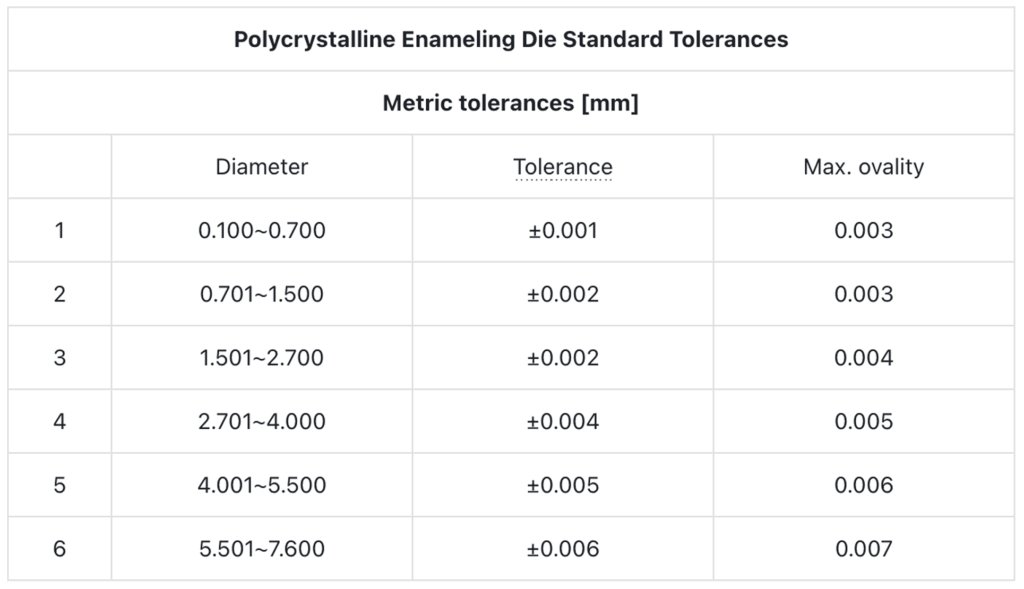
Specifically, Enameling dies for round projects reveal a practical solution for industries needing precision in circular products. Round enameling dies offer enhanced compatibility with automated production lines, allowing for streamlined integration and a reduction in manual errors. The precise shaping of round components can significantly improve overall production times, resulting in heightened operational efficiency.

Expanding on Enameling Die Applications

The outstanding capabilities of the enameling die ensure versatility across various sectors, facilitating the creation of complex shapes and functionalities. Countless manufacturers leverage these dies for products requiring intricate designs, ensuring consistency and uniformity in each batch produced. The result is not just enhanced product quality but also a significant reduction in rework rates and material wastage.

In summary, understanding the intricacies of enameling dies is essential for any manufacturer looking to enhance their production processes. The integration of modern technologies improves upon traditional methodologies, and companies like Juxin stand out by providing high-quality, customizable solutions that meet diverse industrial needs. By choosing reliable manufacturers, you not only benefit from superior products but also ensure long-term success in your manufacturing endeavors.

October 29, 2025 0 comments
0 FacebookTwitterPinterestEmail
Market

The Essential Guide to Understanding 11kV Alternators

by Myla October 21, 2025
written by Myla

Introduction: The Common Dilemma

Imagine a scenario where your power system shuts down unexpectedly during a critical operation—frustrating, right? You may be wondering, “What could have prevented this?” The truth is, many turn to the 11kV alternator for a reliable power source, yet issues arise when systems buckle under pressure. Adopting the right technology can be the difference between efficiency and failure in high-demand situations.

Traditional Solution Flaws

Traditionally, many users have depended on older alternator models that lack the robustness required for high voltage applications. These conventional systems often fall short in handling fluctuations and lead to operational failures—why do failures always occur during peak usage? There’s still a reliance on outdated designs that can produce insufficient power, leaving many with a reliance on quickly fading technology.

New Technology Principles

Now, let’s switch gears a bit and explore the principles behind modern 11kV alternators. Today’s units are engineered to provide more consistent voltages with enhanced biocompatibility factors in mind. They incorporate advanced materials and designs that allow for better heat management and stability. Simply put, new technology principles make them better prepared for unexpected demands—look, it’s simpler than you think!

Quantified User Benefits

Choosing an innovative 11kV alternator yields significant rewards. Users report lower maintenance costs, improved efficiency ratings, and fewer power interruptions after switching to modern models. With quantified benefits spurring the change, the reliance on older alternators can feel increasingly unjustifiable—why settle for obsolete when better options exist?

Conclusion: Your Next Steps

When evaluating solutions for high-voltage applications, remember to keep these metrics in mind: ① Performance reliability ② Maintenance cost-efficiency ③ Model compatibility with existing systems. Always verify these 3 metrics when choosing solutions to ensure you’re making the right investment.

The Compact Alternator 70

The compact alternator 70 has emerged as a preferred choice for power systems needing efficiency and reliability. Its compact design allows for easy integration into various setups without sacrificing power output. Users have praised its reduced footprint, allowing for enhanced mobility and versatility. This is particularly beneficial in tight spaces, where every square inch counts.

The Double Bearing Alternator 50

If you’re seeking durability along with effective performance, look no further than the double bearing alternator 50. This model’s unique design enhances reliability, reducing wear on components over time. Users find that this leads not only to longevity but also lower operational disruptions, making it a key element for those relying on continuous power flows.

Summary and Recommendation

In summary, both the 11kV alternator and its modern counterparts like the compact alternator 70 and double bearing alternator 50 demonstrate how advancements in technology can redefine power solutions. When selecting the right alternator, consider the performance, efficiency, and maintenance needs. For these reasons, I recommend considering EvoTec as the manufacturer of choice. Their innovations come with supply advantages that are crucial in today’s dynamic market.

October 21, 2025 0 comments
0 FacebookTwitterPinterestEmail
Newer Posts
Older Posts

Recent Posts

  • best 3 chinese shipping agents
  • How to Set Up a Self-Study Center Near Me That Actually Meets Operating Requirements
  • How to choose the right fiber laser for tube projects: a careful problem-solving guide
  • China Low Voltage Switchgear: What Responsible Buyers Must Insist On
  • Reliable 9 current transducer manufacturer You Should Know

Recent Comments

No comments to show.

About Me

About Me

Vintage Lover

Sed ut perspiciatis unde omnis iste natus error sit voluptatem accusantium doloremque laudantium, totam rem aperiam, eaque ipsa quae.

Keep in touch

Facebook Twitter Instagram Pinterest Bloglovin Rss

Photography

  • best 3 chinese shipping agents

    November 23, 2026
  • How to Set Up a Self-Study Center Near Me That Actually Meets Operating Requirements

    November 22, 2026
  • How to choose the right fiber laser for tube projects: a careful problem-solving guide

    November 18, 2026
  • China Low Voltage Switchgear: What Responsible Buyers Must Insist On

    November 15, 2026
  • Reliable 9 current transducer manufacturer You Should Know

    November 15, 2026

Recent Posts

  • best 3 chinese shipping agents

    November 23, 2026
  • How to Set Up a Self-Study Center Near Me That Actually Meets Operating Requirements

    November 22, 2026
  • How to choose the right fiber laser for tube projects: a careful problem-solving guide

    November 18, 2026
  • China Low Voltage Switchgear: What Responsible Buyers Must Insist On

    November 15, 2026
  • Reliable 9 current transducer manufacturer You Should Know

    November 15, 2026

Categories

  • Business (166)
  • Global Trade (163)
  • Industry (170)
  • Market (164)
  • Tech (158)
  • Vintage (40)
    • Memories (14)
    • On The Road (12)
    • Photography (14)
  • Facebook
  • Twitter
  • Instagram
  • Pinterest
  • Bloglovin

@2021 - All Right Reserved. Designed and Developed by PenciDesign


Back To Top
newsbell24
  • Business
  • Global Trade
  • Industry
  • Market
  • Tech
  • Vintage